
 Scan on WeChat
For Distributors and Integrators
Start Here
Dealer & Agent Programmes
For System Integrators
Wholesale & Trade Supply
Price, Scope & Factory
Quick Contact
Hebei TengtianYuanle@tentubemill.com
+86-311-83025332
WhatsApp +852 5425 3155
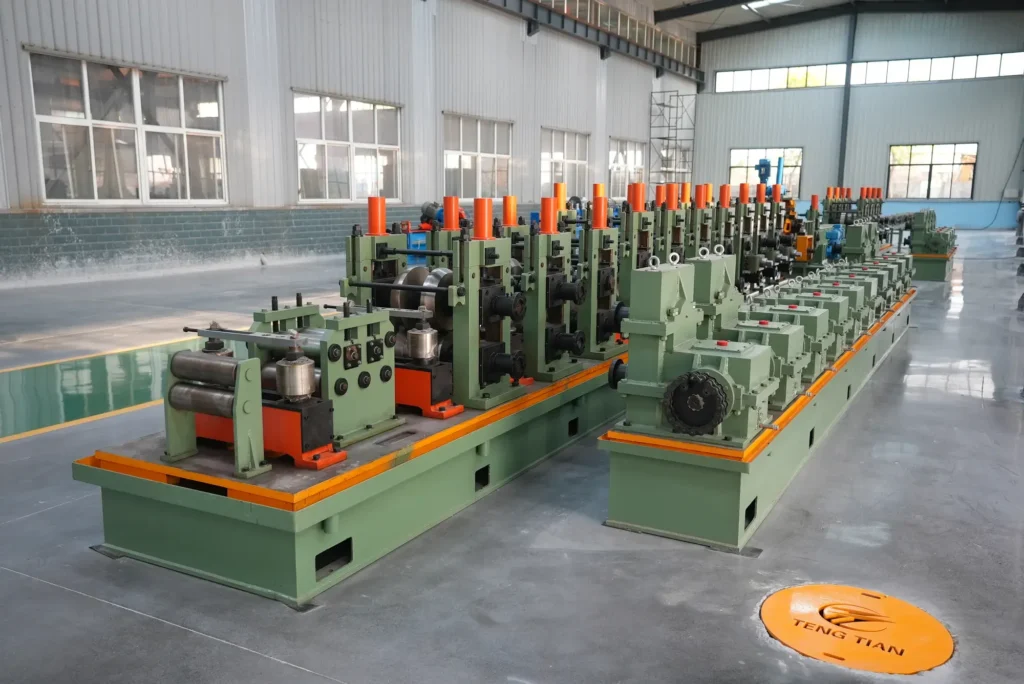
Alongside end users, Tengtian works with the trade through dealer and agent programmes by product line, wholesale supply, and turnkey scope for system integrators.
Who We Work With: Distributors, Integrators, Wholesalers, Importers
Lead time here is 50–90 days, scheduled against the works’ own capacity. Three trade roles buy from Tengtian, and they are not variations of one another: a distributor resells, an agent holds a territory, and a system integrator builds a plant around the equipment. Each needs a different thing from the factory.
What usually decides the relationship is whether the factory answers fast enough to keep the distributor’s own customer calm — Tengtian’s commitment is a first reply from a single named contact rather than a queue.
A regional agent holds a territory and is playing a longer game: steady margin, on-time delivery, and a factory that co-operates. Agents lose their own downstream customers when delivery slips, so punctuality is not a service level to them — it is their business model.
A system integrator builds a complete plant for an end user and needs the equipment maker to take responsibility across units, not just ship a mill: whole-line customisation, engineering co-operation through the project, and a scope of supply with no gaps between machines.
Two further groups arrive through the same door: wholesalers and importers buying to stock or to cover a downstream order, and trading companies placing on behalf of an end user. We serve both through the same trade programmes.
The three roles are worth separating because the failure modes differ. A distributor who is quoted a lead time that slips loses one sale; an agent who is quoted the same lead time loses the downstream customer who was relying on them, which is why punctuality reads as a different promise to each.
An integrator has a third exposure altogether: their risk sits at the interfaces between units, so what protects them is a written scope of supply and an acceptance basis agreed before the order rather than negotiated at commissioning.
Two objections come up early in almost every trade conversation, and both have factual answers rather than reassurance. The first is spare-part continuity — answered by the fact that forming rolls and key wear parts are machined at the works itself rather than bought in.
The second is price comparison across suppliers — answered by putting the tiered configuration and its written scope side by side, because two quotations only compare with each other when the two scopes behind them do.
A distributor or reseller is a regional equipment trader. Turnover is the business, so what matters is a price-to-configuration ratio that leaves resale margin, a delivery date that holds, and stock that moves.
What We Offer the Trade
 Dealer & Agent ProgrammesTengtian supplies tube mills to distributors, regional agents and turnkey integrators.See the section →
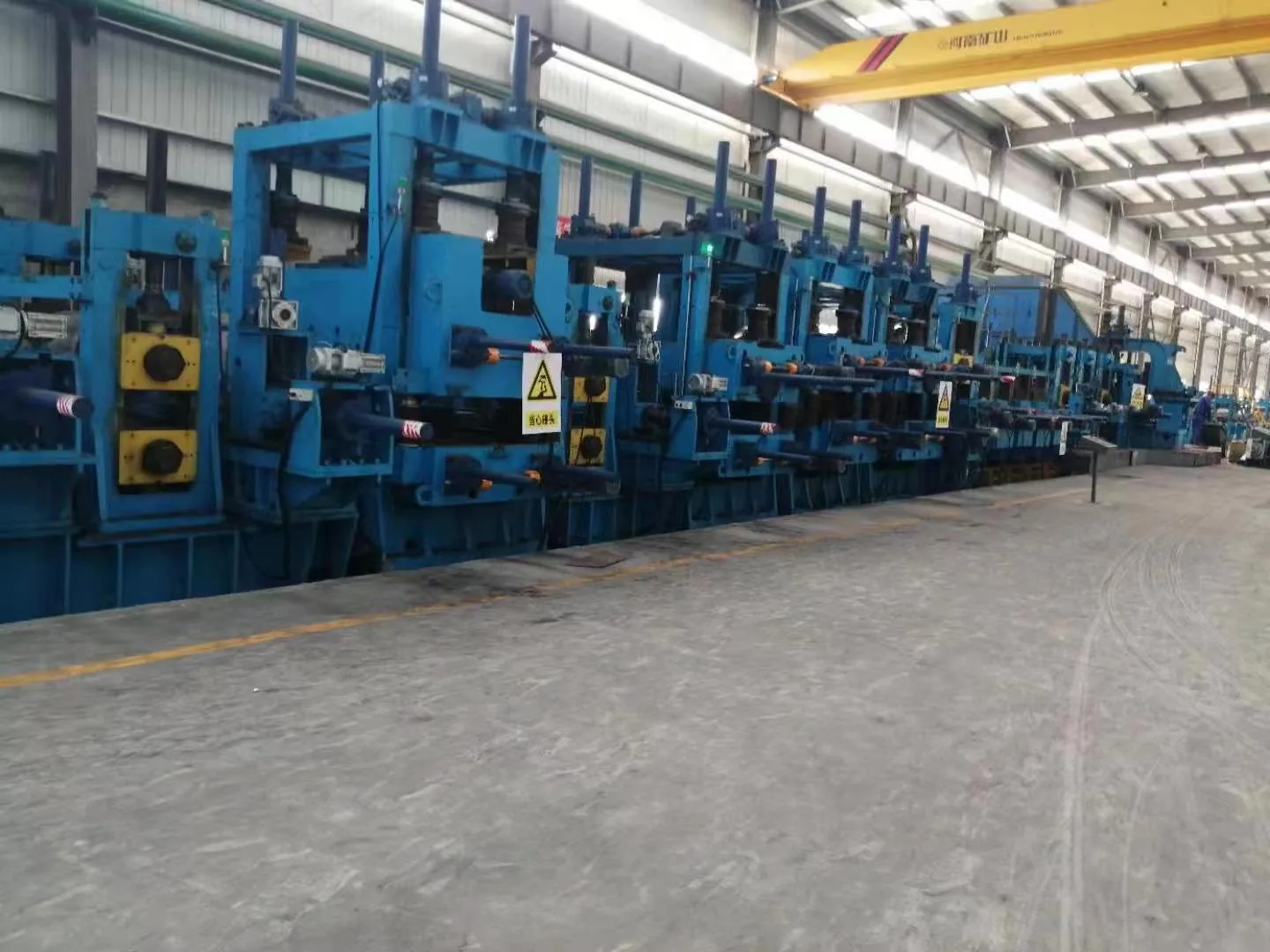 For System IntegratorsScope of supply is quoted two ways: a turnkey line delivered complete, or individual machines and units where the plant already has part of the chain.See the section →
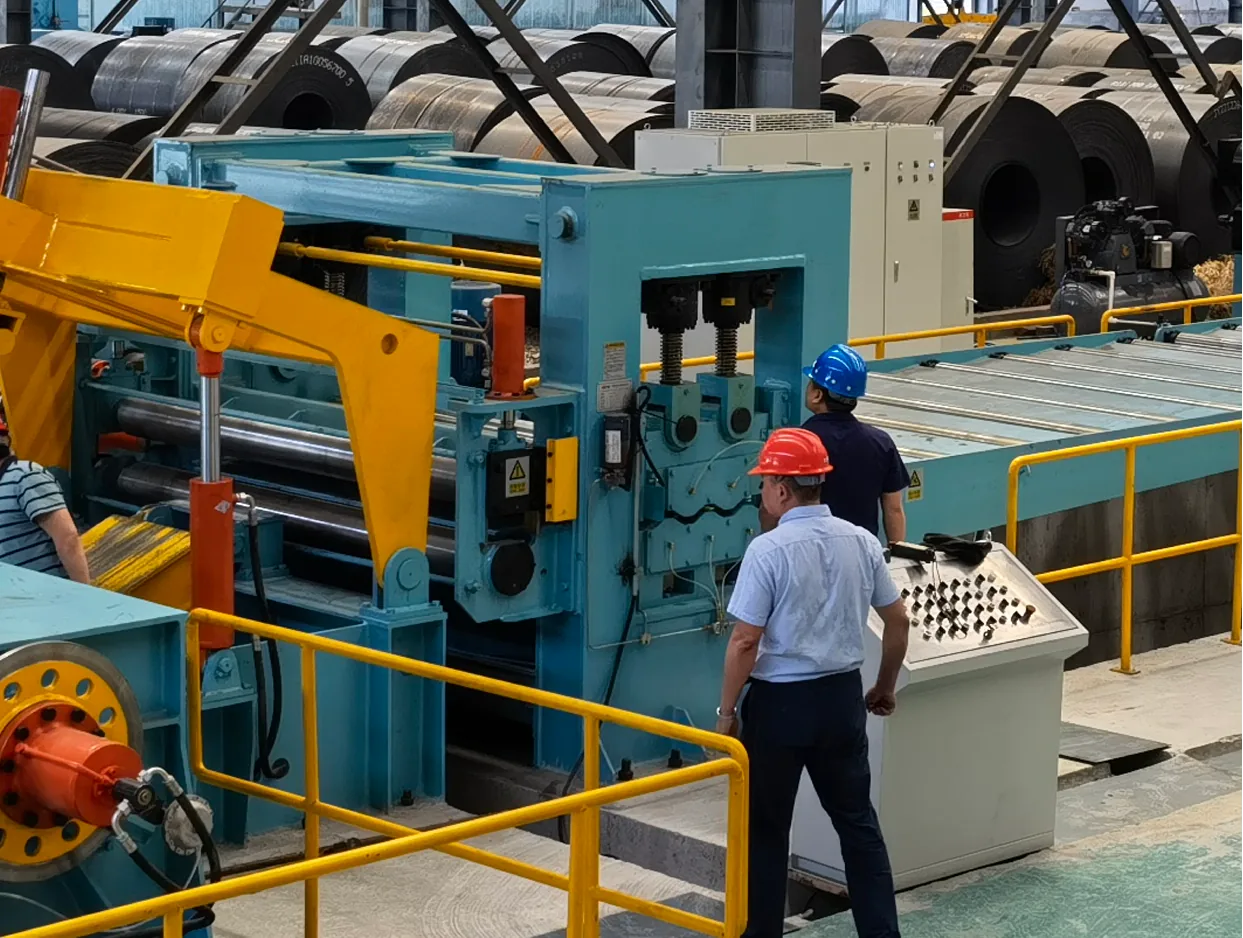 Wholesale & Trade SupplyCommercial terms flex on trade orders: staged payment, an adjustable deposit ratio, third-party escrow, and several workable Incoterms.See the section →
 Price, Scope & FactoryPricing is tiered by configuration — a turnkey line against a base machine — and the tier decides which units, controls and inspection stations are included.See the section →
Dealer Programmes by Product Line
Within welded pipe alone that means high-frequency longitudinal mills from HG32 to HG630 (Φ10–630 mm), direct-forming square tube, API line-pipe configurations, and spiral submerged-arc mills to Φ1620 mm.
Each product family has its own dealer or distributor programme, and each one covers the same three things: what the tiered configurations contain, what the partner is expected to handle locally, and what the factory covers.
The lines a partner can carry follow Tengtian’s four equipment families — welded pipe production lines, slitting and cut-to-length lines, cold roll forming lines, and H-beam production lines, with an automatic spray-painting line as a companion unit.
Which of those a partner should take on is a support question before it is a commercial one. A dealer who cannot service a spiral mill locally should not be the first point of contact for one, and our dealer programmes state that plainly rather than leaving it to be discovered after the first installation.
What the factory keeps in every case is the part a partner cannot hold in stock: line sizing against the end user’s diameter, wall thickness and output; commissioning engineers; and continuous roll supply.
Partners also buy for a reason that differs from an end user’s. A distributor stocking a territory or standing up an agency line is not solving a production problem — they are buying resale headroom plus a factory that will not leave them exposed when their own customer calls. That is why our trade programmes lead with tiered configuration and response commitment rather than with parameter tables.
Programmes are organised by product line rather than by territory, because what a partner can sell is decided by which lines they can support after installation.
Turnkey Integration: Scope, Interfaces and Acceptance
Scope of supply is quoted two ways: a turnkey line delivered complete, or individual machines and units where the plant already has part of the chain. Tiered configurations map to written scope rather than to a price point, so two quotations can be compared scope for scope.
Installation, commissioning and operator training sit inside the after-sales scope; engineers are dispatched to site and support continues online after handover — which for an integrator means the commissioning risk is shared rather than transferred.
Shipment is planned as part of scope: lines break down into container units, precision and electrical items crate against moisture, and spare rolls travel in the same containers so commissioning is not waiting on a second shipment.
One boundary is best agreed up front rather than discovered at acceptance: the line controls forming, welding, sizing and cut-off; it does not control the strip entering it. Incoming coil grade and flatness remain the buyer’s responsibility. What the equipment side provides is entry-end levelling and inspection capability.
For integrators the question is never “does the mill work” — it is where the equipment maker’s scope stops and the integrator’s begins.
Wholesale Supply and Trade Terms
Commercial terms flex on trade orders: staged payment, an adjustable deposit ratio, third-party escrow, and several workable Incoterms. Spare-part and roll supply for partners is a programme of its own and rests on the same fact that underwrites it for end users — rolls and key wear parts are machined at the works on its own CNC equipment, so a partner can quote continuity rather than hope for it.
Wholesale lots — slitting machines and cut-to-length lines in particular — have their own wholesale programme.
What a partner is asked for in return is narrow and worth stating openly: local support capability for the lines they carry, and honest positioning of the factory’s scope to their own customer — particularly the boundary that the line controls forming, welding, sizing and cut-off but not the incoming strip.
Not every trade order is a turnkey line. Wholesalers and importers buy in lots, and each trade role needs something different from us:
| Trade role | What they optimise for | What the factory provides | Trade programme |
|---|---|---|---|
| Distributor / reseller | Resale margin, stock turnover, short lead time | Tiered configurations mapped to written scope; 50–90-day delivery; a single named contact | Dealer programme per product line |
| Regional agent | Steady margin, punctuality, factory co-operation | Delivery scheduled on own capacity; single named contact through the project | Dealer / agent programme |
| System integrator | Whole-line customisation, no gaps between units, engineering support | Turnkey or unit scope; on-site commissioning; scope-and-acceptance documentation | Supply scope & acceptance |
| Wholesaler / importer | Lot pricing, flexible terms, shipping certainty | Staged payment, escrow, multiple Incoterms; container-planned shipment | Wholesale and importer programme |
From Enquiry to Acceptance
- Send the three figuresPipe size, material grade and cut length. Wall thickness, line speed and shift output are confirmed against those at quotation.
- Tiered quotationPricing is tiered by configuration — a turnkey line against a base machine — and the tier decides which units, controls and inspection stations are included.
- Scope set in writingScope of supply is quoted two ways: a turnkey line delivered complete, or individual machines and units where the plant already has part of the chain.
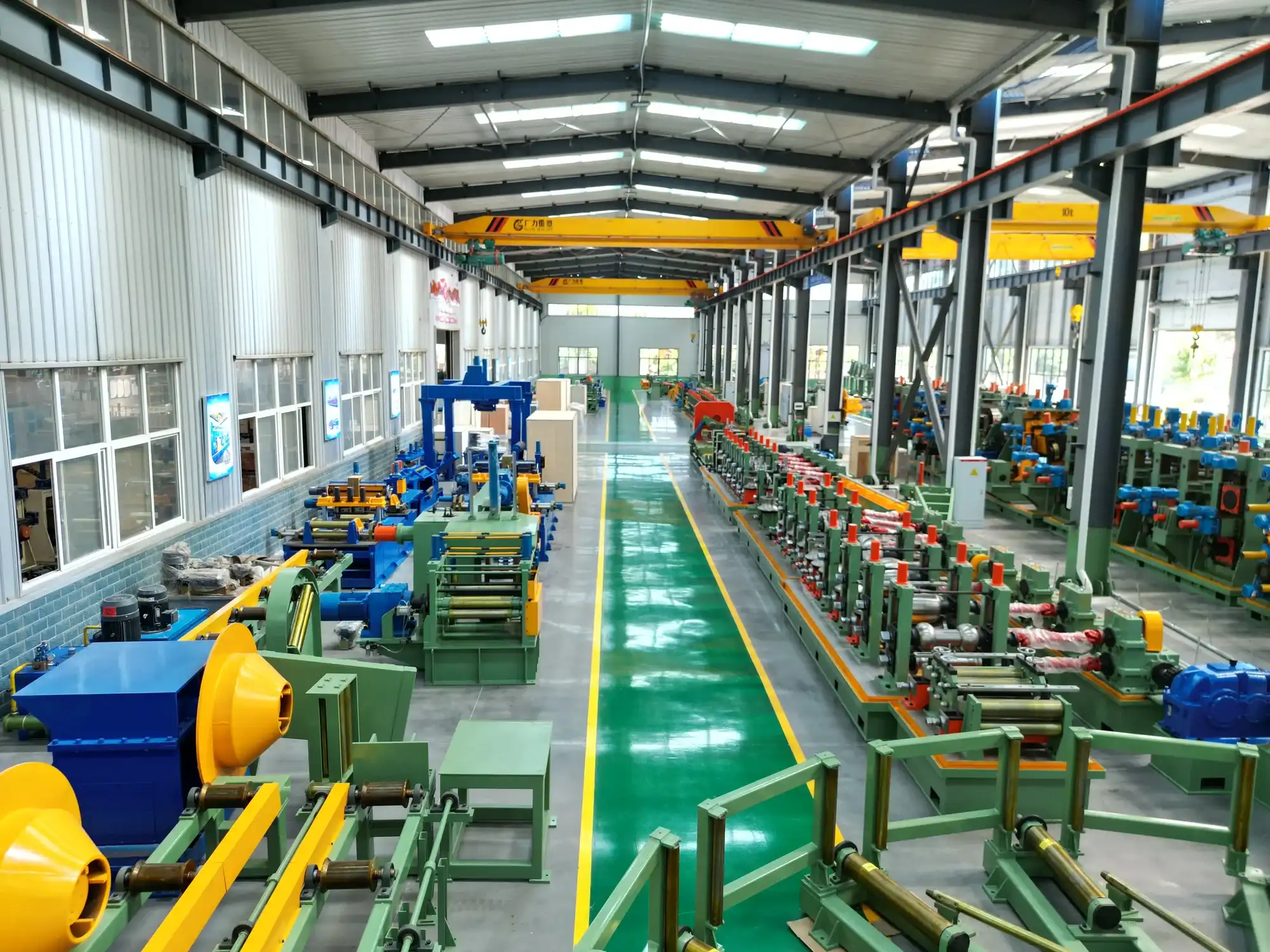
- Manufacture and test runComplete lines are pre-assembled and test-run in the assembly bay before they are broken down for shipment.
- Shipment, commissioning, acceptanceMain units and sub-assemblies are broken down for container shipment. Five engineers are despatched for a forty-day commissioning period, and the line is accepted when two different sizes each run continuously and smoothly for four hours.
Frequently Asked Questions
FAQ 1 — What does Tengtian offer trade partners, and how are the programmes organised?
Certificates are published with their issuing body and certificate number so they can be verified independently — ISO 9001 18524Q11269R2S, CE UDEM M.2022.206.C72171 / C72172 / C72173, and a technical file verified by Ente Certificazione Macchine Srl 0P250616.HTWTT37.
Our trade programmes are set up by product line first and by role second: each equipment family — welded pipe mills, spiral mills, square tube, purlin forming, H-beam, slitting and cut-to-length, coating — has its own dealer or distributor programme, alongside turnkey scope for integrators, wholesale supply and spare-part supply for partners.
FAQ 2 — I am a distributor, an agent or an integrator – which part is for me?
If you resell equipment into your own market, start with the dealer programme for the product line you can support. If you hold or want a territory, the same programme applies, but the conversation is about coverage and continuity rather than a single order.
If you build plants for end users, start with our supply scope and acceptance terms — they define where Tengtian’s scope ends and yours begins, and we send the written scope of supply on request. If you buy to stock or on behalf of a client, our wholesale and importer programme is the shortest route.
FAQ 3 — Do the trade programmes include full technical specifications?
Each line has its own full technical specification, kept separate from our trade programmes, which cover commercial terms and scope. The configuration tiers set out what each tier contains, and we send them on request.
That separation is deliberate — a partner comparing programmes should not have to read a parameter table, and an engineer sizing a mill should not have to read commercial terms.
FAQ 4 — How do I request access to supply-scope and acceptance documents?
Configuration tiers and written scope of supply are sent on request; ask for them through the enquiry channel.
FAQ 5 — Who do I talk to for a technical discussion?
A single named point of contact handles the enquiry and stays with it — the same person holds the delivery schedule, the technical thread and, later, the after-sales history. For anything that needs a drawing or a layout discussed rather than described, a 30-minute technical video call can be booked with an engineer before any commercial conversation.
The engineering team numbers 20 and averages 20 years each.
Apply for a Territory
From the Workshop

Send Your Enquiry
Tell us the pipe outside-diameter range, the wall thickness and the output you need. An engineer reads every enquiry — it does not land in a general sales inbox.