
 Scan on WeChat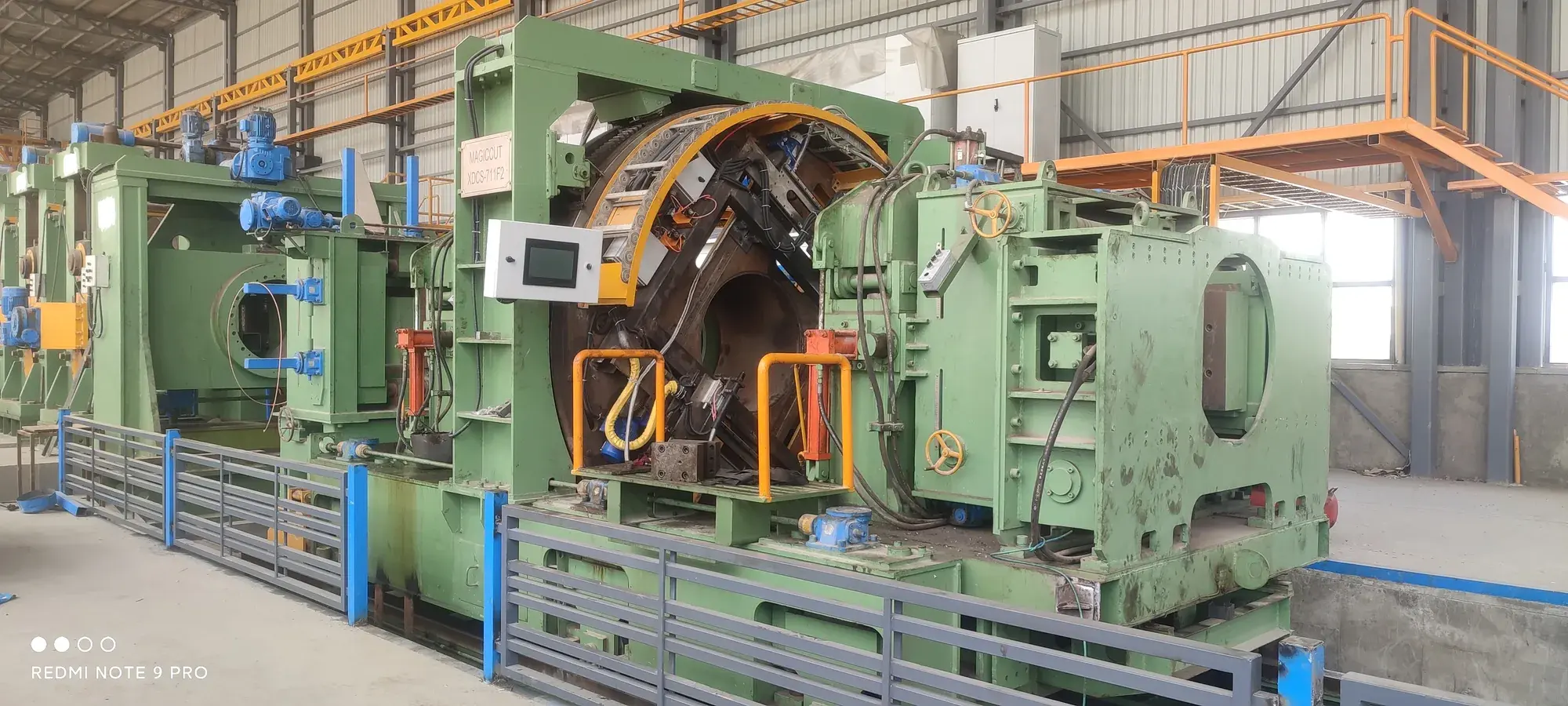
Structural & Scaffolding Tube Production
Home › Pipe Production Applications › Structural & Scaffolding Tube Production
Structural and scaffolding tube is our largest application — it is what most of our delivered lines are making today.
In This Line
Quick Contact
Hebei TengtianYuanle@tentubemill.com
+86-311-83025332
WhatsApp +852 5425 3155
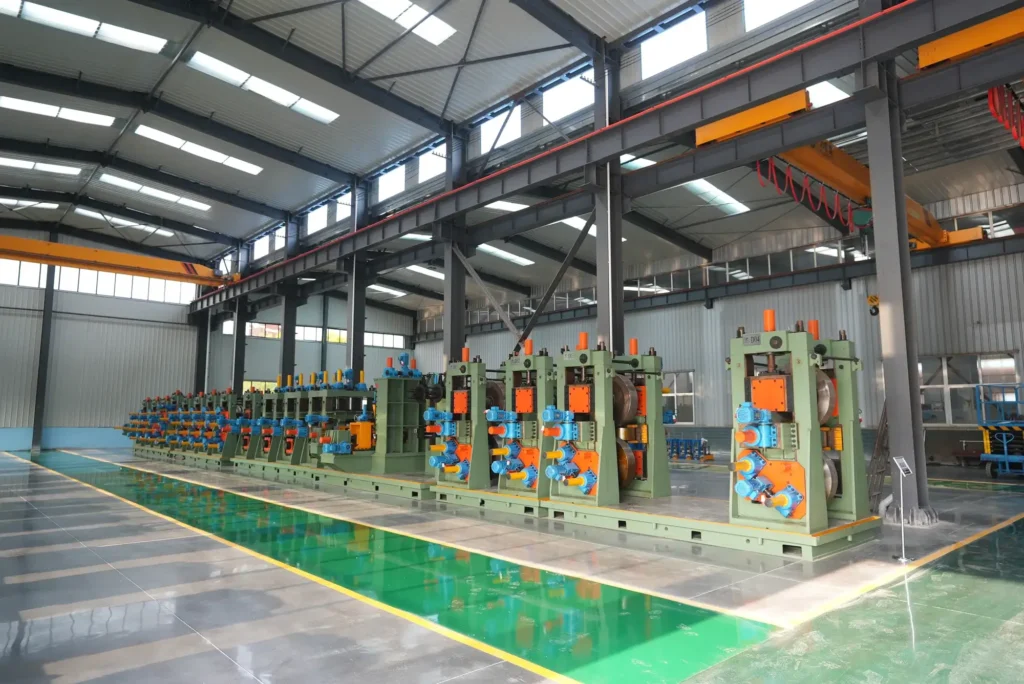
It is produced on high-frequency welded tube mills in round, square and rectangular section, with direct-forming square lines where sizes change often and an H-beam line where the section is a beam rather than a tube.
What Is Structural & Scaffolding Tube Production
Wall thickness, line speed and shift output are confirmed against your pipe size, material grade and cut length at quotation. Send us those three and we will state the figures.
The acceptance criteria are corner definition and straightness on square and rectangular tube, changeover efficiency, and unit electricity consumption.
The users are the section plant’s operators and inspectors; the beneficiaries are builders, steel structure fabricators and scaffolding suppliers.
At company level the same application appears in the downstream category list as structural and scaffolding, one of six.
What that application asks of the machine is different from what fluid pipe asks. It needs flexible specification changes, stable forming quality on square and rectangular section, and good appearance and straightness.
Target Pipe Sizes and Wall Thickness for This Application
High-frequency welded tube mill. Twelve steps HG32 to HG630, finished outside diameter Φ10 to Φ630 mm, wall 0.5 to 16 mm across the family. Three equipment envelopes are relevant here, and they are three different machines.
Round, square and rectangular section on most steps.
Direct forming square tube mill. Finished section 30 × 30 mm to 500 × 500 mm, wall 1.5 to 13 mm by step, one combined mould covering multiple sizes with a servo adjustment instead of a roll change.
H-beam production line. Not a tube at all: welded H-beam to GOST R 58966-2020, beam height 147 to 450 mm, flange width 80 to 350 mm, web and flange thickness 4 to 16 mm with 20 mm as an option, across GOST grades С255 to С440 and Powerweld 420 and 460, from low-carbon and low-alloy hot-rolled strip of 235 to 590 MPa.
| Mill step | Finished outside diameter | Wall thickness | Welder power |
|---|---|---|---|
| HG32 | Φ10–32 mm | 0.5–1.5 mm | 150 kW |
| HG50 | Φ16–50.8 mm | 0.8–2.0 mm | 200 kW |
| HG76 | Φ12.7–76 mm | 1.5–3.0 mm | 250 kW |
| HG89 | Φ32–89 mm | 1.0–4.0 mm | 300 kW |
| HG114 | Φ45–114 mm | 1.5–5.0 mm | 300 kW |
| HG165 | Φ60–165 mm | 3.0–7.0 mm | 400 kW |
| HG219 | Φ114–219 mm | 4.0–8.0 mm | 500 kW |
| HG273 | Φ114–273 mm | 4.0–10.0 mm | 600 kW |
| HG325 | Φ165–325 mm | 4.0–10.0 mm | 600 kW |
| HG426 | Φ165–426 mm | 4.0–10.0 mm | 800 kW |
| HG508 | Φ219–508 mm | 4.0–16.0 mm | 1000 kW |
| HG630 | Φ325–630 mm | 4.0–16.0 mm | 1500 kW |
Mill Model Selection Criteria and the Welder Power Band
| Item | Value |
|---|---|
| HFW HG32 / HG630 | 150 kW / 1500 kW |
The H-Beam Line
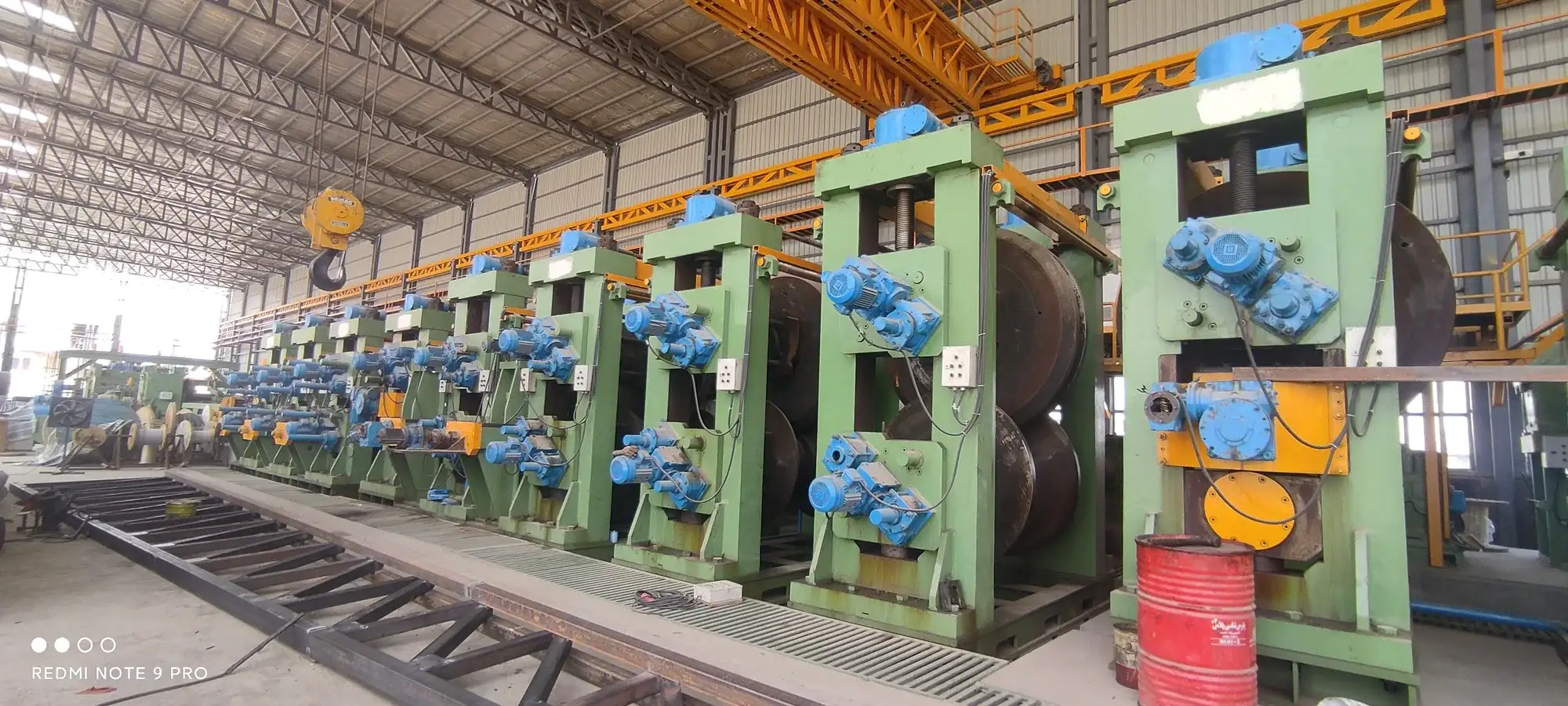
The line produces welded H-beam by high-frequency welding to GOST R 58966-2020, with beam height 147 to 450 mm, flange width 80 to 350 mm, and web and flange thickness 4 to 16 mm with 20 mm available. Structural work is the one application where our answer is sometimes not a tube at all, so our H-beam line is included.
Raw material is hot-rolled strip in slit coil, low-carbon and low-alloy, with grades from 235 to 590 MPa covering С255, С345, С375, С390, С440 and Powerweld 420 and 460. Annual capacity is not less than 100,000 tonnes. Compared with hot-rolled H-beam, the advantage is specification flexibility and small-batch multi-specification production.
Two Forming Routes for Square Section
The consequences of the direct route are fewer forming passes, fewer roll changes, point contact that reduces roll wear, and roll saving above 90%. There is one exception: making 100 × 100 mm tube needs the upper roll on the final open stand changed.
Because square and rectangular section dominates structural work, the choice between the two forming routes is the key decision.
The target for the direct route is a plant switching frequently across the 30 × 30 to 500 × 500 range, with roll consumption cost and changeover downtime as the pain. Slow changeover and high roll cost on existing equipment are also a reason buyers change supplier entirely.
Conventional roll forming reaches square section by forming a round tube, welding it, and sizing it down to square. Direct forming brings the strip to the square section without that intermediate stage, using one combined mould so that a size change is a servo adjustment rather than a roll change.
What Decides Corner Quality and Straightness
Sizing and straightening set final dimension and straightness, with oversize, bow and ovality as the failures. Squeeze amount and seam alignment govern the weld itself, with seam offset, mismatch and flash as the failures.
Control stability closes the loop: PLC and variable-frequency control unify the takt across forming, welding, sizing and cutting, and instability shows up as speed fluctuation and cut-length error.
Forming and sizing rolls are the parts that most determine shape accuracy, roundness and squareness, surface corner lines and dimensional consistency, with roll material and heat treatment as the governing input; under-specified rolls produce early wear, diameter drift, crooked corner lines and frequent re-machining on size changes.
Scaffolding Is Where Consistency Beats Capability
Scaffolding tube is bought by the tonne against a repeated specification, which inverts the usual selection emphasis: the binding requirement is that every batch is the same, not that the machine can reach an impressive diameter.
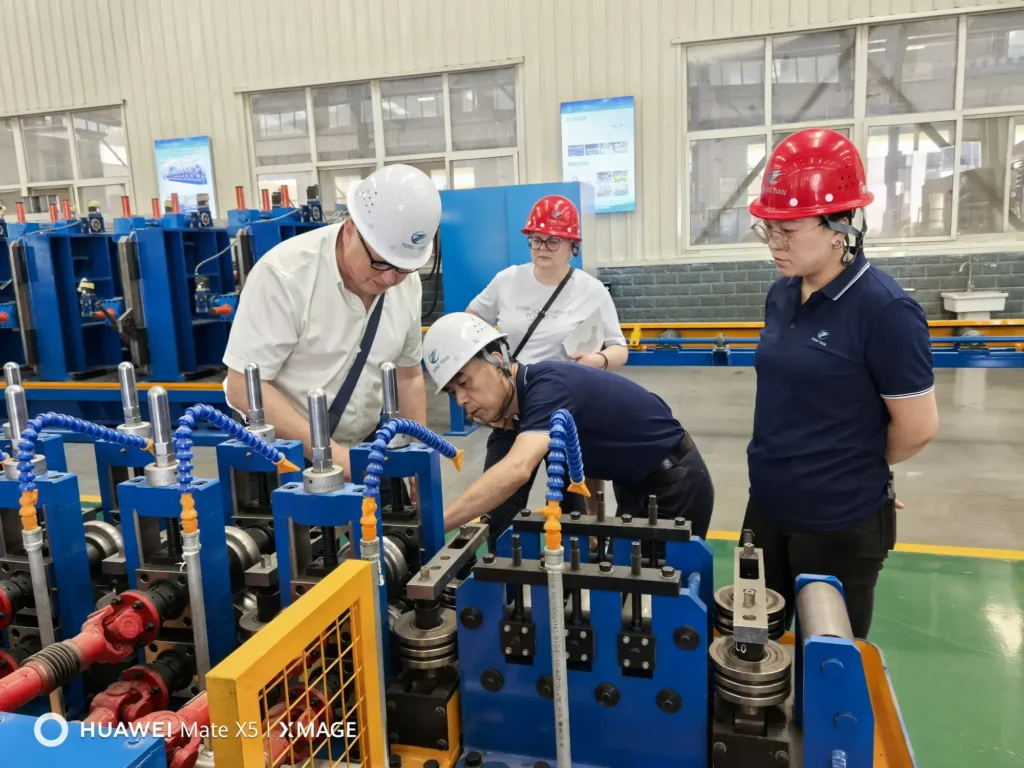
Operator setup and quick tooling change are what reduces scrap on a size change, and the size-setting step itself is one of the three operating steps that require training rather than ordinary skill.
Stable, low-fault operation of a first line is what drives a repeat or add-on order at all — which for a scaffolding producer running one plant is usually the second line rather than a different supplier.
Spec-change consistency is a quality dimension in its own right, with drift after a size change producing batch-to-batch dimensional variation, mitigated on the equipment side by tooling change without roll change and by servo positioning, and on the customer side by a disciplined changeover procedure.
Who Buys for Structural Work
Large energy and infrastructure groups: buying against technical standards and delivery dates, with an engineering or procurement committee deciding — the profile most likely to be behind a GOST H-beam requirement.
Regional pipe and section makers: small to mid-sized, building or expanding, judging on payback, changeover efficiency, yield and energy cost; the decision sits with the plant owner or equipment manager.
Turnkey and engineering integrators: buying full-plant integration for an end customer, judging on customisation capability, on-site dispatch and whole-process cooperation, with a project or technical lead deciding.
The delivery position is the same across all three: 50 to 90 days, plant-level customisation from our own manufacturing base, knocked-down container shipment with precision parts crated and heavy frames braced, installation and commissioning included with engineers dispatched on site.
Three profiles arrive at this application from different directions.
Applicable Standards and Inspection Requirements
GOST R 58966-2020 — the Russian welded H-beam standard, mandatory for Russian and CIS H-beam orders, and it covers multiple GOST steel grades. Our H-beam production line is built to produce beams to this standard. It applies to the beam, not the tube.
On inspection: an ordinary high-frequency welded line carries no in-line NDT, with final inspection as the catching step. Structural tube acceptance is in terms of corner definition, straightness and appearance rather than in terms of a test chain.
The consequence of not having it is exclusion from Russian-standard H-beam projects.
Worked Output Example
- Line speed — confirmed at quotation for the chosen line
- Shift or annual output — H-beam line: annual capacity of not less than 100,000 tonnes.
- Material yield — family-level design figure above 93% on the welded tube family, with actual yield also depending on the plant’s operation.
Scaffolding tube making machine
Scaffolding tube is made on our high-frequency welded lines rather than on a separate machine. It is one of the products of the high-frequency welded family, made in round or square section, and the machine is chosen by the diameter and section the plant intends to produce and by how often it changes size.
Structural steel tube mill
For structural section specifically, the acceptance criteria are the ones to design the line around: corner definition and straightness on square and rectangular tube, changeover efficiency, and unit electricity consumption. Two of those three point at the forming route, which is why the direct-forming square line is included.
Field Evidence for This Application
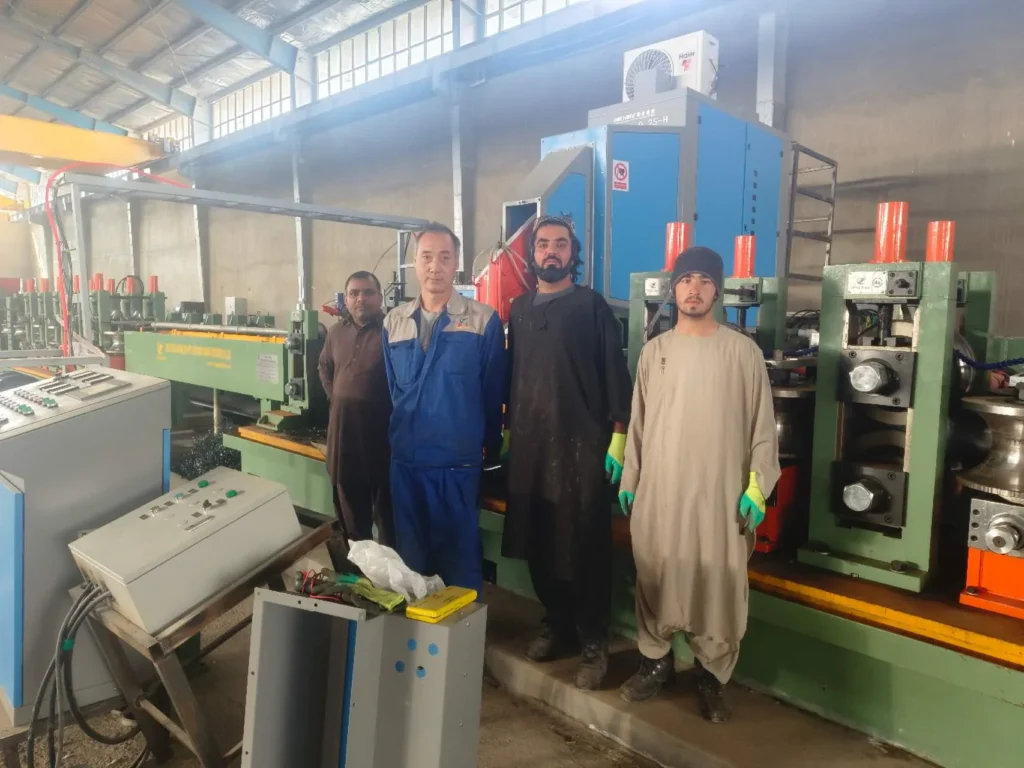
Square and rectangular sections among them include 250 × 250 in Afghanistan, 200 × 200 × 12 and 254 × 8 in South Korea, 150 × 150 × 6 in Kenya, 200 × 200 in Turkey and 150 × 150 in Italy.
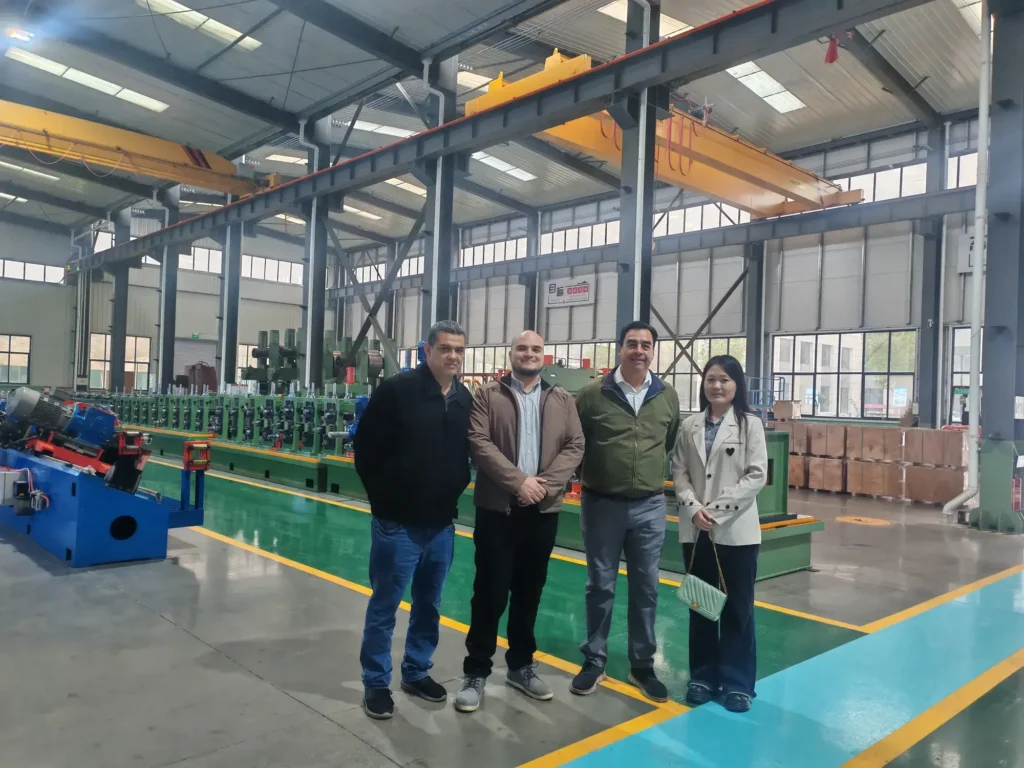
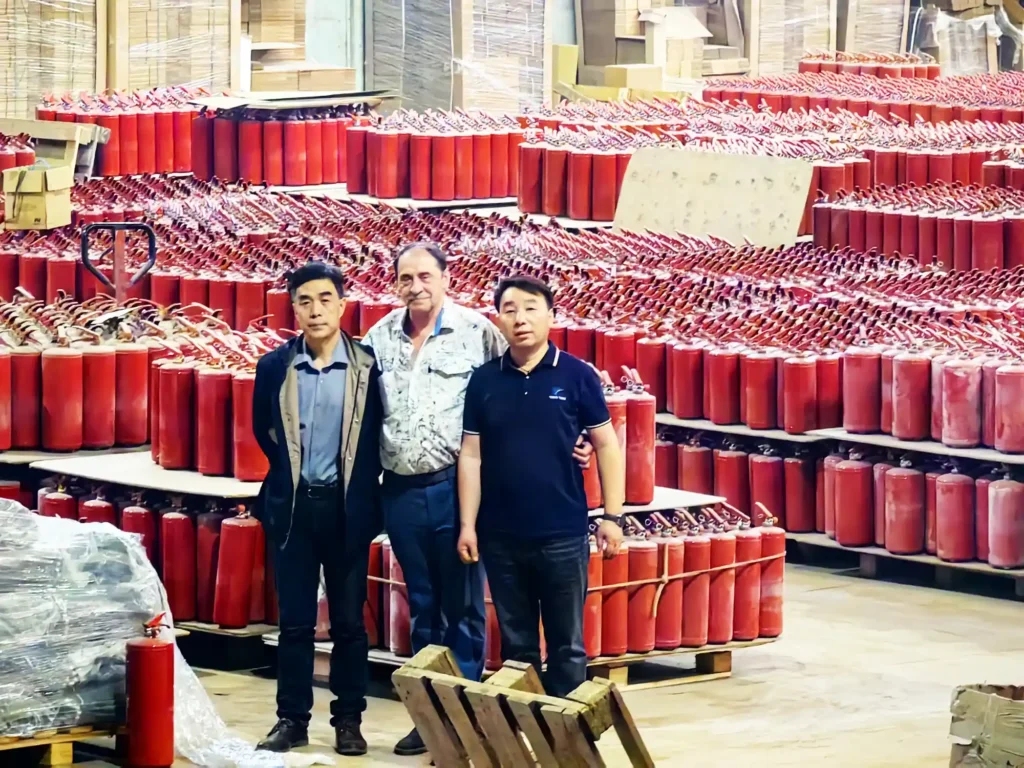
Structural work accounts for most of our reference deliveries.
Round sections include HG165 × 6 in Russia, 165 × 6 in Thailand, 127 × 6 in Pakistan and Mexico, HG114 × 4 in Mexico, HG127 × 3 in Uzbekistan, HG168 × 5 in Kyrgyzstan, 89 × 5 in Sri Lanka, HG76 × 3 in Egypt, 76 × 3 in India and 165 × 5 in Afghanistan.
From the Workshop

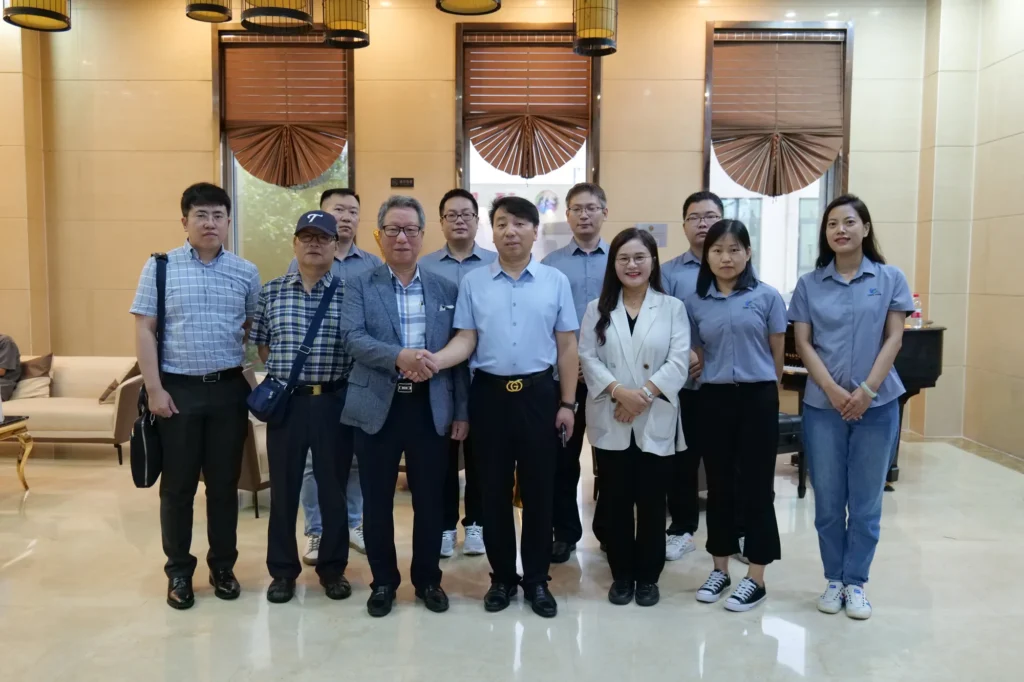
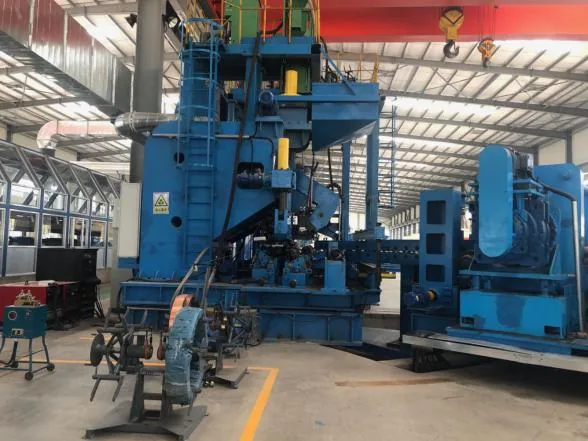 Water Supply, Drainage & Urban Gas Pipe Production Lines
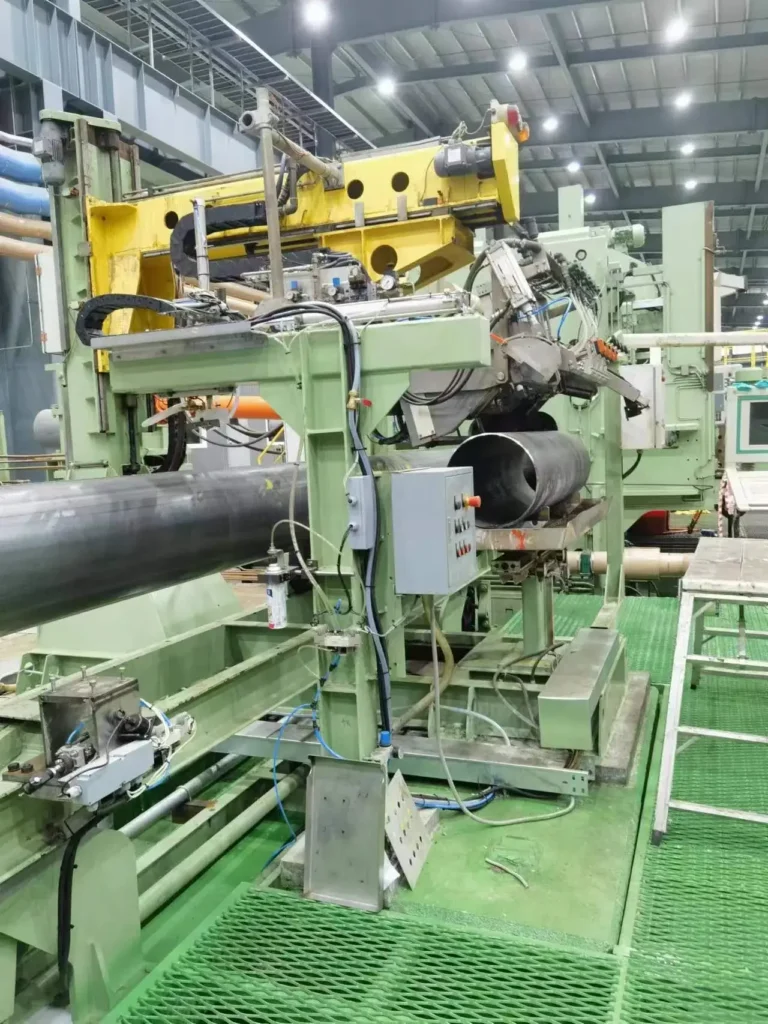 Oil & Gas Line Pipe Mill
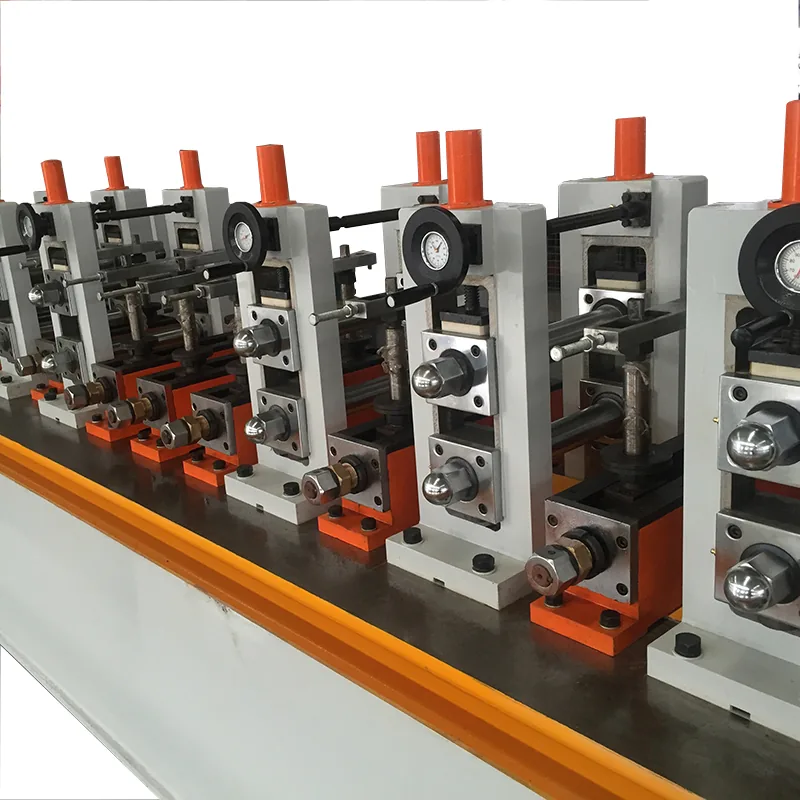 Furniture & Fence Tube Production
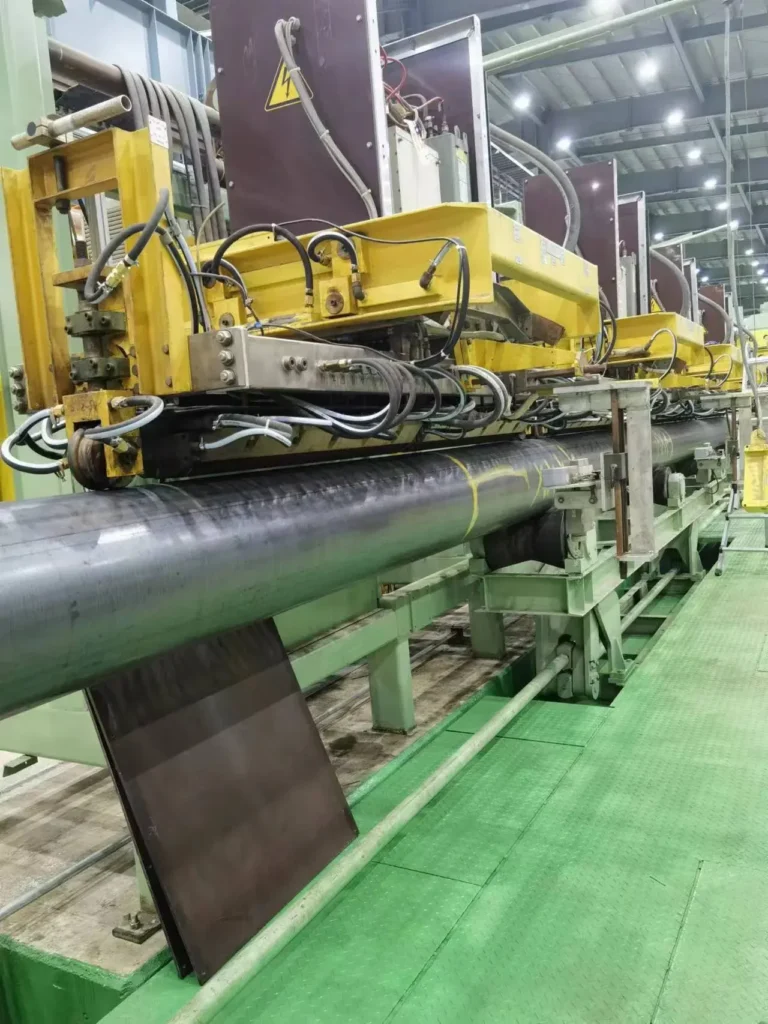 The API Pipe Mill Inspection Chain
Send Your Enquiry
Tell us the pipe outside-diameter range, the wall thickness and the output you need. An engineer reads every enquiry — it does not land in a general sales inbox.