 Scan on WeChat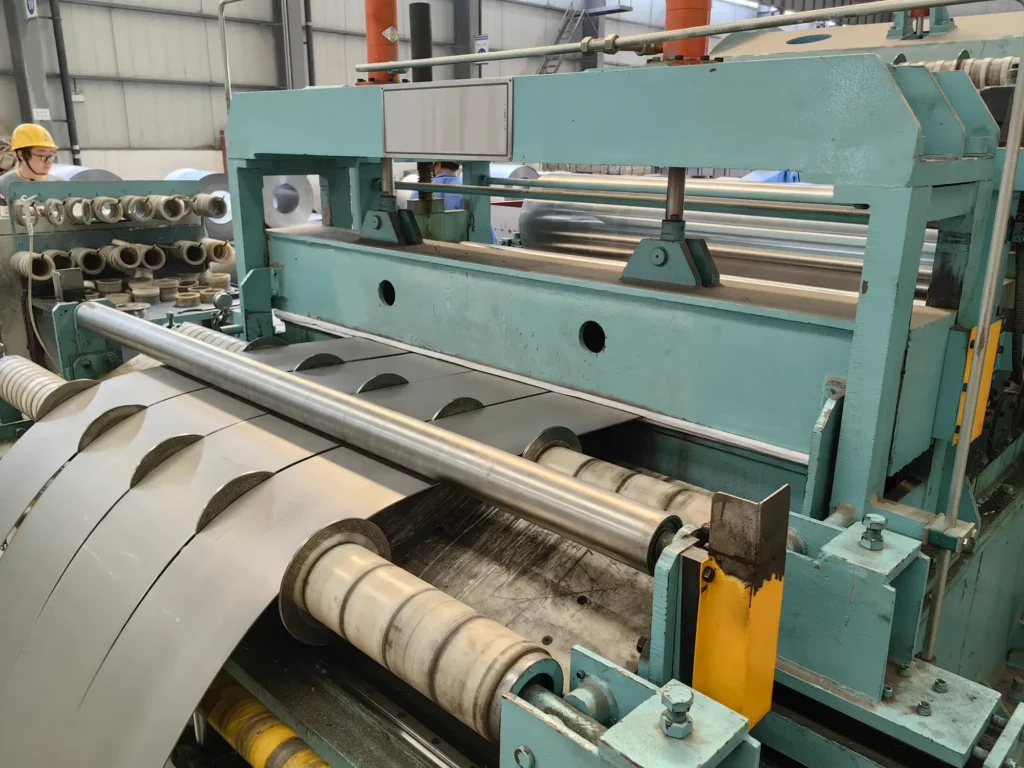
Cut-to-Length Line
A cut-to-length line takes a wide coil, uncoils it, levels it and cuts it to length, so that a downstream mill or press gets flat blanks of a known size instead of a coil.
In This Line
Quick Contact
Hebei TengtianYuanle@tentubemill.com
+86-311-83025332
WhatsApp +852 5425 3155
A cut-to-length line uncoils, levels and cuts steel coil into fixed-length sheet. On Tengtian equipment it is one of the two operating modes of a single slitting and cut-to-length line, which handles strip 1 to 12 mm thick and 800 to 2000 mm wide with coil weight up to 32 tonnes.
On our equipment it is one of the two operating modes of the same slitting and cut-to-length line — the other being longitudinal slitting into narrow strip — and that single fact shapes almost everything about how it is specified.
 Cut-to-Length AccuracyIts purpose is upstream preparation: it exists to give a downstream tube mill or forming line coil of the correct width, edge condition and length.See the line →
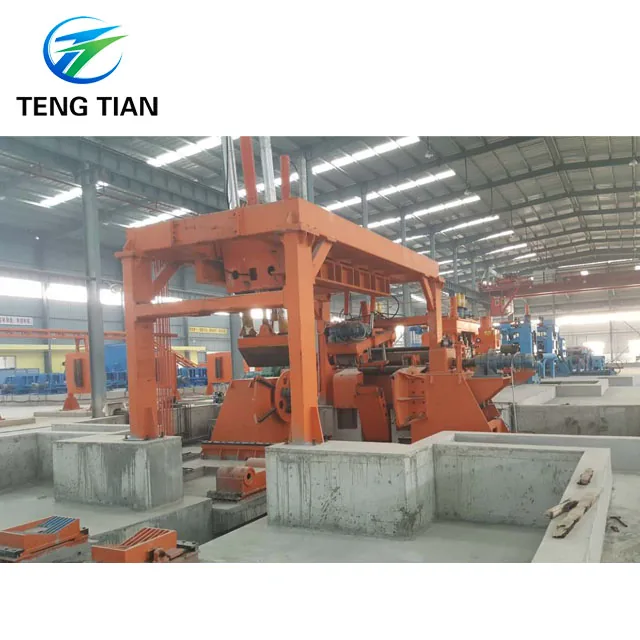 Steel Coil Cutting MachineA steel coil cutting machine is one line running in either of two modes: it slits wide coil into narrow coil, or it cuts coil to length into sheet.See the line →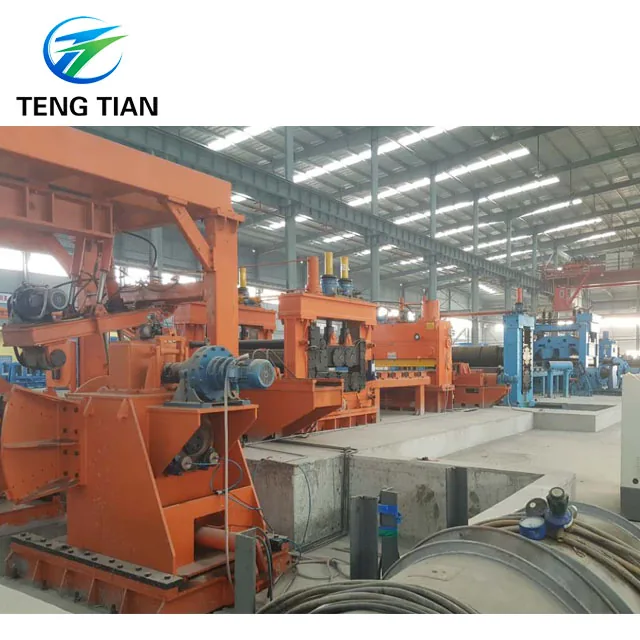
What Is a Cut-to-Length Line?
It handles strip 1–12 mm thick and 800–2000 mm wide, with coil weight up to 32 tonnes. Line speed and output are confirmed against your coil width, material thickness and target strip width at quotation. Send us those three and we will state the figures.
Its position in a plant is upstream: it exists to solve the problem that the incoming coil is the wrong width, has a bad edge, or is not cut to the length the next process needs. That is its core purpose, and two tolerances define whether the job was done properly — slit width to ±0.2 mm and camber no more than 0.5 mm per 1000 mm.
Two operating modes are on one line: longitudinal slitting into strips, and cut-to-length transverse shearing into sheet. They are the two working modes of the slitting and cut-to-length line, not two machines.
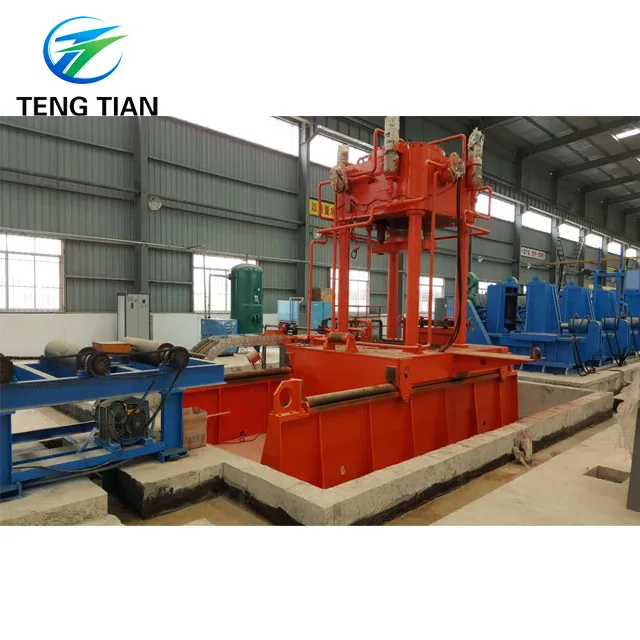
Cut-to-Length Line — Range, Configuration and Output
Material window. Thickness 1–12 mm, width 800–2000 mm, coil weight up to 32 t. These are the line’s material limits and they apply to both operating modes, because it is one line.
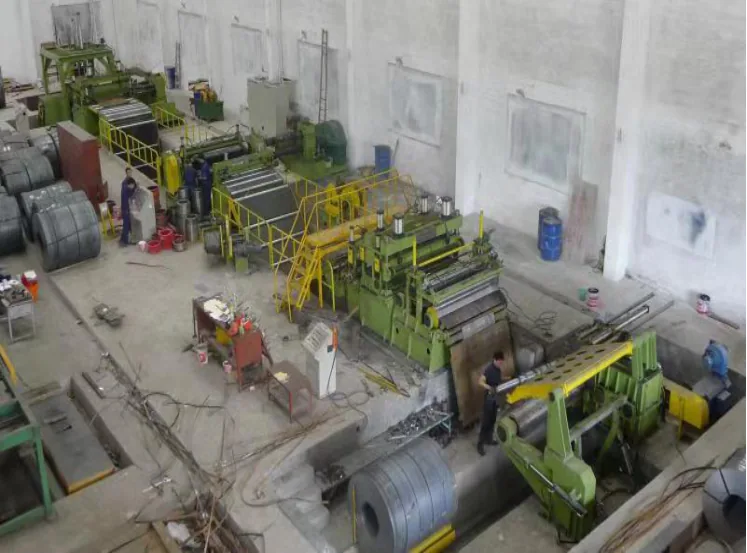
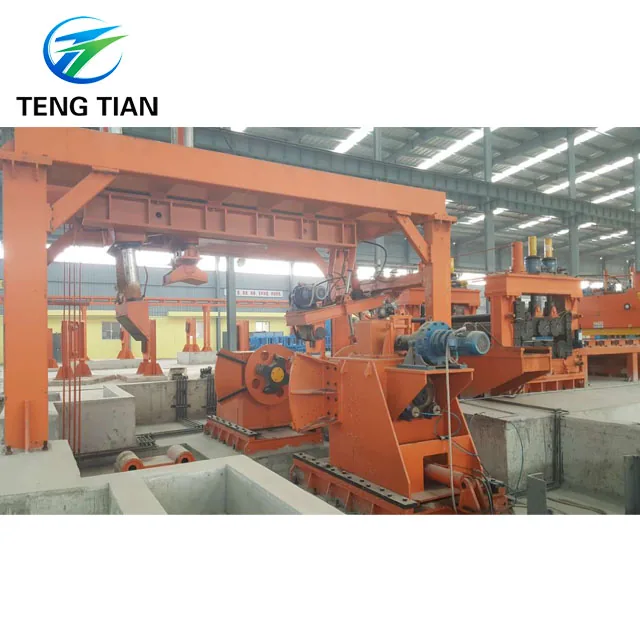
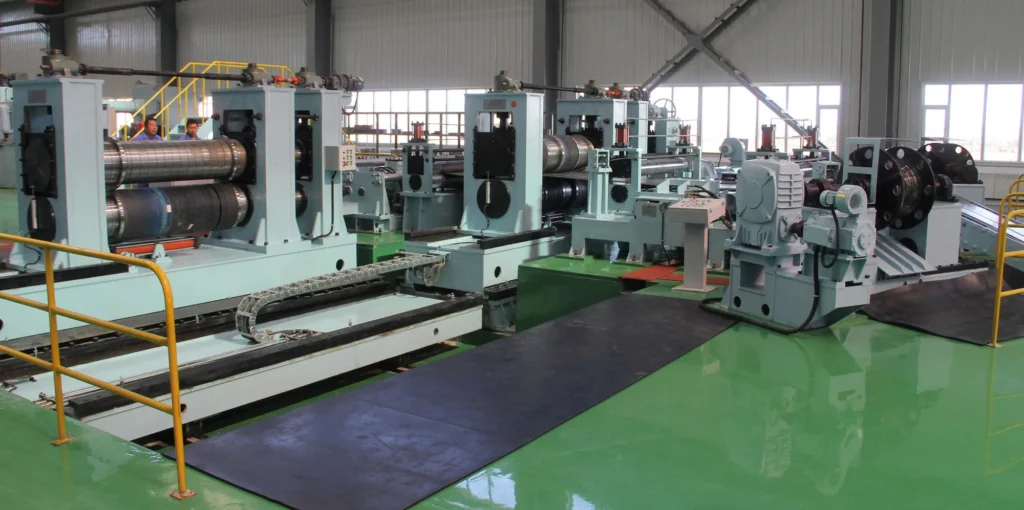
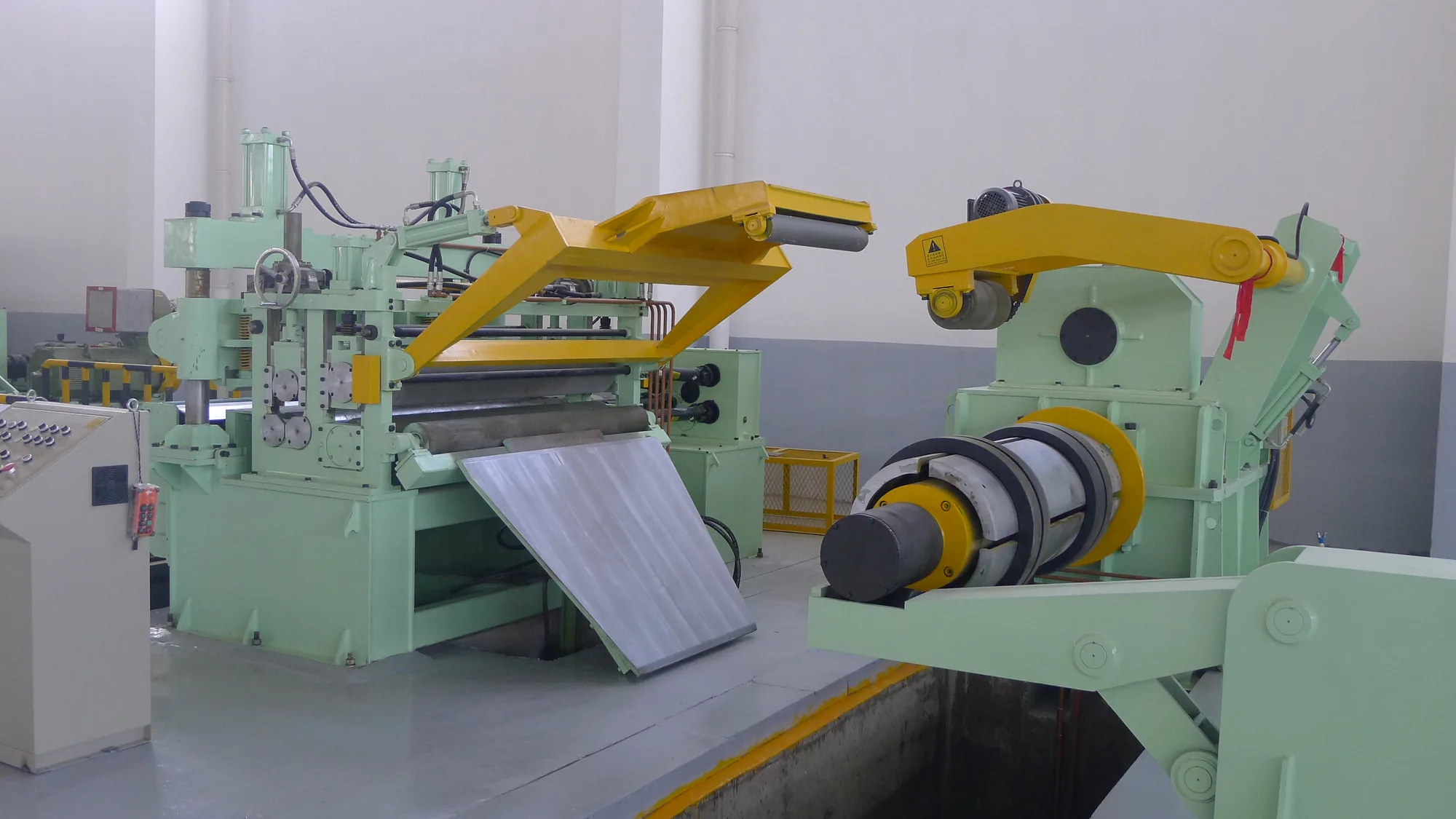
Main units. A double-head uncoiler, the slitter and a 32-tonne recoiler form the main train. Around them sit the hydraulic shear, the looper for material storage, and the tension and separator mechanism that keeps strip quality through the recoil.
Process flow. Coil loading, uncoiling, levelling, hydraulic shearing, slitting or transverse cutting, scrap-edge winding, looper, separation, tension, recoiling. This flow determines width accuracy and edge quality, and poor knife setup, tension or looper control shows up as out-of-tolerance width, camber and telescoping.
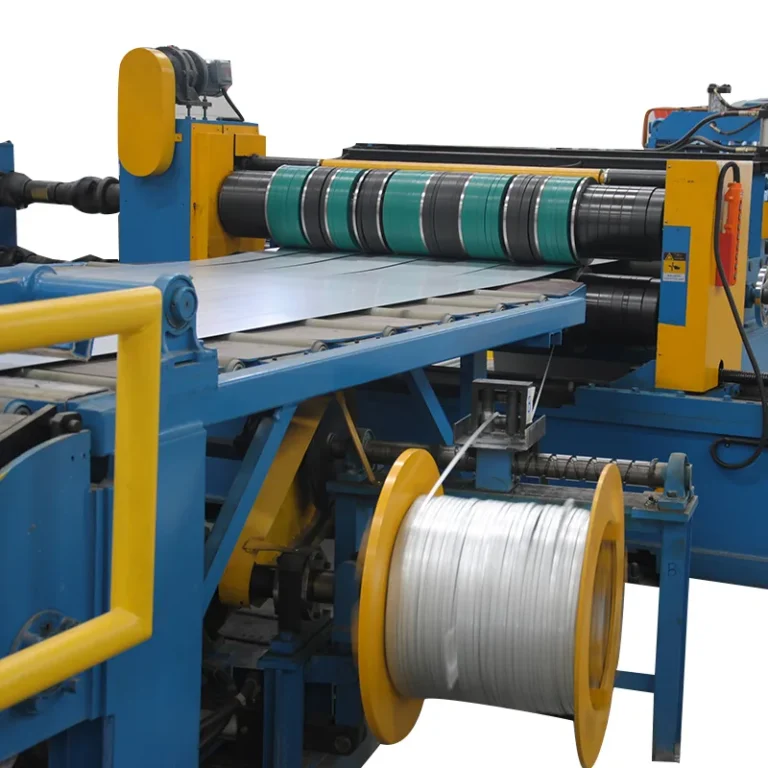
Tooling. Slitting knives, spacers, rubber sleeves and separator discs are configured per strip thickness — about fifteen strips at 2 mm, four strips at 8 mm — and they are what hold ±0.2 mm width and burr within 4% of thickness.
Output quality. Tension, looper and recoil control hold camber and limit telescoping to within ±10 mm.
Key Parameters: Coil Width, Strip Thickness, Line Speed
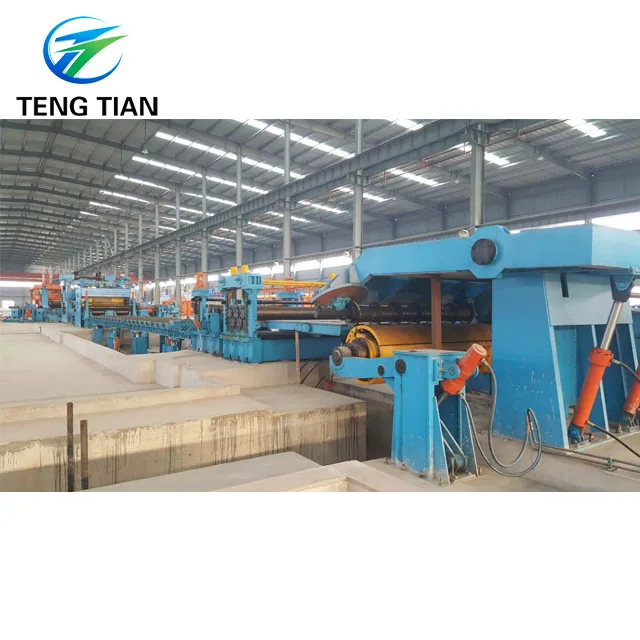
How Width Accuracy Is Actually Produced
Knives, spacers, rubber sleeves and separator discs are assembled into a stack whose geometry determines slit width, and the number of strips that stack can carry falls as thickness rises — roughly fifteen strips at 2 mm down to about four at 8 mm. Width tolerance on a slitting line is not a property of the machine frame; it is produced by the knife set and held by the tension chain.
The knife set is built for the thickness being run.
Clearance is the other half of the same setting. Knife setup and clearance per material thickness is the process control that holds ±0.2 mm and keeps burr low, and getting it wrong produces exactly the two defects a downstream tube mill will reject the coil for.
Then the strip has to survive the trip to the recoiler. Tension, looper and recoil control are what suppresses camber and keeps telescoping within ±10 mm; loss of control there shows up as a coil that measures correctly on the slitter and still cannot be run downstream.
That chain is why the acceptance criteria a buyer applies are these four — slit width accuracy, camber, burr, and telescoping control on the recoil — rather than a single headline number.
When the knives or spacers are worn, or the stack is wrongly configured, the consequences are width out of tolerance, heavy burr and camber.
What This Line Does Not Do
Unlike the welded pipe lines, this is not a welding line. There is no seam, no welder, no weld heat-affected zone, and therefore no weld inspection requirement.
That has a practical consequence for standards. The acceptance criteria for this line are dimensional and geometric — width, camber, burr, telescoping — and they are agreed between the supplier and the buyer for the coil being produced.
Scrap Edge, Looper and the Parts That Get Forgotten
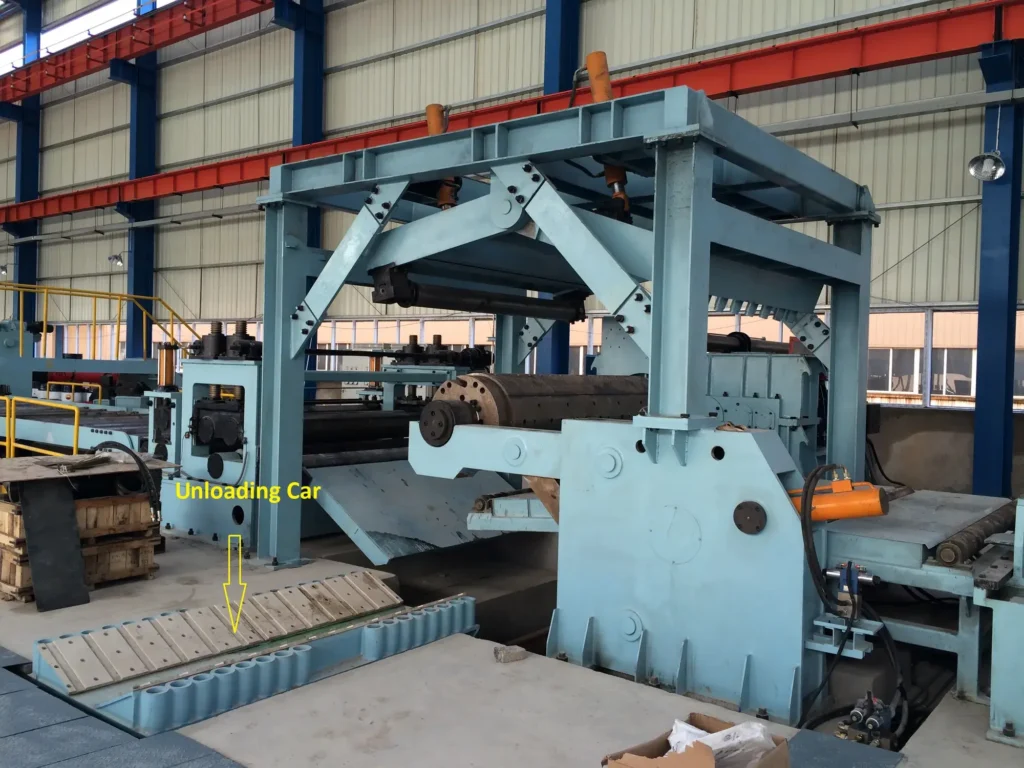
The main train behind them is the double-head uncoiler, the slitter and the 32-tonne recoiler, and if the main machine lacks accuracy, width and coil shape go out of tolerance together.
The scrap-edge winder takes the trimmed edges away from the knife stack; the looper stores material so that the uncoiler side and the recoiler do not have to run at the same instantaneous speed; and the tension and separator mechanism keeps the strips apart and under even pull as they arrive at the recoiler.
The hydraulic shear sits ahead of all of that, squaring the coil head and tail so that the strip entering the knives is straight.
Three mechanisms in the flow do not appear in a specification sheet but decide whether the line runs continuously.
Who Buys This Line and What They Are Solving
For a plant like that, an upstream slitting line is bought to stop paying a service centre for narrow coil, and the payback argument is made in coil metres, not in machine specifications.
There is also a second, quieter reason: buyers expanding an existing plant tend to order from the same supplier for compatibility, which is why an upstream line and a downstream mill are often quoted together.
The users are the shearing-line operators and inspectors; the beneficiaries are the welded pipe plants, forming plants and steel service centres downstream. The problem it solves is incoming coil whose width, edge condition or length does not match what the next process needs.
Delivery, Assembly and What Is Included
Delivery time is 50 to 90 days, with plant-level customisation scheduled from our own manufacturing base, and installation and commissioning included with on-site dispatch and round-the-clock online support after handover.
The trade-off: container utilisation is high and sea freight is controllable, but the line has to be re-assembled and commissioned on site.
Export delivery is knocked-down in containers. Main units and sub-assemblies are broken into modules, bare frames are braced and fixed, precision and fast-wearing parts — electrical cabinets, tooling, cutters — are crated with moisture protection, and a spare-parts pack travels with the shipment.
How to Choose the Right Model
Start from the incoming coil, not the outgoing part. Thickness, width and coil weight are the line’s hard limits: 1–12 mm, 800–2000 mm, up to 32 t. Sizing this line is a coil question before it is a machine question. Start with three checks.
A coil outside that window is not a configuration option.
Then decide which mode dominates. If most of the work is feeding narrow strip to a tube mill, the knife set and the tension-looper-recoil chain are what you are really buying, and the tolerances that matter are width, camber, burr and telescoping. If most of the work is producing sheet, the governing figures are the cut-to-length ones, and we confirm them against your cut length and material grade at quotation.
Then check what the downstream process actually needs. The buyers are pipe mills, forming plants and steel service centres, and they judge the line on slit width accuracy, camber, burr and telescoping control on the recoil.
Scope of Supply, Installation and Commissioning
If you are looking for a cut-to-length machine for steel coil, it is the transverse-cutting mode of the slitting and cut-to-length line. It accepts coil 1–12 mm thick and 800–2000 mm wide, up to 32 t, and length-side performance figures are confirmed against your cut length at quotation.
Installation and commissioning are included, with engineers dispatched on site and online support after handover.
Cut to length machine for steel coil
The line ships knocked down in containers, with main units broken into modules, bare frames braced and precision parts crated with moisture protection; a spare-parts pack including tooling travels with it, and re-assembly and commissioning on site is part of the service.
What Changes Between the Two Operating Modes
| Operating Mode | Output | Quality-Determining Unit | Value |
|---|---|---|---|
| Slitting | Narrow coil | Blade + spacer + rubber sleeve + separator disc, tension/looper/recoiler | ±0.2 mm / Burr ≤4% / Camber ≤±10 mm |
Line Photos from the Works
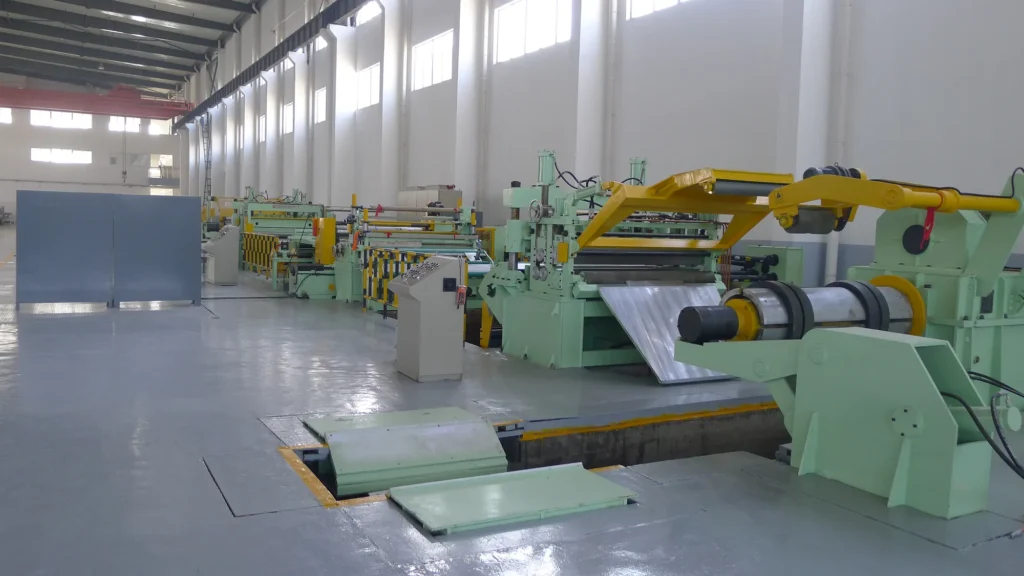
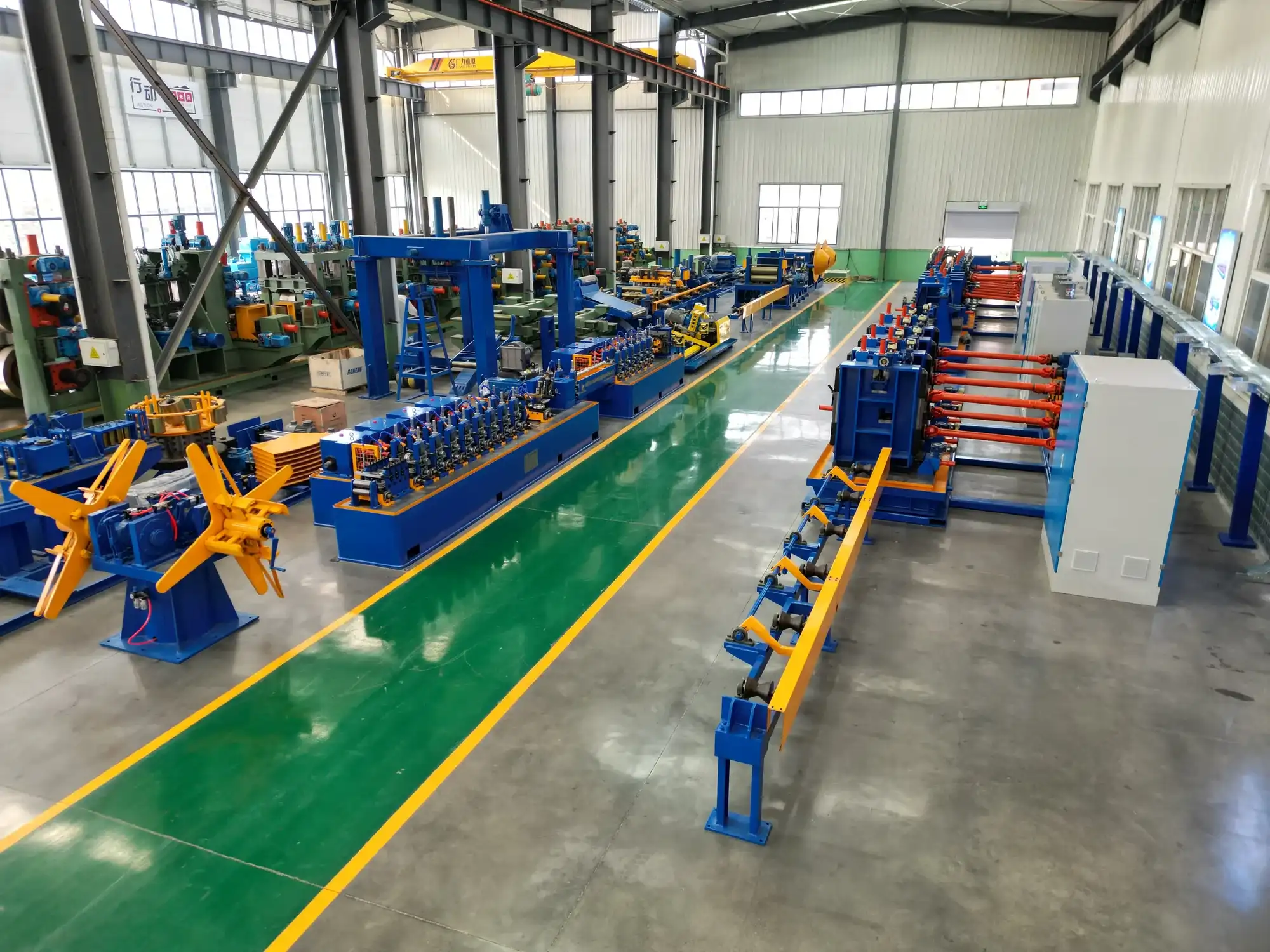
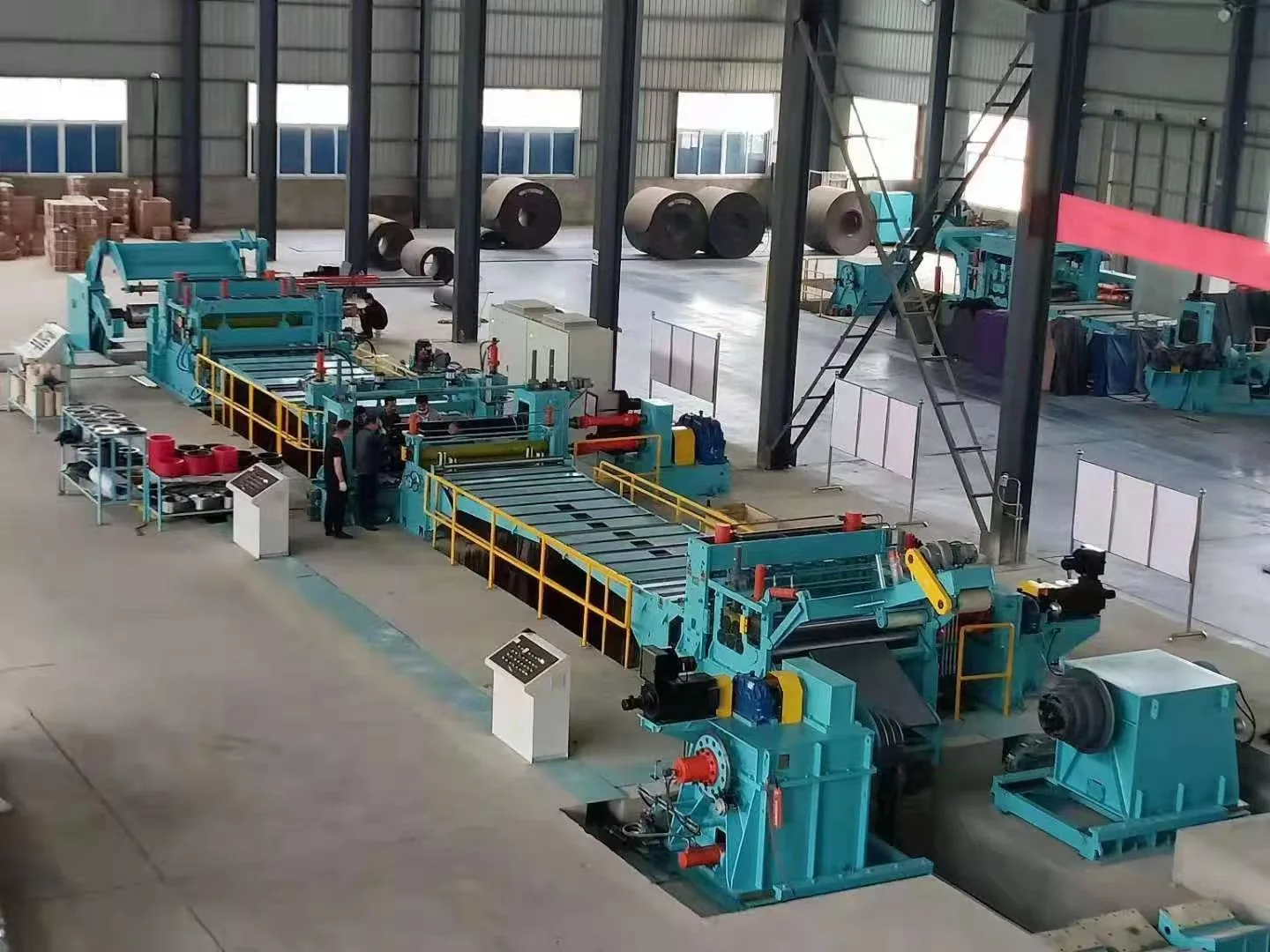
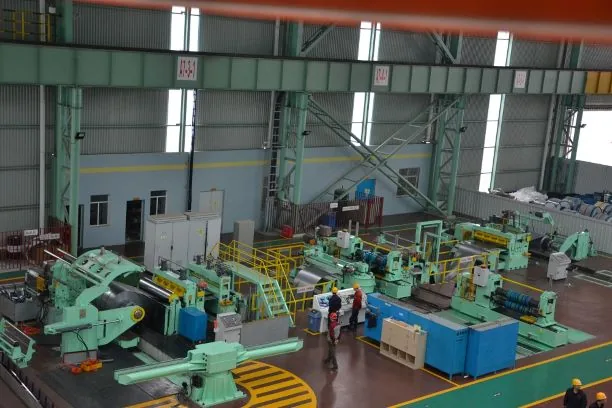
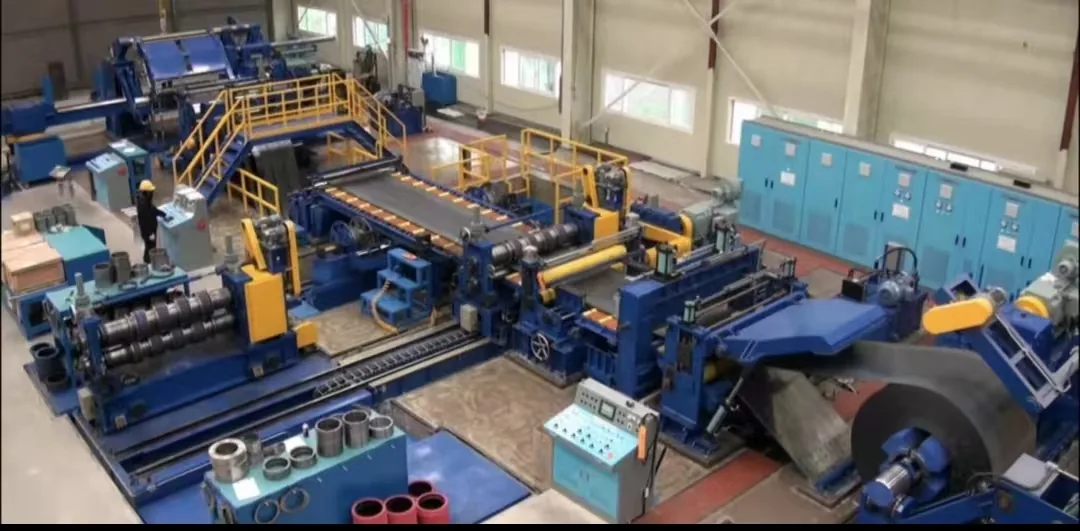
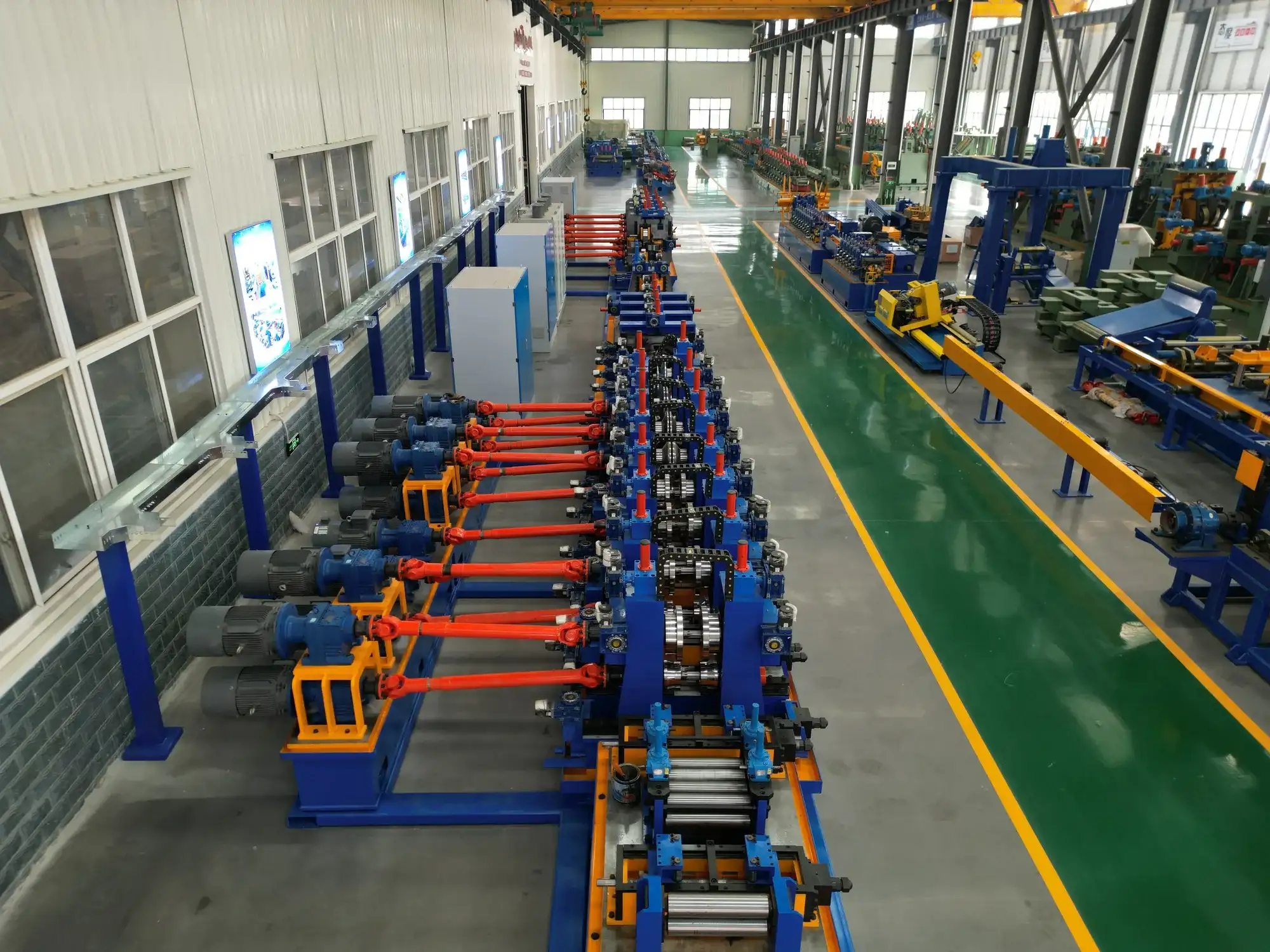
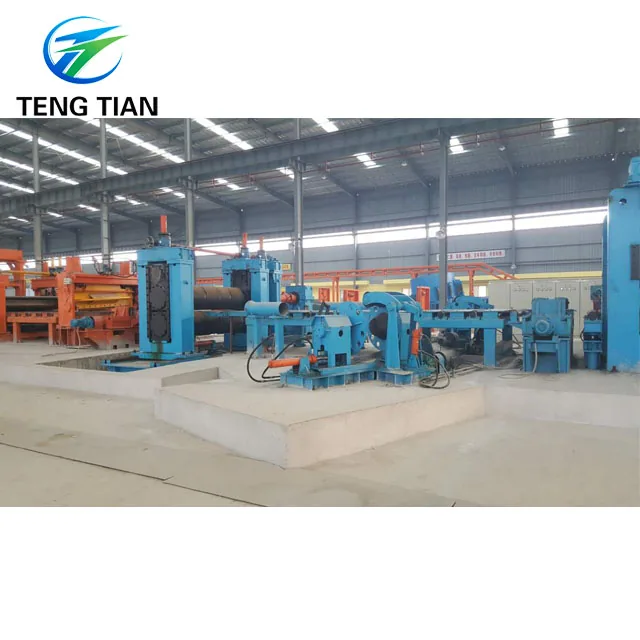
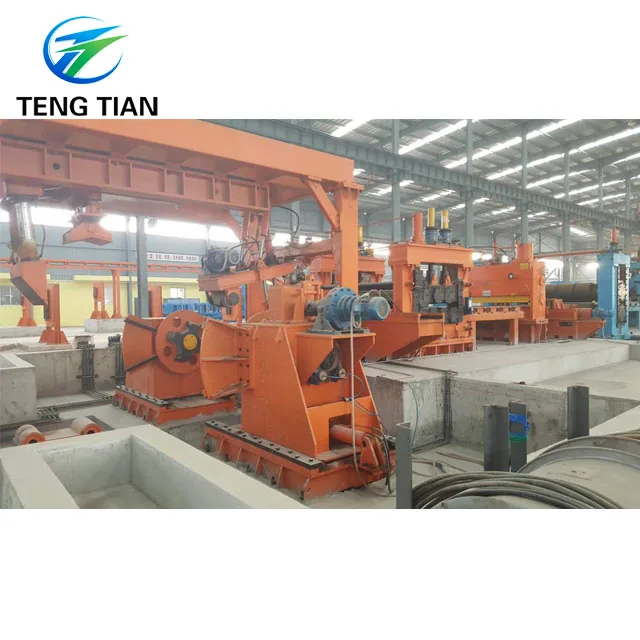
Eight photographs of this line, taken in our own workshop. Click any photo for the full-size image.
More from this line
More on this line — specifications, model steps and photographs.
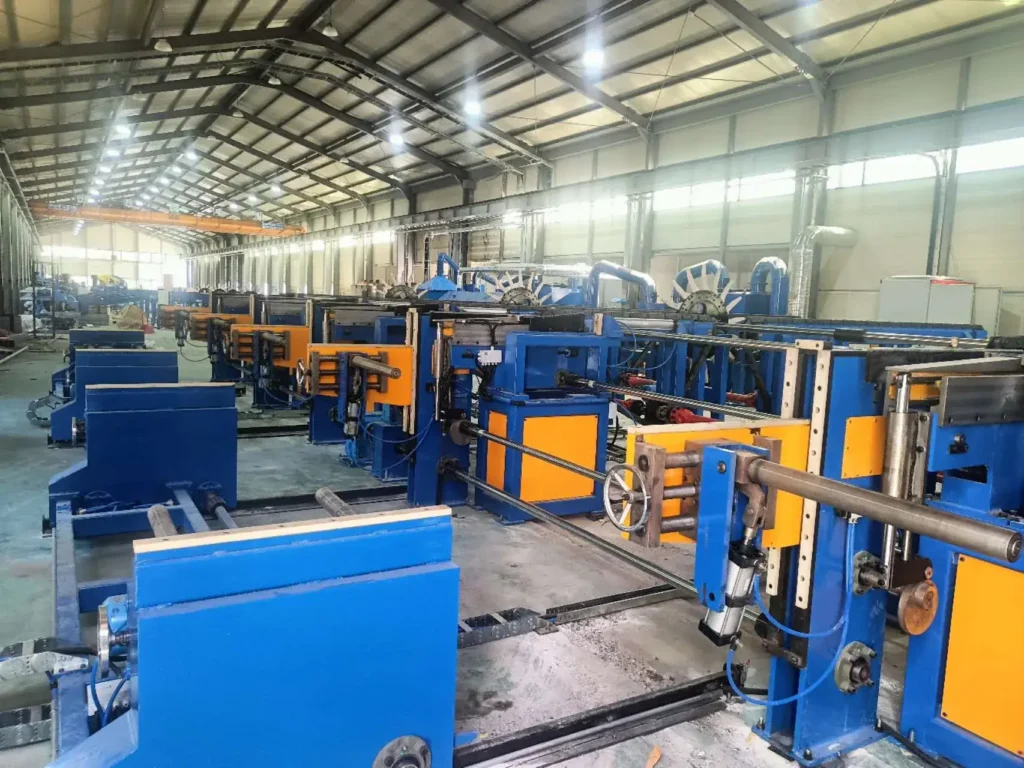 Auto Spray Paint Line
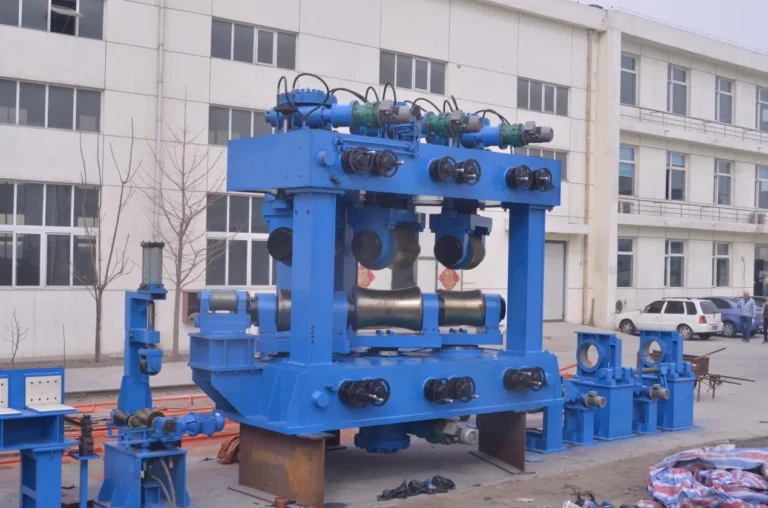 API Line Pipe Mill
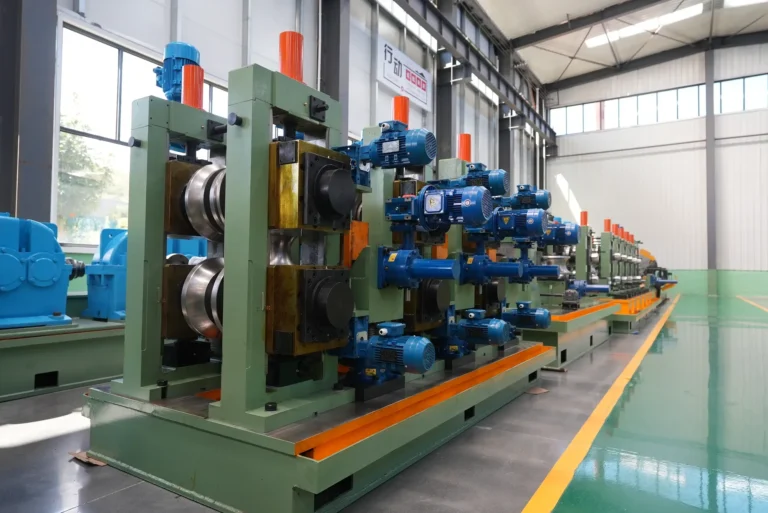 Tube Mill Rolls and Spares
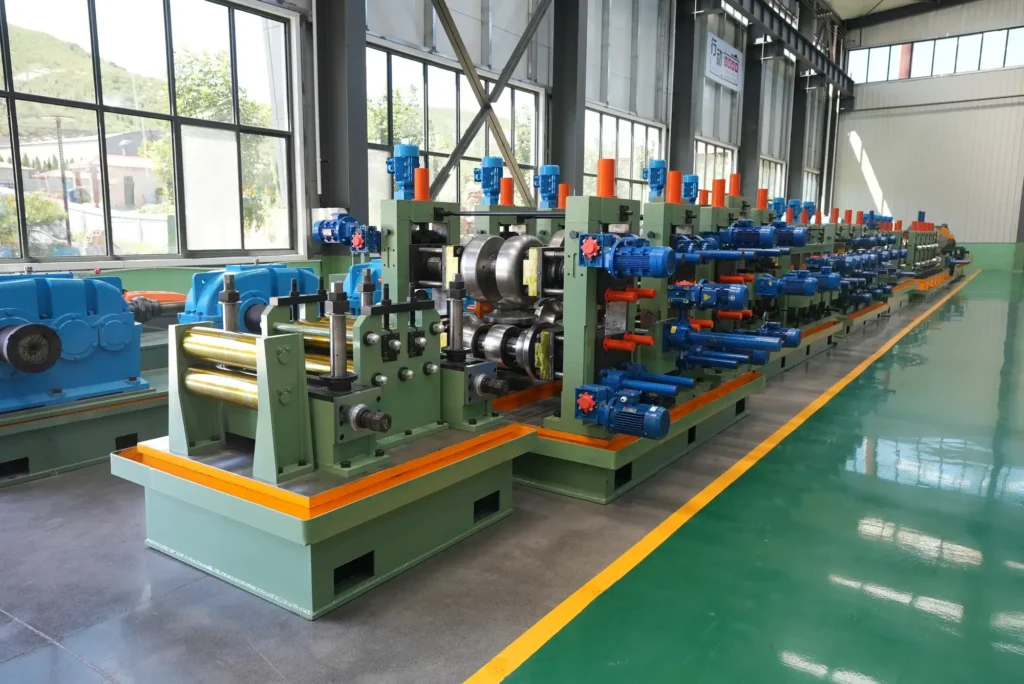 Tube Mill Manufacturer
Send Your Enquiry
Tell us the pipe outside-diameter range, the wall thickness and the output you need. An engineer reads every enquiry — it does not land in a general sales inbox.