 Scan on WeChat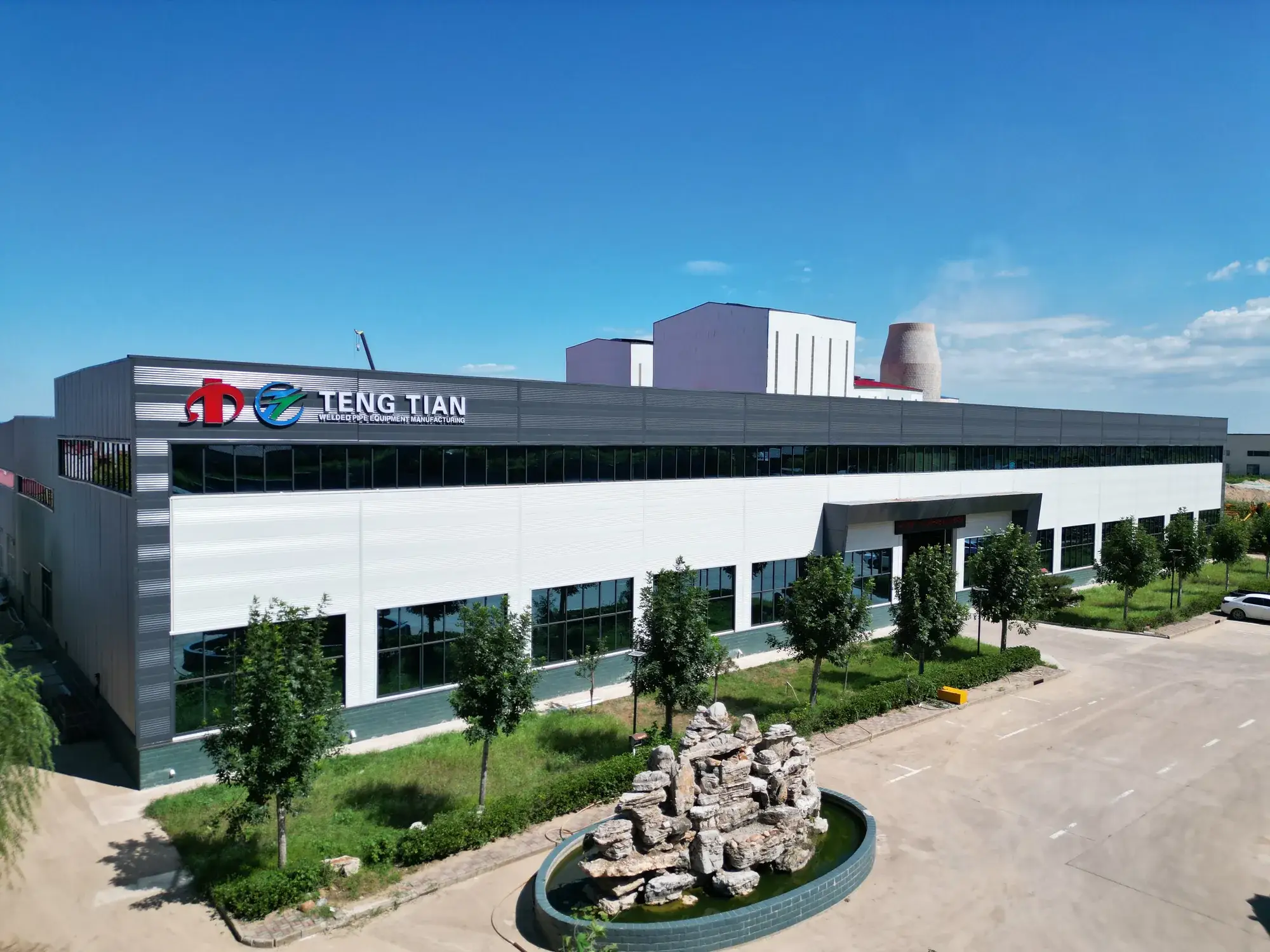
Supply Scope & Acceptance
Home › Tube Mill Manufacturer › Tube Mill Supply Scope, Commissioning & Acceptance Criteria
A complete Tengtian line is quoted as a turnkey scope or as single units.
In This Line
Quick Contact
Hebei TengtianYuanle@tentubemill.com
+86-311-83025332
WhatsApp +852 5425 3155
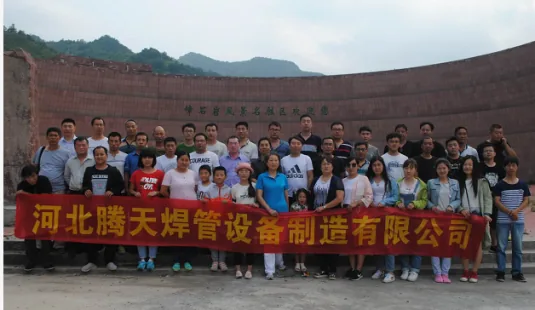
Installation and commissioning are included: five engineers are despatched for a forty-day commissioning period, and the line is accepted when two different sizes each run continuously and smoothly for four hours.
Scope of Supply, Commissioning and Sign-Off
- Scope is tiered, not fixed — the split is turnkey line versus single unit.
- Commissioning crew: five engineers.
- Commissioning duration: forty days.
- Acceptance criterion: two different sizes, each running continuously and smoothly for four hours.
- Delivery: 50 to 90 days, with plant-level customisation from our own base.
- Installation and commissioning are included, with on-site dispatch and round-the-clock online support.
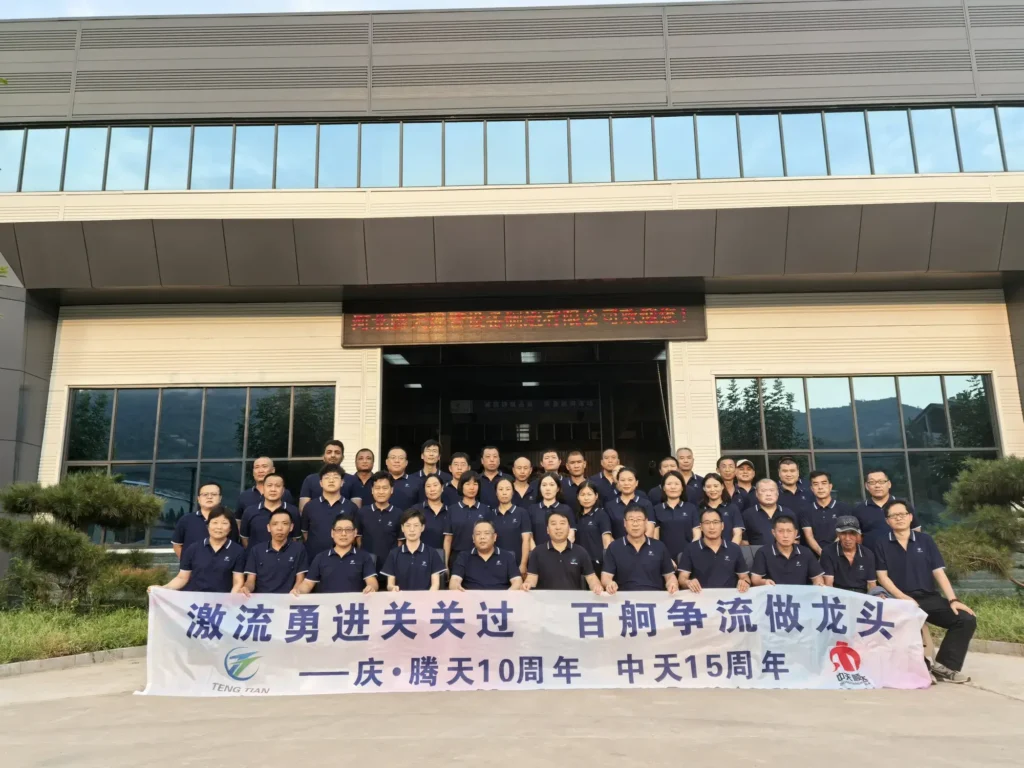
What a Complete Line Includes — Itemised Scope
Wall thickness, line speed and shift output are confirmed against your pipe size, material grade and cut length at quotation. Send us those three and we will state the figures.
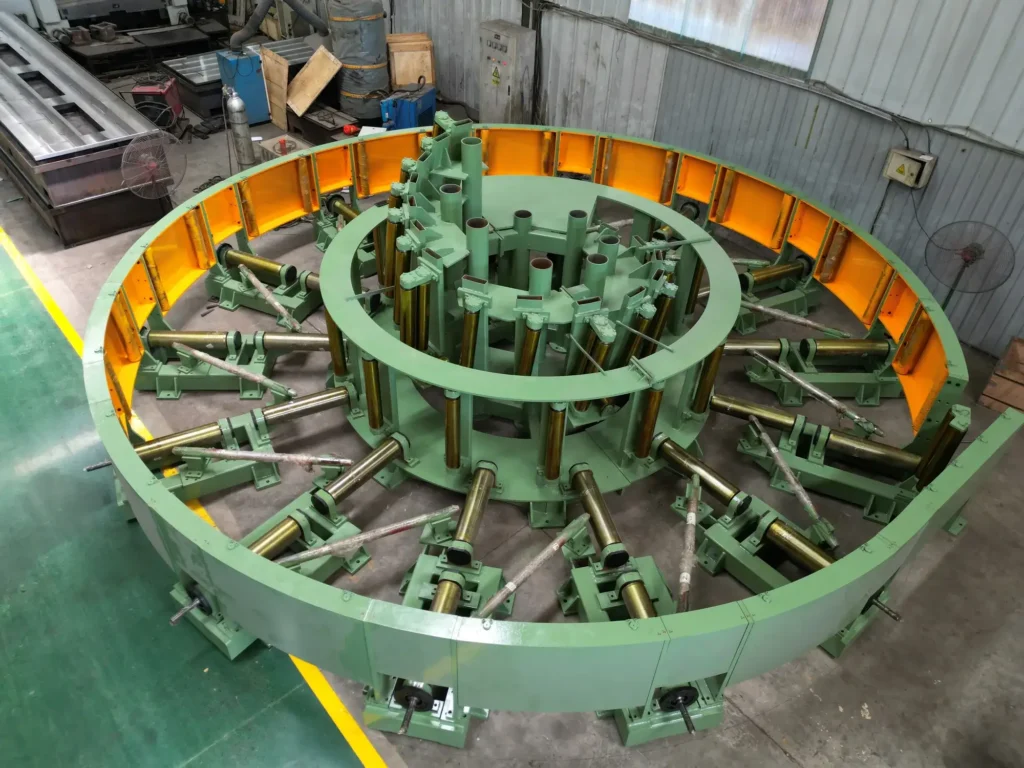
The shipment is packed as follows. Main units and sub-assemblies are broken down for container shipment, bare frames braced, and precision and wear parts — electrical cabinets, induction coils and impeders, forming rolls, cutting tools — crated with moisture protection; a spare-parts pack including tooling ships with the container.
For heavy large-diameter and API lines the main frames travel bare, braced to frames with lifting points, which lowers packing cost but requires professional lifting and rust protection on arrival.
Supply is classified by scope into a turnkey line and a single unit or module, and that classification is the basis of the tiered quotation — the customer buys either the whole line or a base machine, and the price difference reflects scope rather than a quality gap.
Two Spiral Line Configurations: 820 and 1620
The spiral family comes in two configurations, 820 and 1620, which differ in forming, edge preparation, welding power source and finishing train — the 1620 line carries edge milling,
outer-double inner-single submerged arc welding with Lincoln DC-1500 and AC-1250 power sources, X-ray, a 1200-tonne hydrostatic tester and offline ultrasonic inspection, while the 820 line is specified with outer-single inner-single welding and a lighter finishing set.
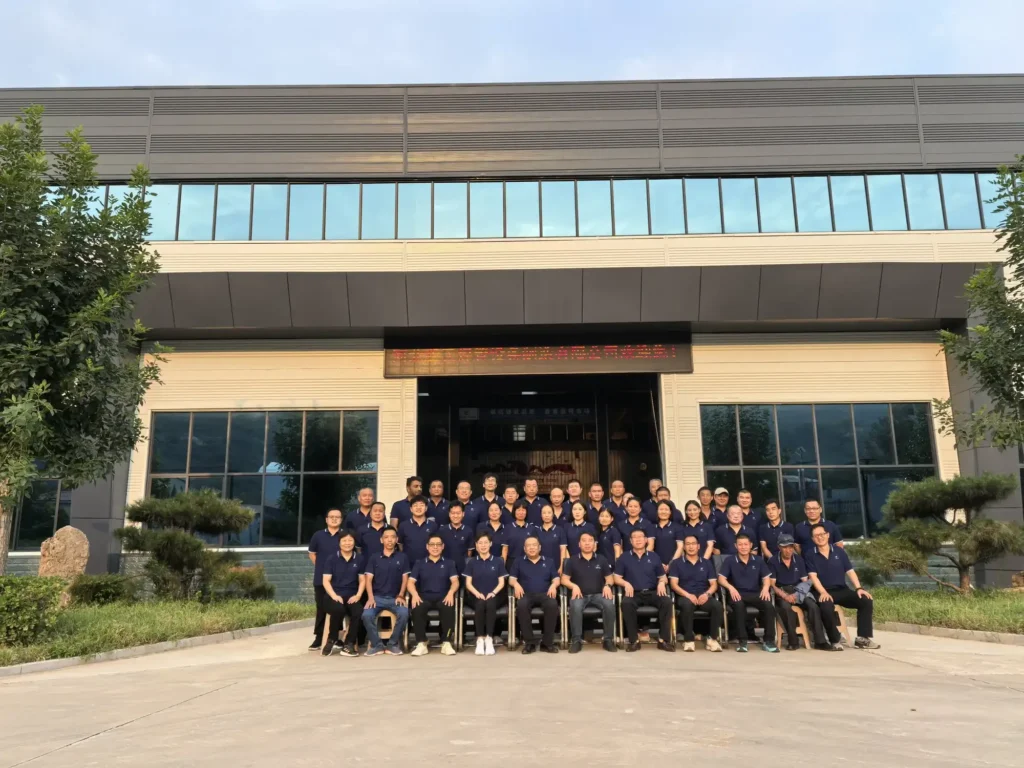
Installation and Commissioning: Crew Size, Duration and Day Rate
Crew and duration: five engineers are despatched, and the commissioning period is forty days. Both form part of the installation-and-commissioning clause that integrators and agents evaluate, alongside whether the supply scope closes and whether the line can be accepted against a project standard.
More broadly, installation and commissioning are included in the after-sales scope, with engineers dispatched on site and round-the-clock online support after handover; a single point of contact replies round-the-clock.
What an Integrator Actually Evaluates
The concern both profiles arrive with is a real risk rather than a perception: orders are gated on the standard, and our answer names the API line’s full API 5L inspection chain and the H-beam line’s GOST R 58966-2020 capability as the two evidenced cases.
This type of buyer looks at four things when choosing a supplier.
They are: whether the supply scope closes, the installation-and-commissioning terms, the acceptance standard, and the fact that the decision rests with a project or technical lead rather than a purchasing officer.
Three of the four are covered above; the first — whether the scope closes for a specific configuration — is settled in the quotation.
A second profile sits behind large projects: energy and infrastructure groups buying against technical standards and delivery dates, with long-term service as a stated criterion, and an engineering or procurement committee deciding.
The buyer is a pipeline-project equipment integrator or regional agent building a plant for an end customer, judging the supplier on whether the whole line is closed — main machine plus finishing plus bought-in ancillaries — on whether installation and commissioning can be dispatched, and on whether the line can be aligned to a project standard and accepted against it.

Delivery, Packing and the Three Time Figures
Export delivery is knocked down in containers, which involves a trade-off: container utilisation is high and sea freight is controllable, but the line must be re-assembled and commissioned on site — which is why the commissioning clause matters more here than on a domestic sale.
Three different periods are often confused: the delivery period, the forty-day commissioning period, and the four-hour acceptance run on each of two sizes.
Payment terms are flexible — thirty per cent deposit against seventy per cent before shipment, with third-party escrow and staged payment available and multiple trade terms supported — which is the clause an integrator uses to align its own project cash flow.
Acceptance Test: Continuous Production on Two Sizes
Running continuously means the coil-join chain has to work: the shear and butt welder and the accumulator exist so that a coil change does not stop the mill. The acceptance criterion is a single, checkable sentence: two different sizes, each running continuously and smoothly for four hours. It matters to integrators and agents because it is the clause a project buyer needs in order to sign off.
That criterion is worth reading carefully, because it tests three things at once. Running two sizes means the line has to go through a size change and come through it cleanly — and drift after a changeover is a distinct quality risk, showing up as batch-to-batch dimensional variation.
Responsibility for acceptance is split: the mill controls welder power matching, seam alignment, squeeze, sizing and straightening; the buyer controls incoming strip grade and flatness and the operation itself. Material yield above 93% is supported by the line design and also depends on the plant’s own operation.
Running smoothly means the weld and dimension control have to hold across that window.
Frequently Asked Questions
What does the scope of supply include?
Supply is offered either as a turnkey line or as a single unit. The spiral family comes in two configurations, 820 and 1620, which differ in forming, edge preparation, welding power source and finishing train.
An itemised scope list for your configuration is issued with the quotation.
How many engineers are despatched and for how long?
What is the day rate and what does it cover?
A per-man-day rate is part of the same installation-and-commissioning clause and is quoted on request. The clause covers the despatch of the commissioning crew for the commissioning period, within an after-sales scope that already includes installation and commissioning.
What must be achieved for the line to pass acceptance?
Two different sizes, each running continuously and smoothly for four hours. That is the criterion in full. It is a production test rather than a static inspection: it requires a size change to be carried out during the acceptance window, and it requires the coil-join chain to hold so that production is genuinely continuous.
What lifting equipment is needed on site?
Heavy units for large-diameter and API lines ship bare with lifting points provided and require professional lifting on arrival, so suitable lifting equipment is needed on site.
What power, air and water supplies must the plant provide?
Individual consumption points are specified: the X-ray tube cooling requires water at more than 4 L/min with inlet temperature not above 35 °C, and cooling water or emulsion and hydraulic oil are process media the buyer purchases locally to our specification. The aggregate power, compressed-air and water figures for your line are issued with the layout drawing.
Tube mill turnkey project cost
Cost depends on the scope tier — turnkey line or single unit — and on the configuration within that tier. Price differences between configurations reflect scope, not a difference in quality.
Commercial terms are flexible: a thirty per cent deposit against seventy per cent before shipment, third-party escrow and staged payment available, with multiple trade terms supported.
Tube mill turnkey project
A turnkey project means that the line is manufactured to the configuration agreed, shipped knocked down in containers with precision parts crated, re-assembled and commissioned on site by five despatched engineers over forty days, and accepted when two sizes each run continuously and smoothly for four hours.
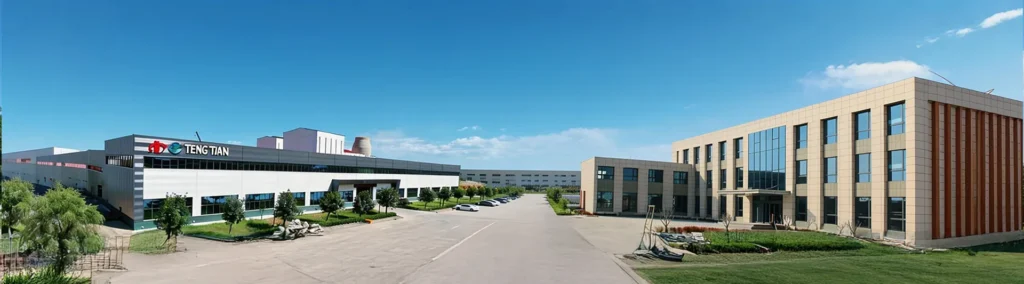
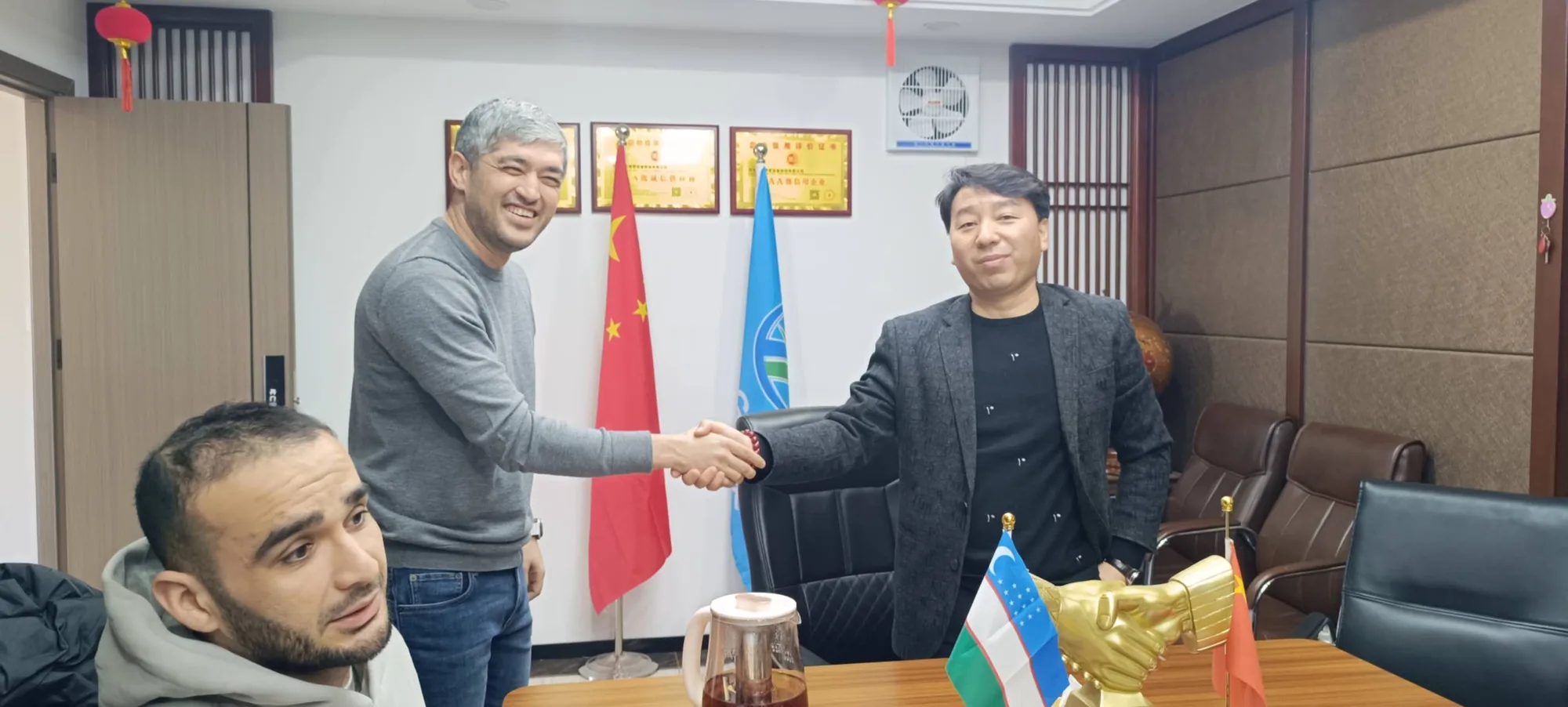
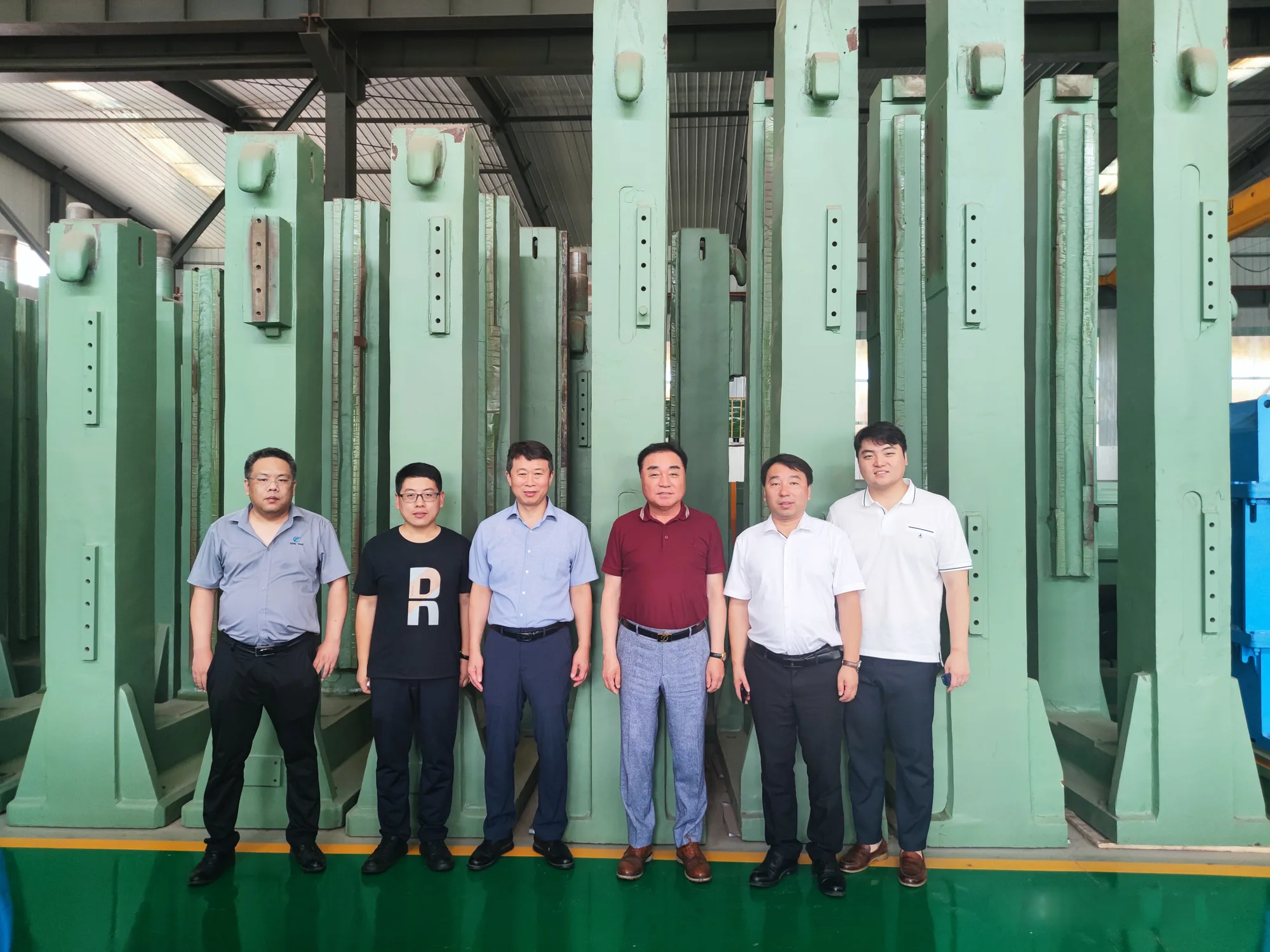
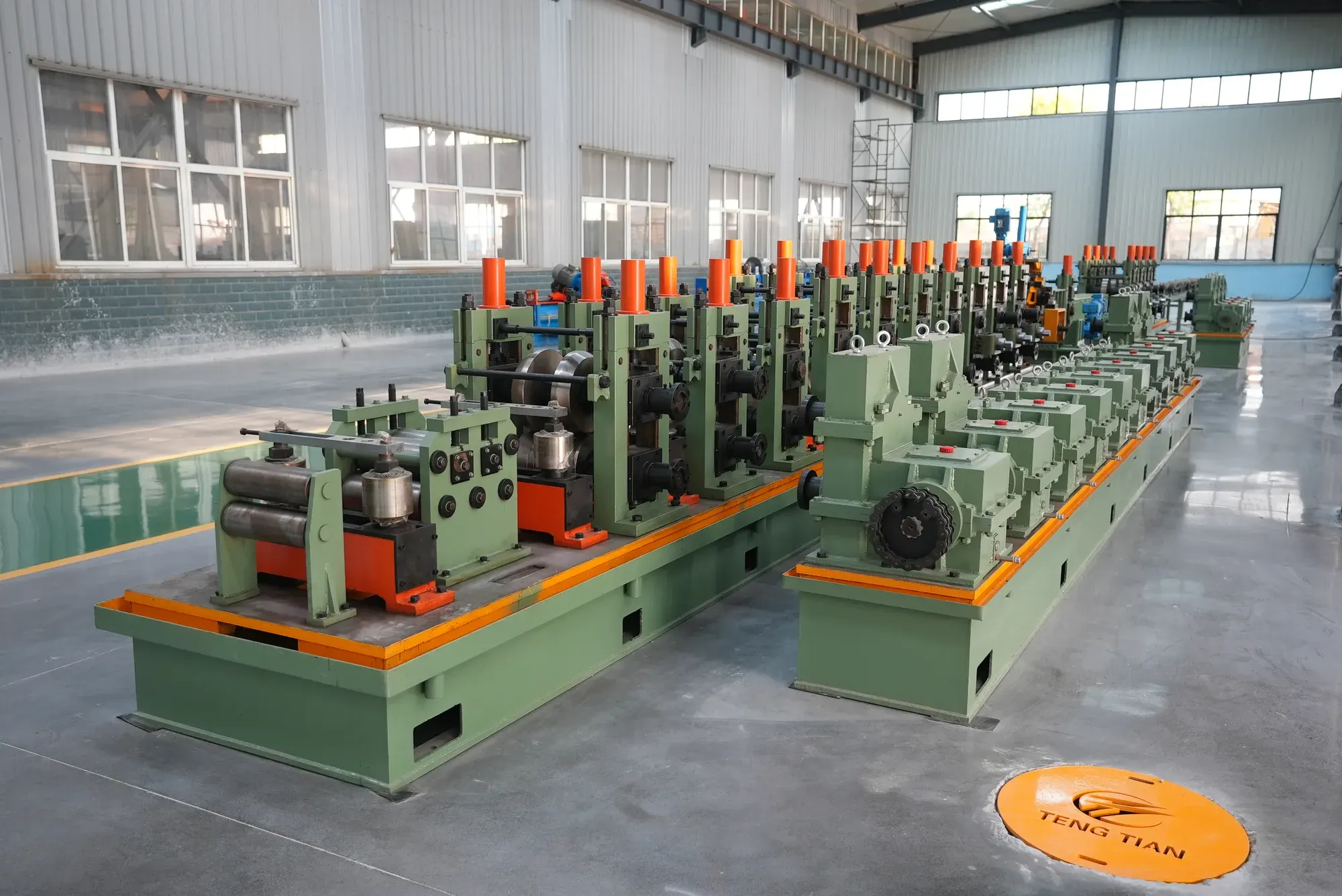
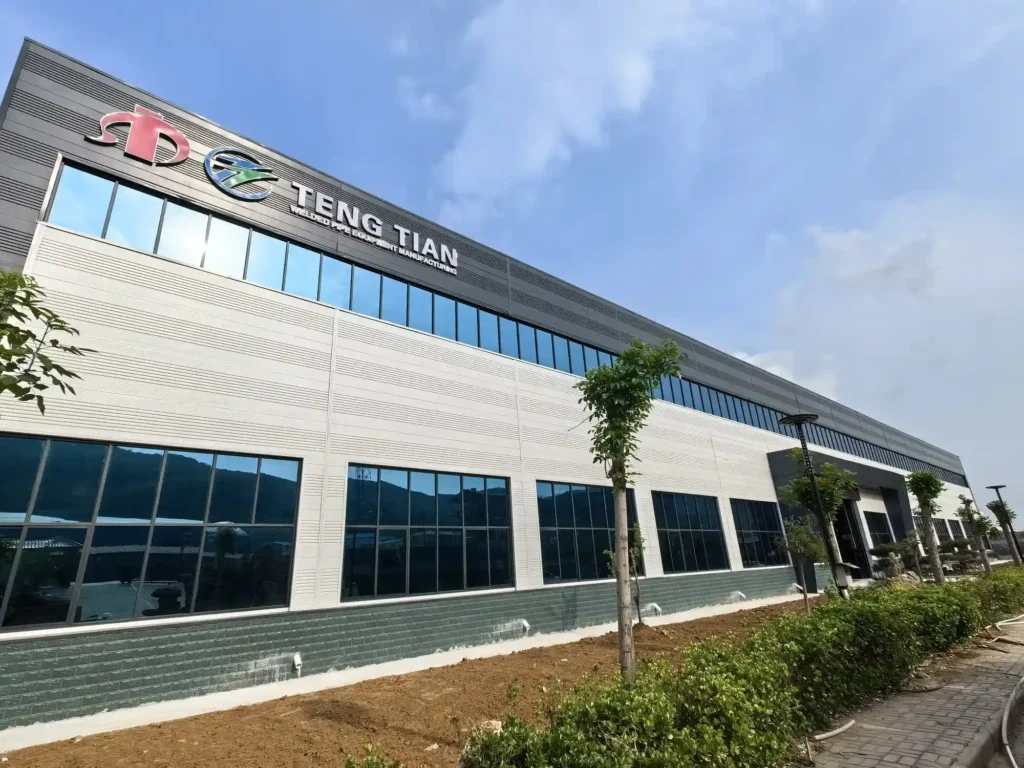
Delivery is 50 to 90 days and plant-level customisation is scheduled from our own manufacturing base, which buyers can visit.
Five engineers, for a forty-day commissioning period. That is the clause, and it is the same clause that carries the acceptance criterion. Installation and commissioning are part of the after-sales scope rather than a separate purchase, and engineers are dispatched to site with round-the-clock online support available after handover.
From the Workshop
 Configuration Tiers Behind a Pipe Making Machine Price
 The API Pipe Mill Inspection Chain
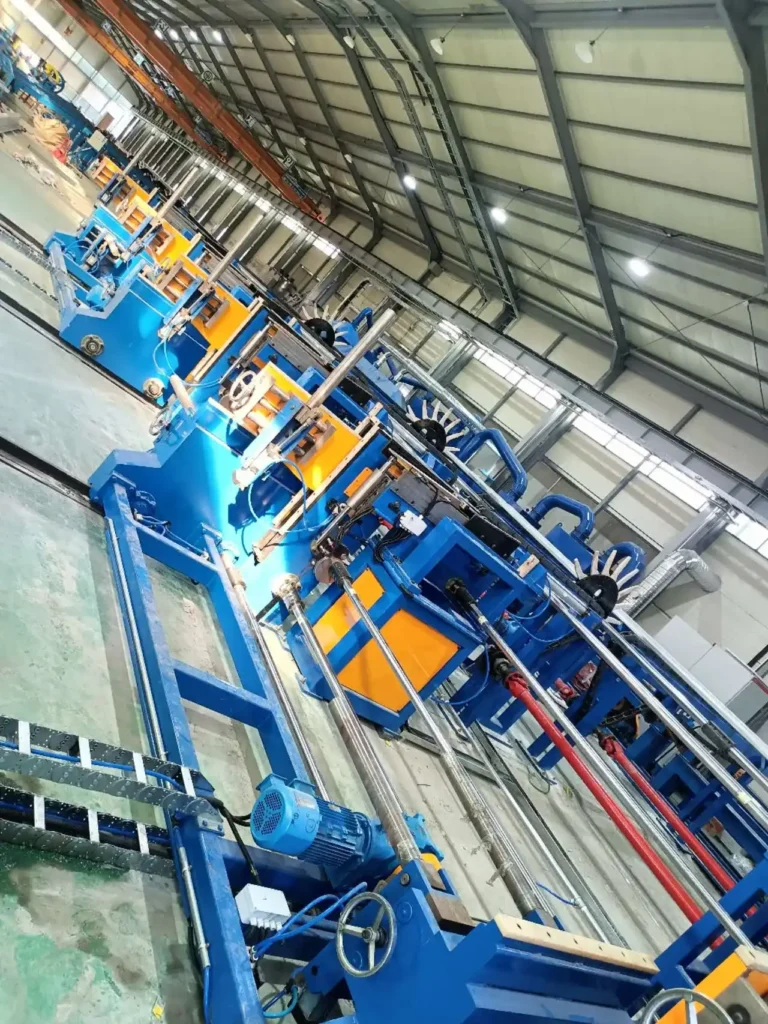 Pipe Coating Line Configuration
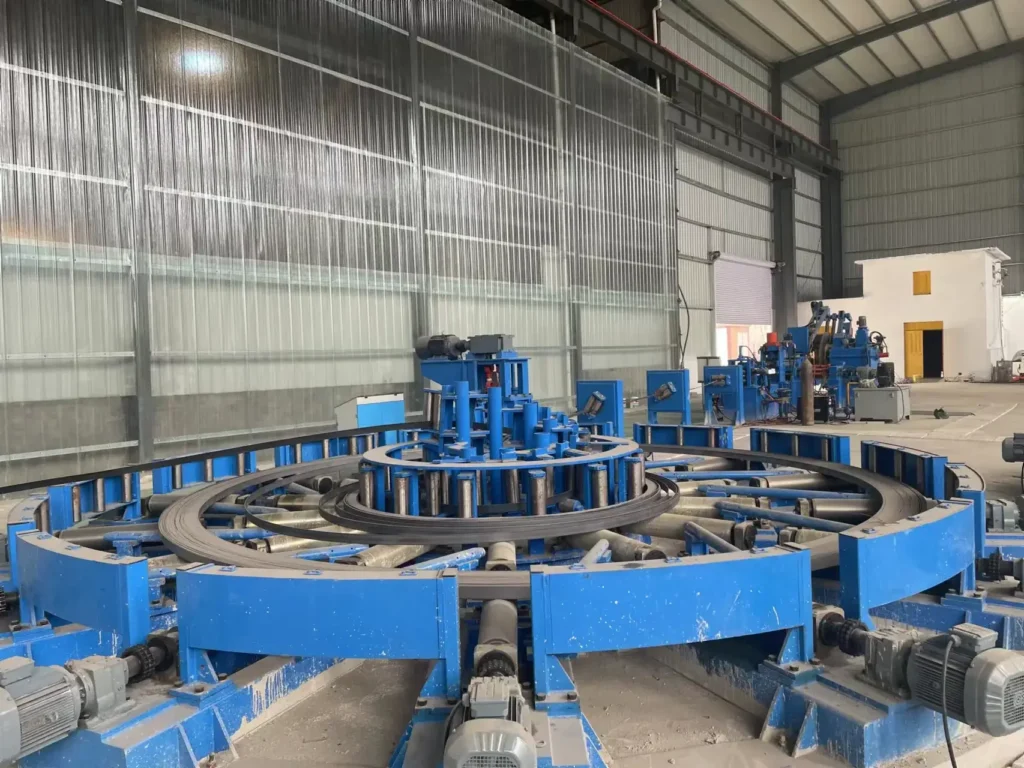 H Beam Welding Line
Send Your Enquiry
Tell us the pipe outside-diameter range, the wall thickness and the output you need. An engineer reads every enquiry — it does not land in a general sales inbox.