 Scan on WeChat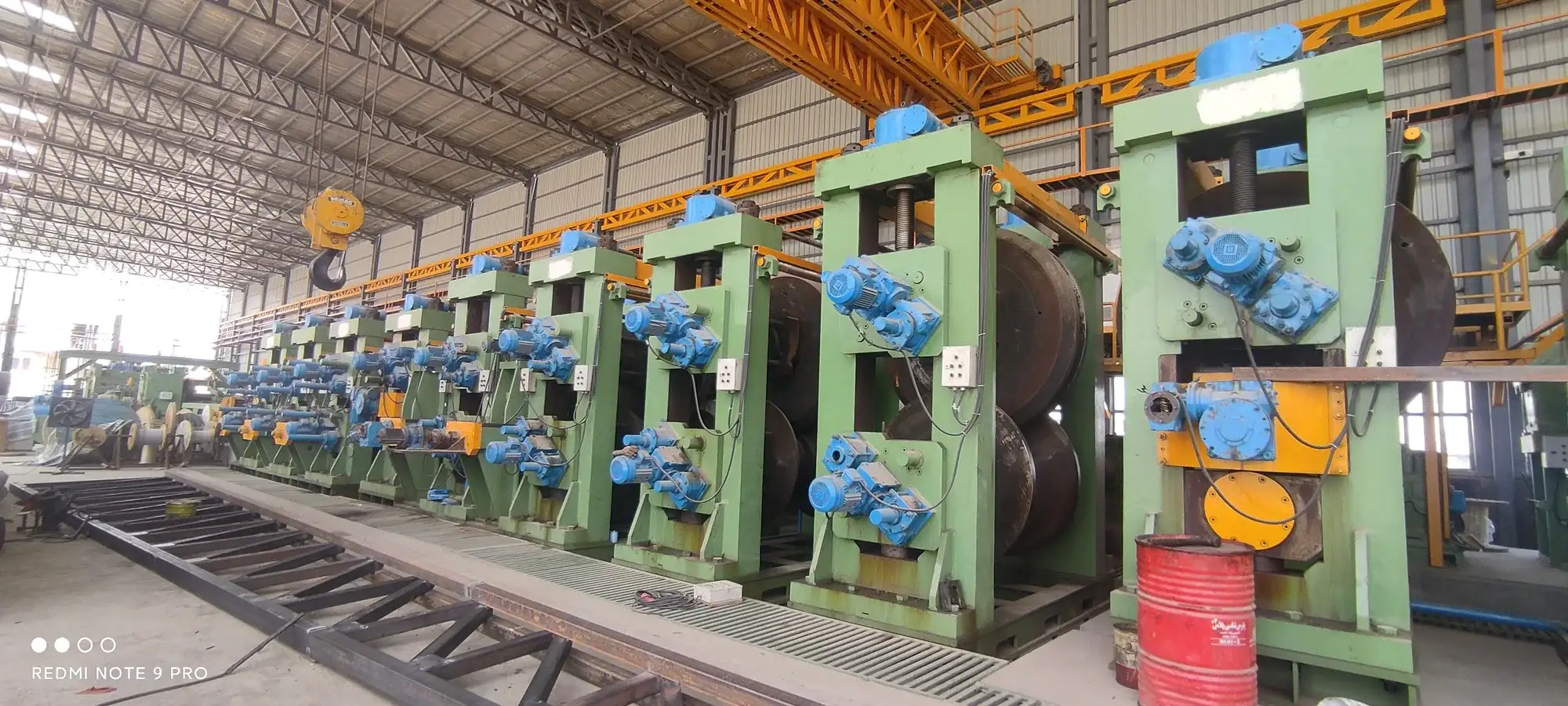
About Hebei Tengtian
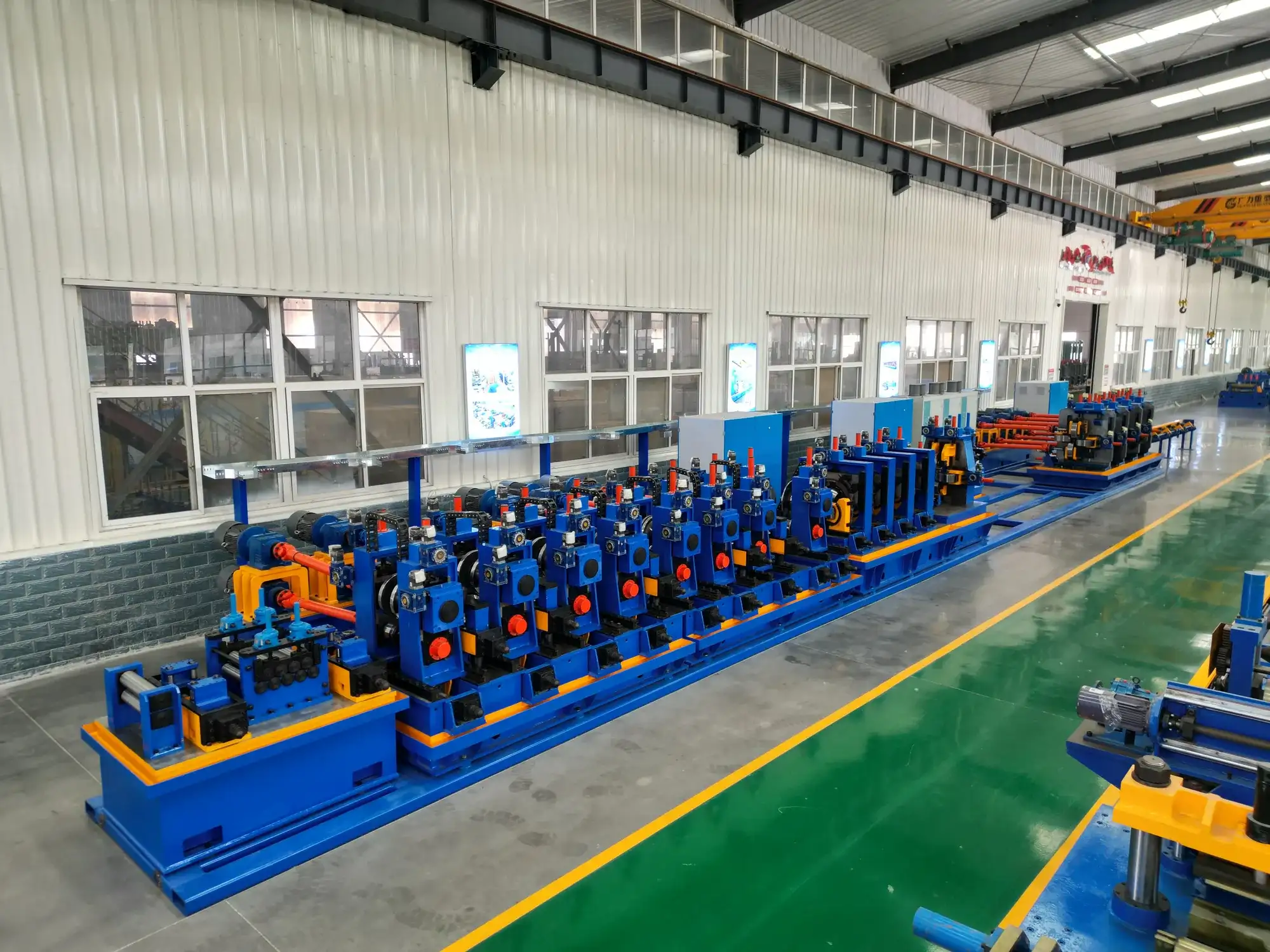
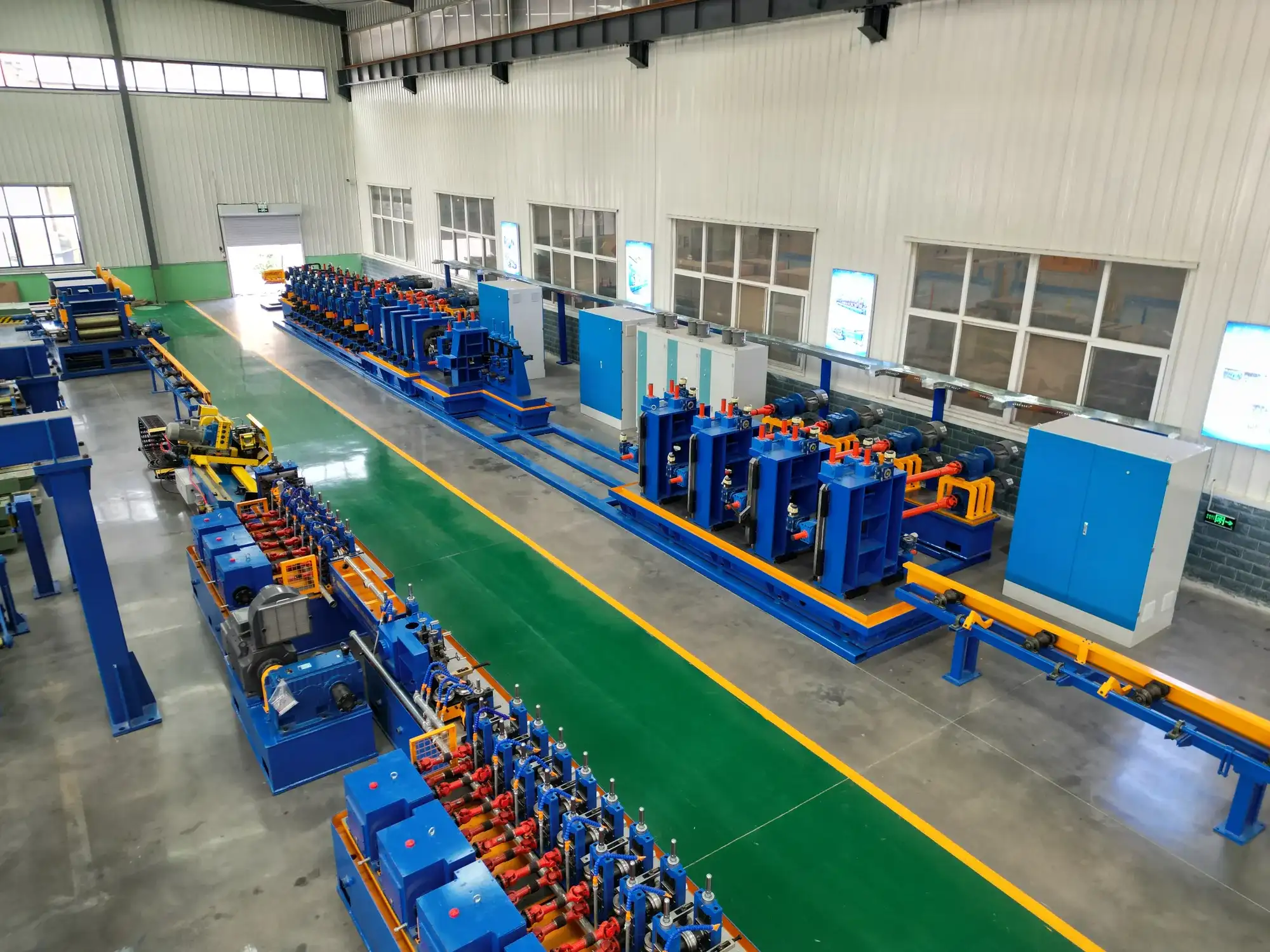
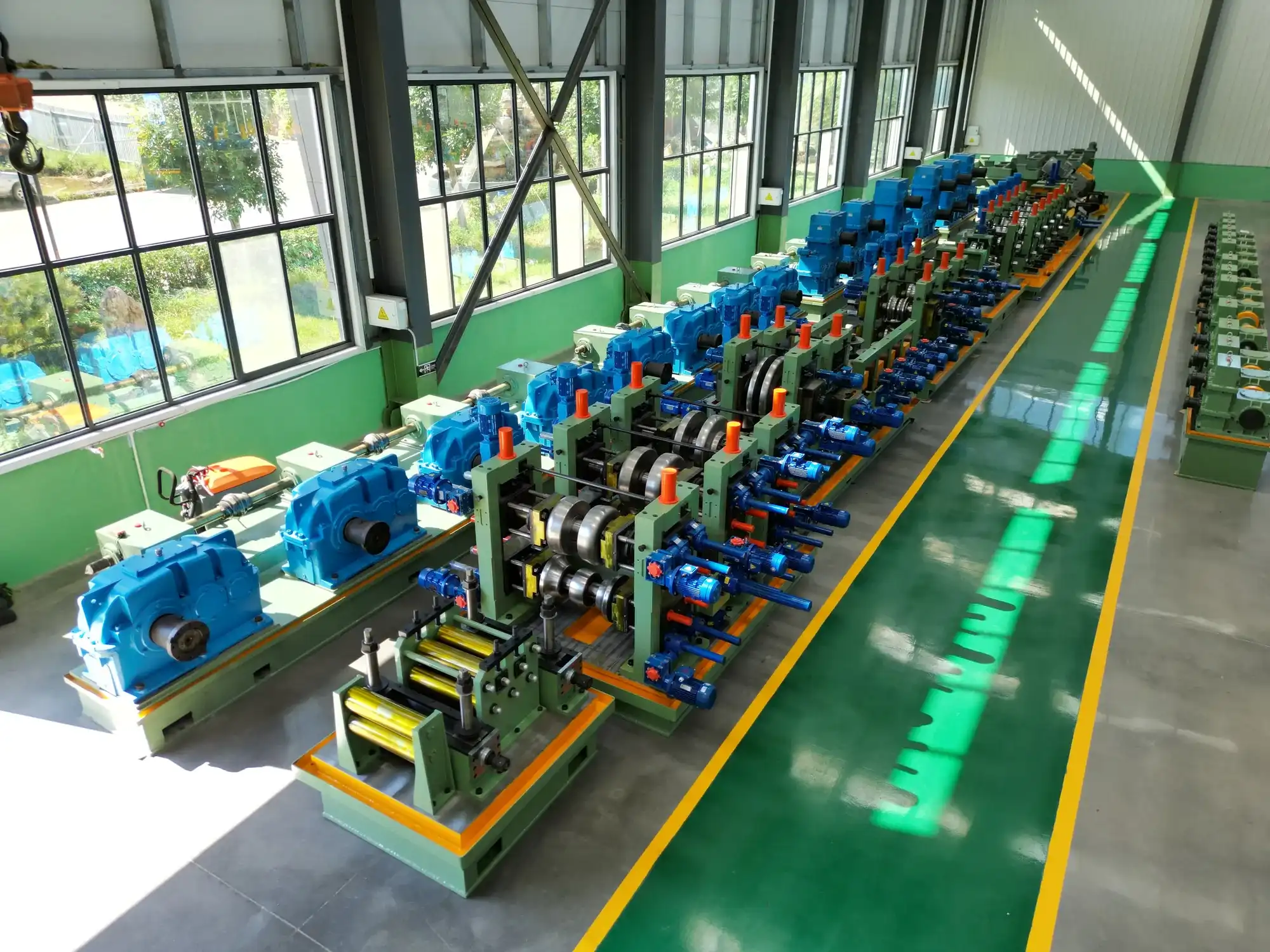
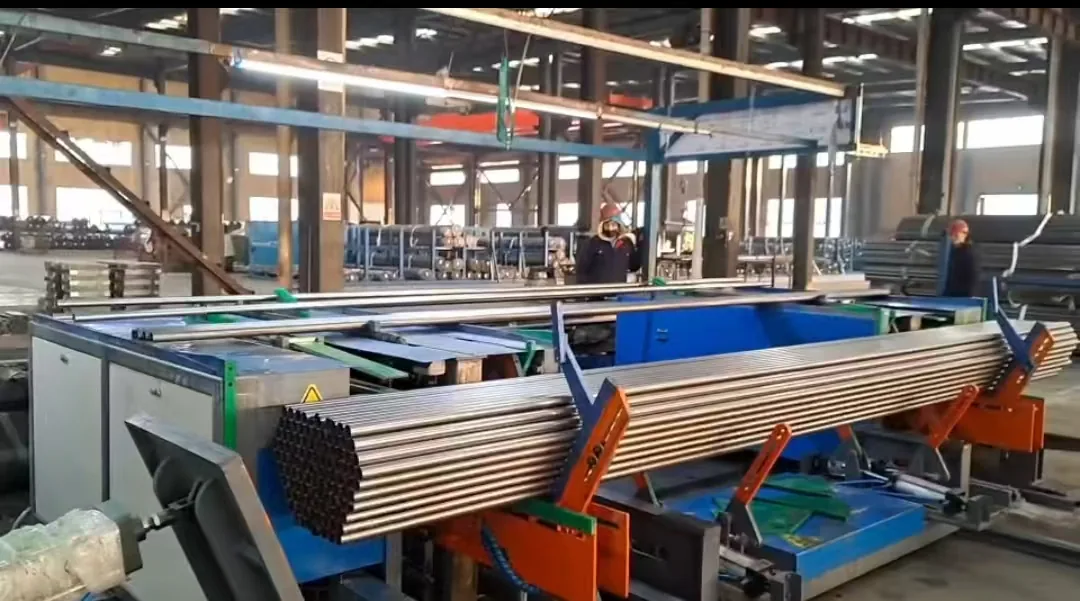
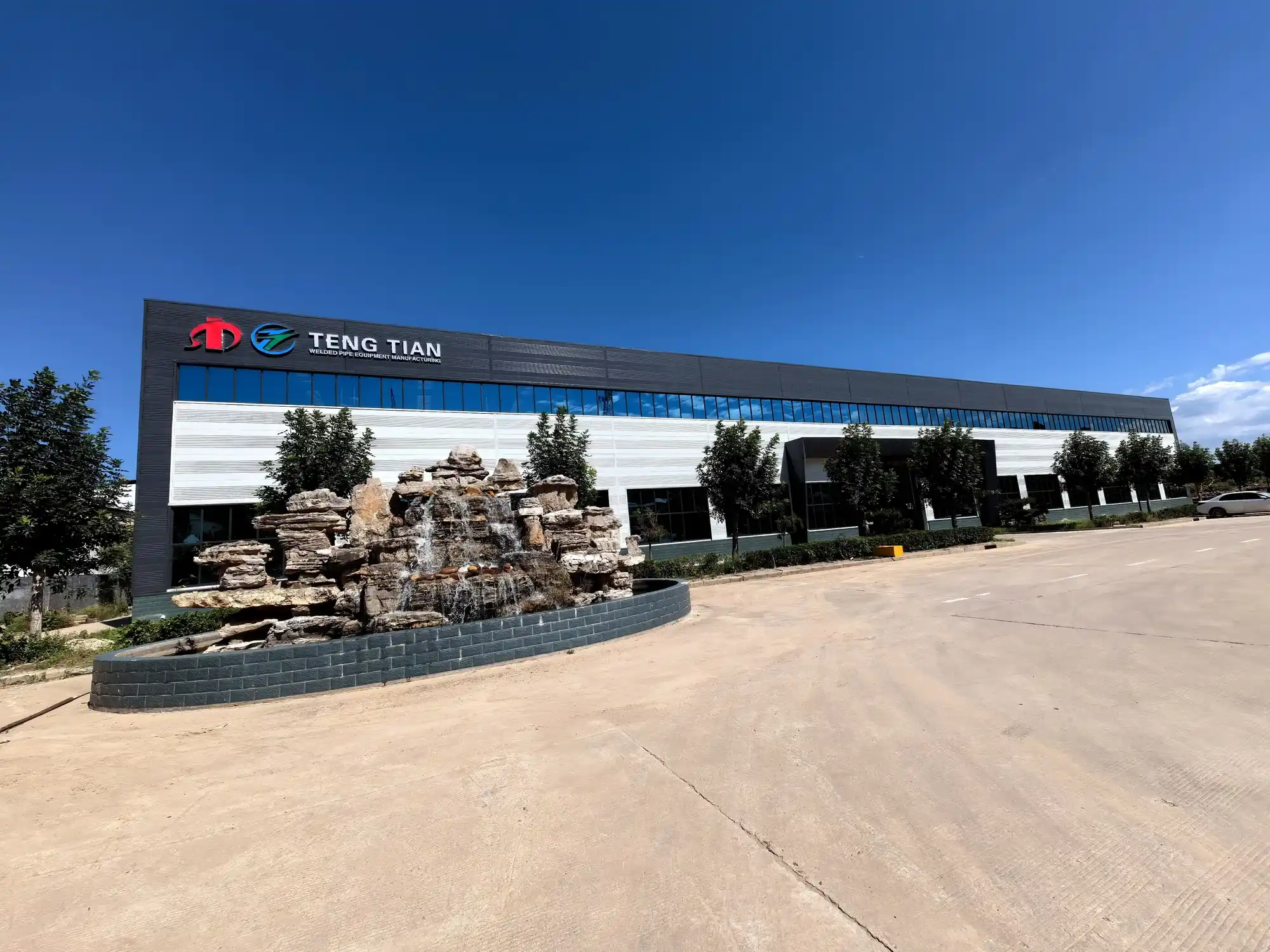
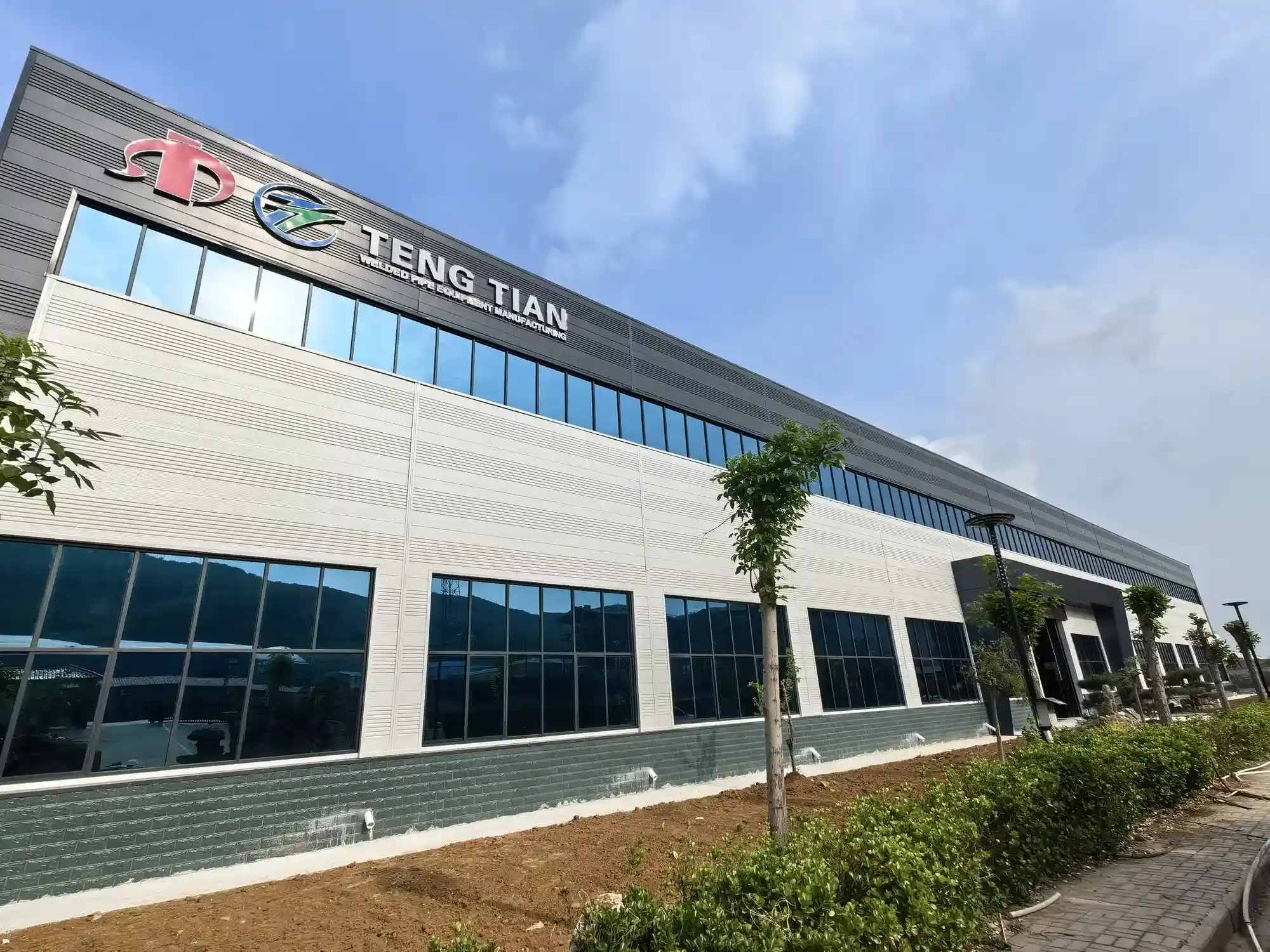
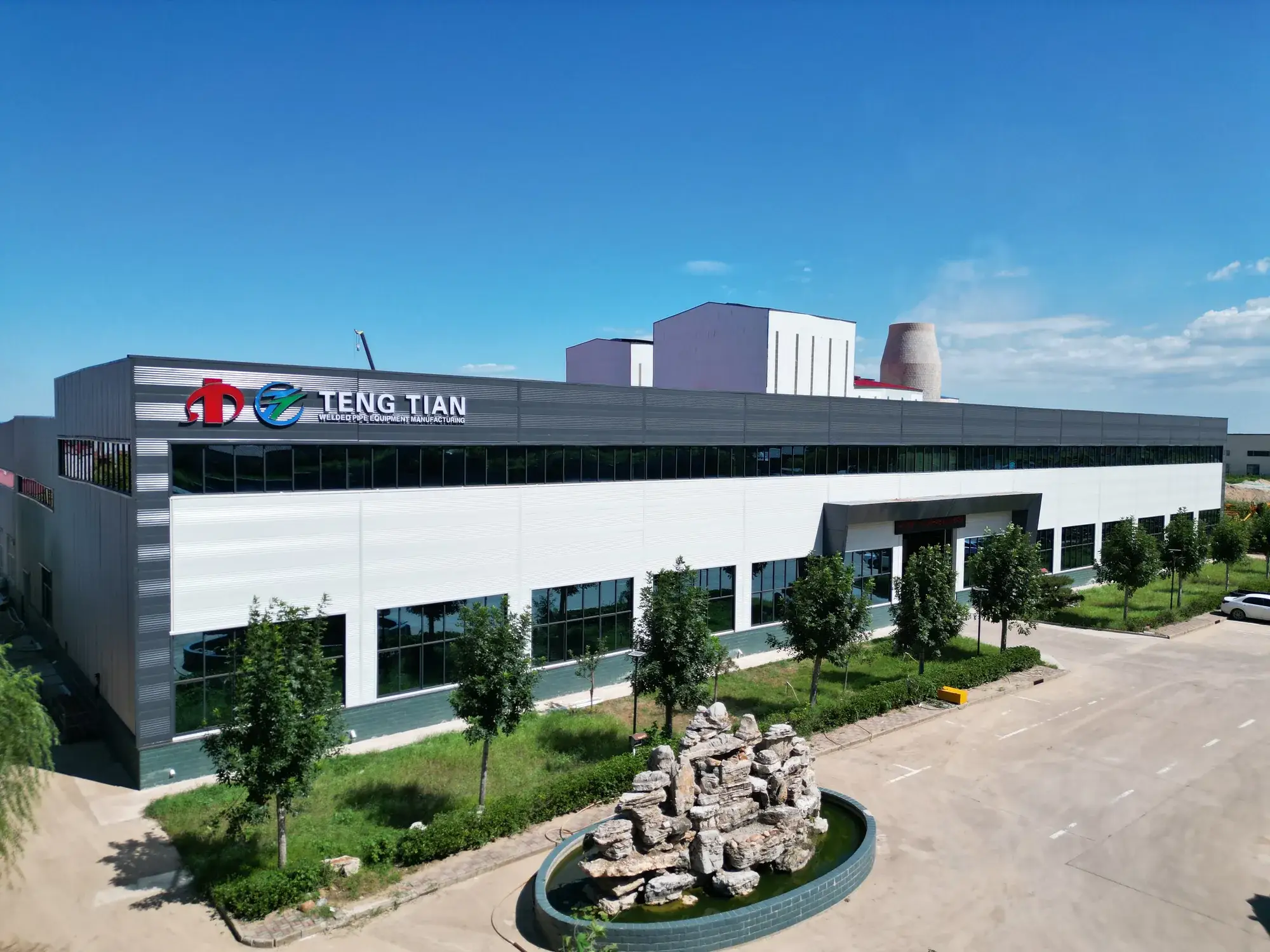
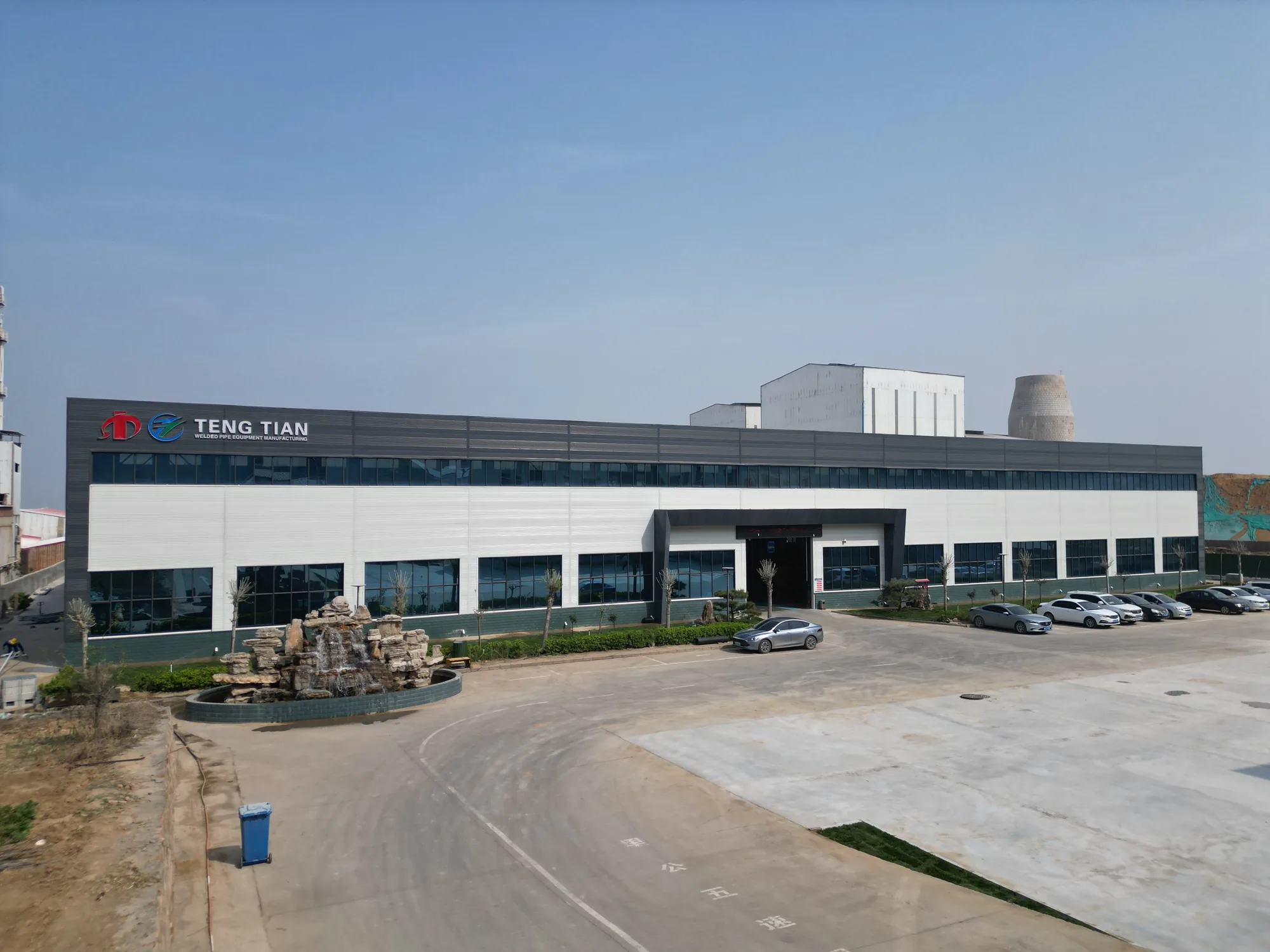
Tengtian’s works sits in Zanhuang, Hebei. Forming rolls and key wear parts are machined on site; complete lines are pre-assembled and test-run in the assembly bay before they are broken down for shipment. The engineering team numbers 20, averaging 20 years each.
The Zanhuang Base: Workshops, Assembly Bay and Despatch
Talk to an Engineer →Tengtian operates its own production base rather than subcontracting assembly, and that base is open to factory audit — buyers and integrators regularly ask to see it before signing.
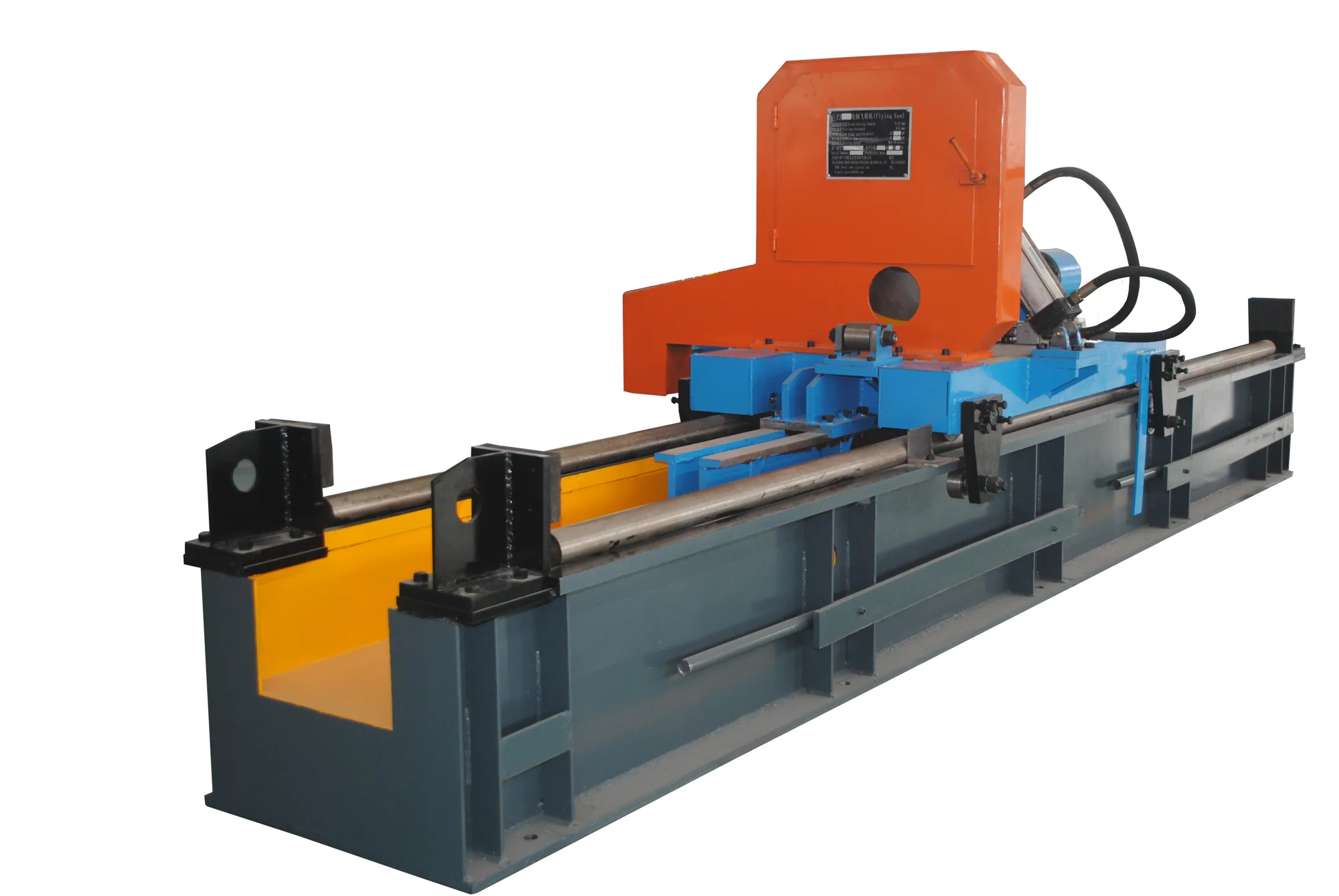
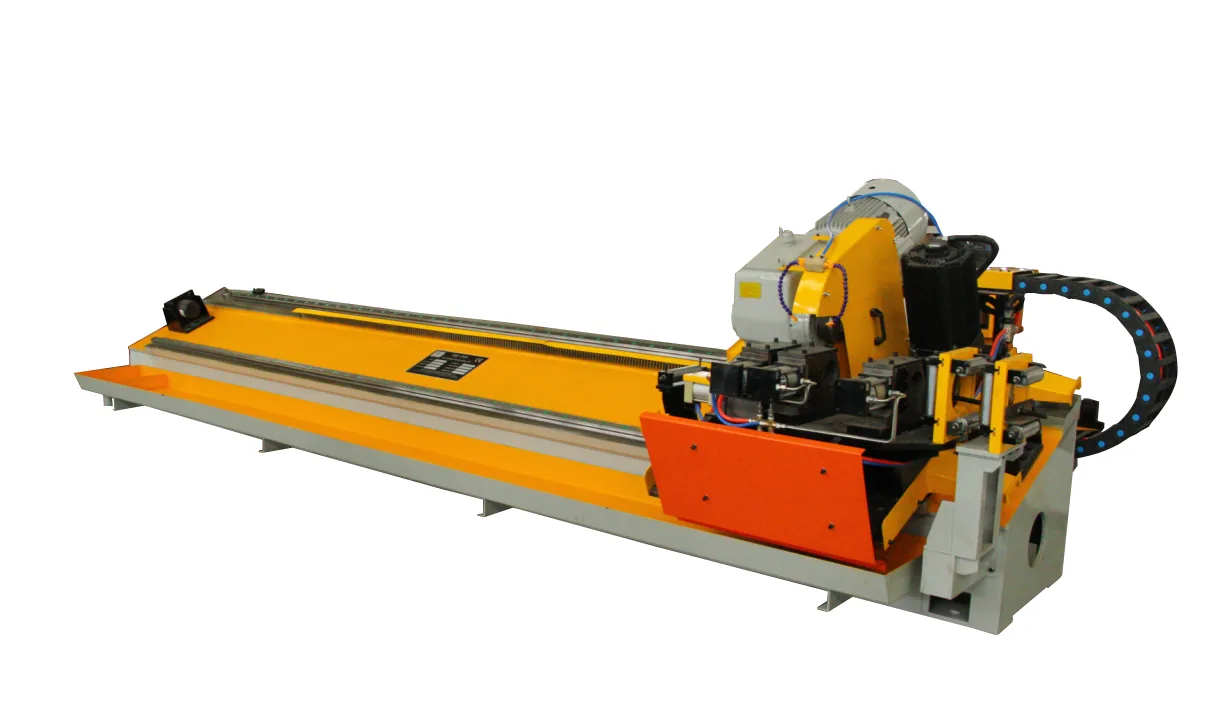
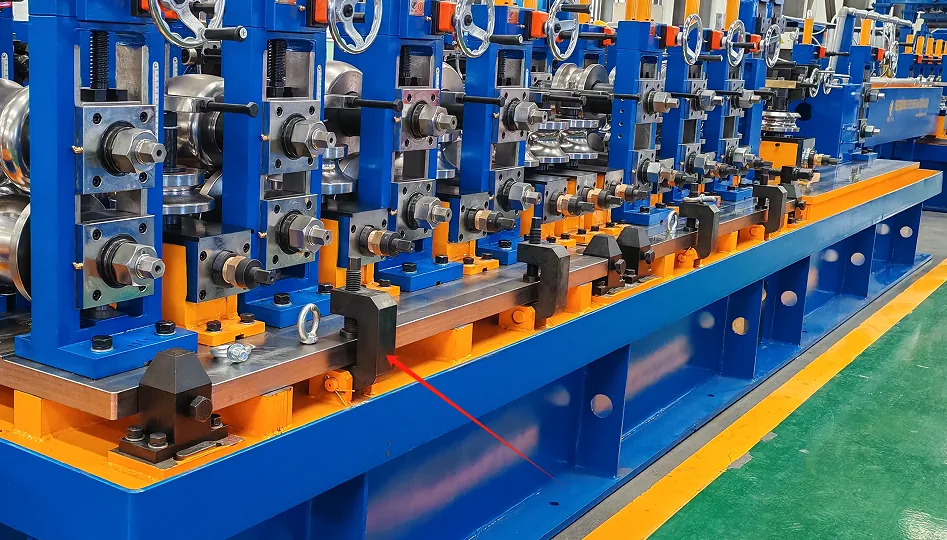
What the base has to cover is unusually wide for a single works. Tengtian organises its business into four equipment families — welded pipe production lines, slitting and cut-to-length lines, cold roll forming lines, and H-beam production lines — plus an automatic spray-painting line as a companion unit.
On the welded-pipe side alone that spans HG32 to HG630 (Φ10–630 mm) on high-frequency longitudinal mills, square tube by direct forming, API line-pipe configurations, and spiral submerged-arc mills to Φ1620 mm.
That breadth is not a catalogue exercise. It is what lets a plant that already runs one Tengtian line add a second one — a different diameter class, or a different product entirely — without re-qualifying a new supplier, and with control philosophy, spare-part channel and service contact unchanged. Buyers expanding capacity name exactly this as the reason they come back.
Control across the families is common: PLC industrial computer with variable-frequency and servo control, with the level of automation selectable from semi- to fully automatic.
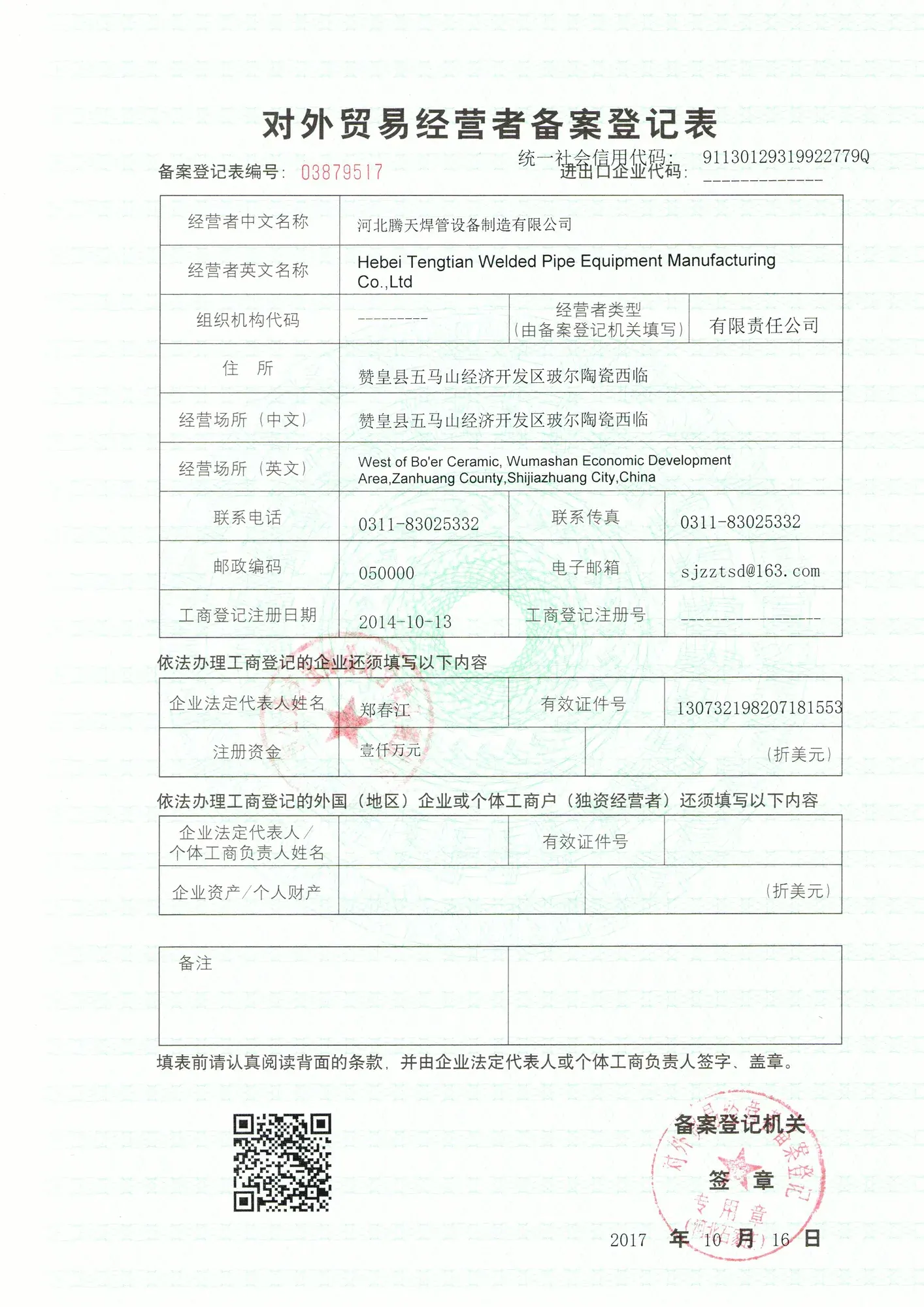
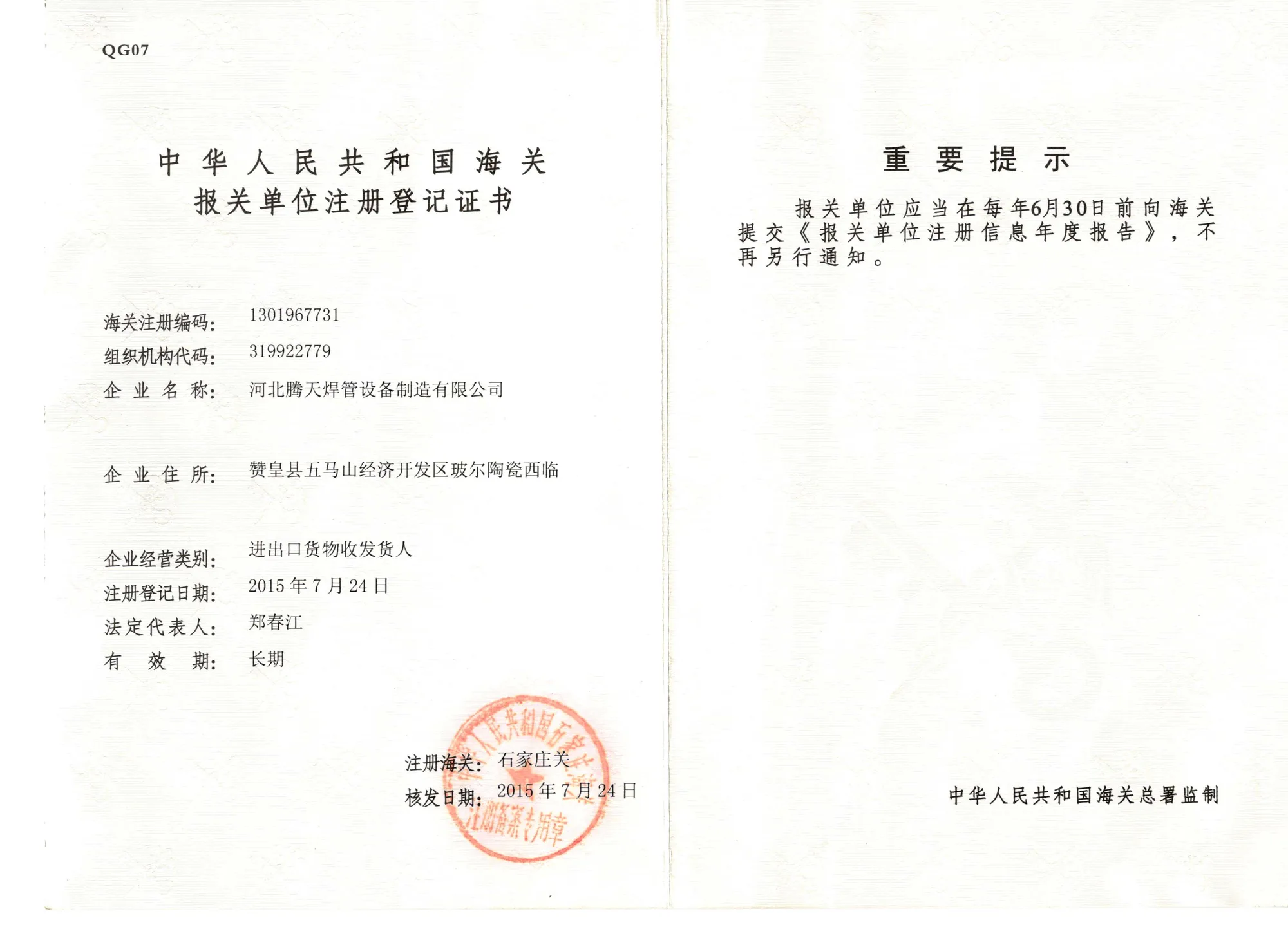
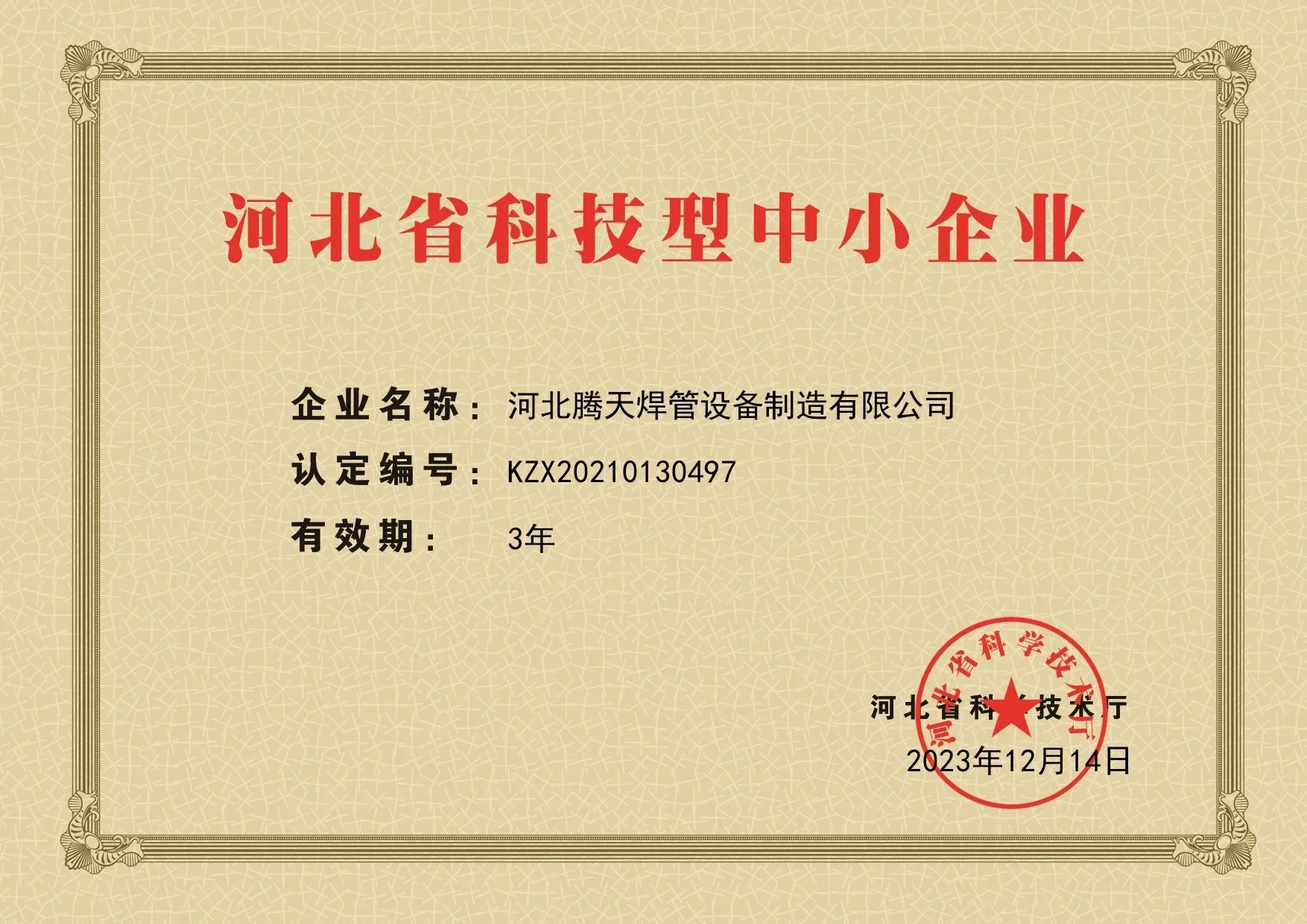
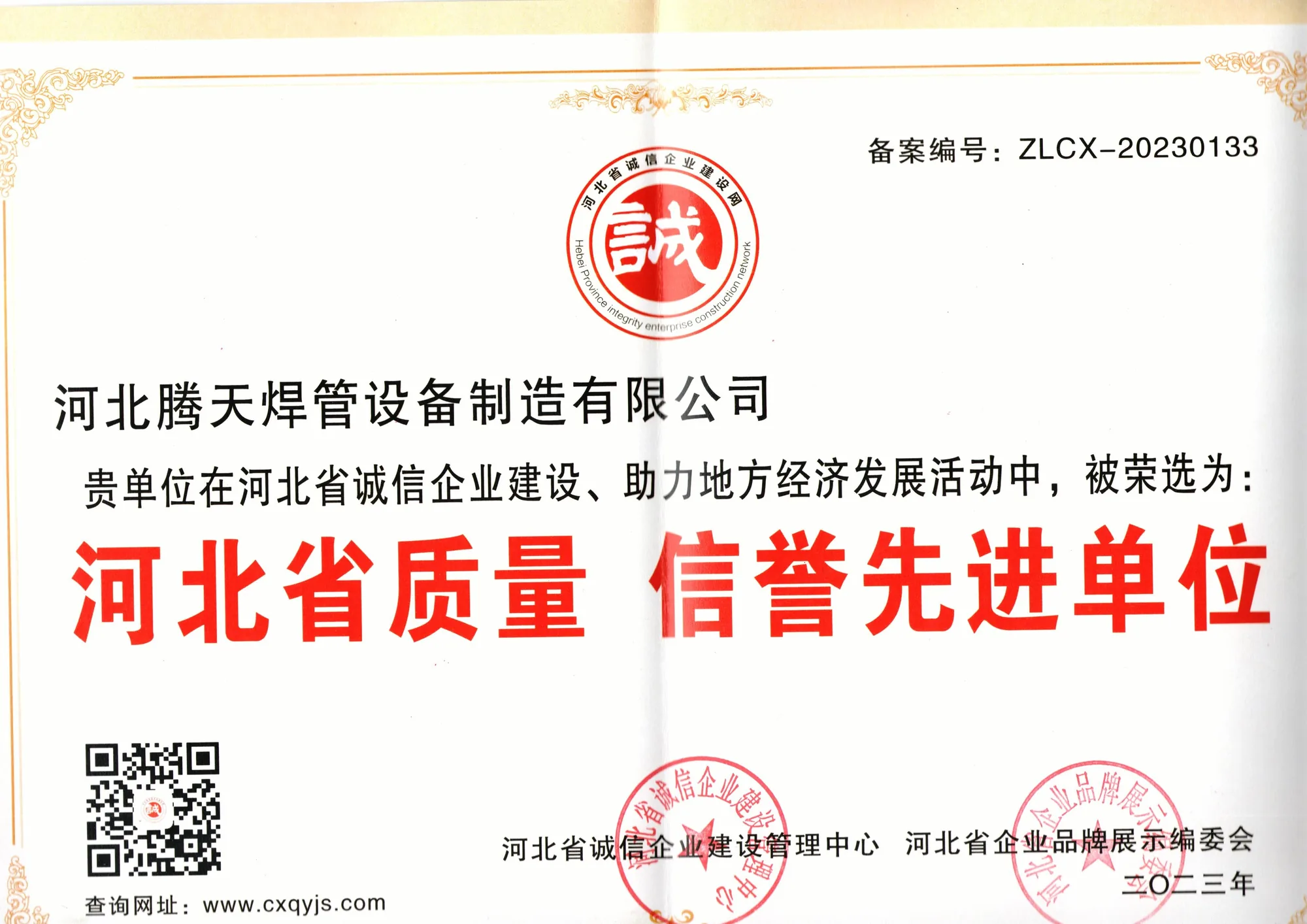
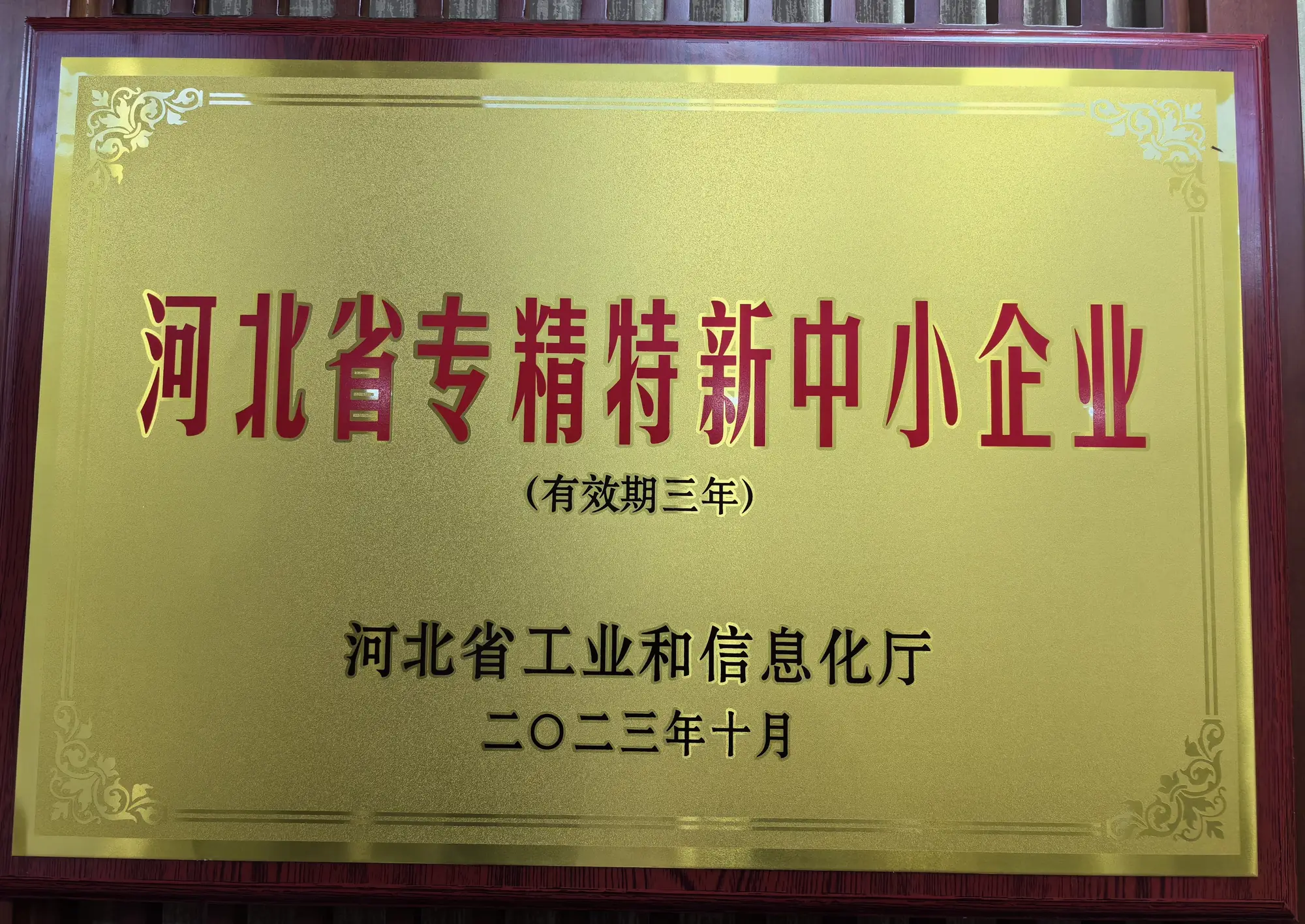
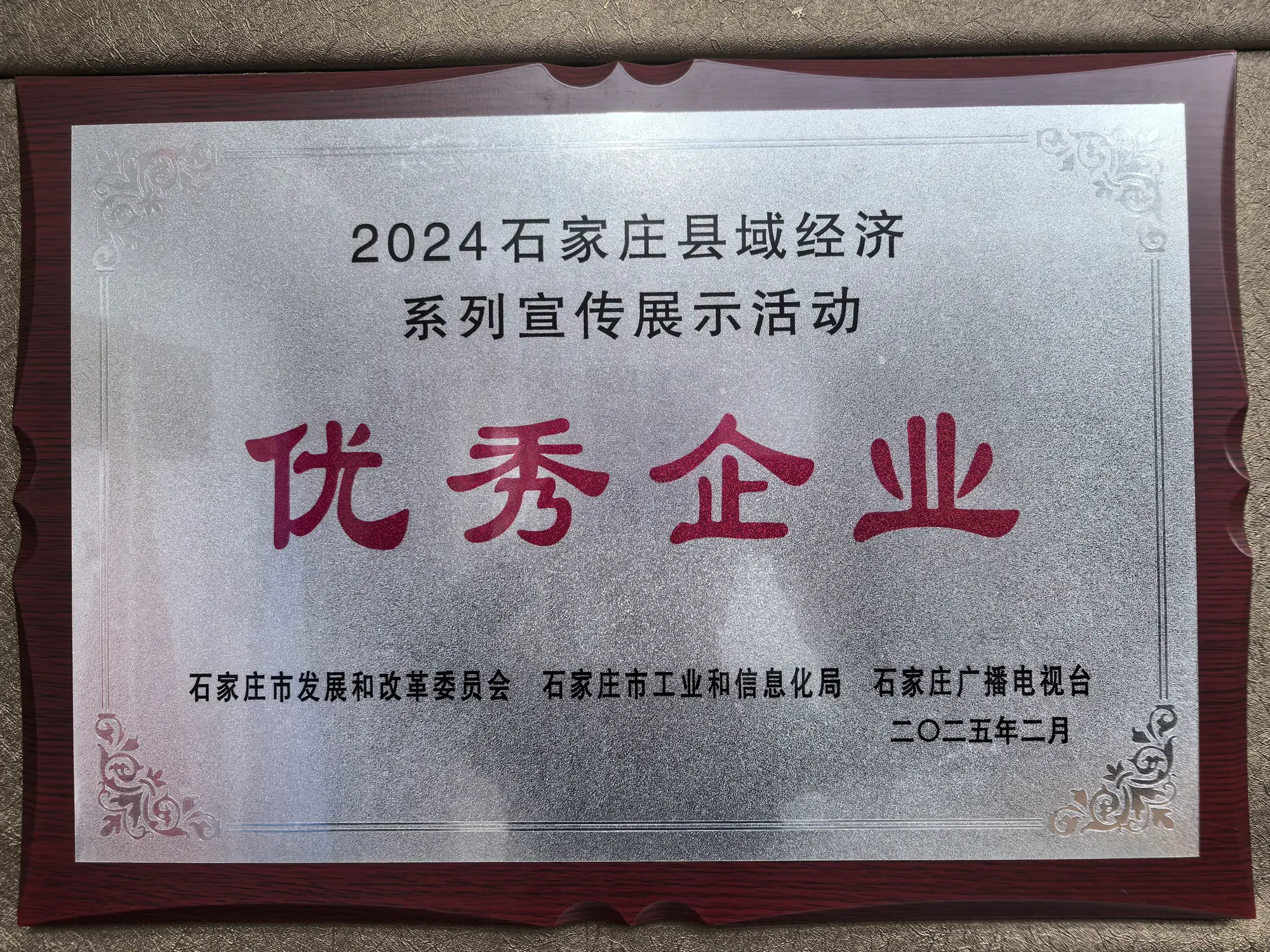
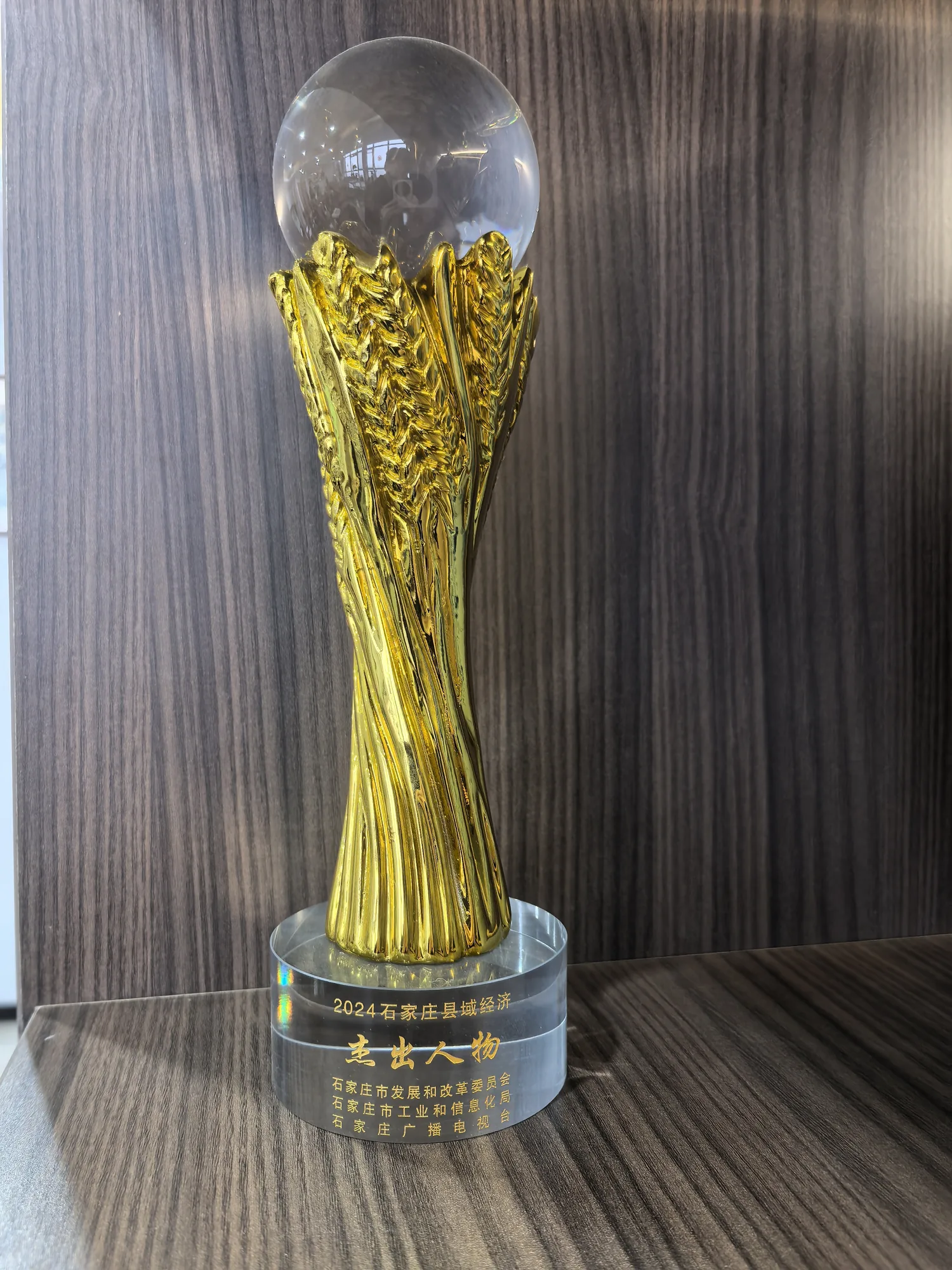
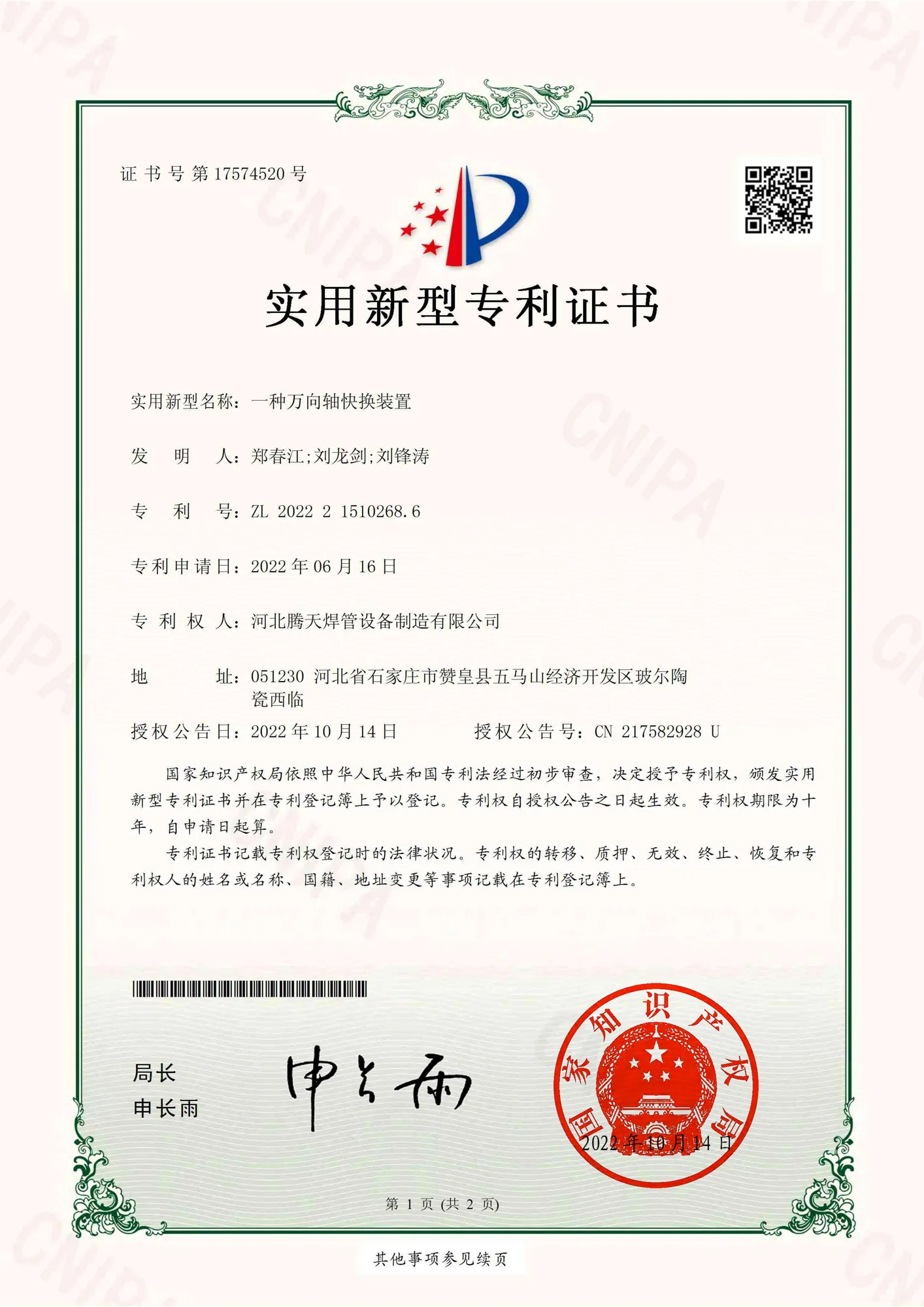
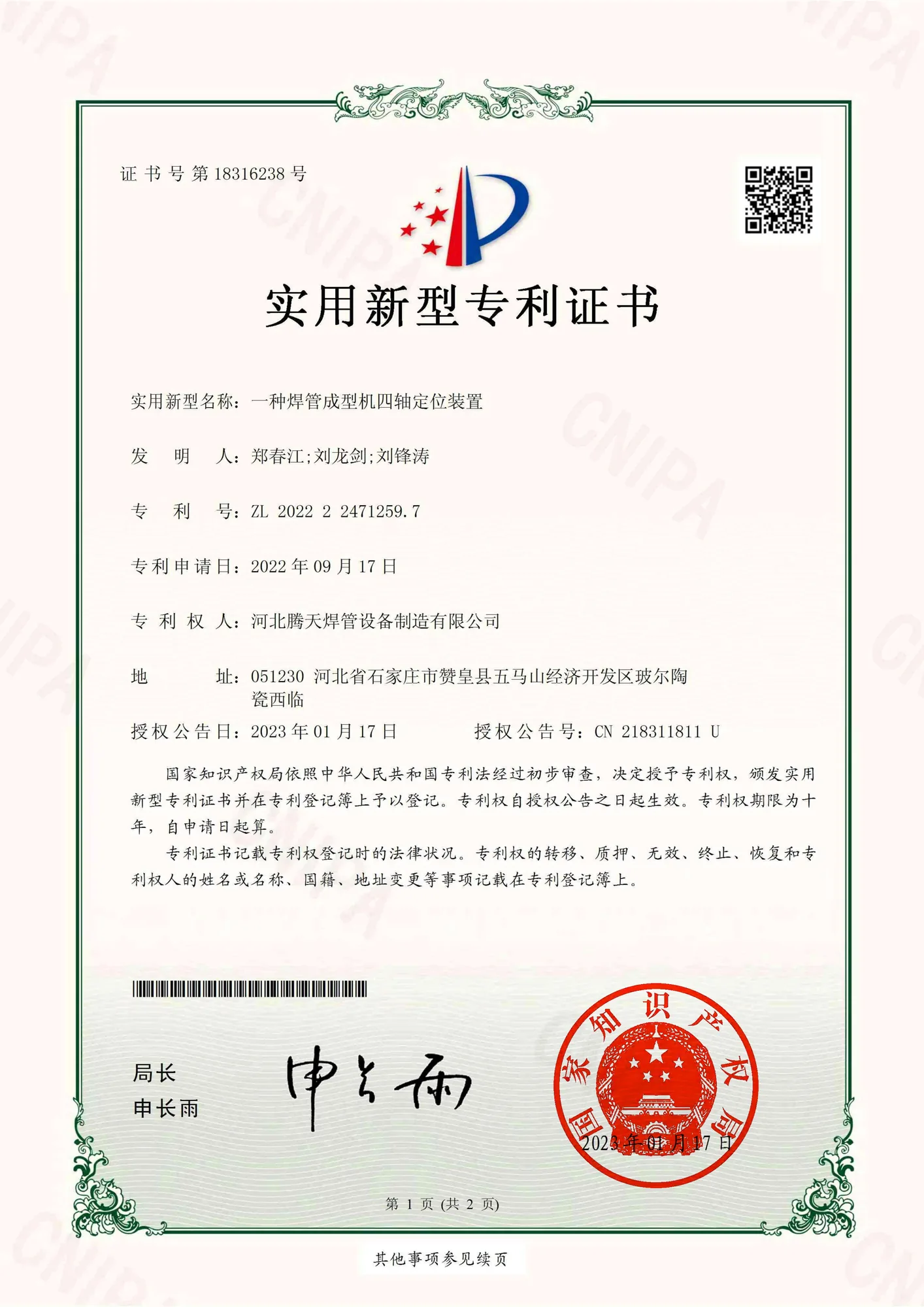
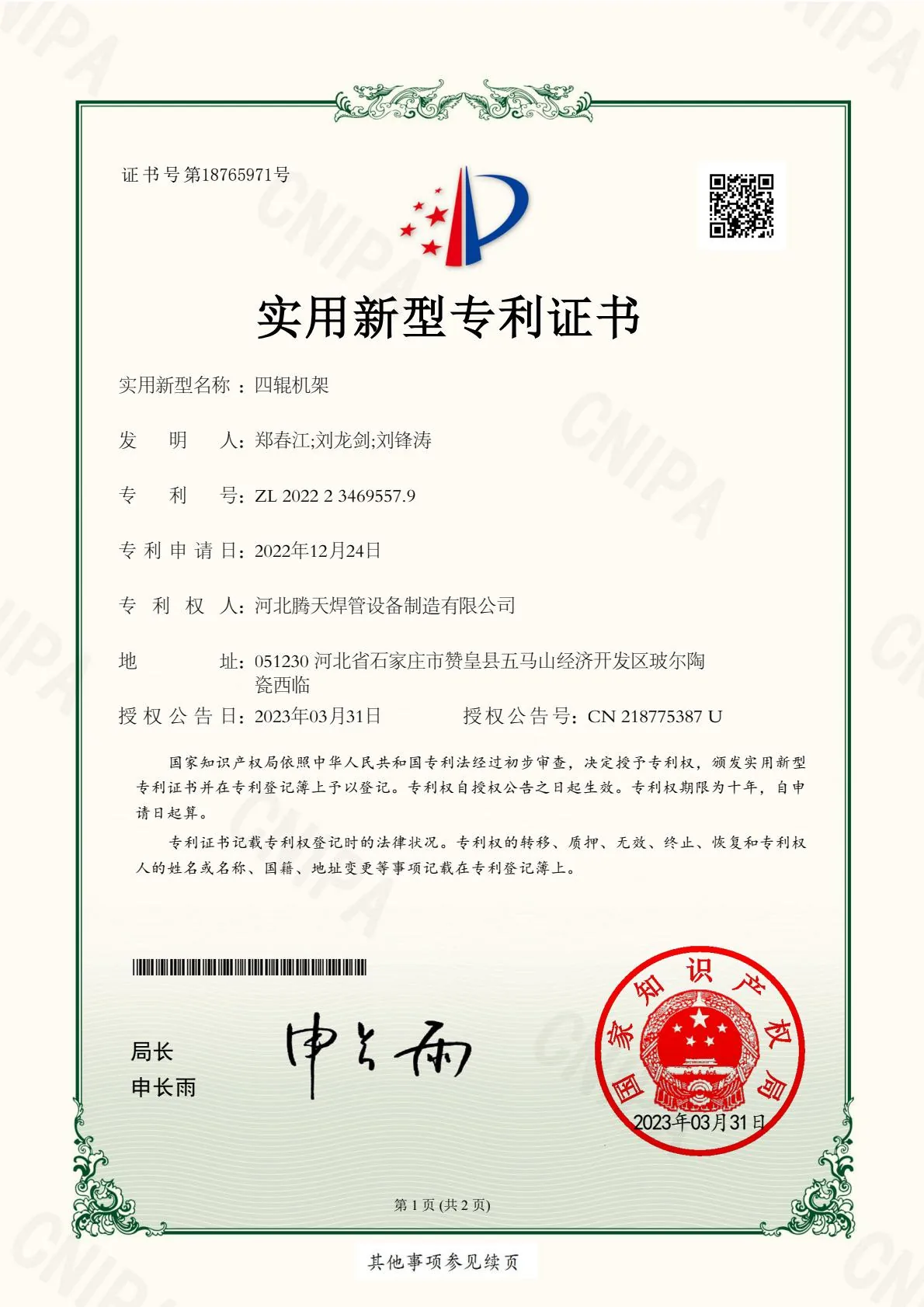
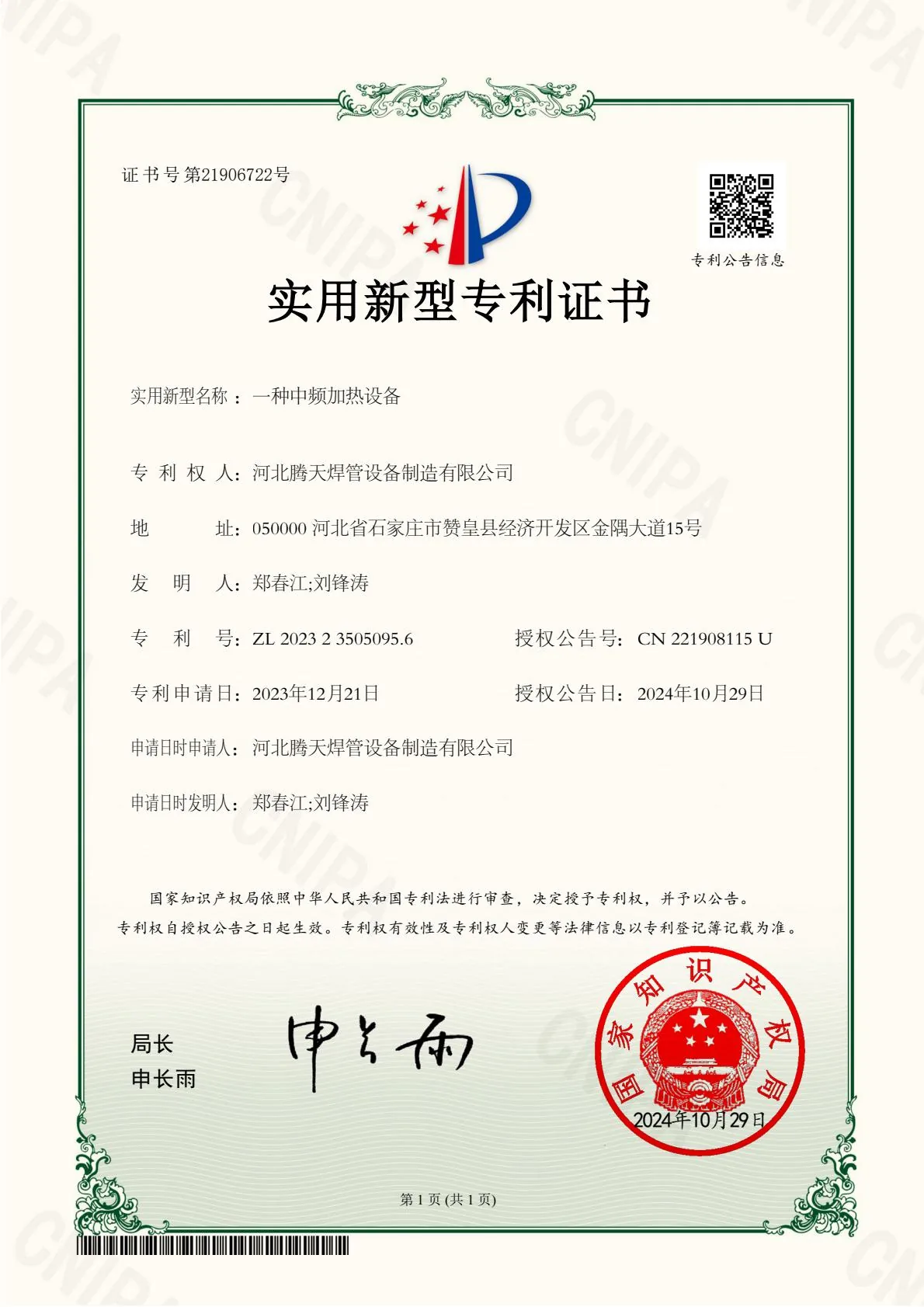
Beyond the product certificates listed further down, the works also holds the registrations that make export trade possible and the recognitions that describe how it is run: Hebei “specialised and innovative” SME listing (2023), provincial small technology enterprise certificate (2023),
an industry-academia cooperation with Hebei University of Engineering Science, a foreign-trade operator filing certificate, a customs registration certificate, a domestic trademark registration in class 7, a pollutant discharge permit, and a credit-standing enterprise listing.
The despatch end of the works is where the export scope becomes visible.
A complete line is broken down into container-shippable units: machine frames strapped bare onto reinforced frames with designed-in lifting points; control cabinets, induction coils and impeders, forming rolls and cutting tools crated in moisture-protected wooden cases; spare rolls and tooling travelling in the same containers so the plant is not waiting on a second shipment at commissioning.
Works location: Zanhuang, Hebei, China.
Company Film — Hebei TengtianThe works, the shop floor and the lines running, in one film.
In-House CNC Roll Machining — Why We Do Not Outsource Tooling
The same CNC capability underwrites our changeover economics: on direct-square-forming lines, size is changed by combined dies rather than by changing rolls, and roll consumption drops by more than 90%. One exception: making 100 × 100 mm tube needs the upper roll on the final open stand changed.
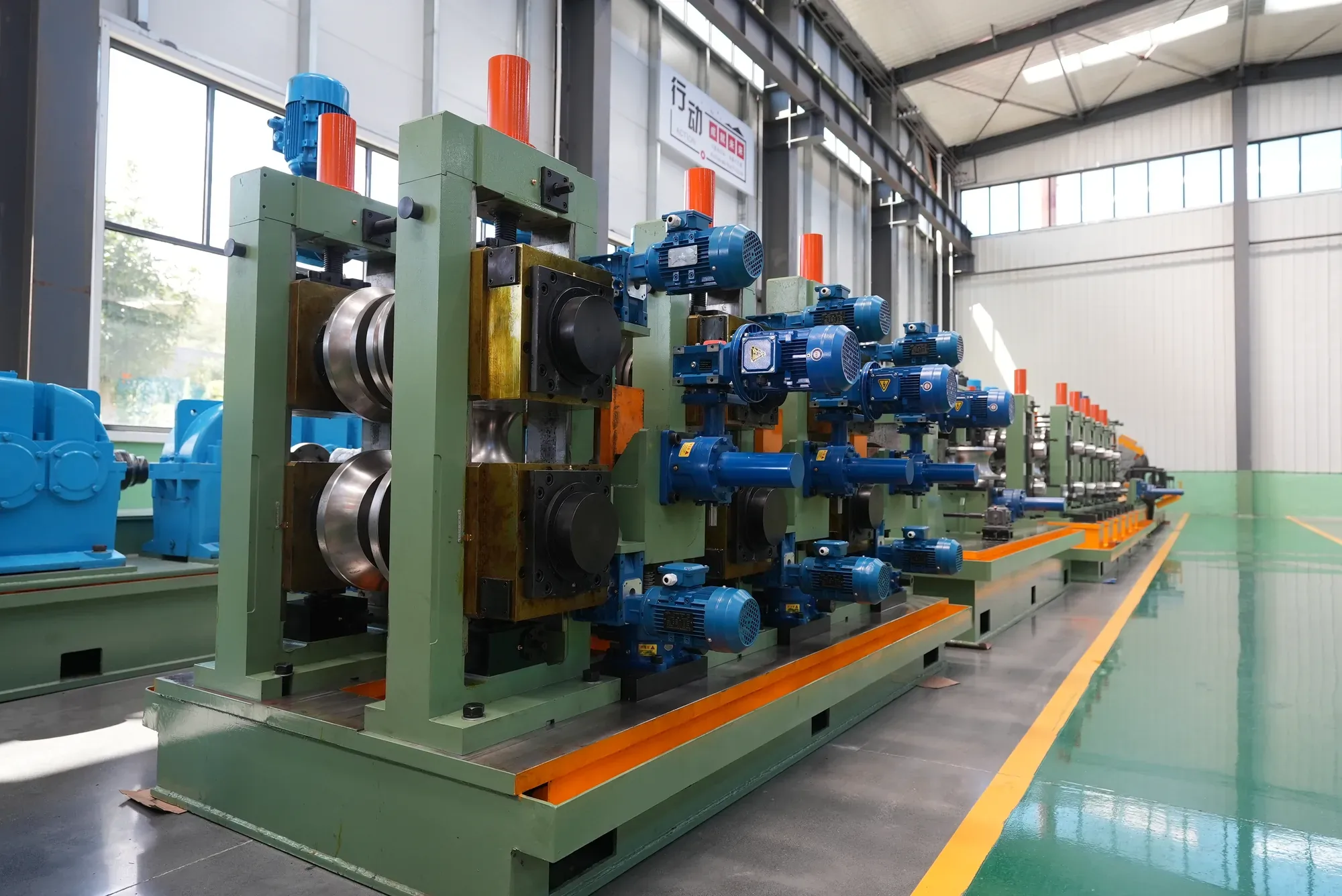
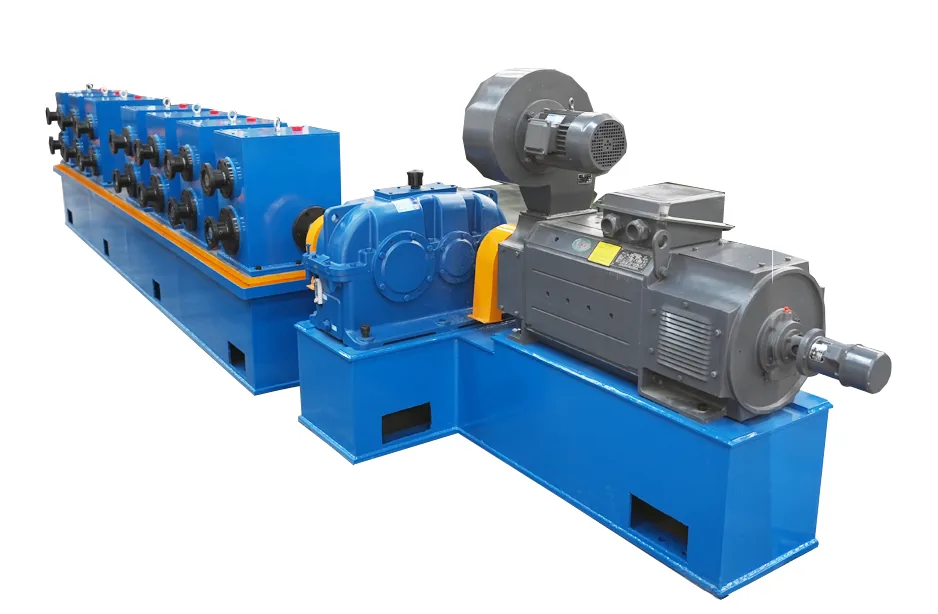
Forming rolls are the part of a tube mill that wears, and they are the part a buyer will be re-ordering for the working life of the line. Tengtian machines them on its own CNC equipment.
Buying rolls from an outside shop puts delivery, price and consistency at the mercy of that shop’s own order book.
This is also the direct answer to the objection that comes up in almost every first enquiry — “can a Chinese supplier keep spares coming?” Continuous roll and spare supply is possible because the capability sits inside the works.
The second thing kept in-house is line sizing. Matching outside diameter, welder power and unit selection to what the plant actually intends to produce is where a mill goes wrong before it is ever built — over-specify and the capital is wasted, under-specify and the output or the quality never arrives.
That match is made by the engineering team rather than handed to a configurator, and it is the reason a first enquiry asks for target diameter, wall thickness and output before it asks for anything else.
The reason is supply risk, not cost. When roll machining is outsourced, three things move outside the equipment maker’s control at once: lead time, unit cost, and — the one that hurts later — dimensional consistency between the roll set delivered with the line and the replacement set ordered three years on.
Line Pre-Assembly and Pre-Delivery Test Running
Installation, commissioning and operator training at the destination are inside the after-sales scope; engineers are dispatched to site and support stays online after handover.
- Credentials and track record:
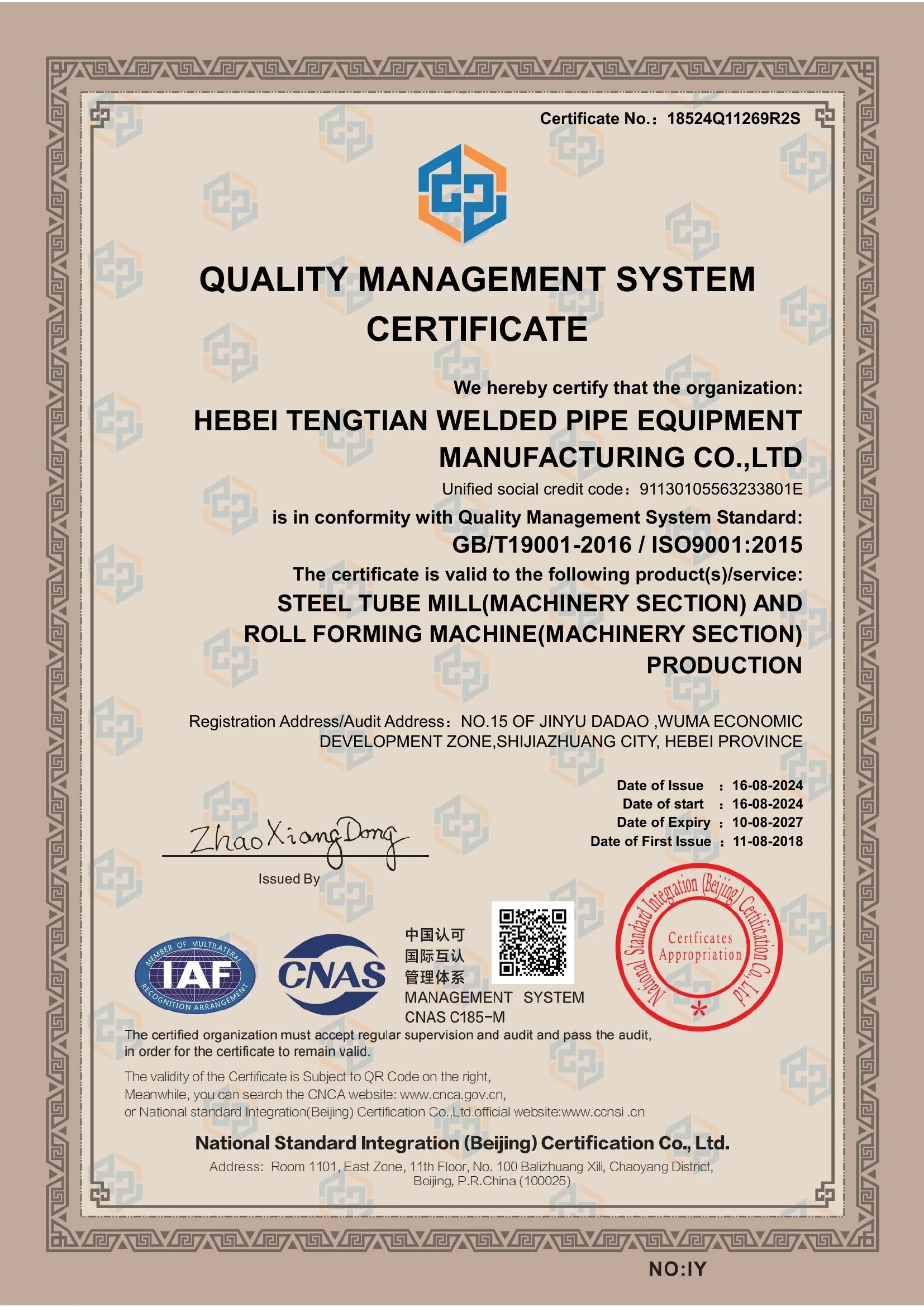
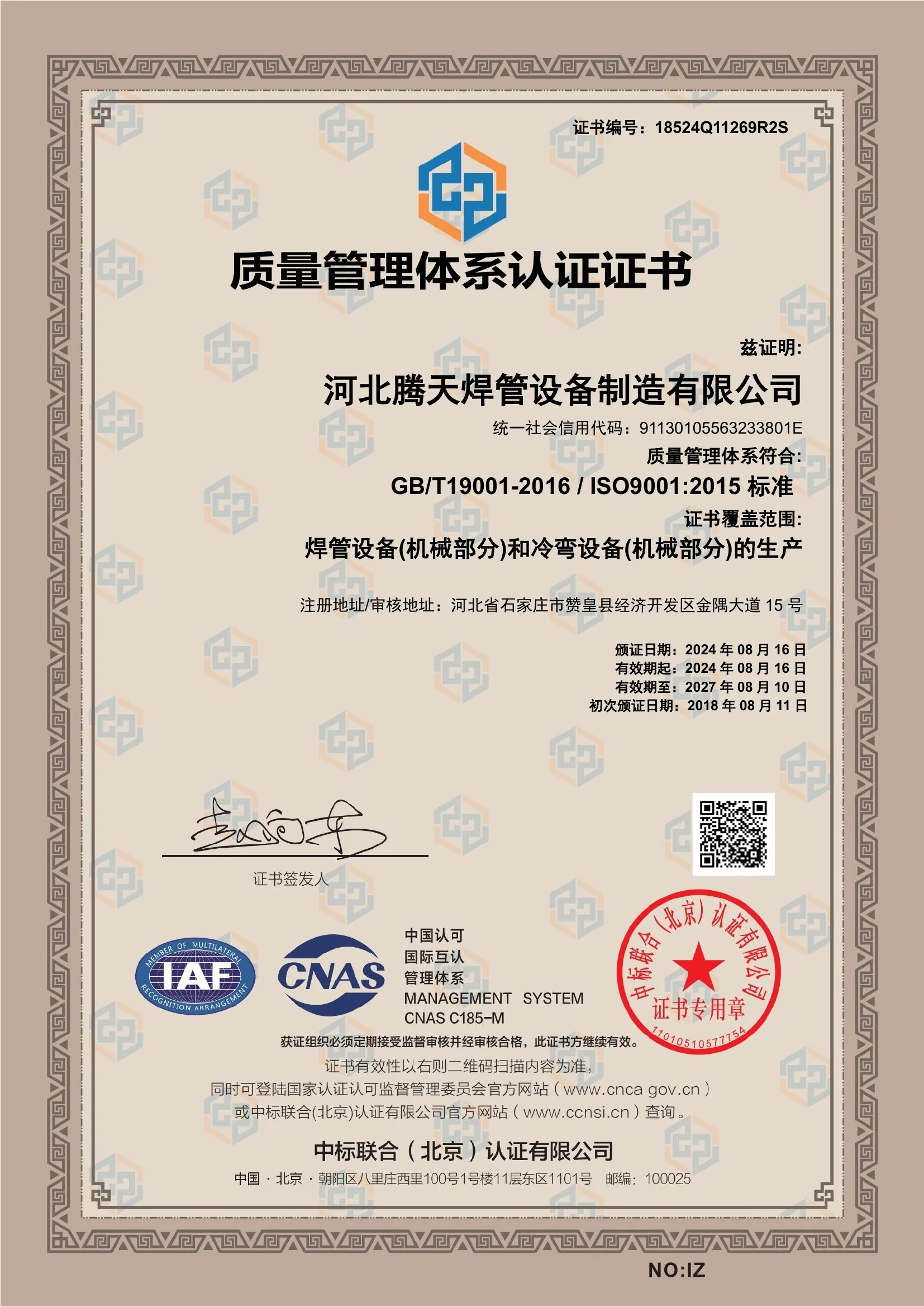
- ISO 9001 — 18524Q11269R2S (GB/T 19001-2016 / ISO 9001:2015)
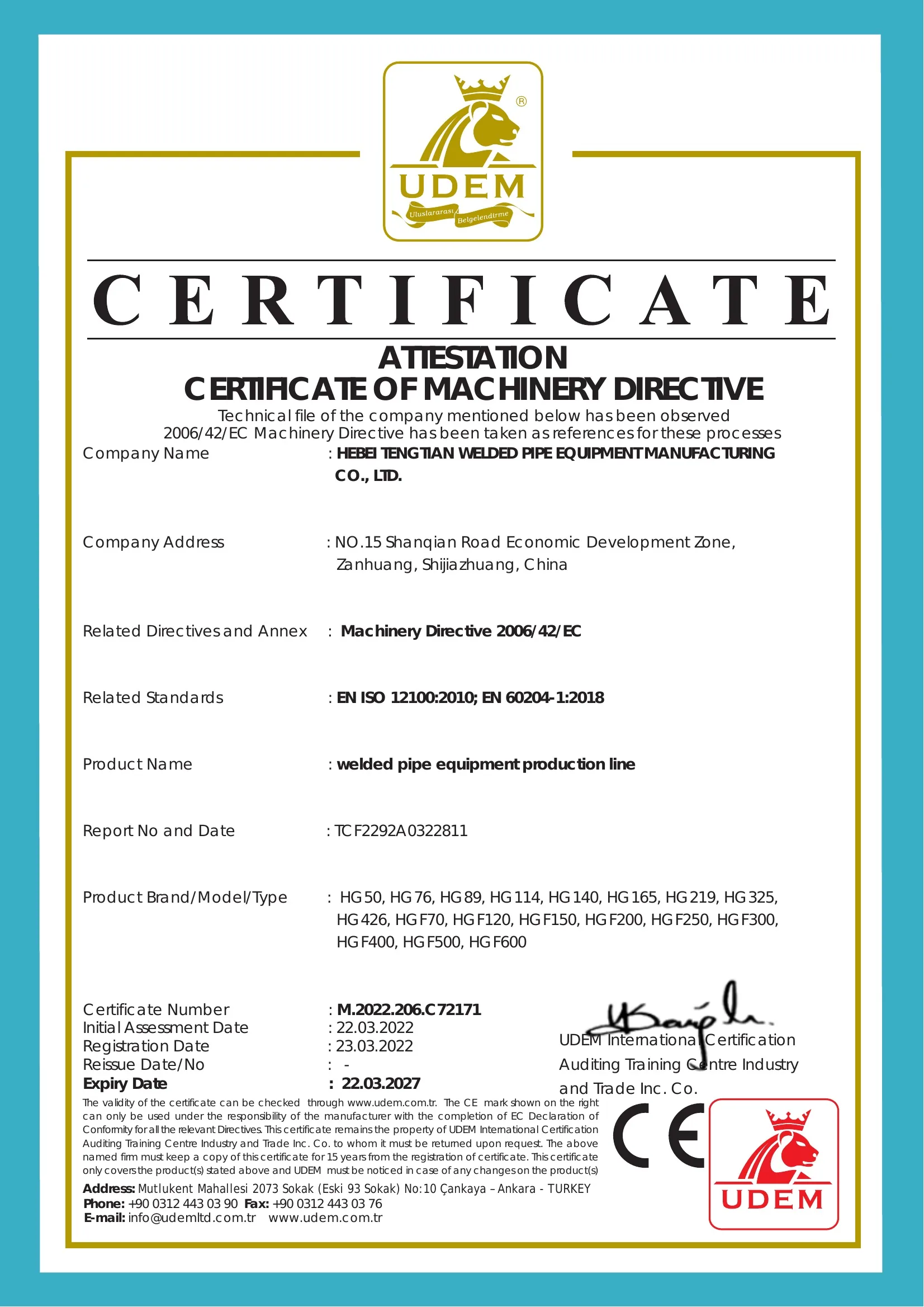
- CE — UDEM M.2022.206.C72171 (welded pipe equipment) / C72172 (cold roll forming) / C72173 (slitting lines)
- Technical file verified by Ente Certificazione Macchine Srl (Italy) 0P250616.HTWTT37
- Enterprise standard Q/GYLTT01-2023 (HGF150), published on the national platform
- High-Tech Enterprise GR202413001148
- Hebei first-set major technical equipment catalogue, item 33 — HGF150
- Madrid trademark TENGTIAN, No. 1 707 606, Nice class 7
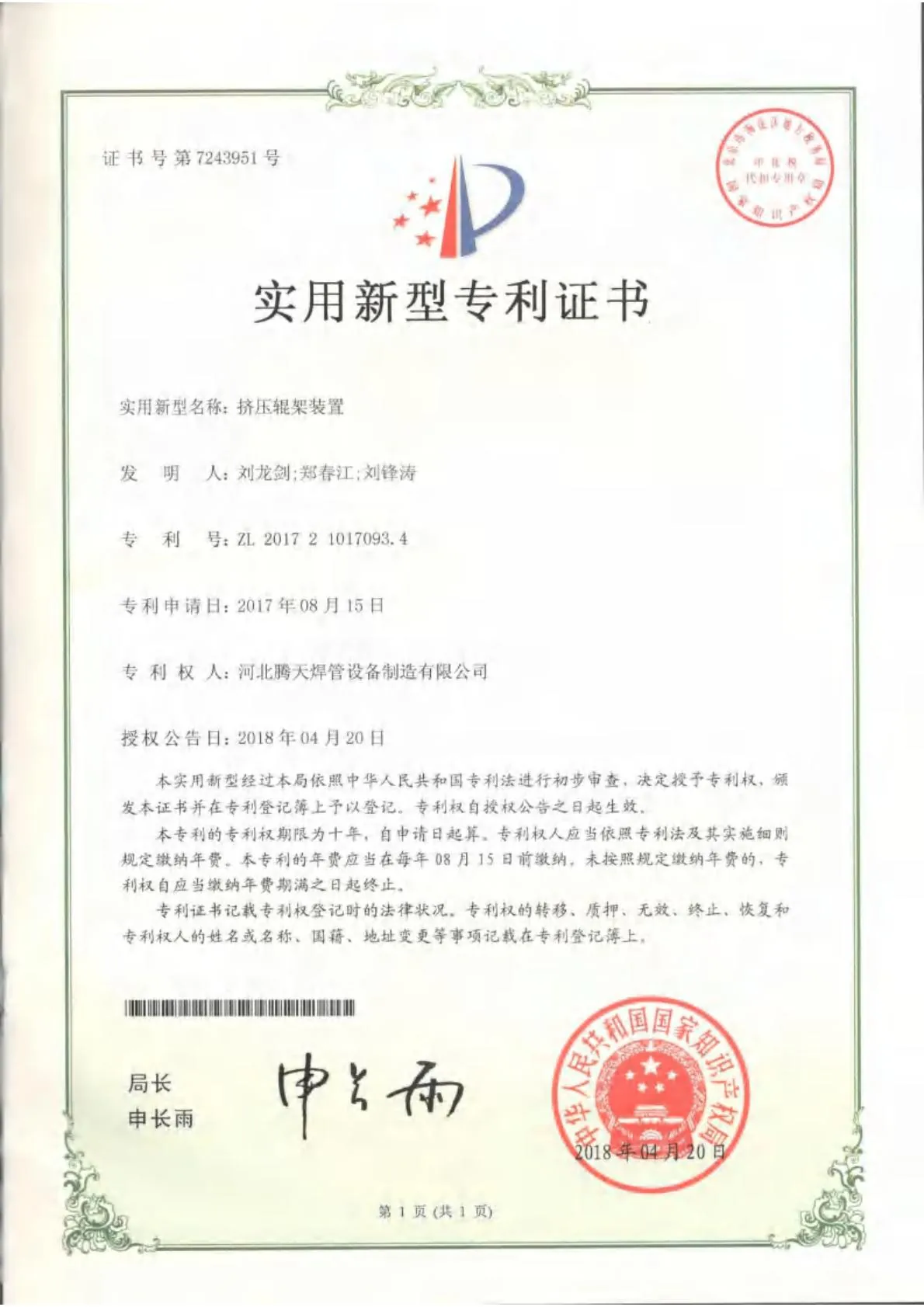
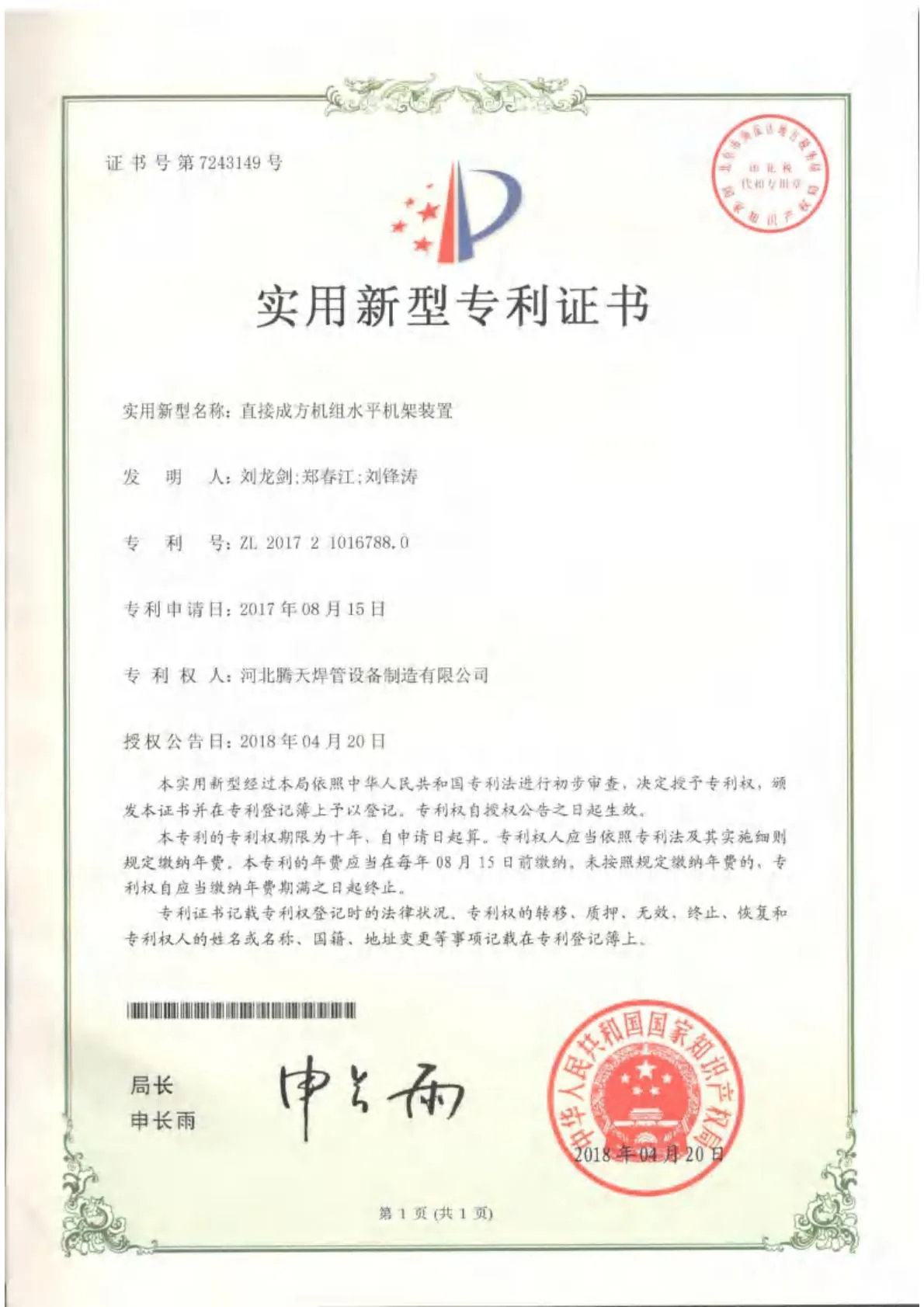
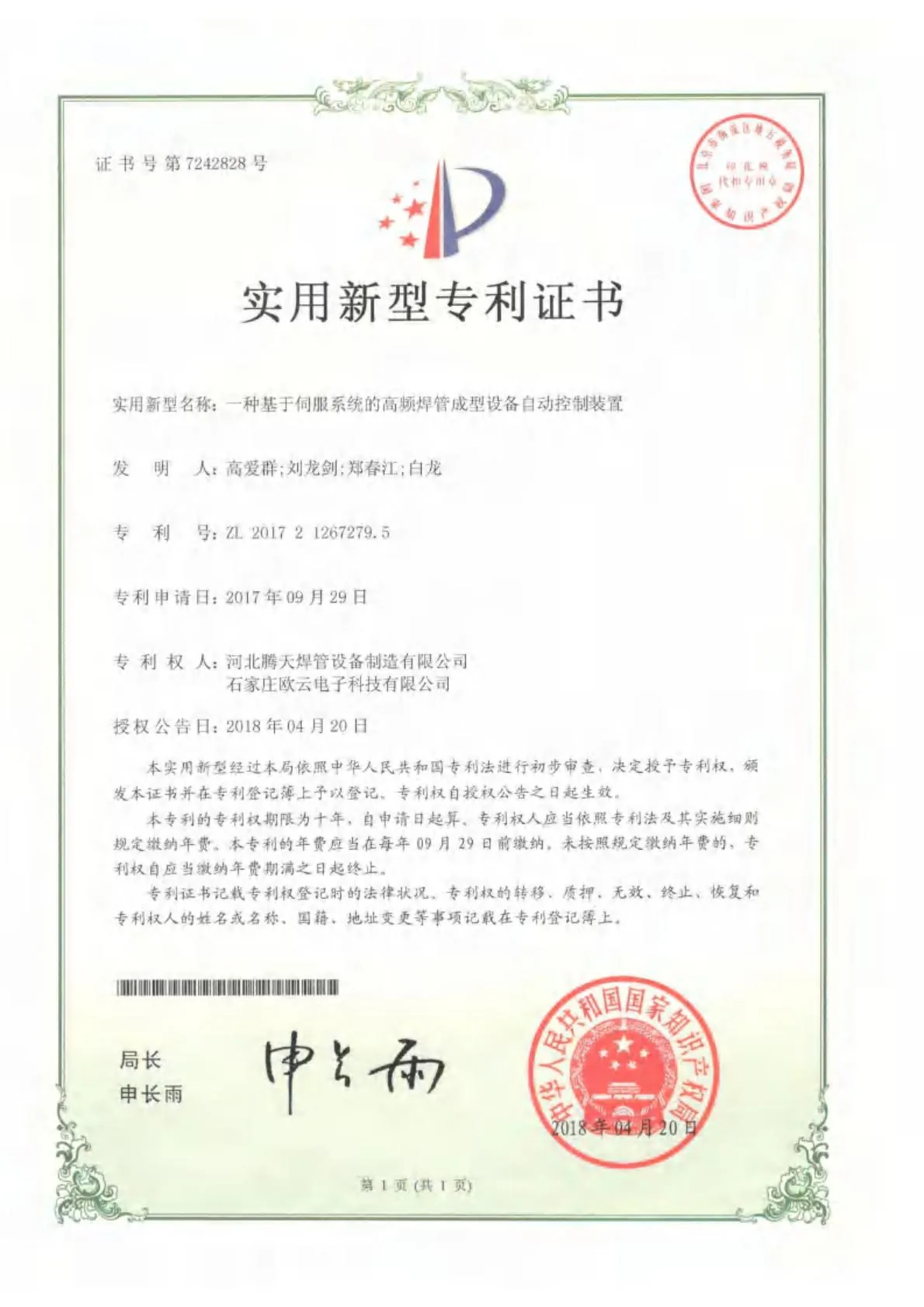
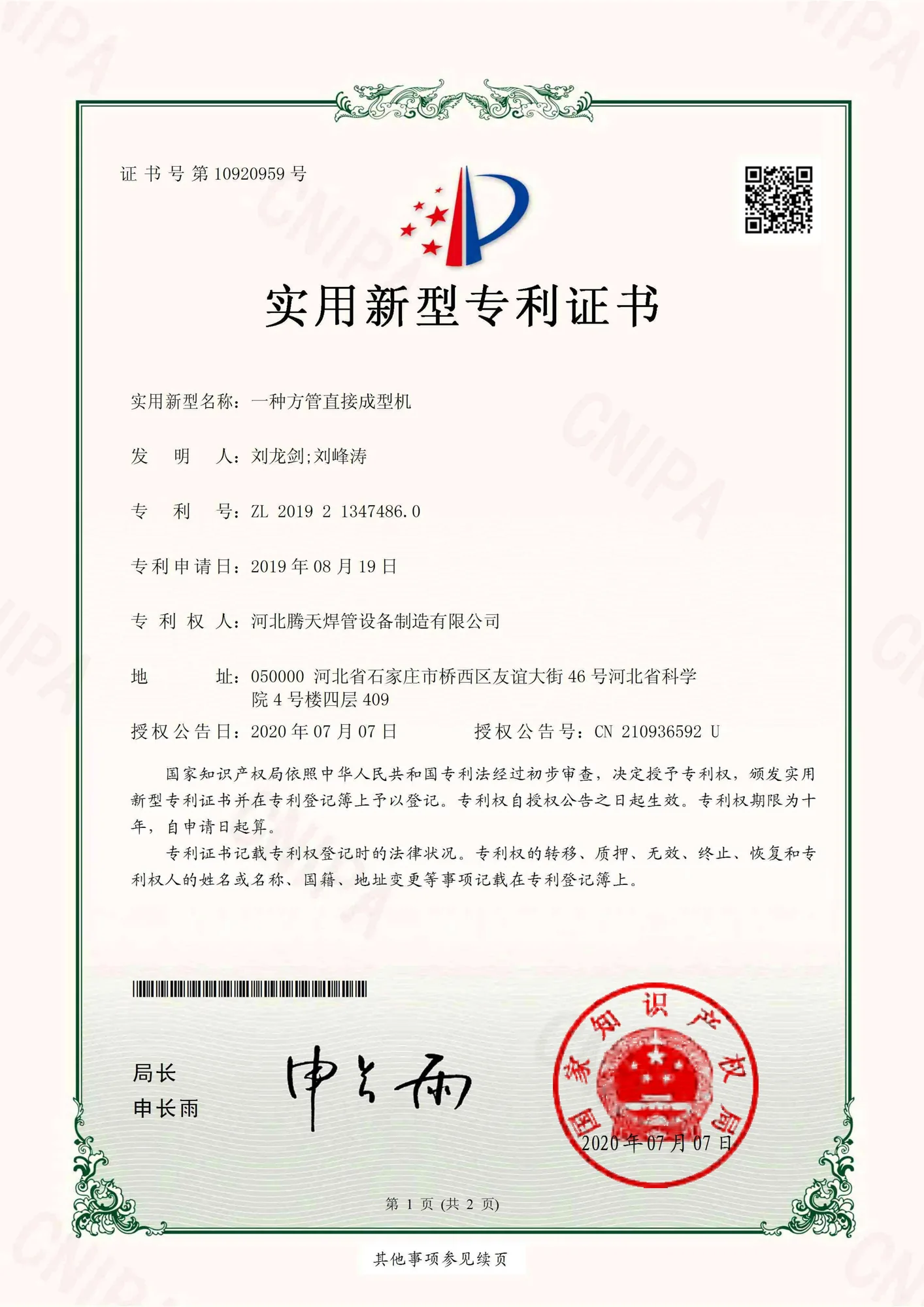
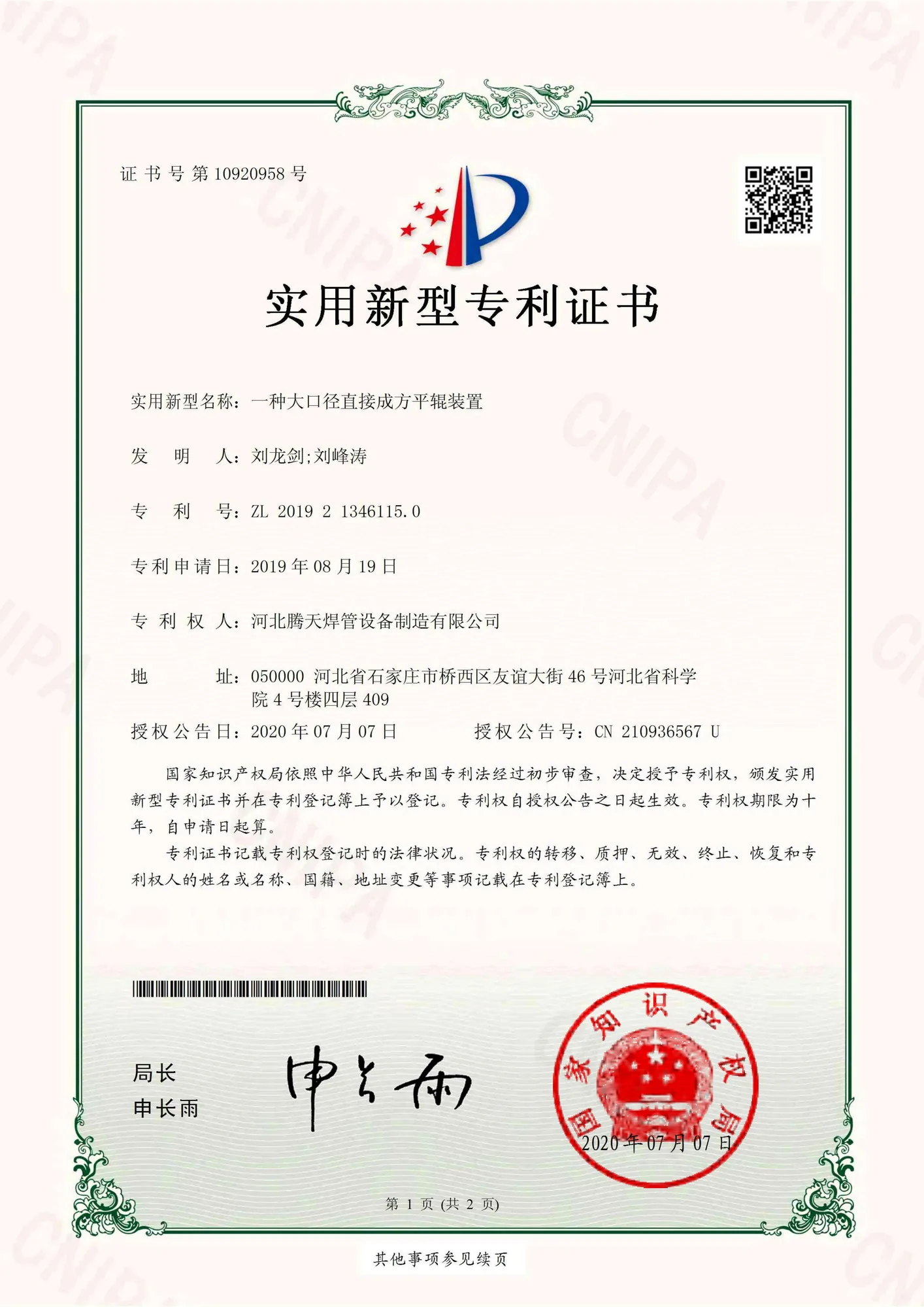
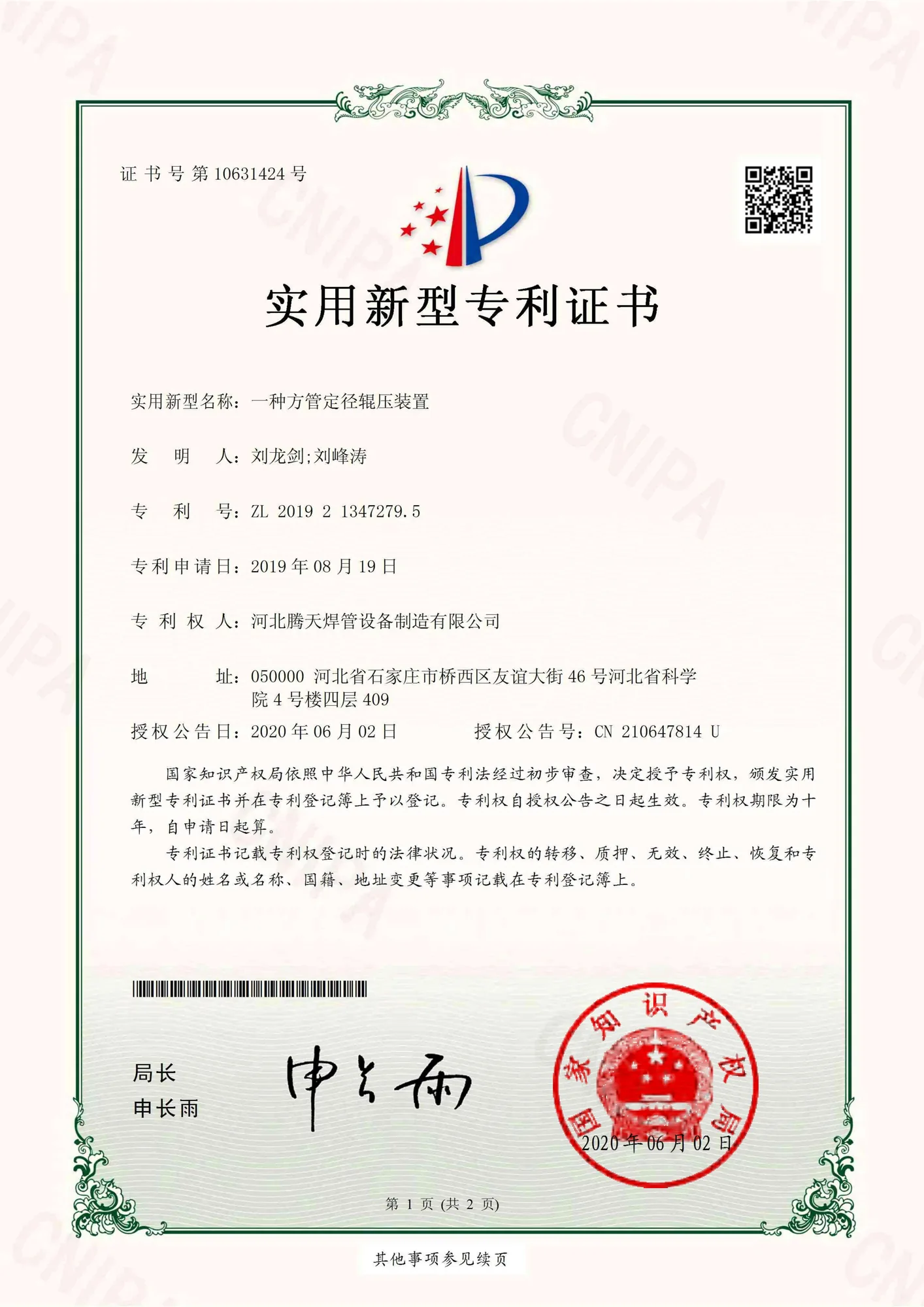
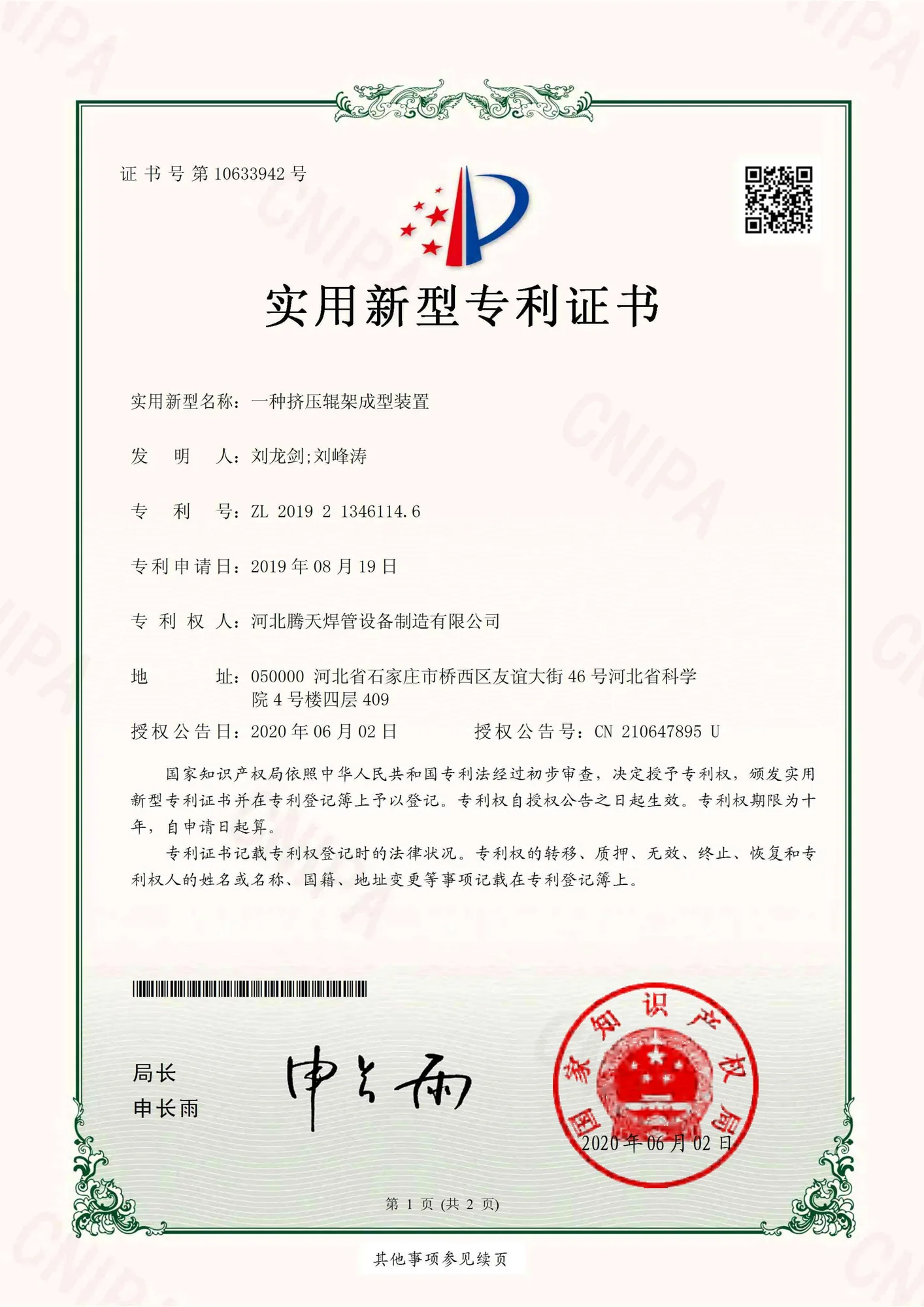
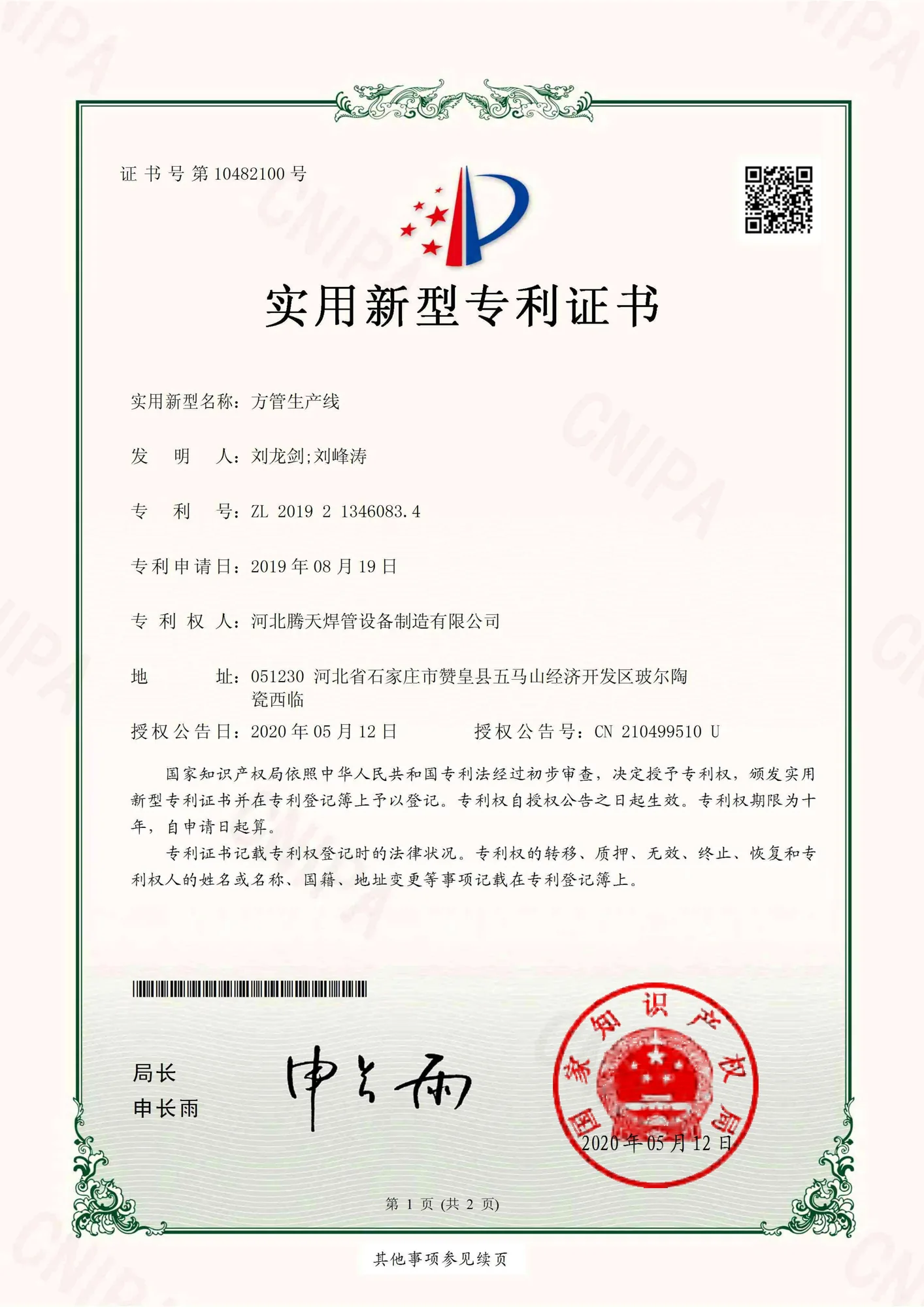
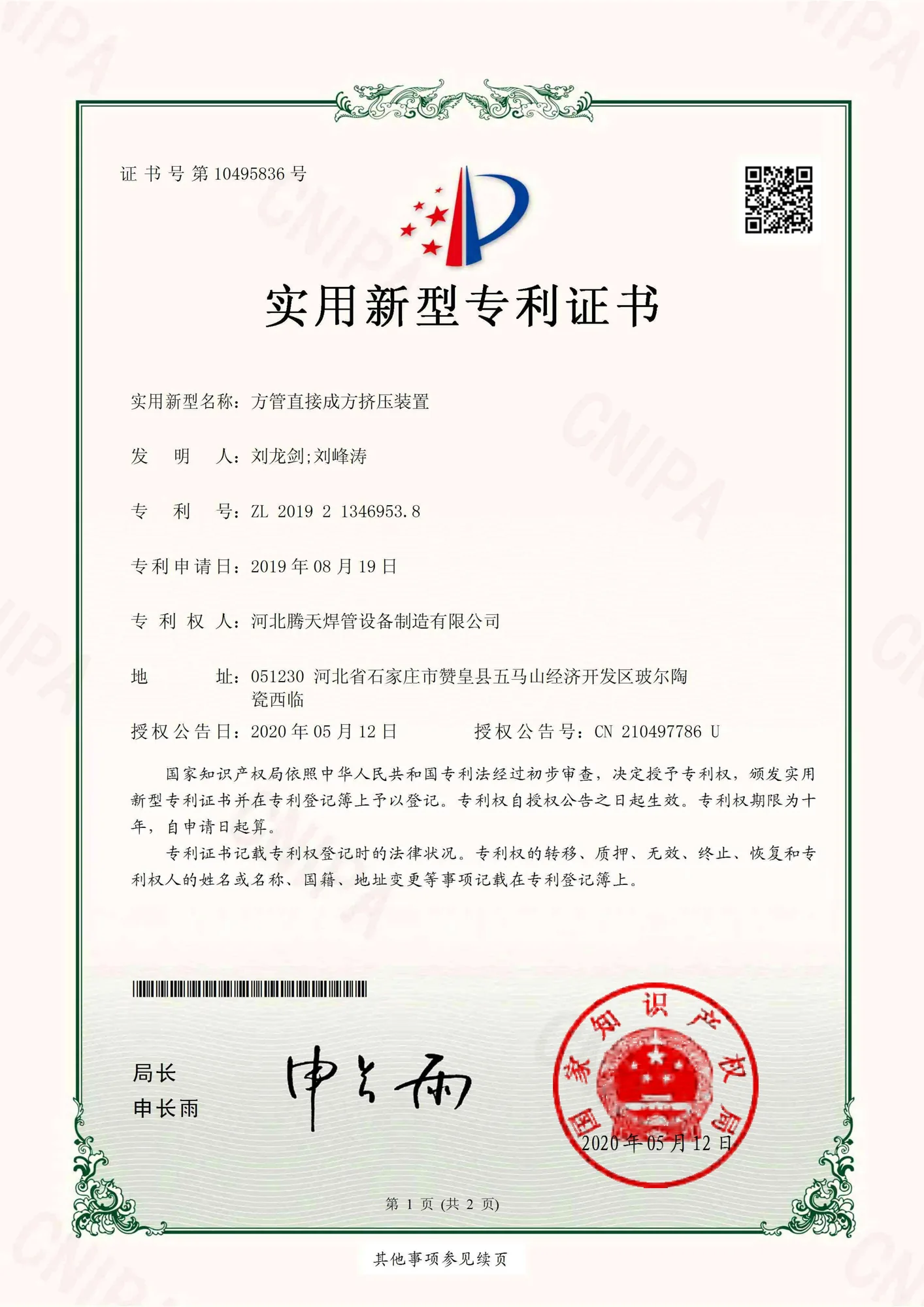
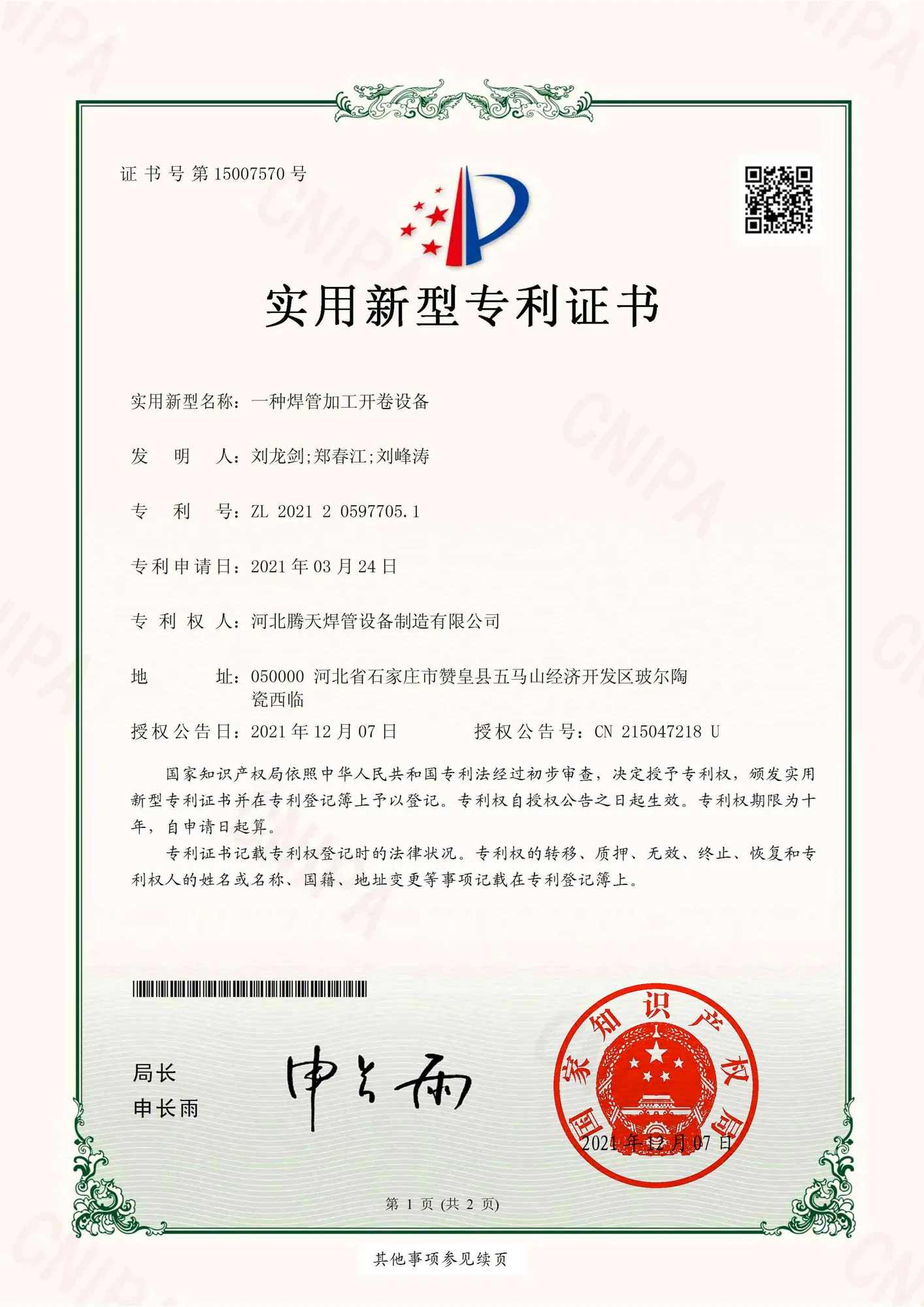
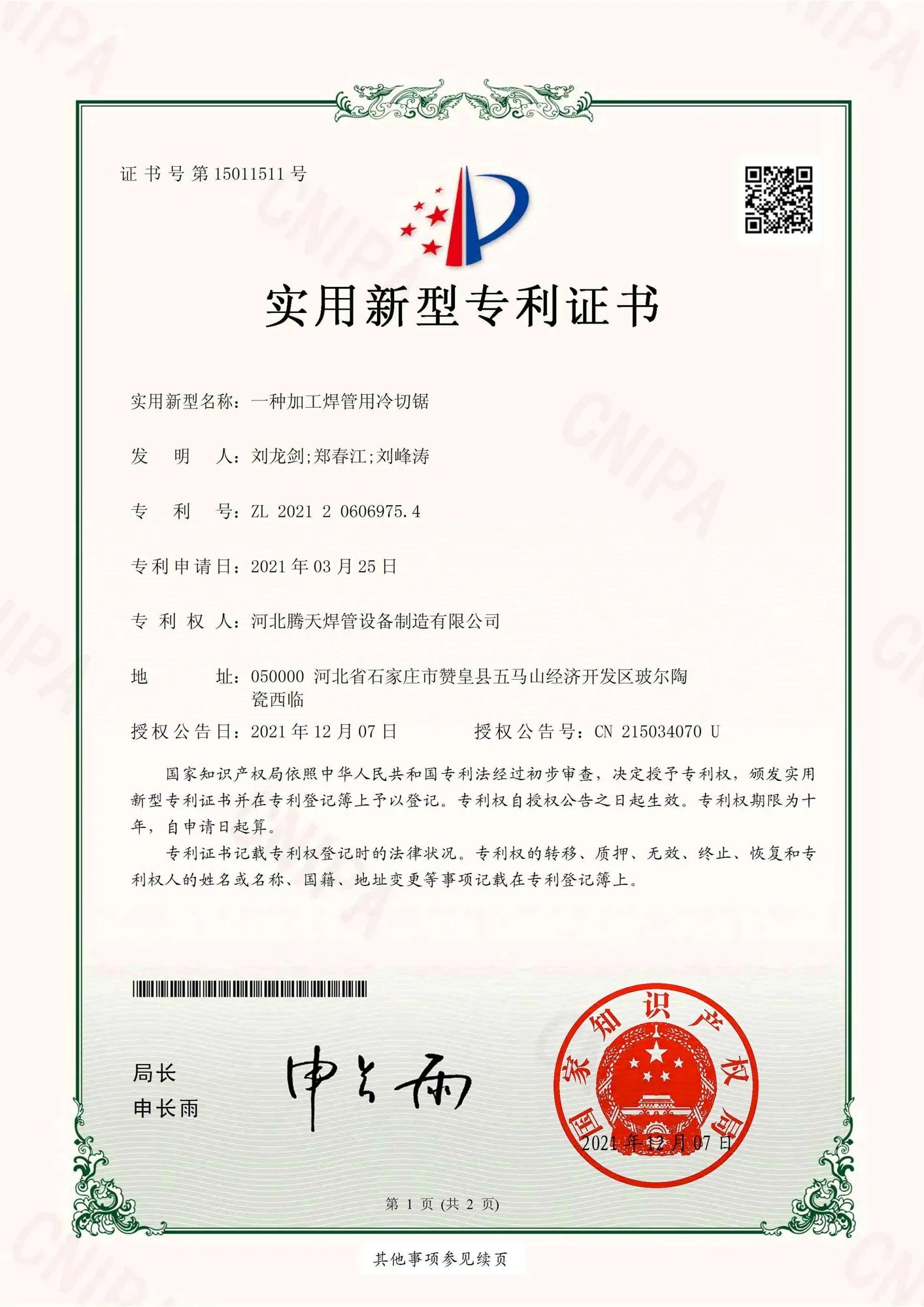
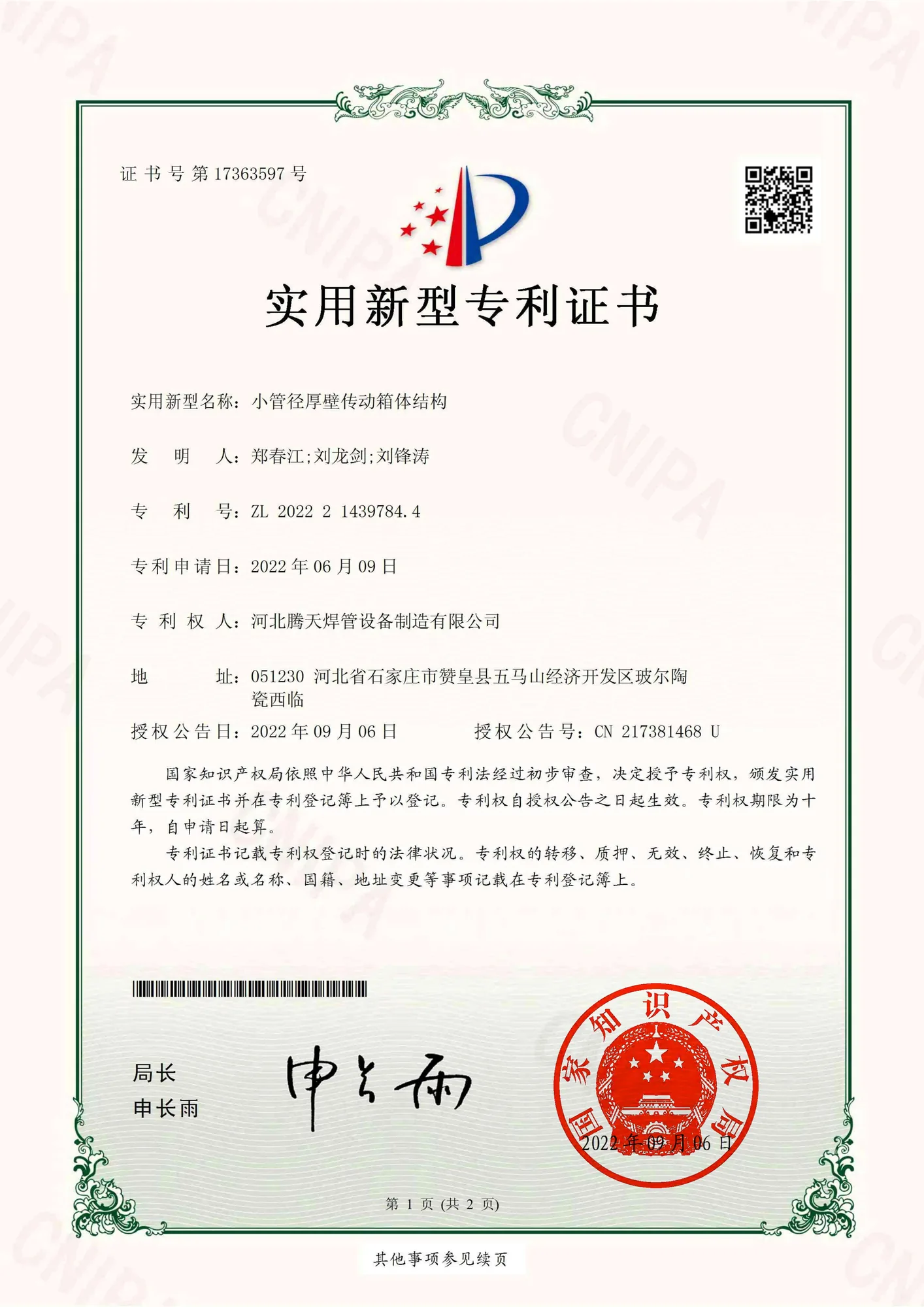
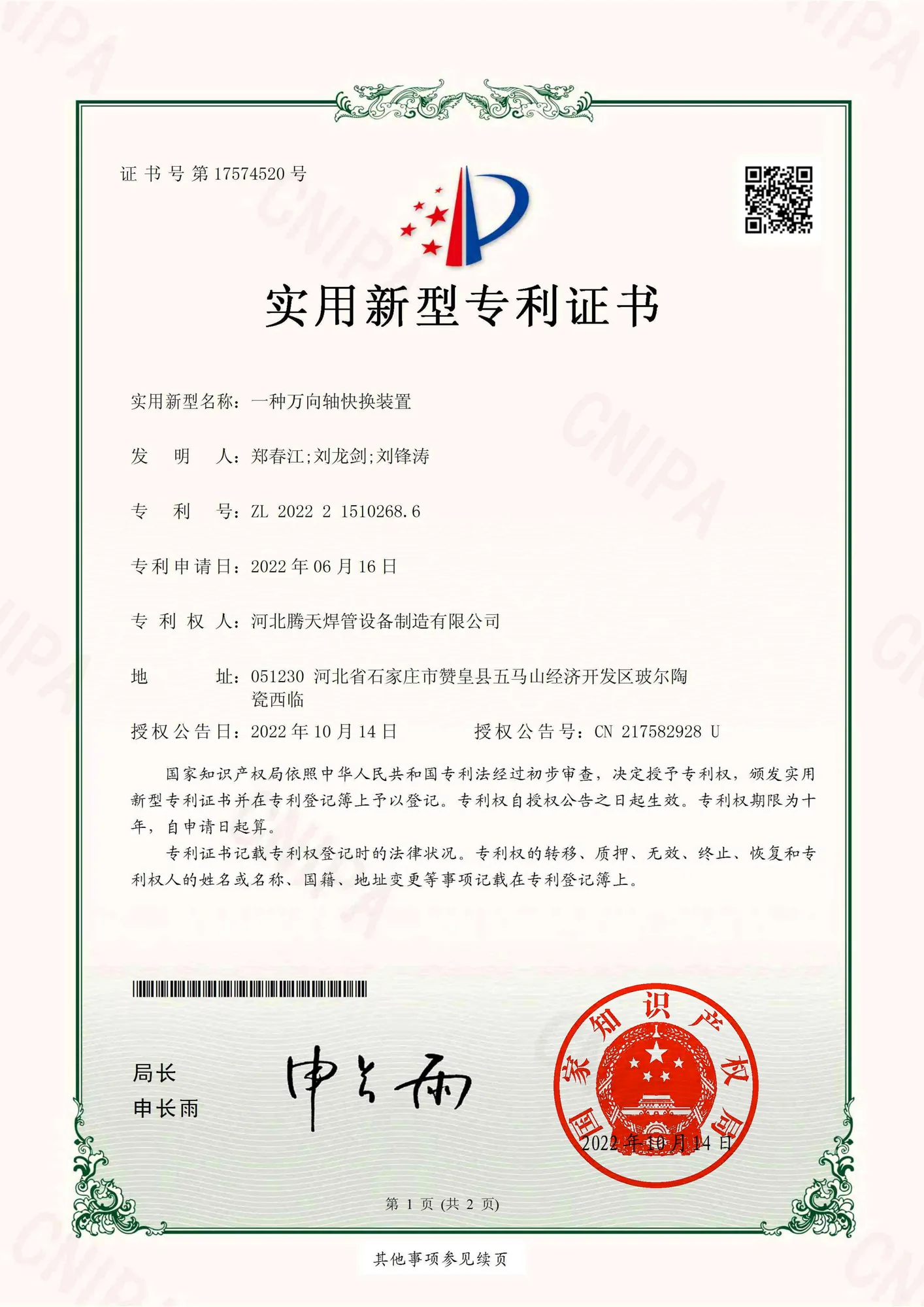
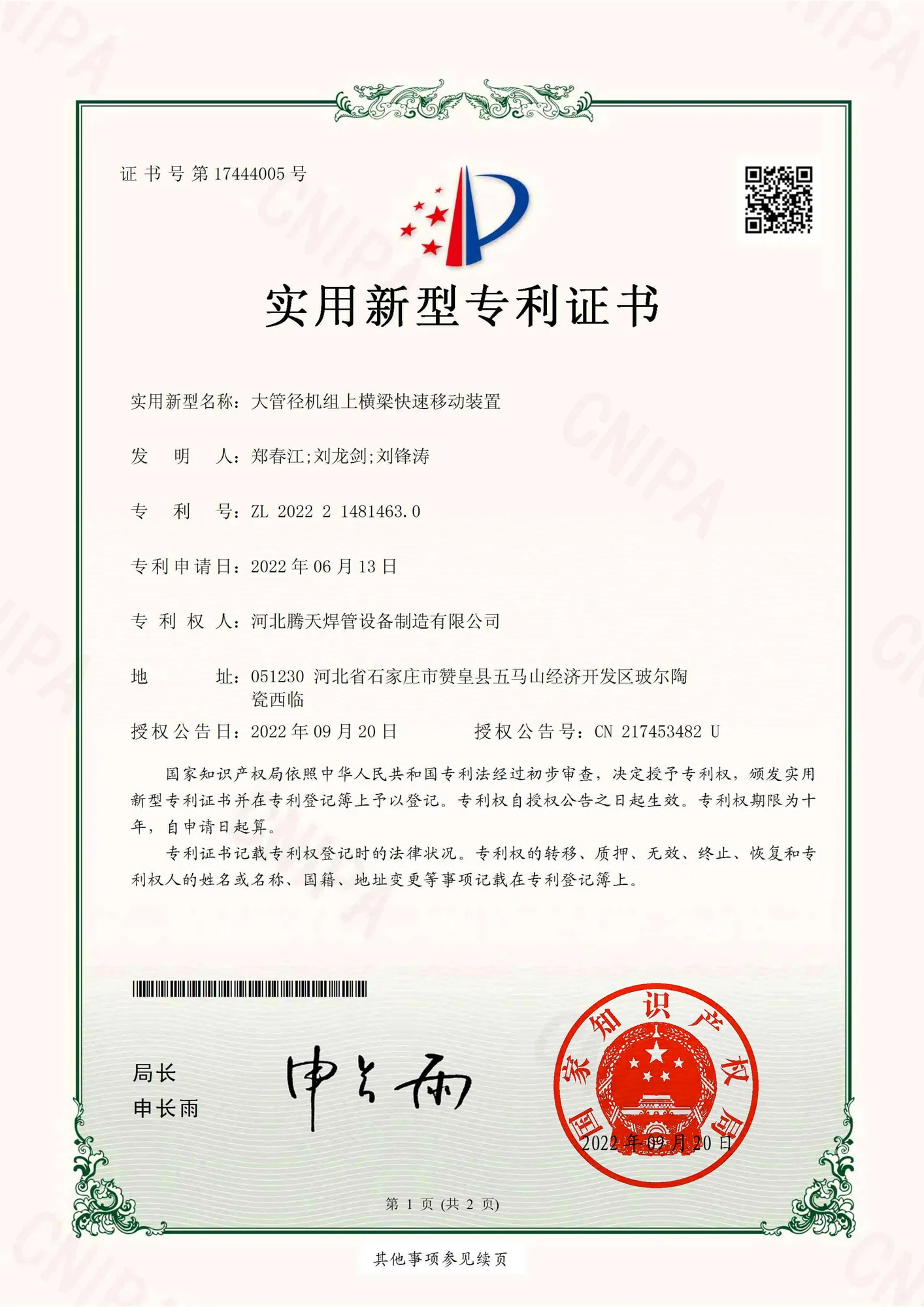
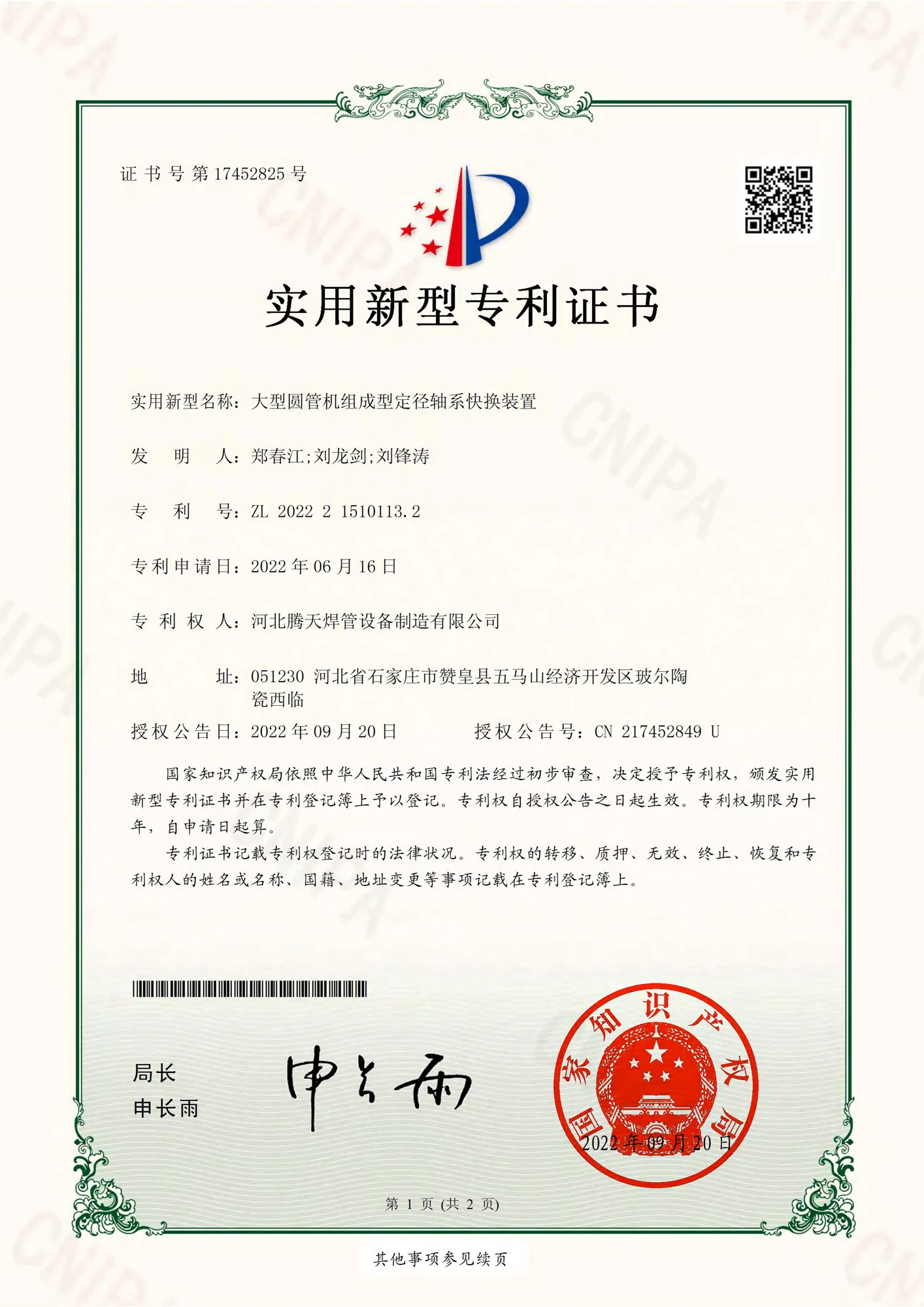
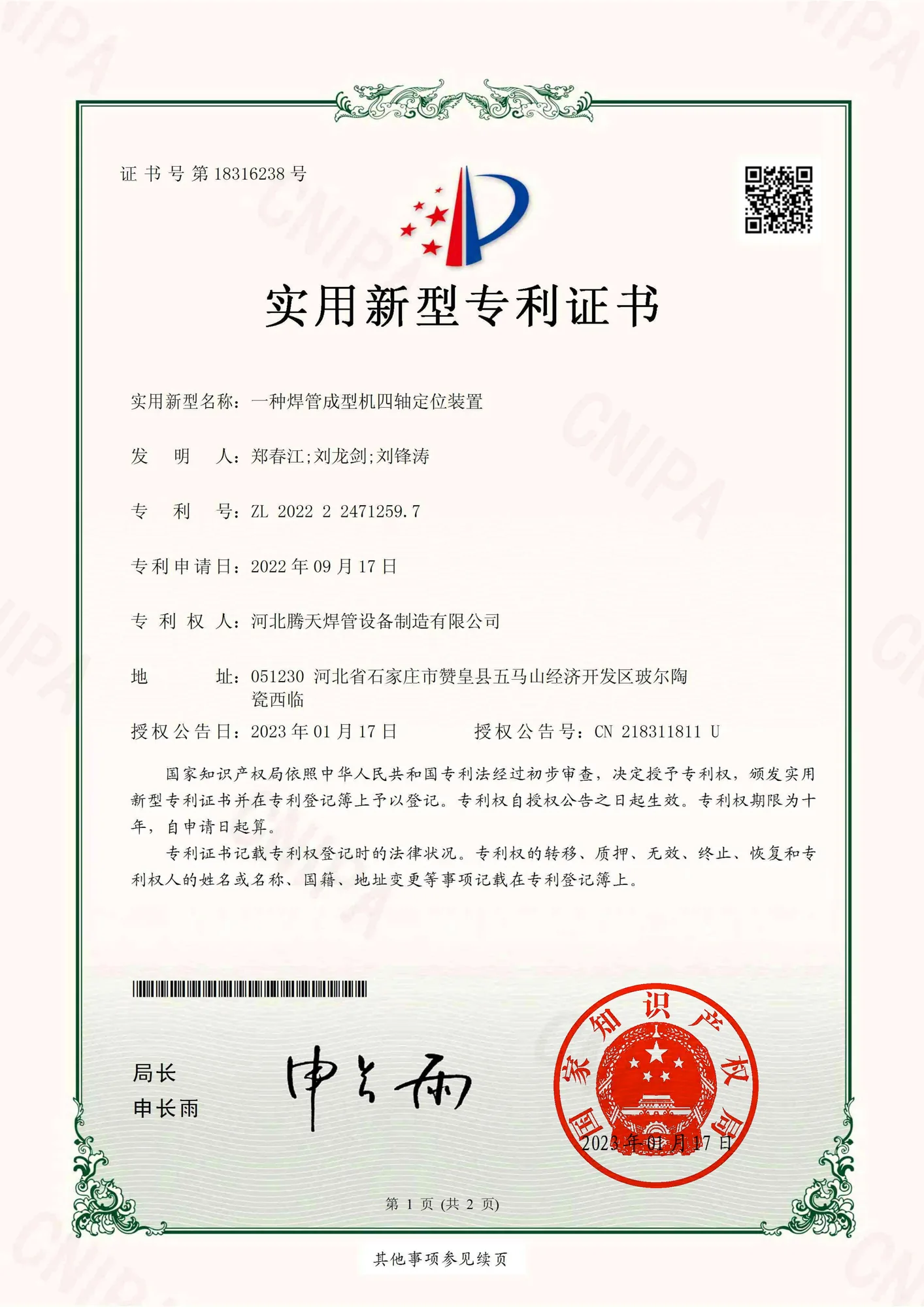
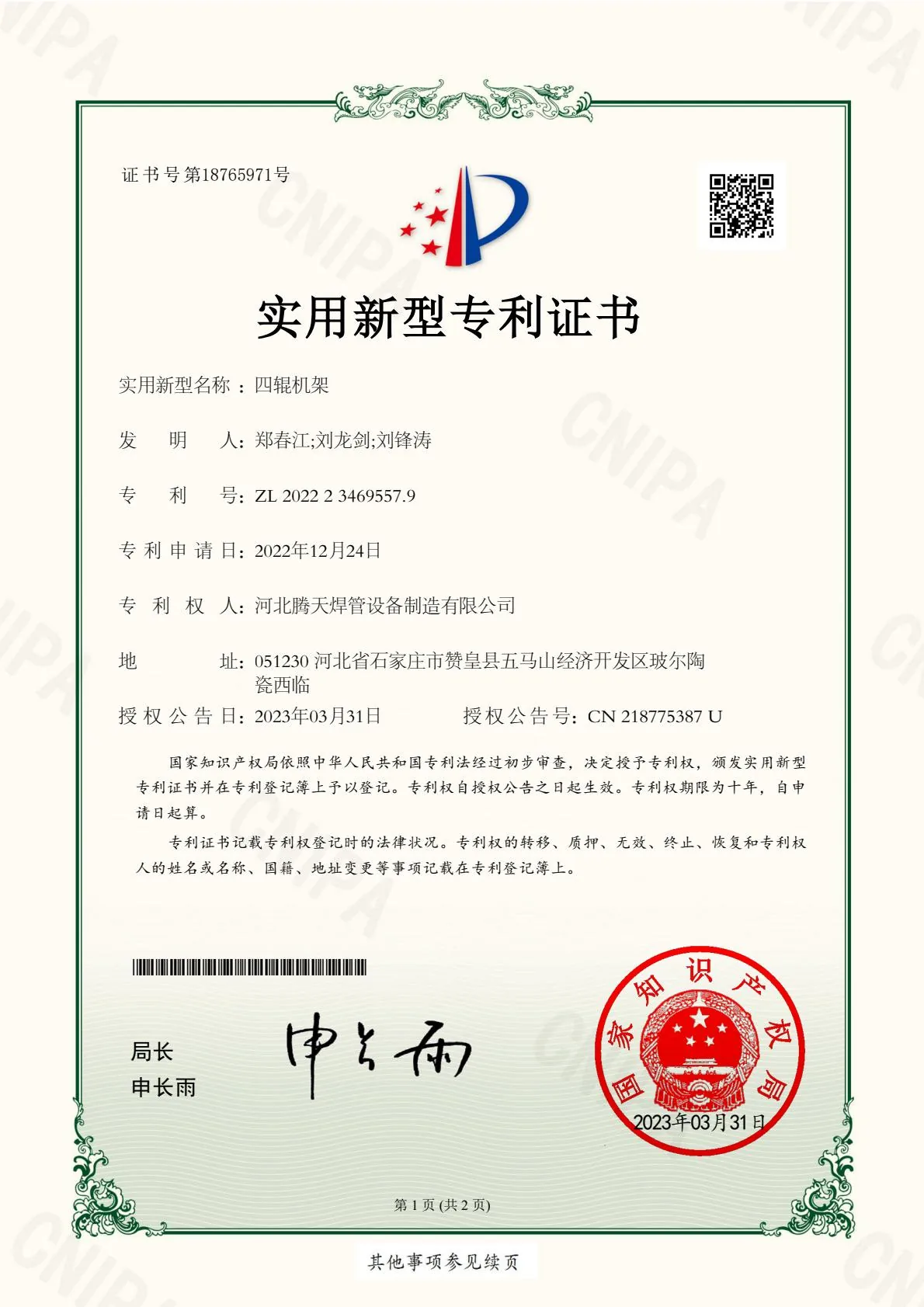
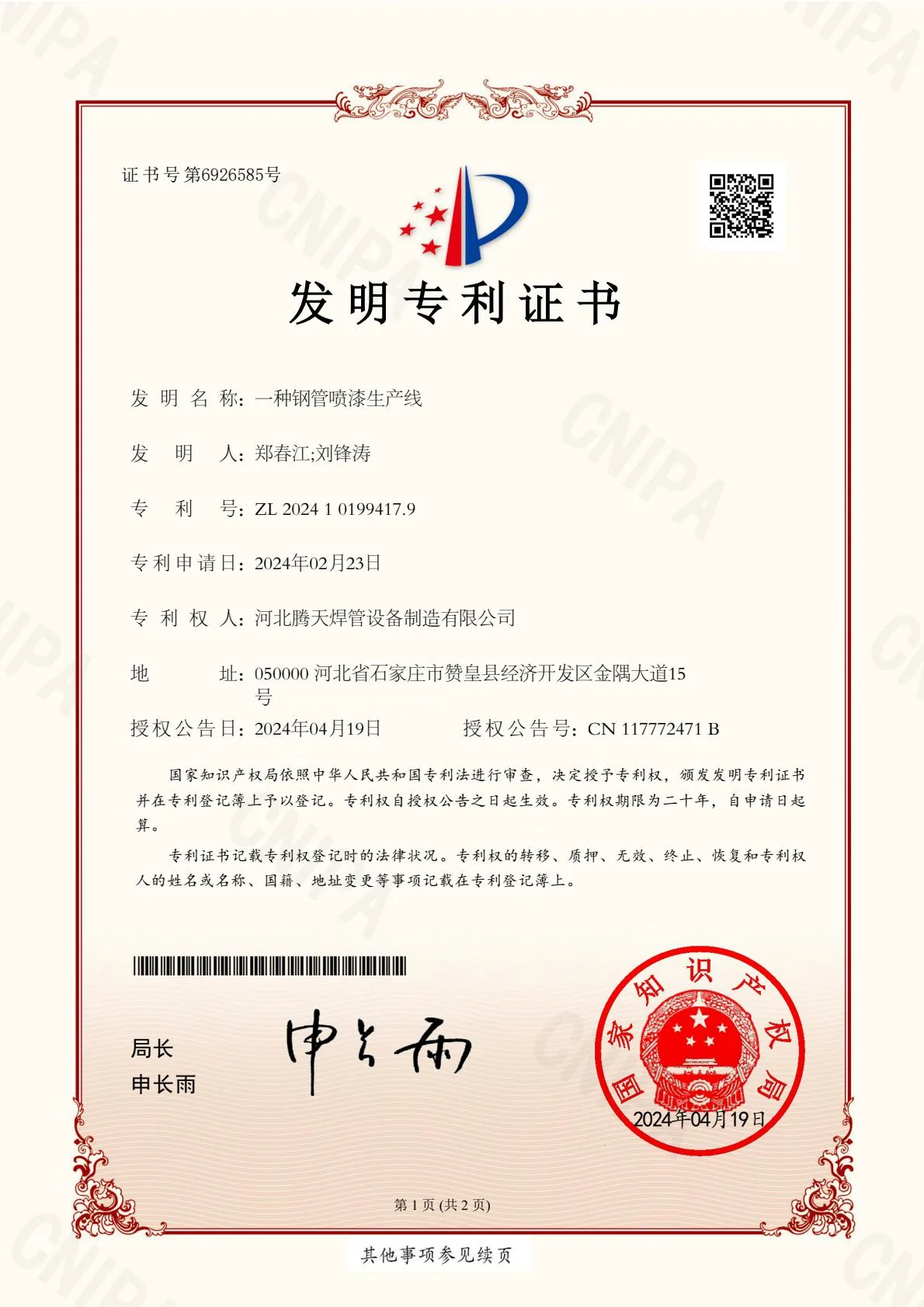
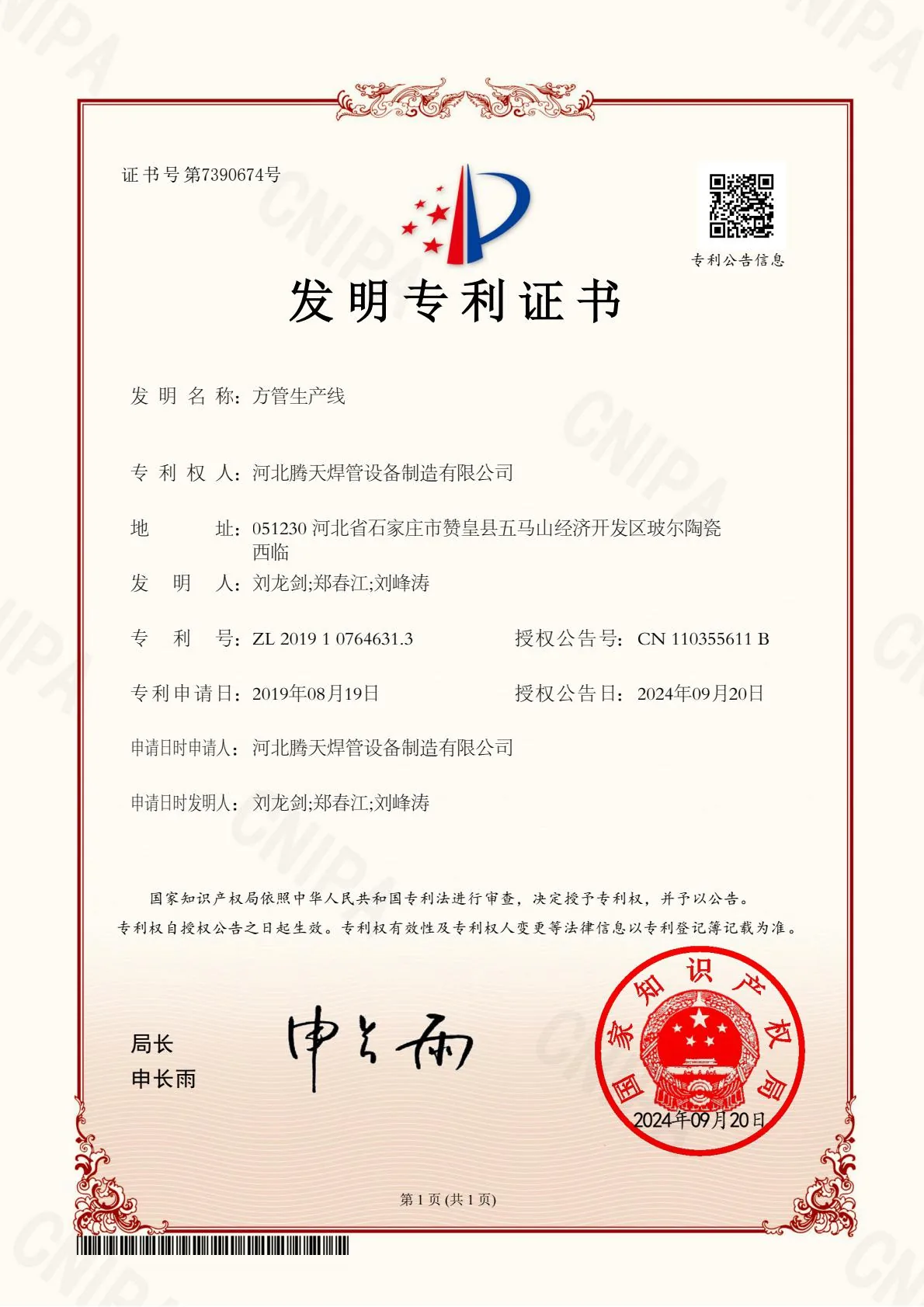
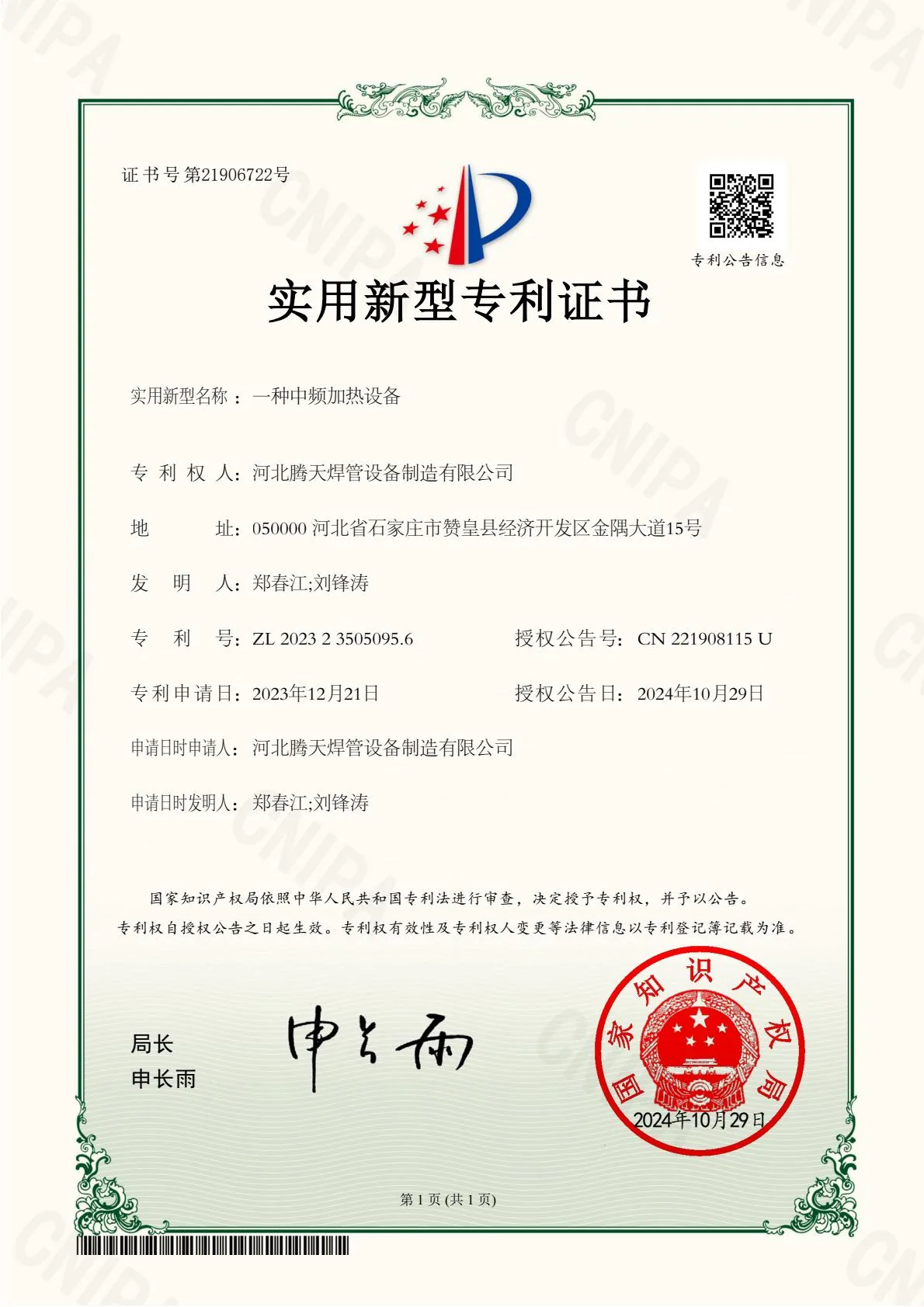
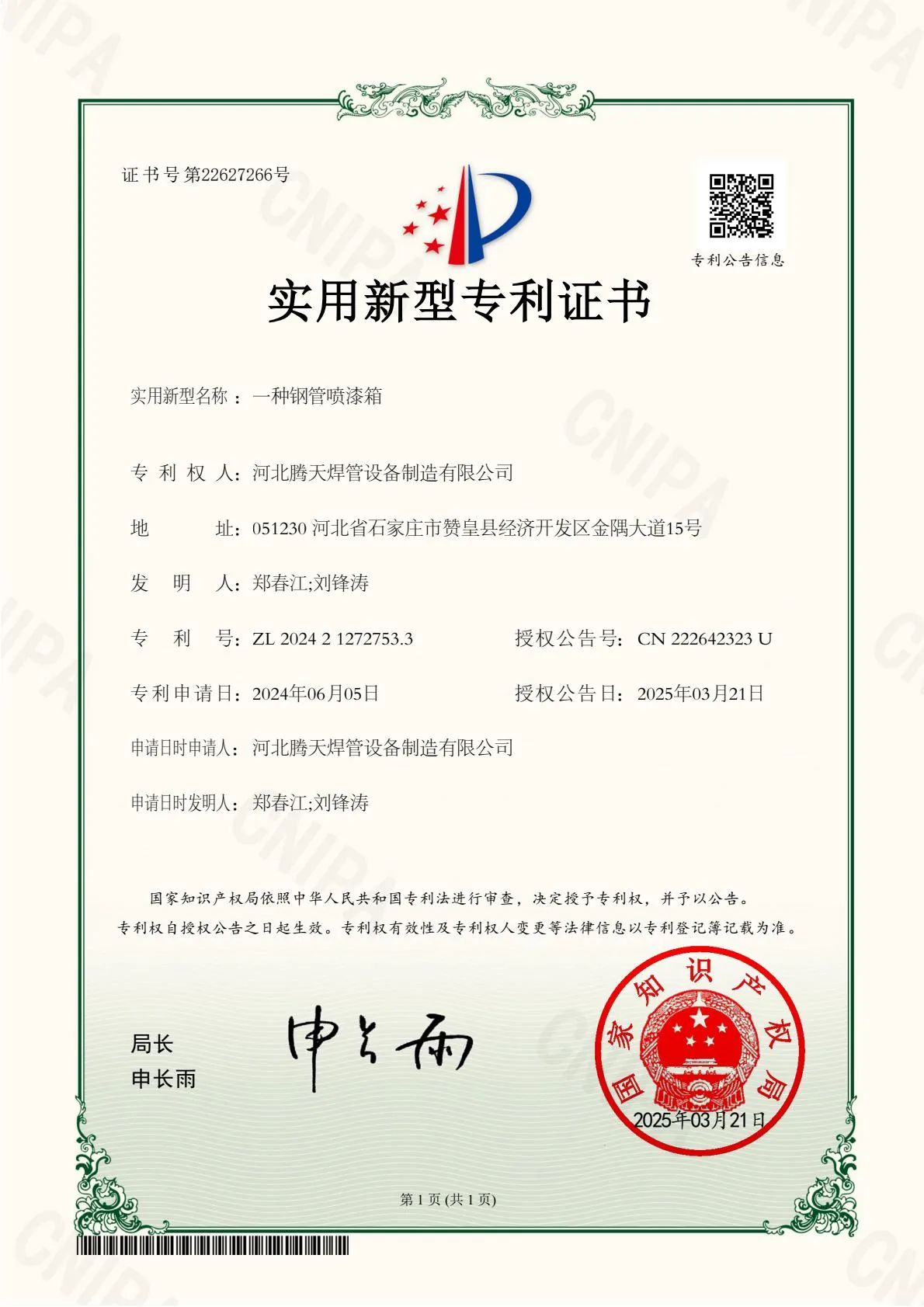
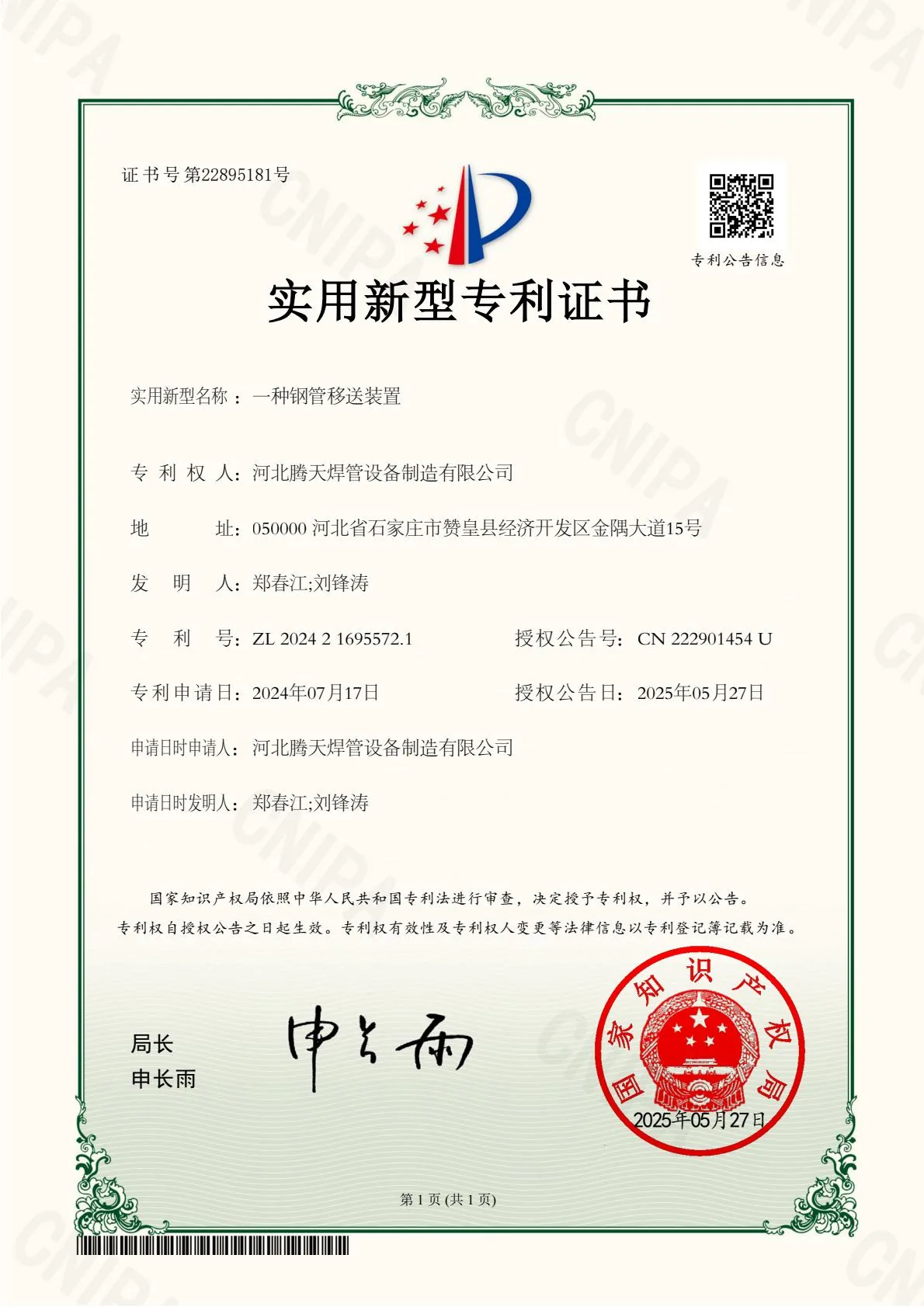
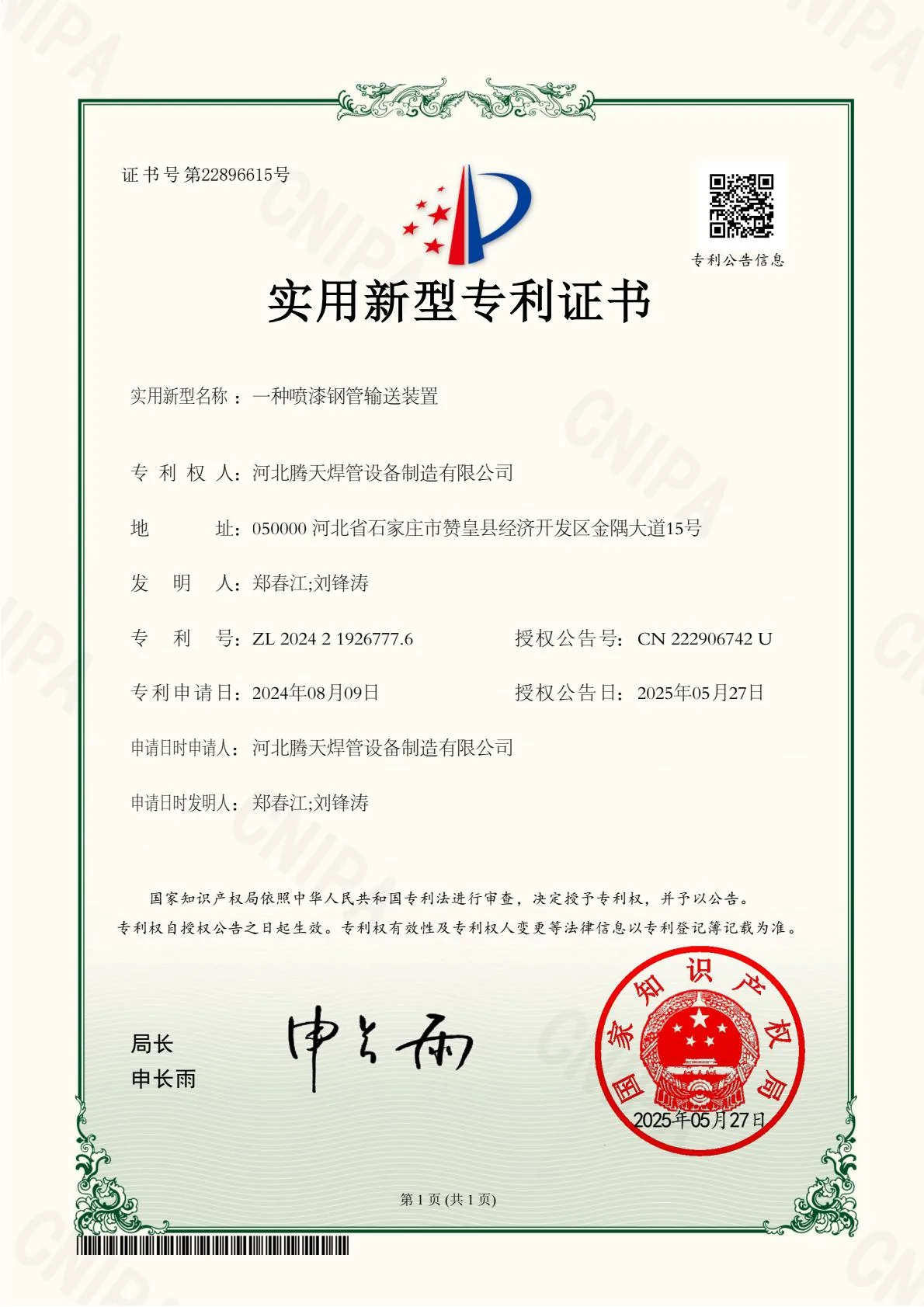
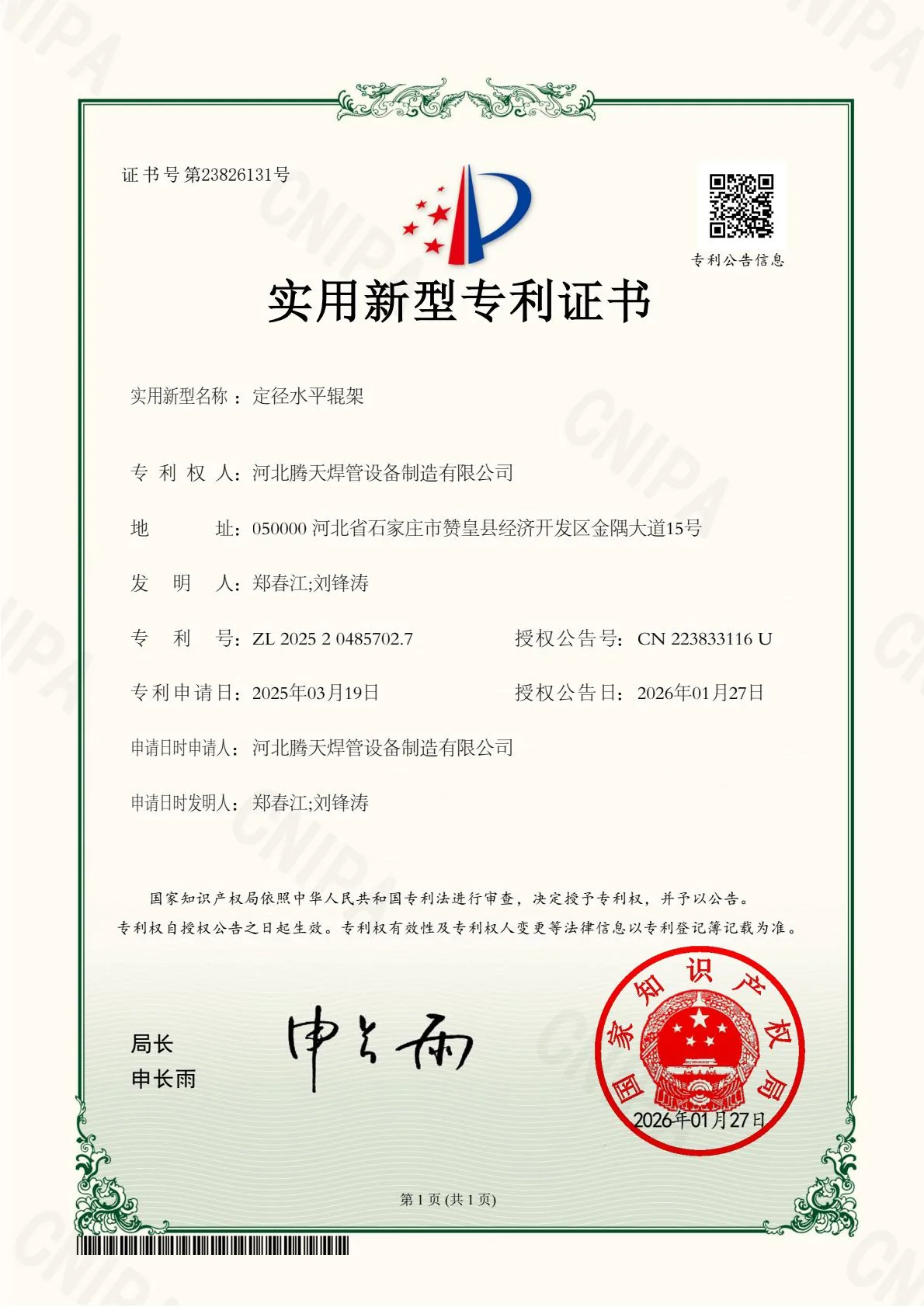
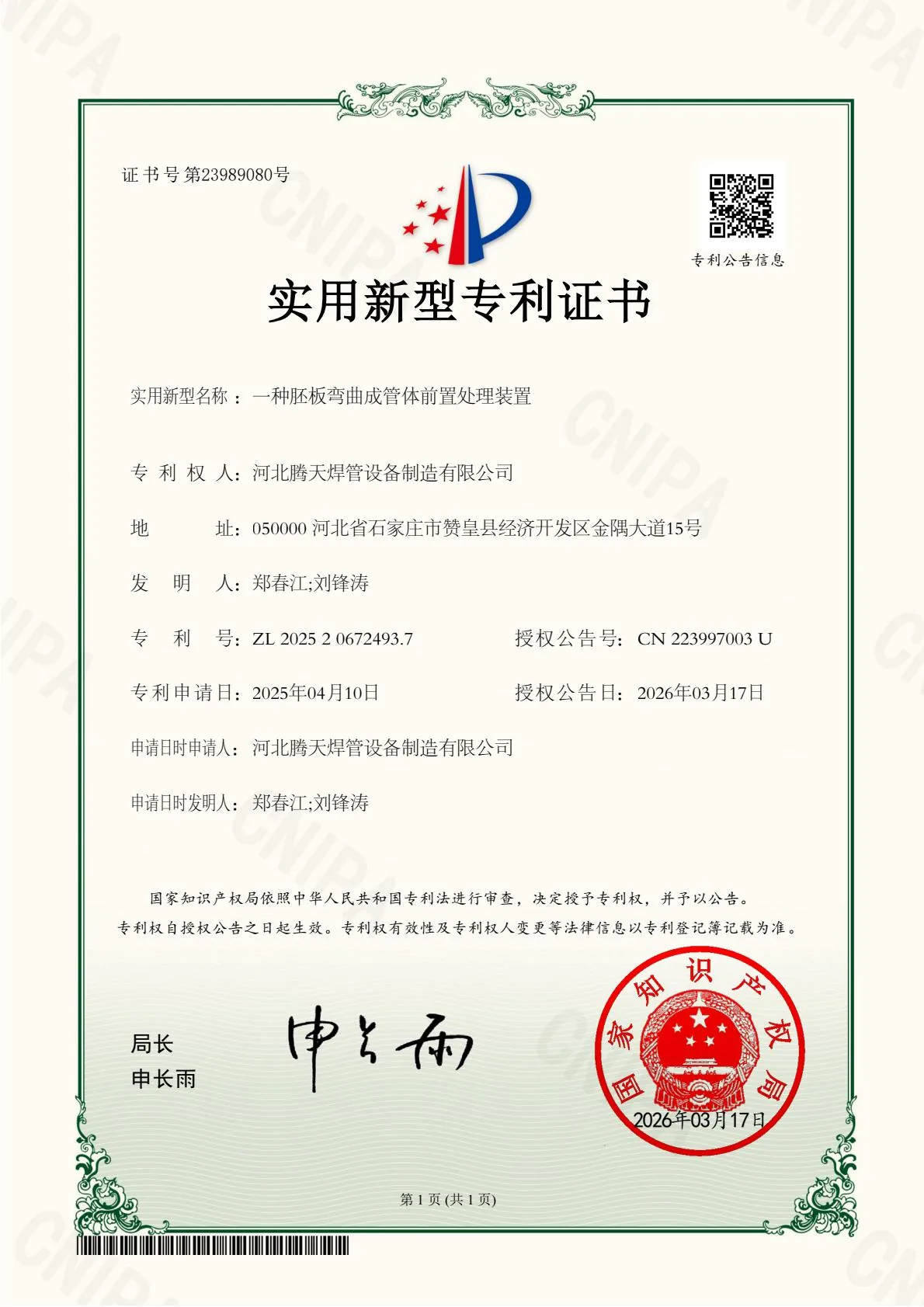
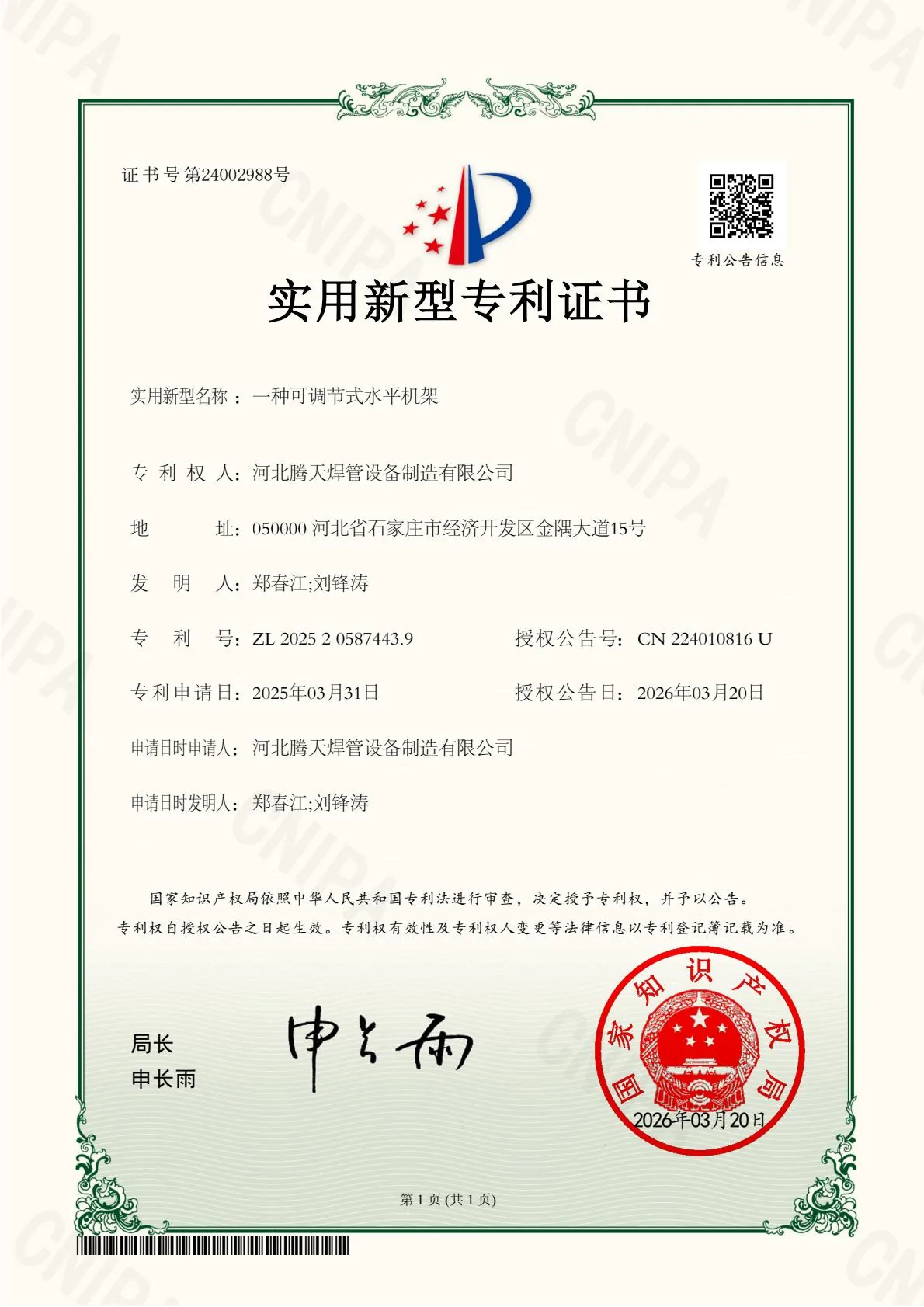
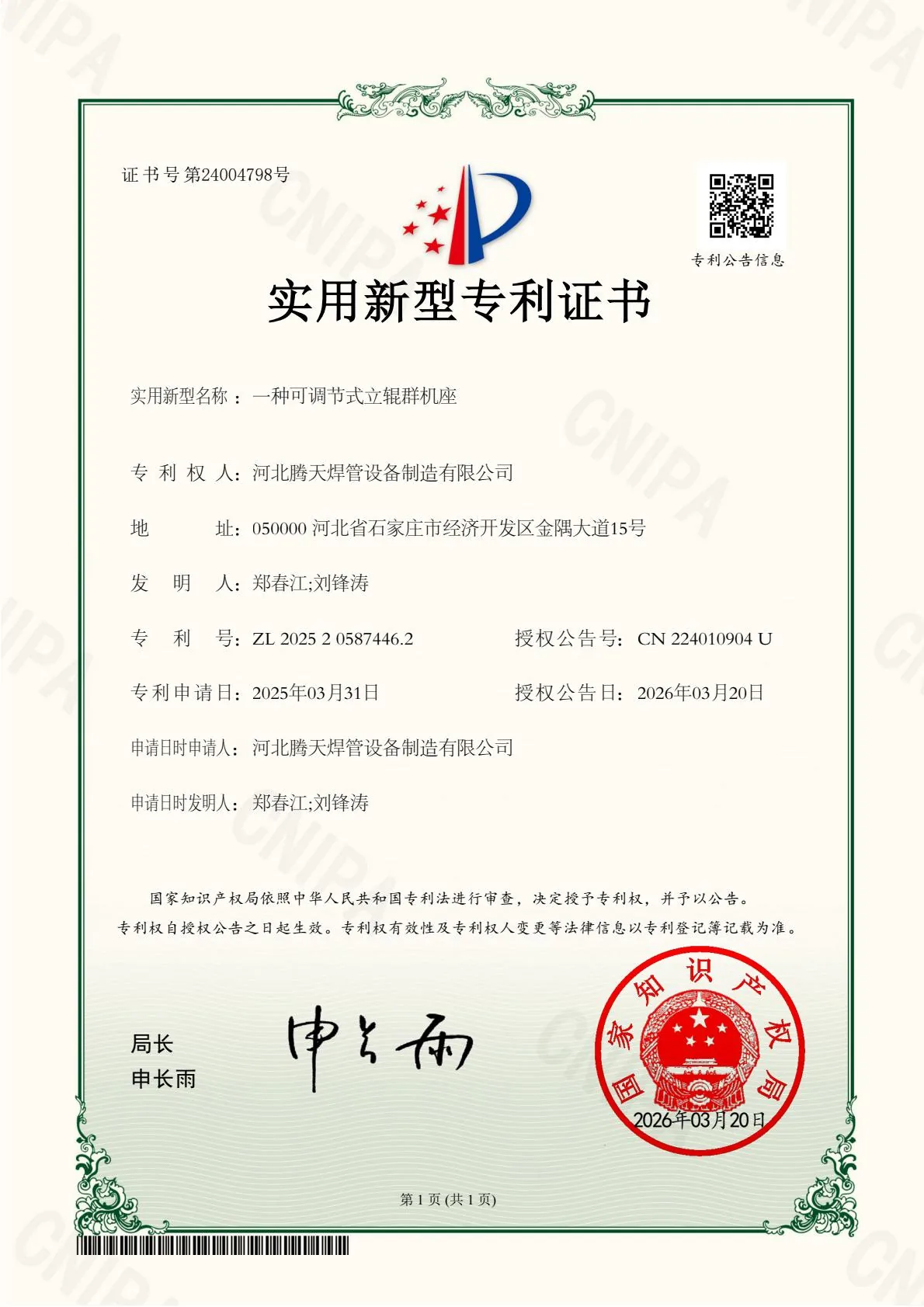
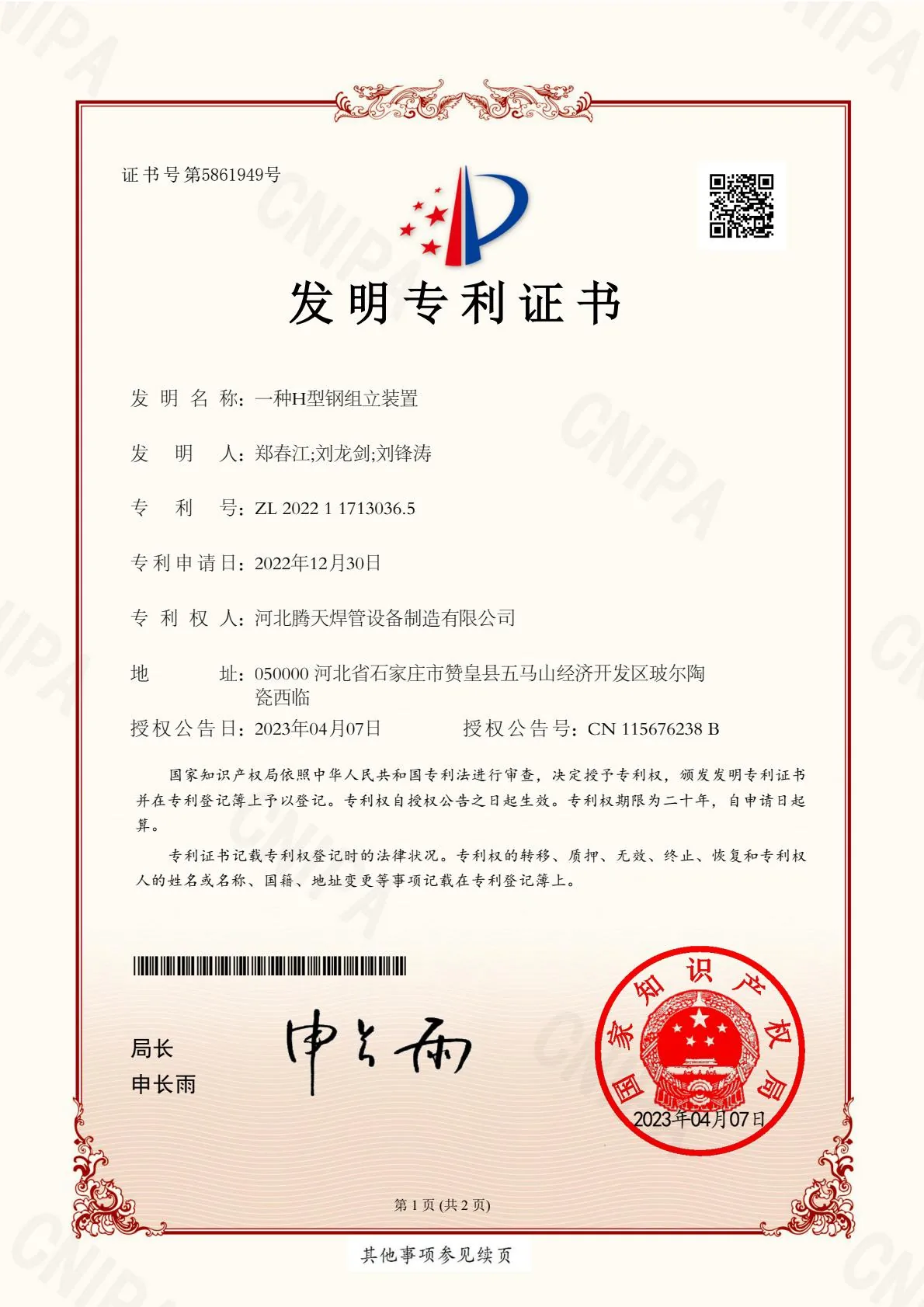
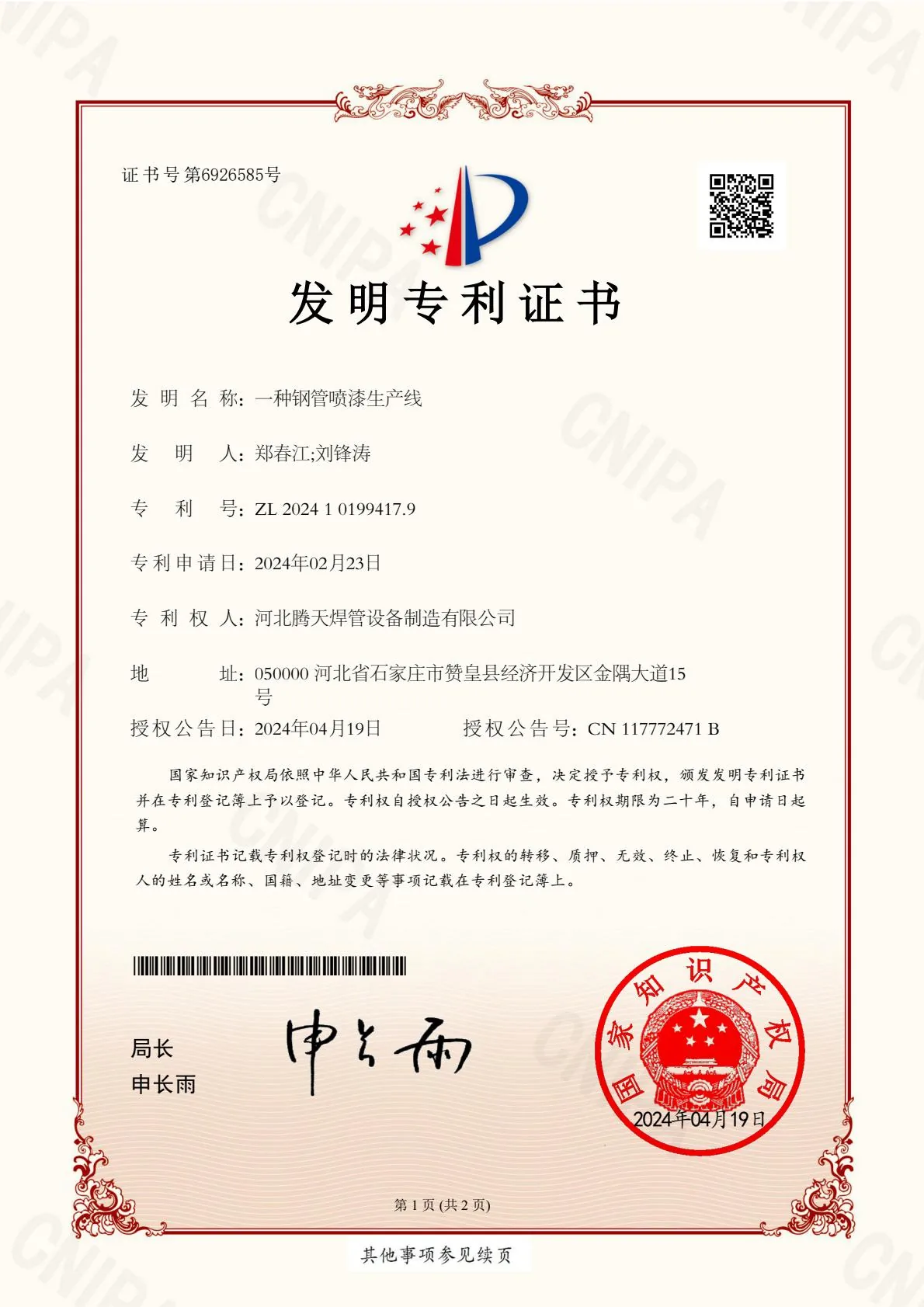
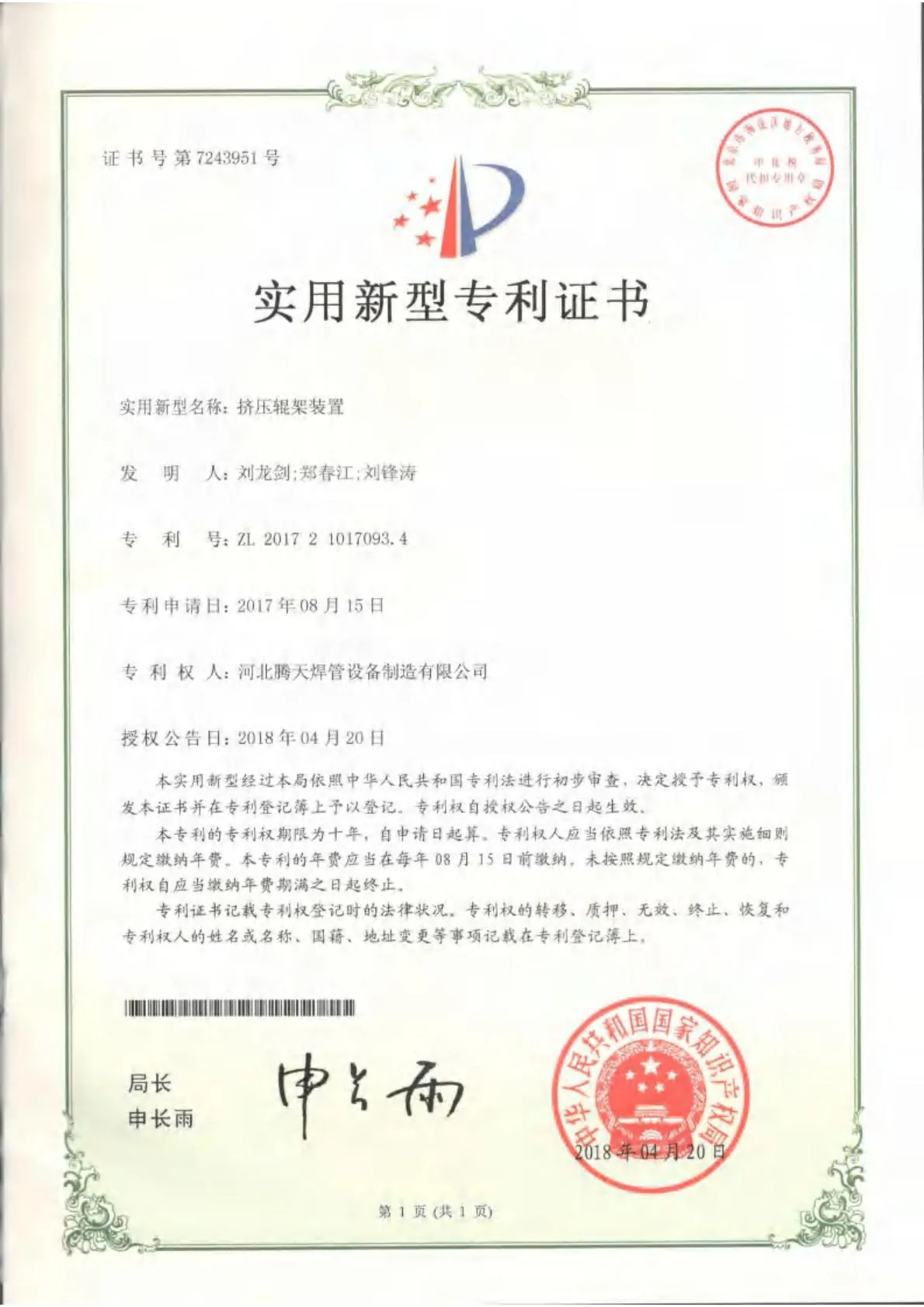
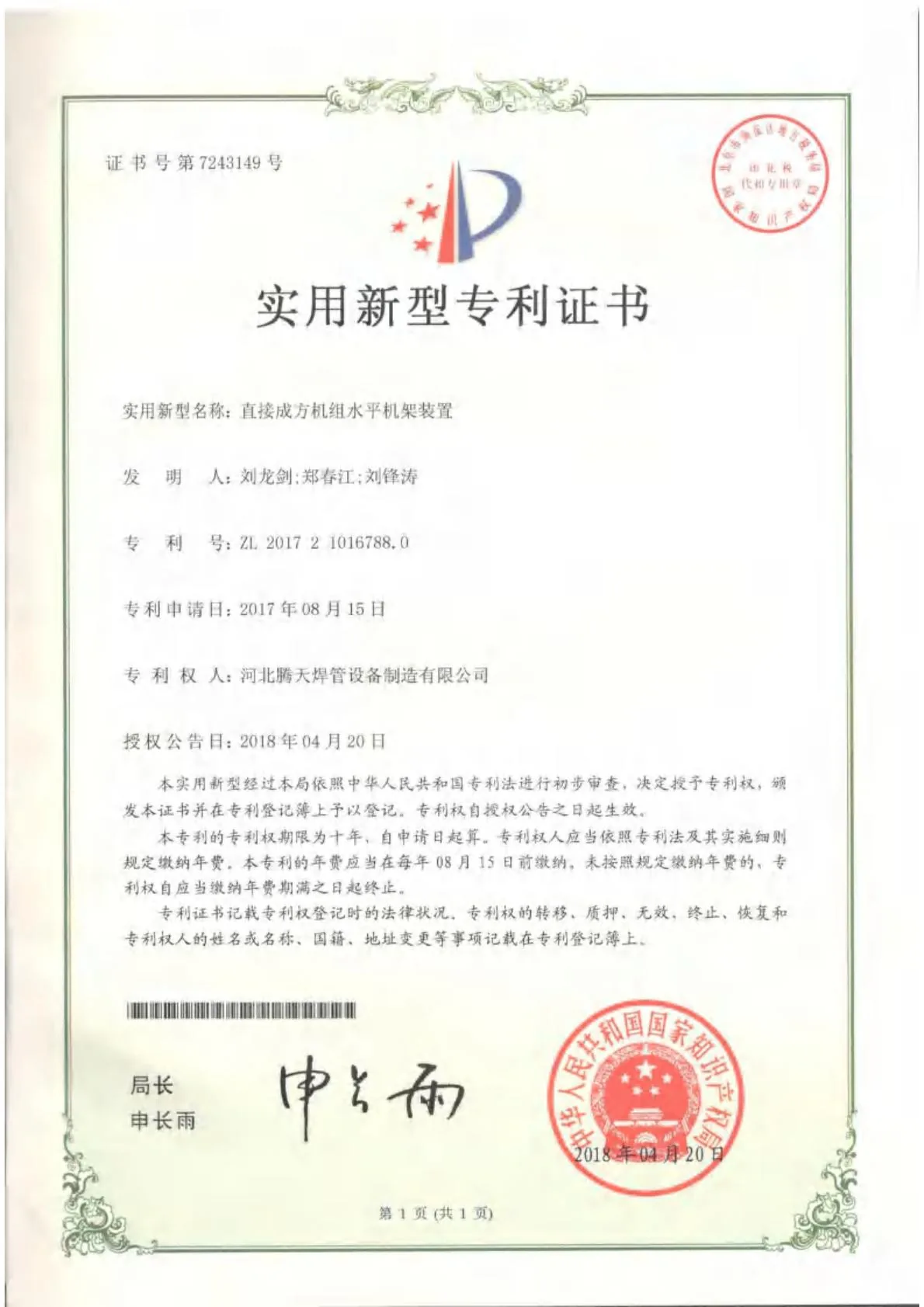
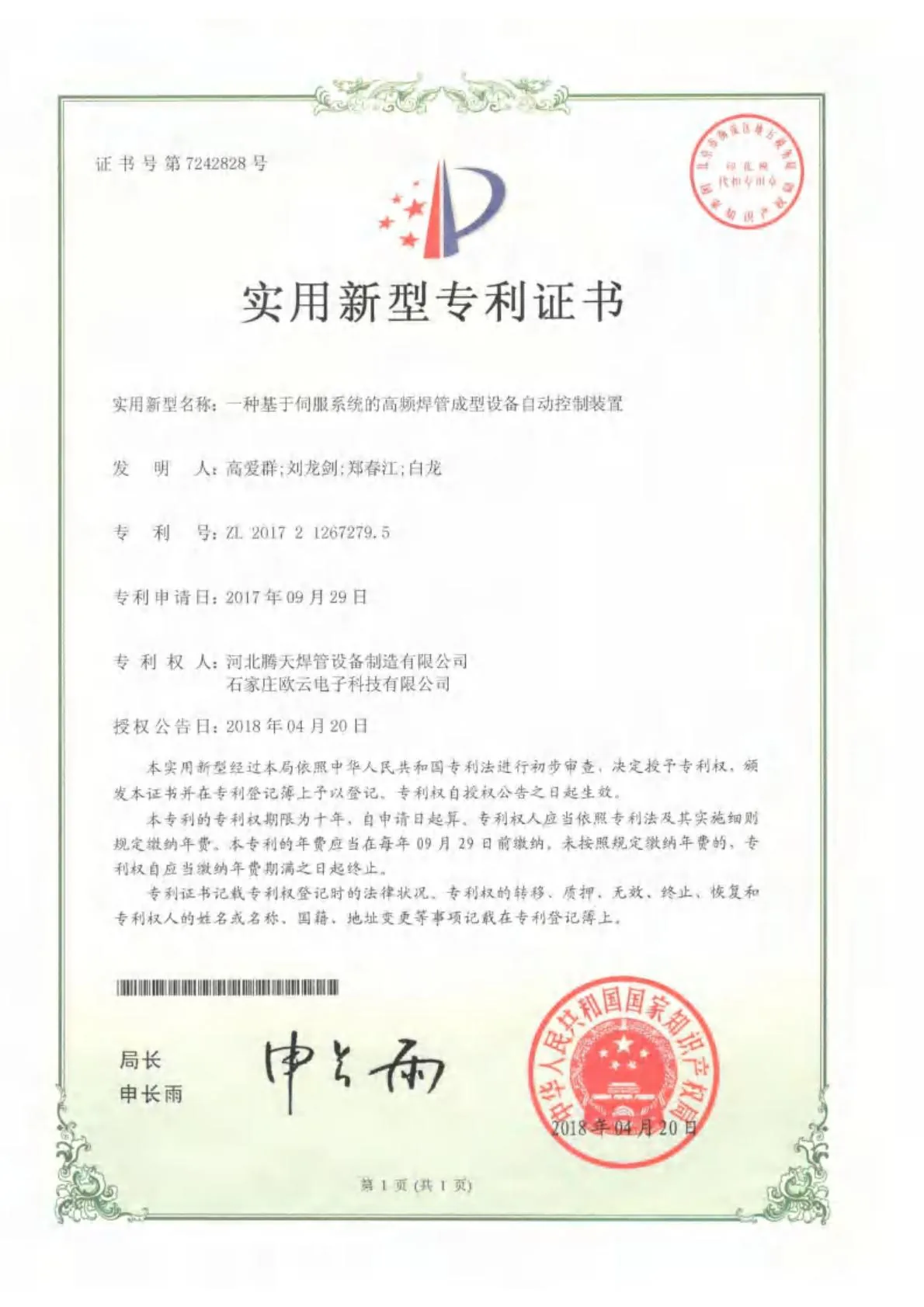
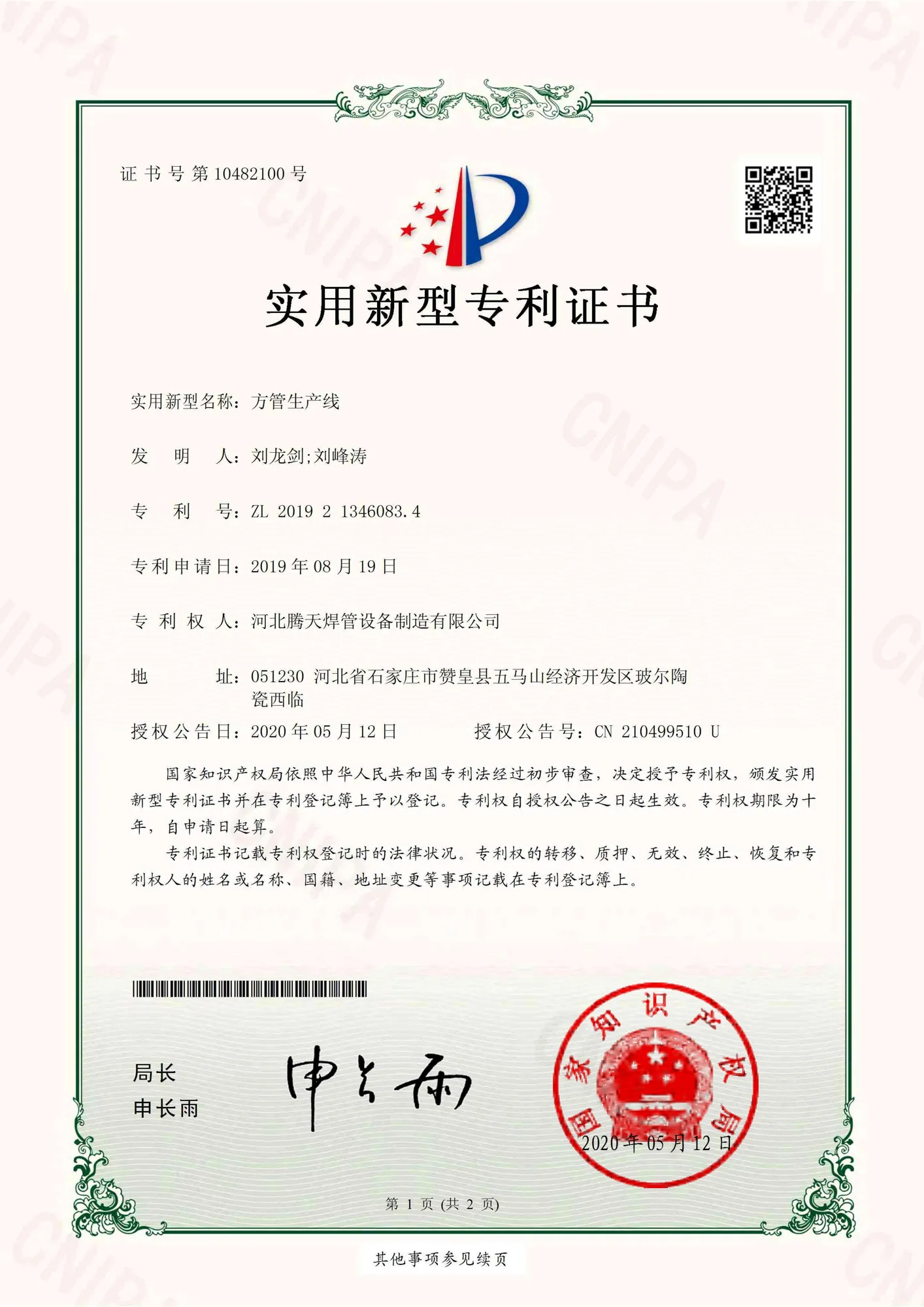
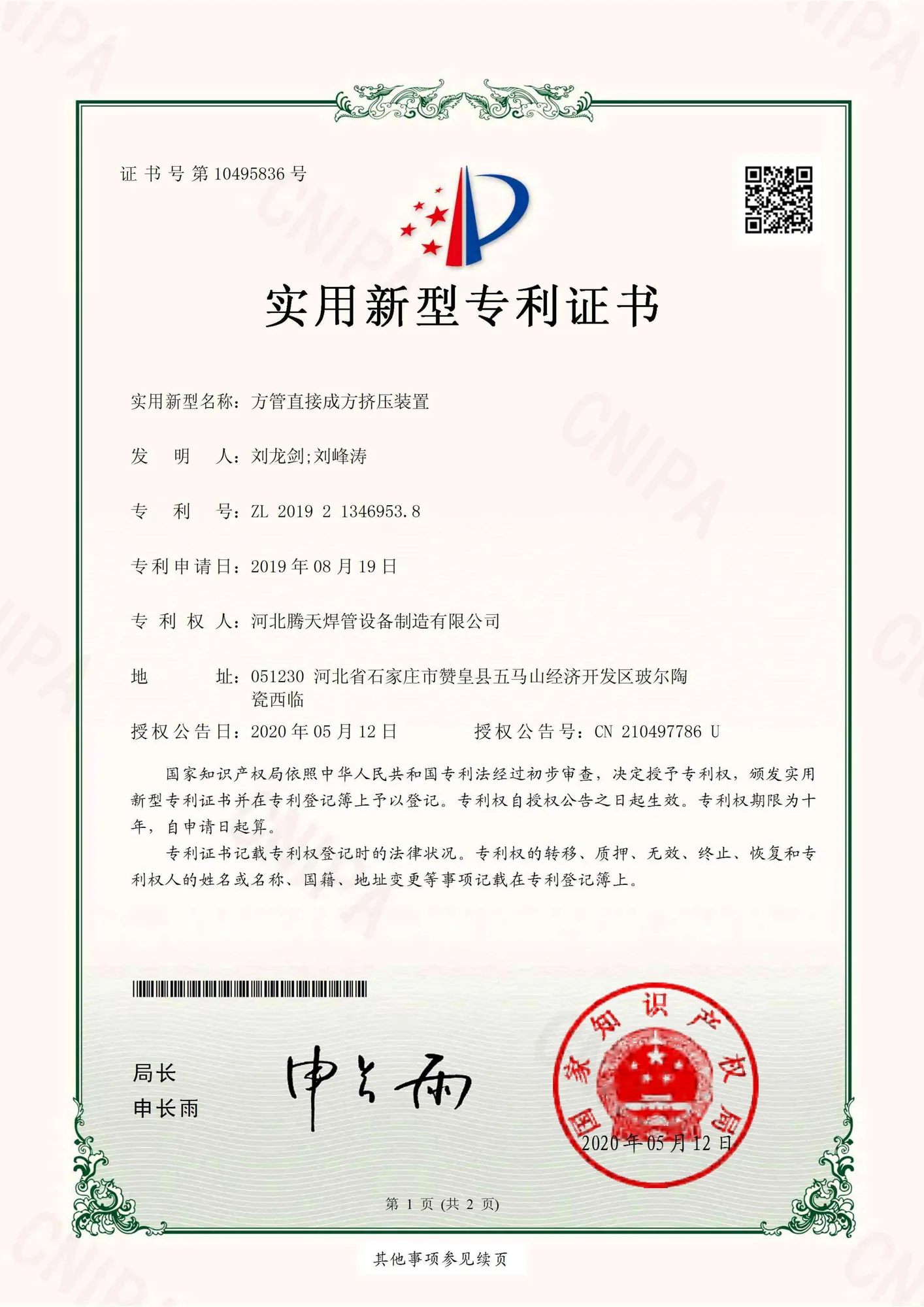
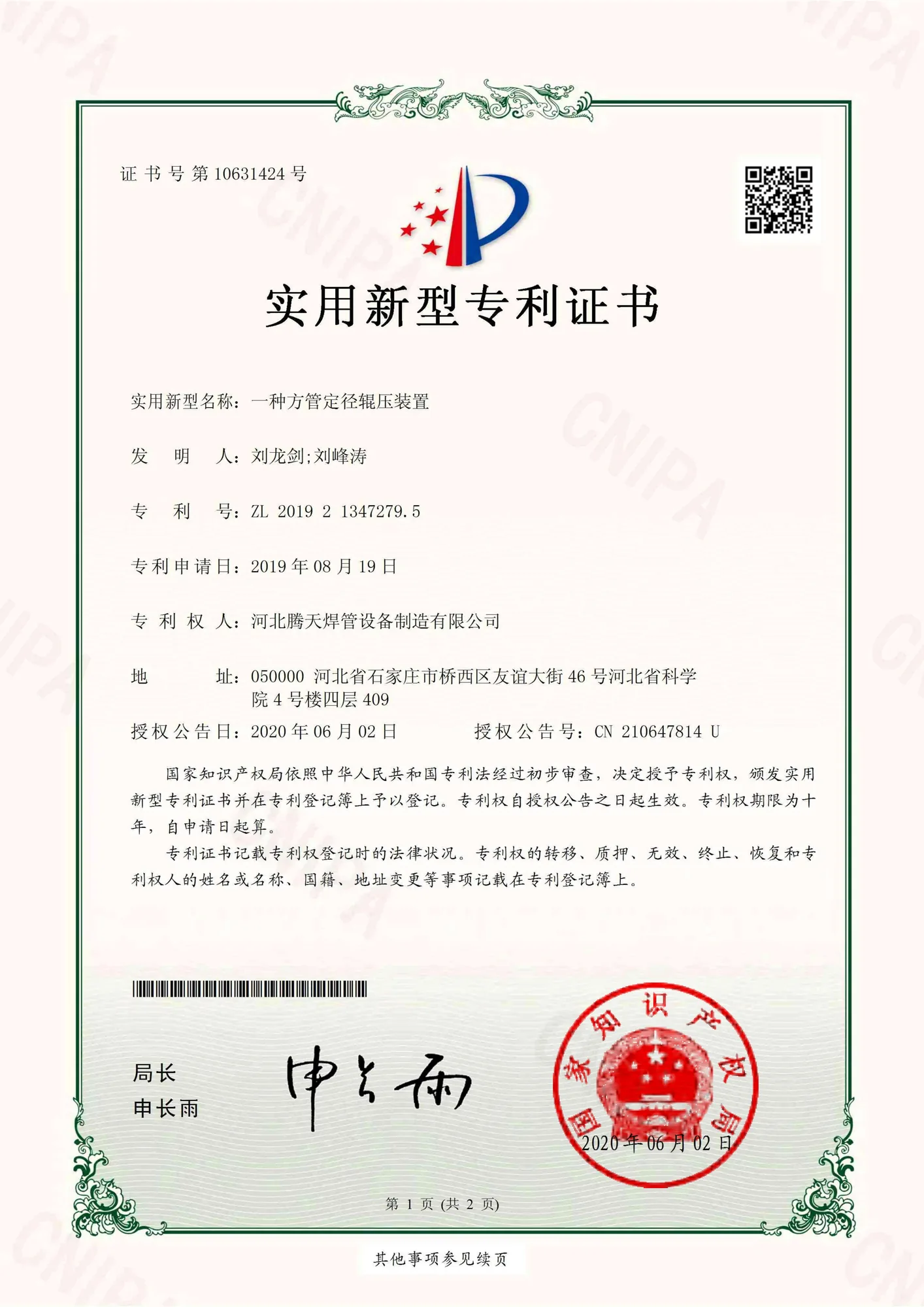
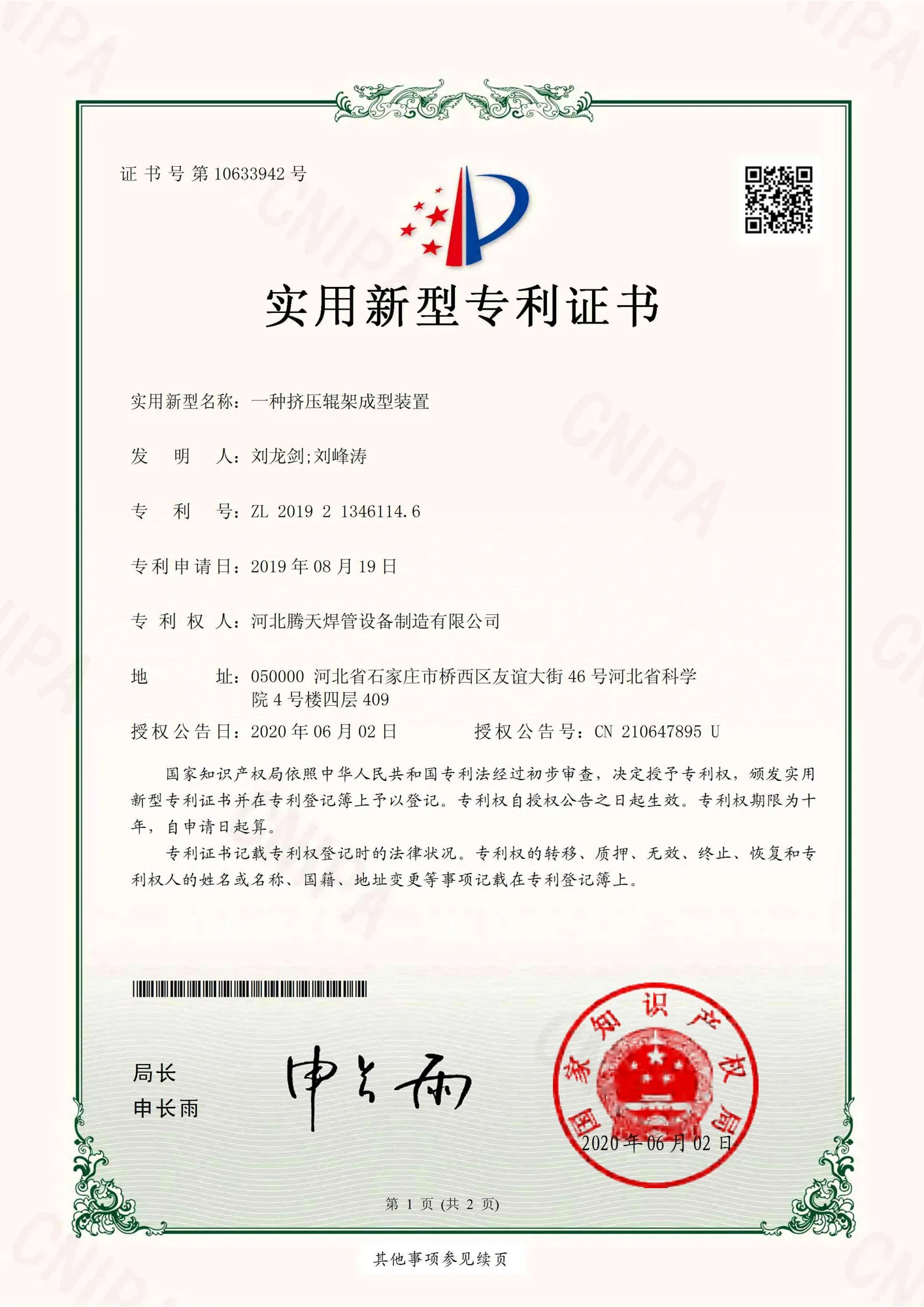
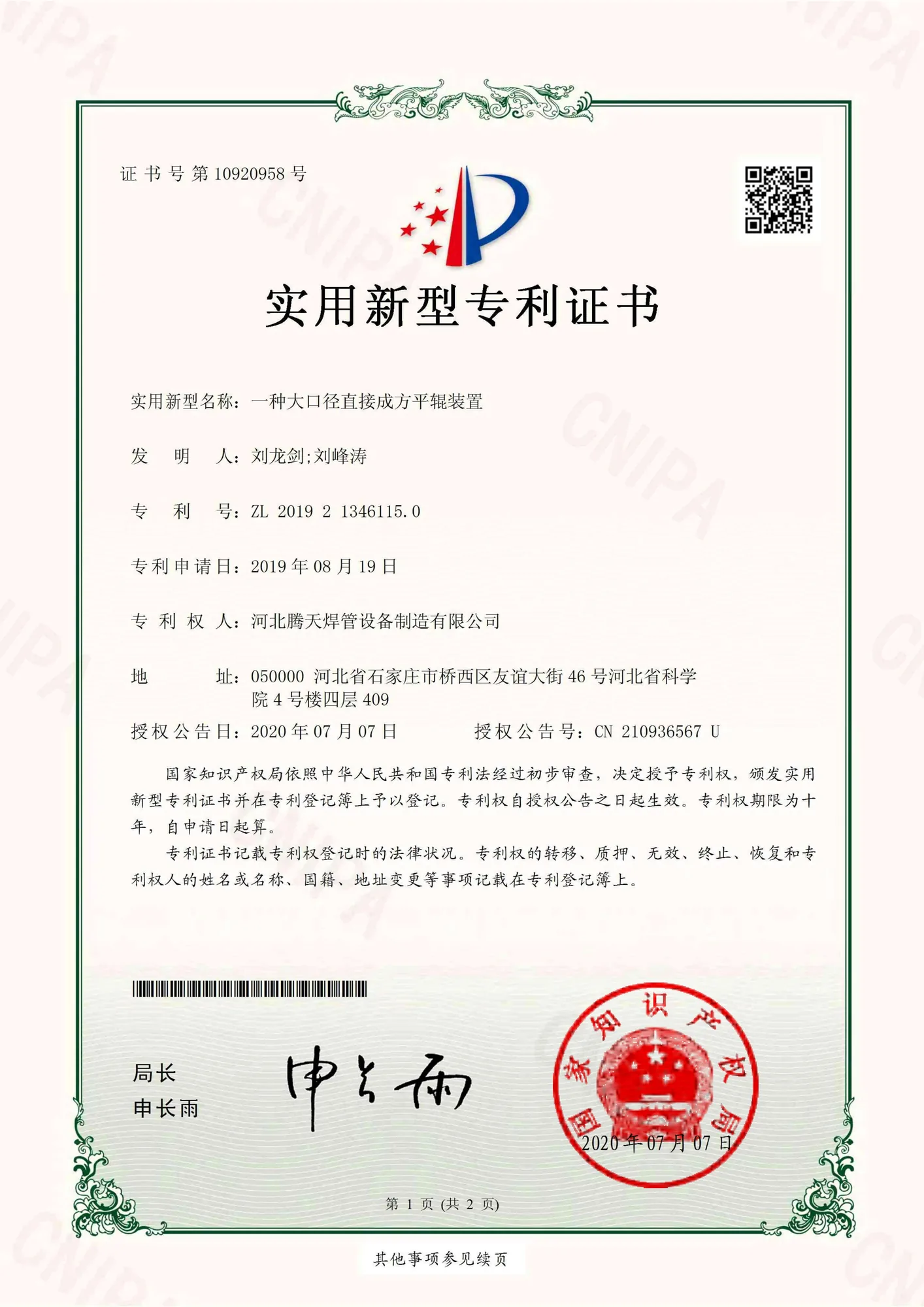
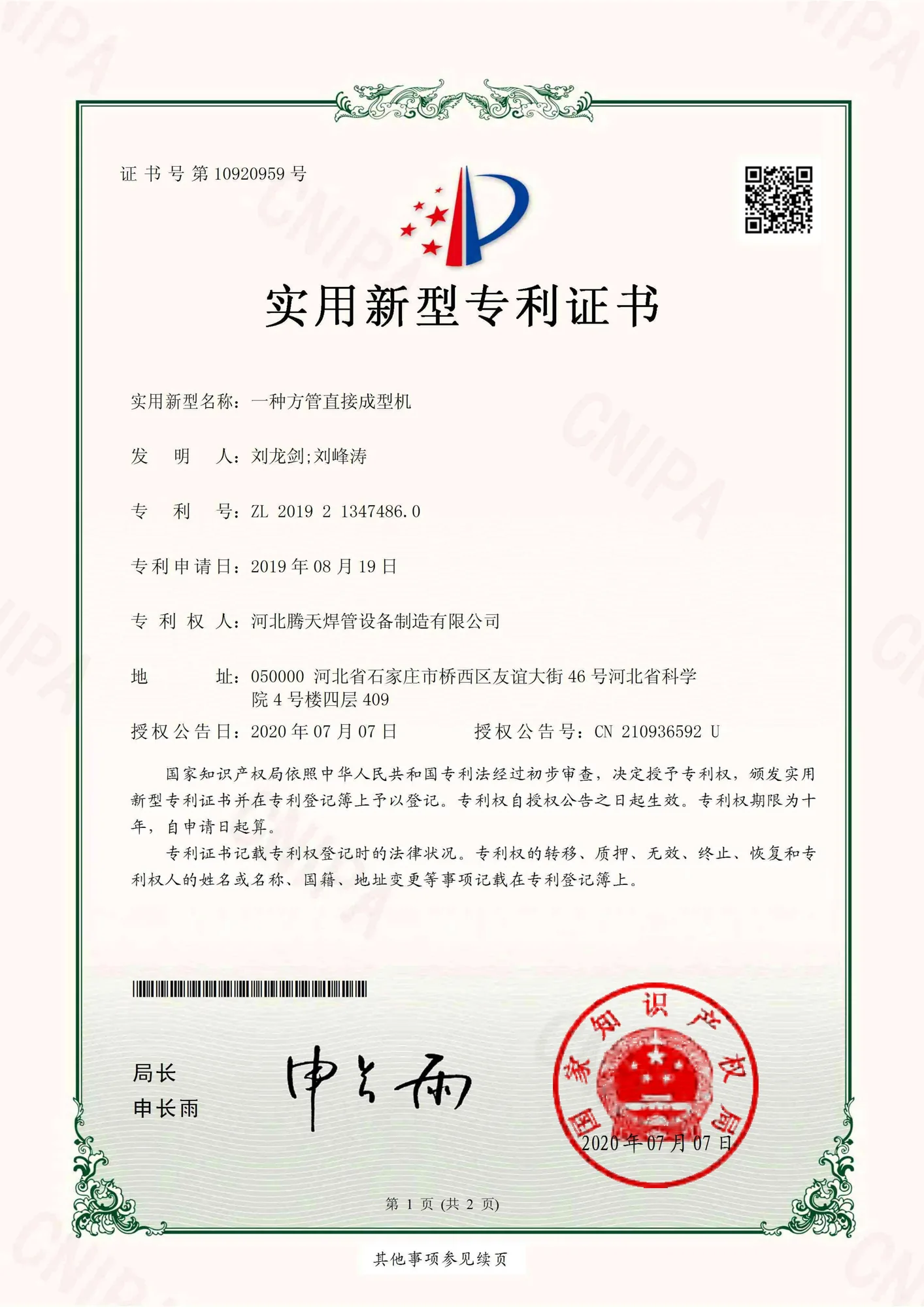
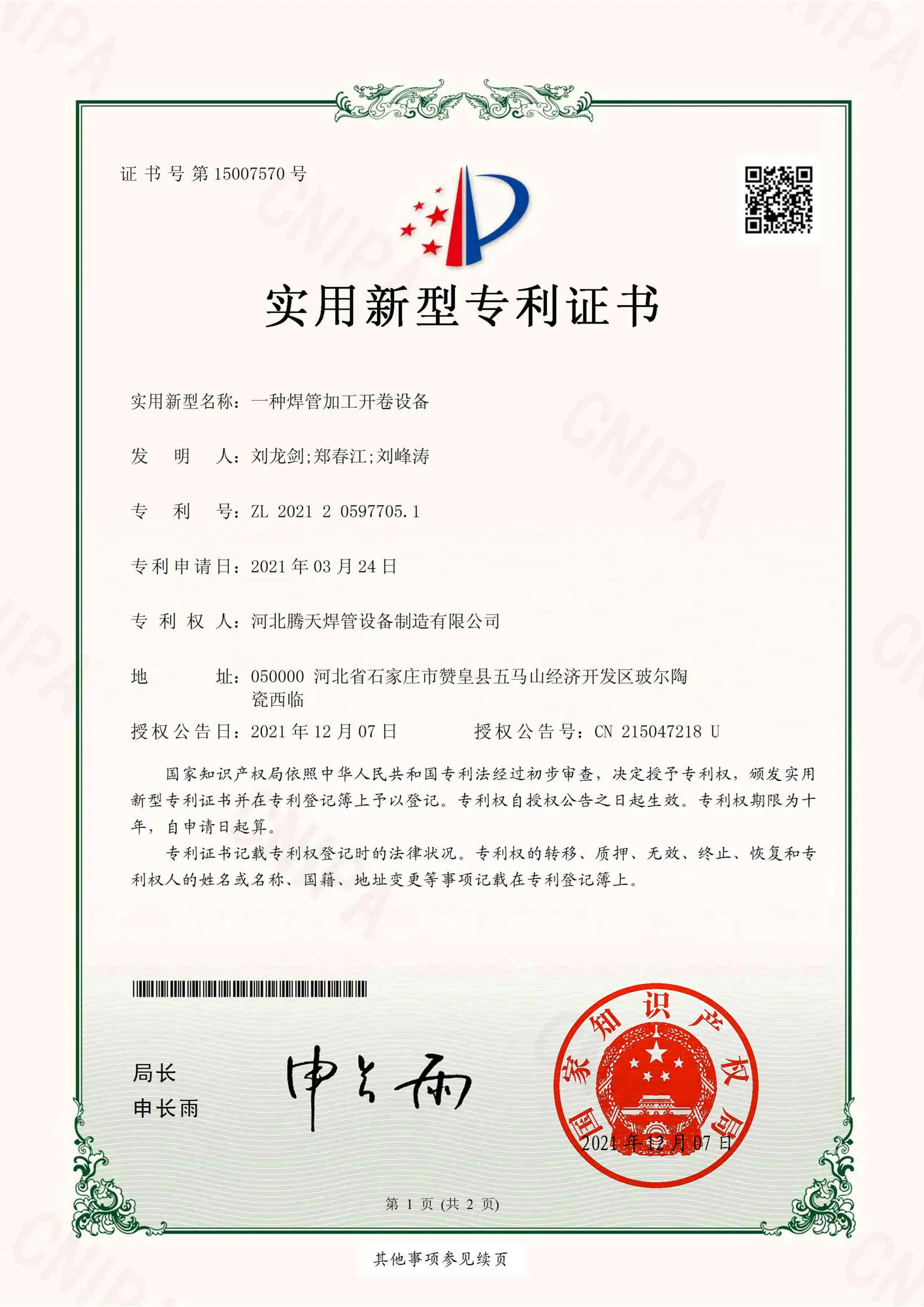
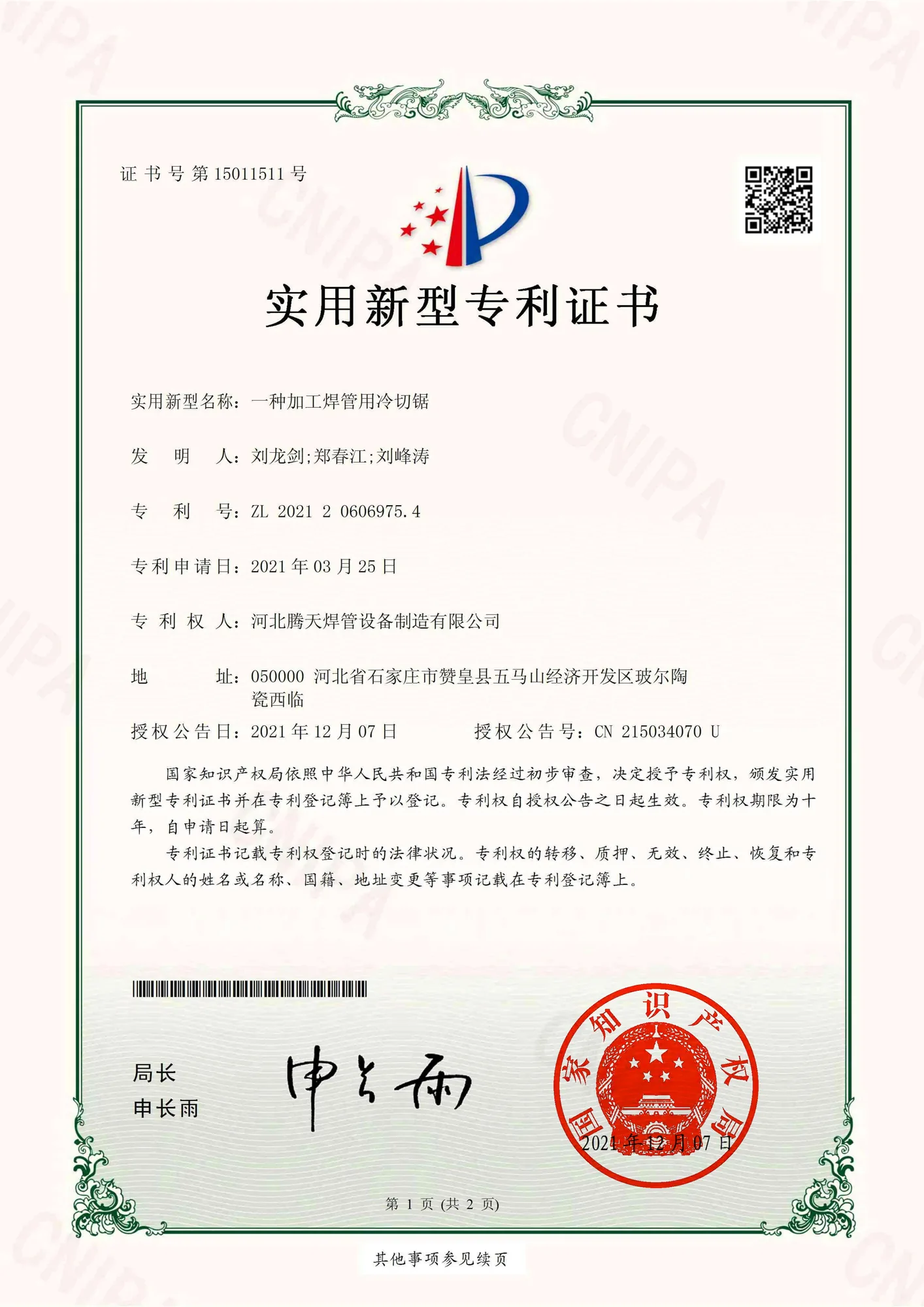
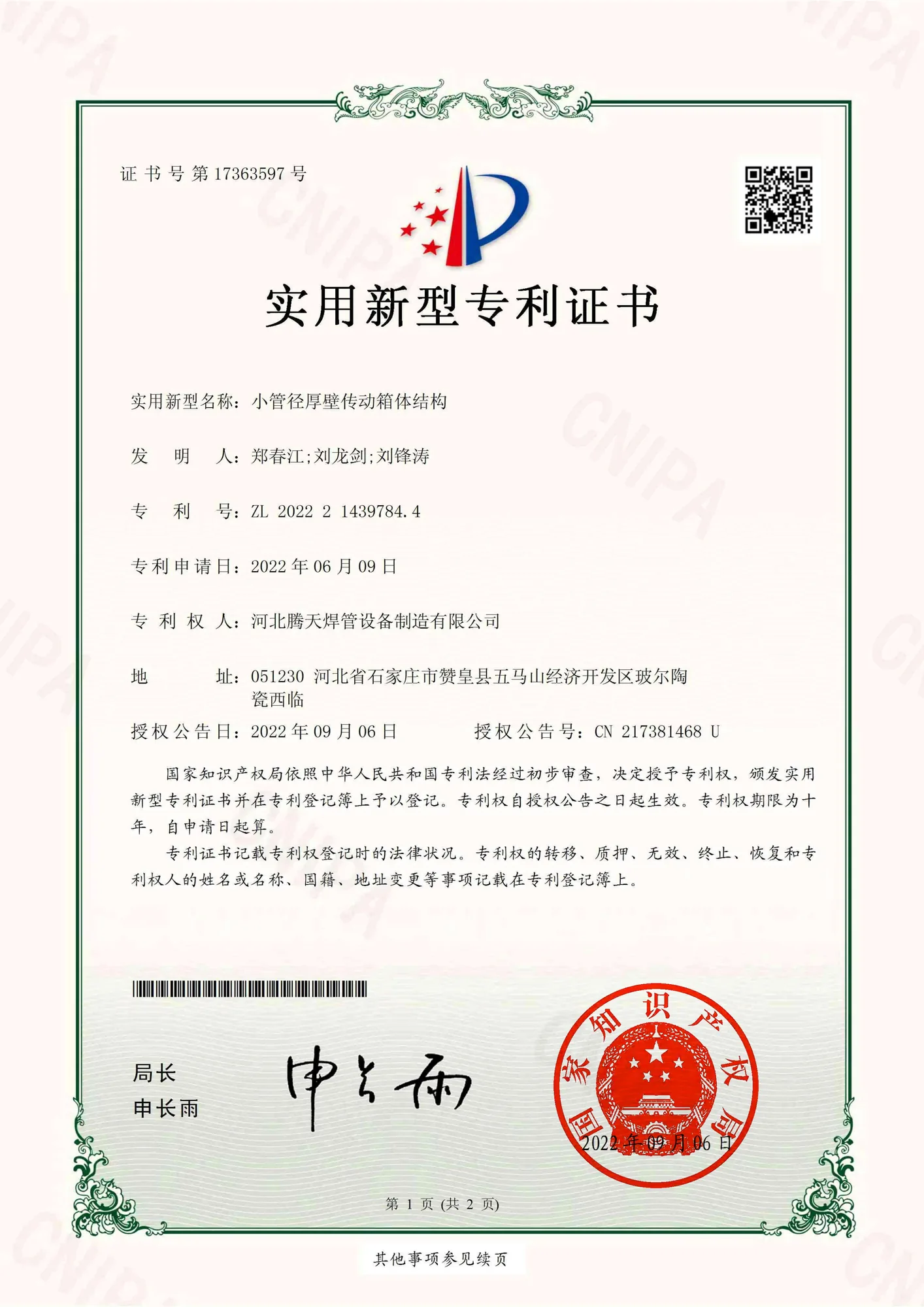
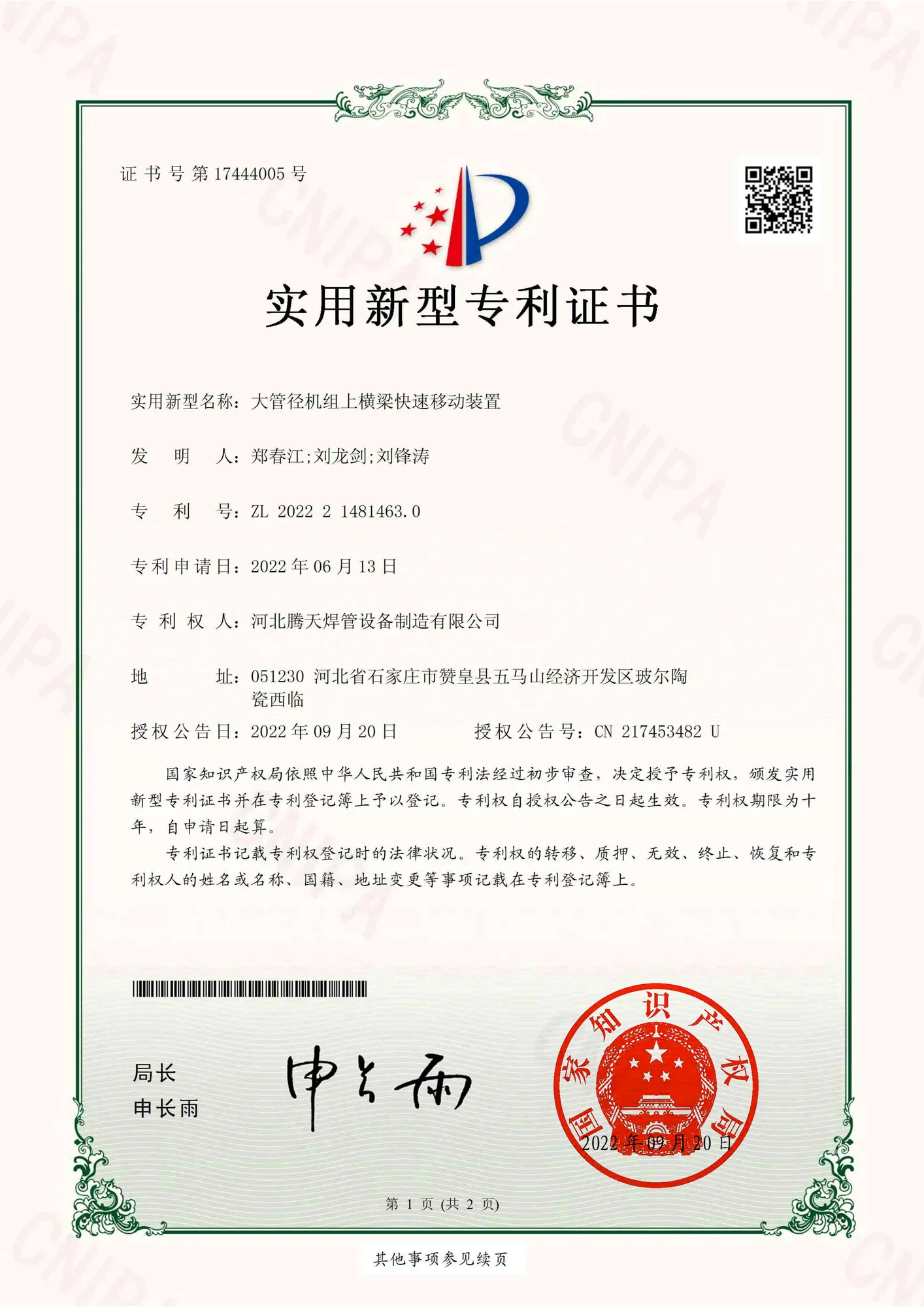
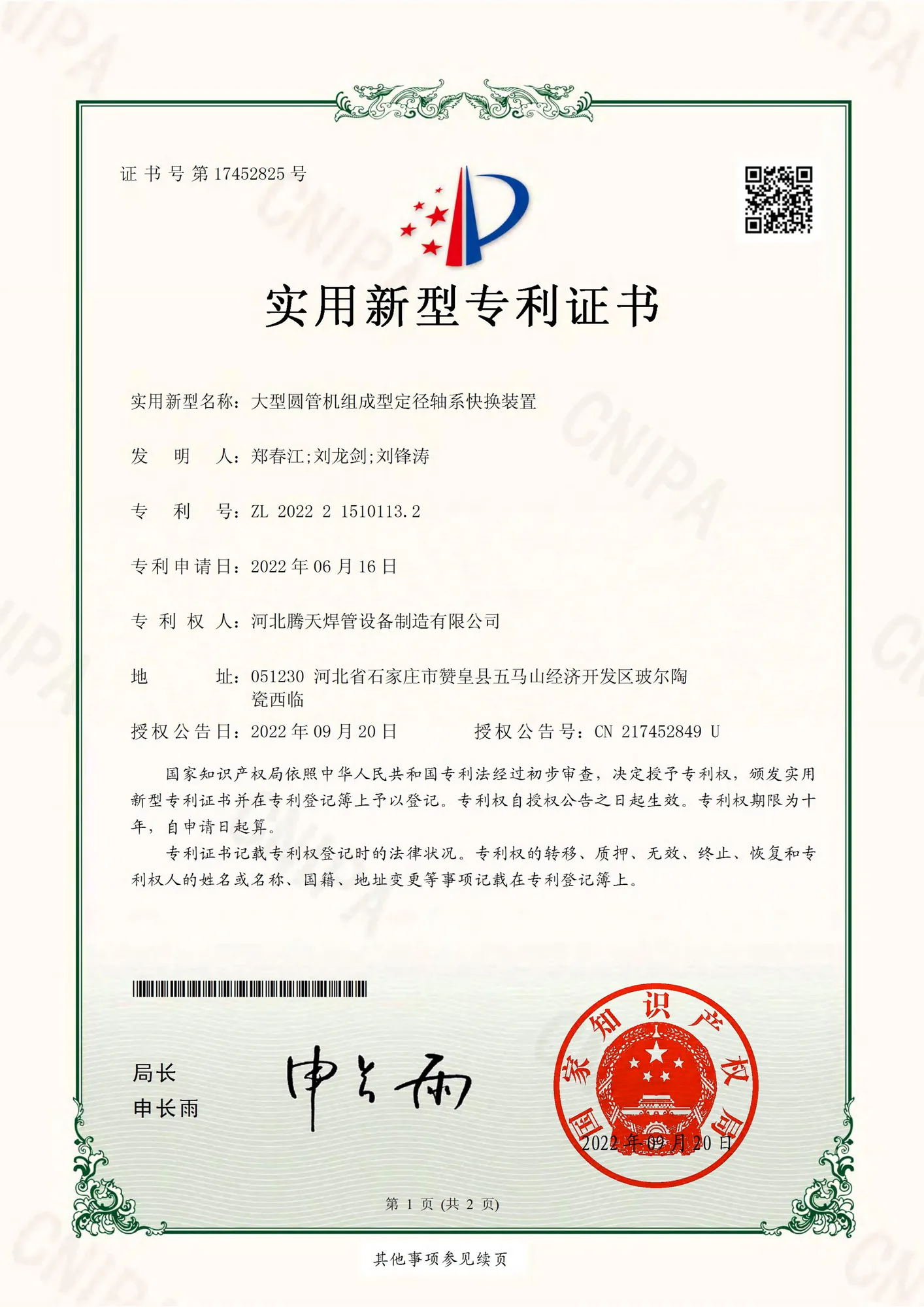
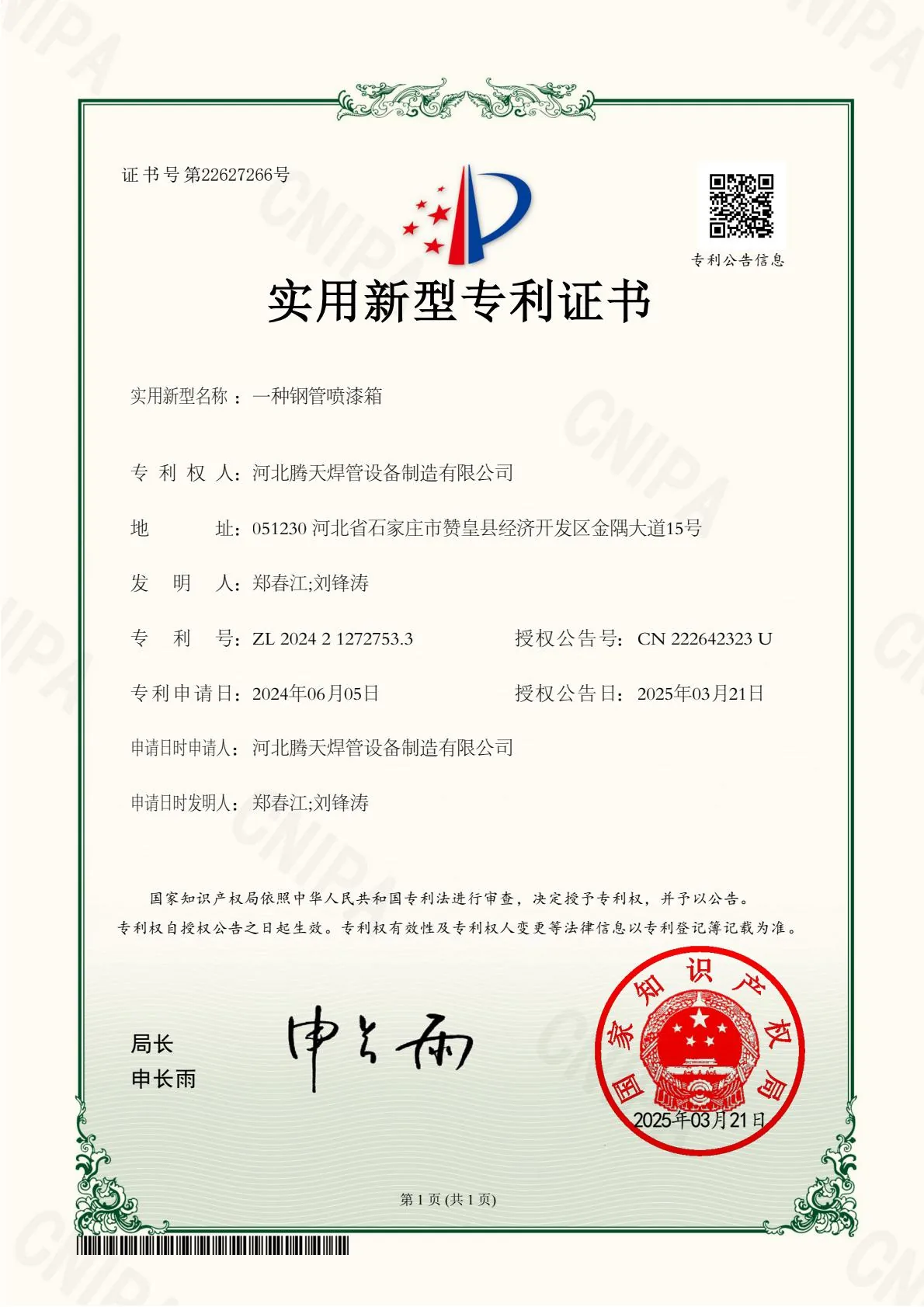
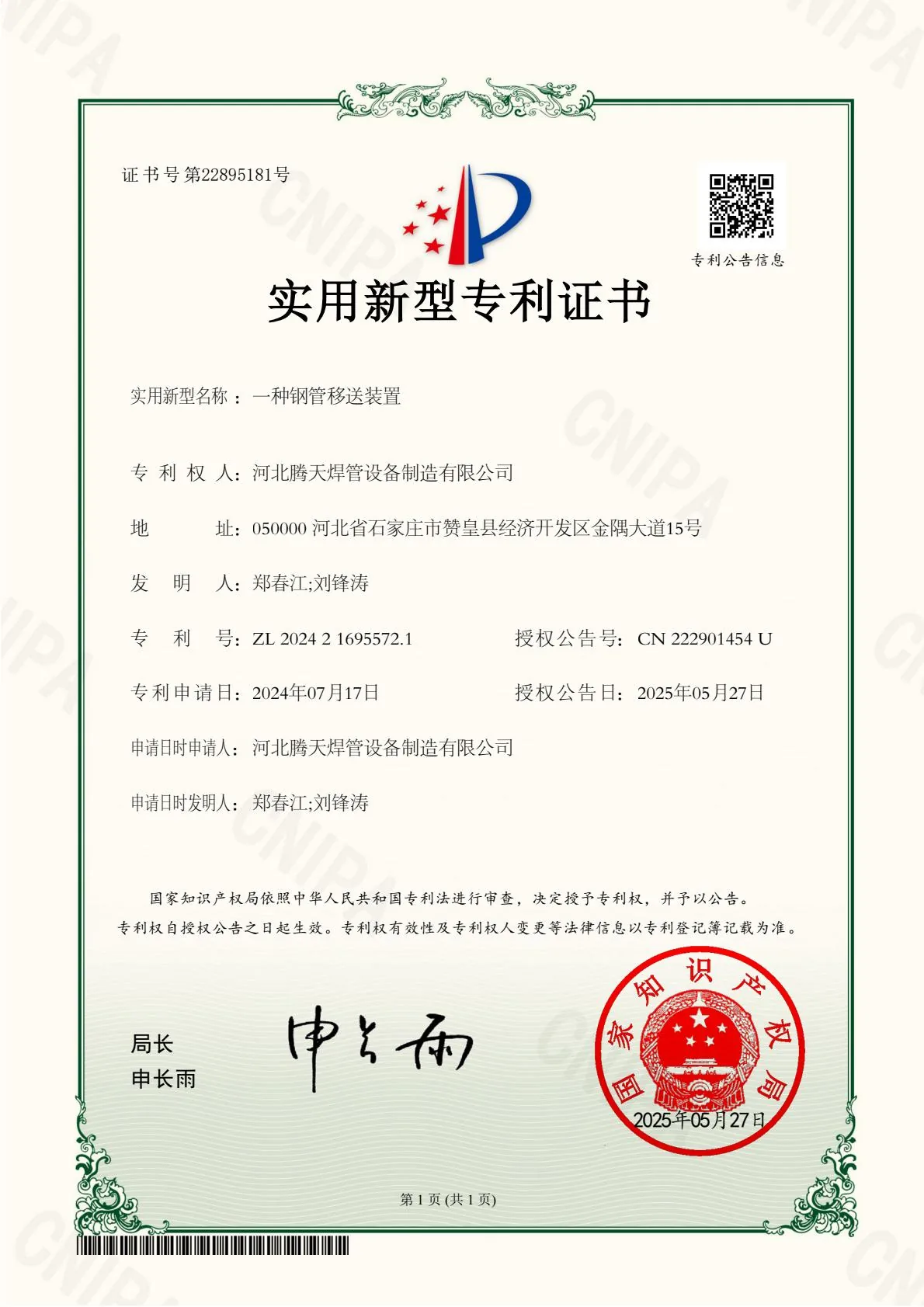
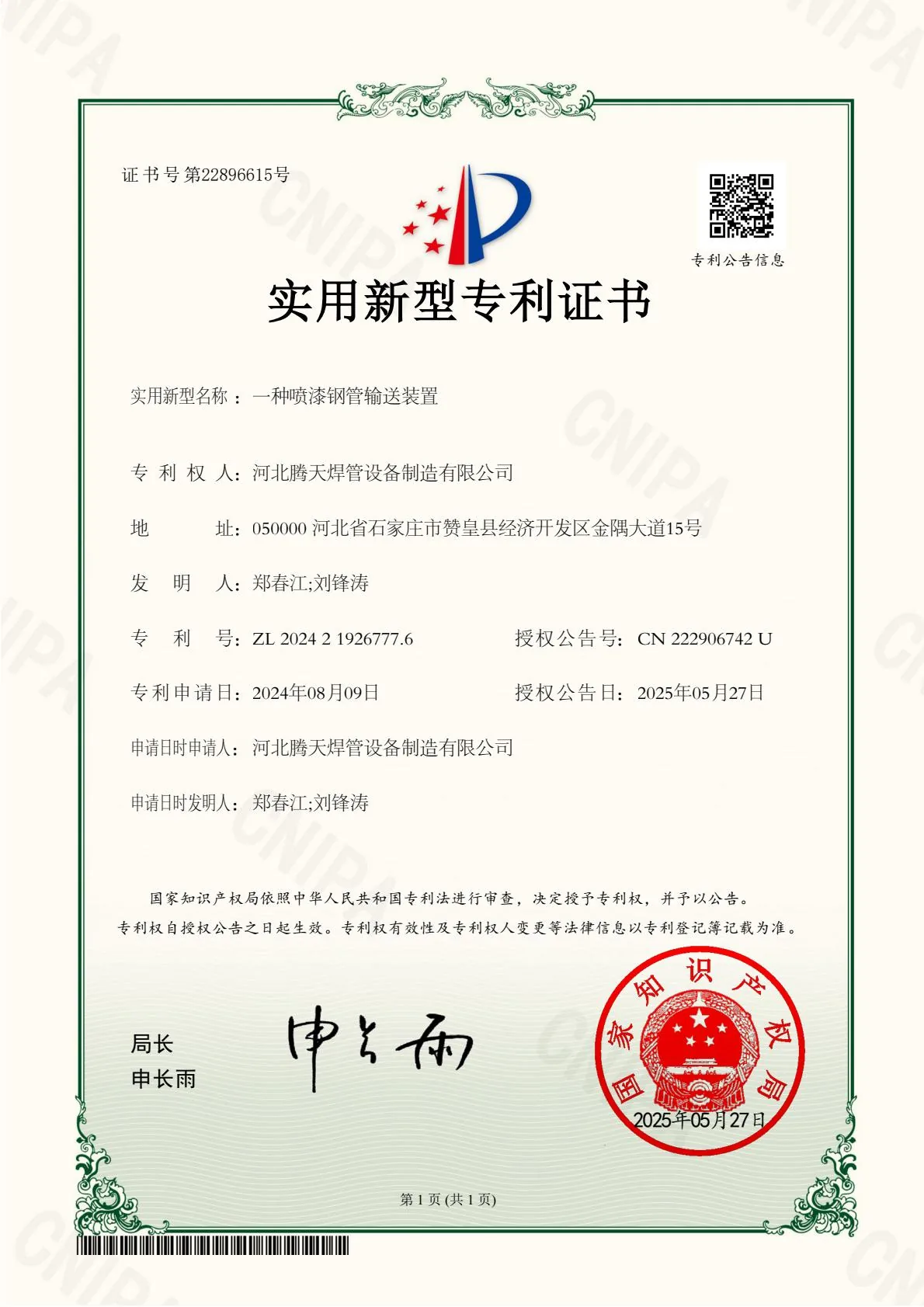
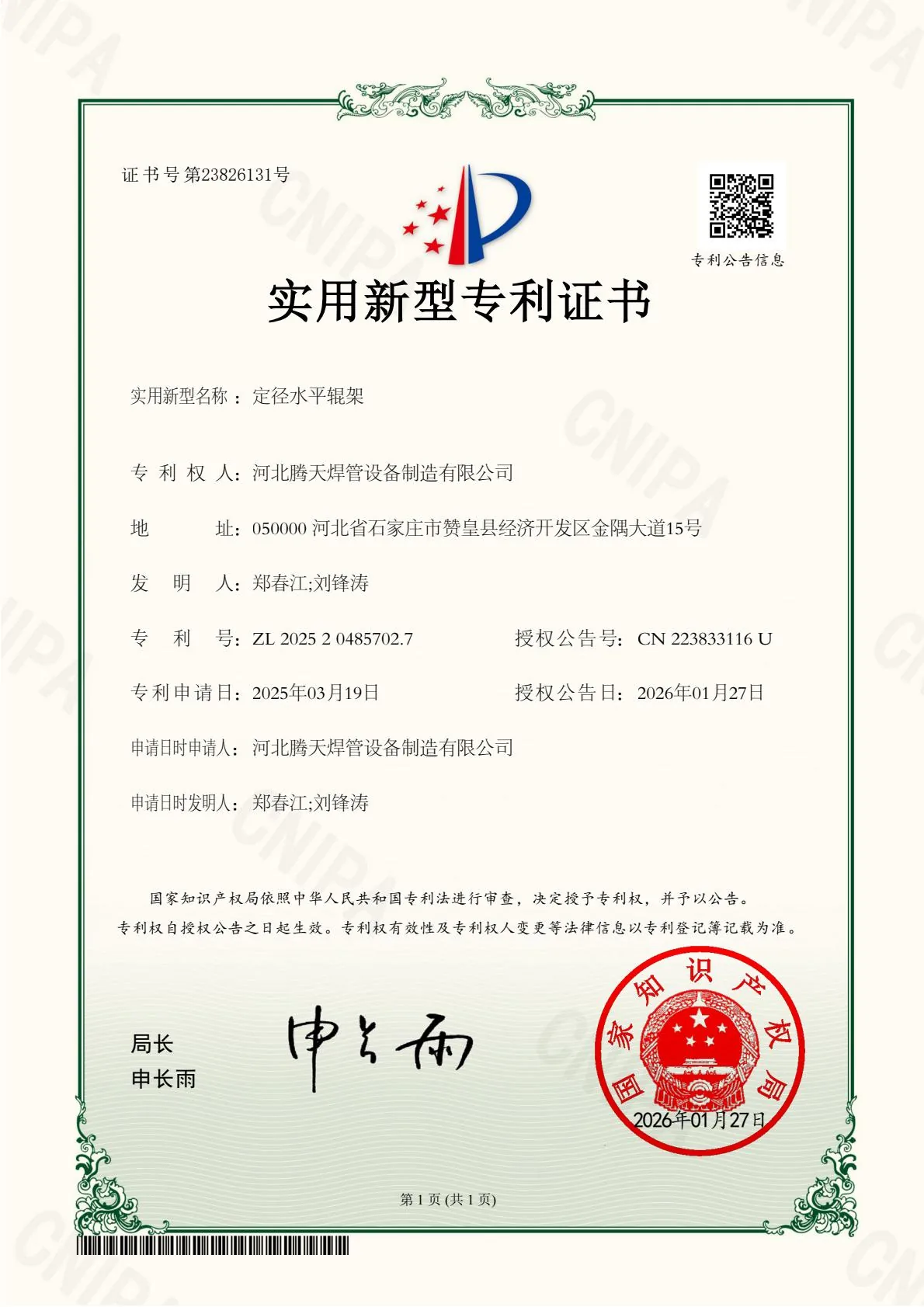
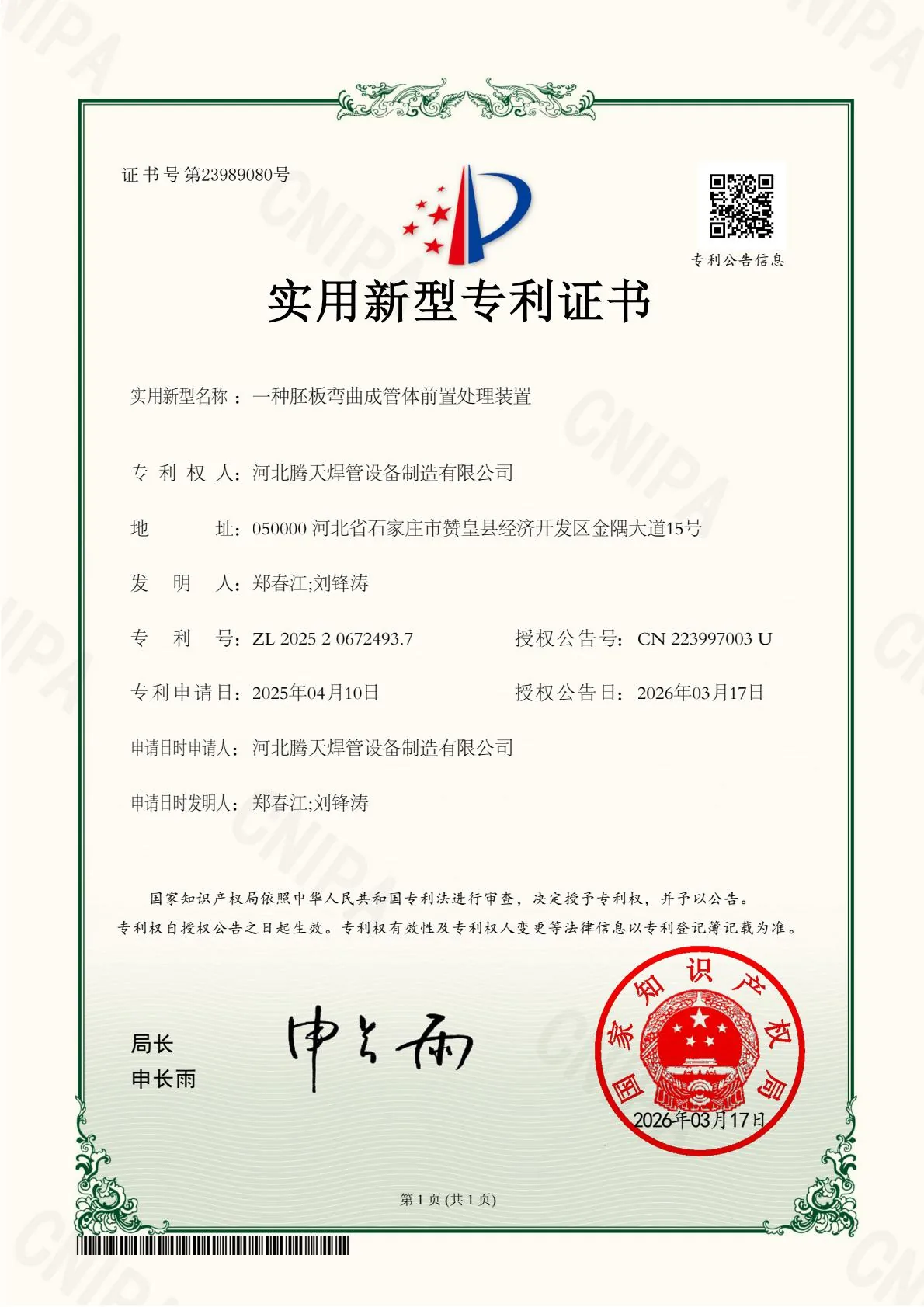
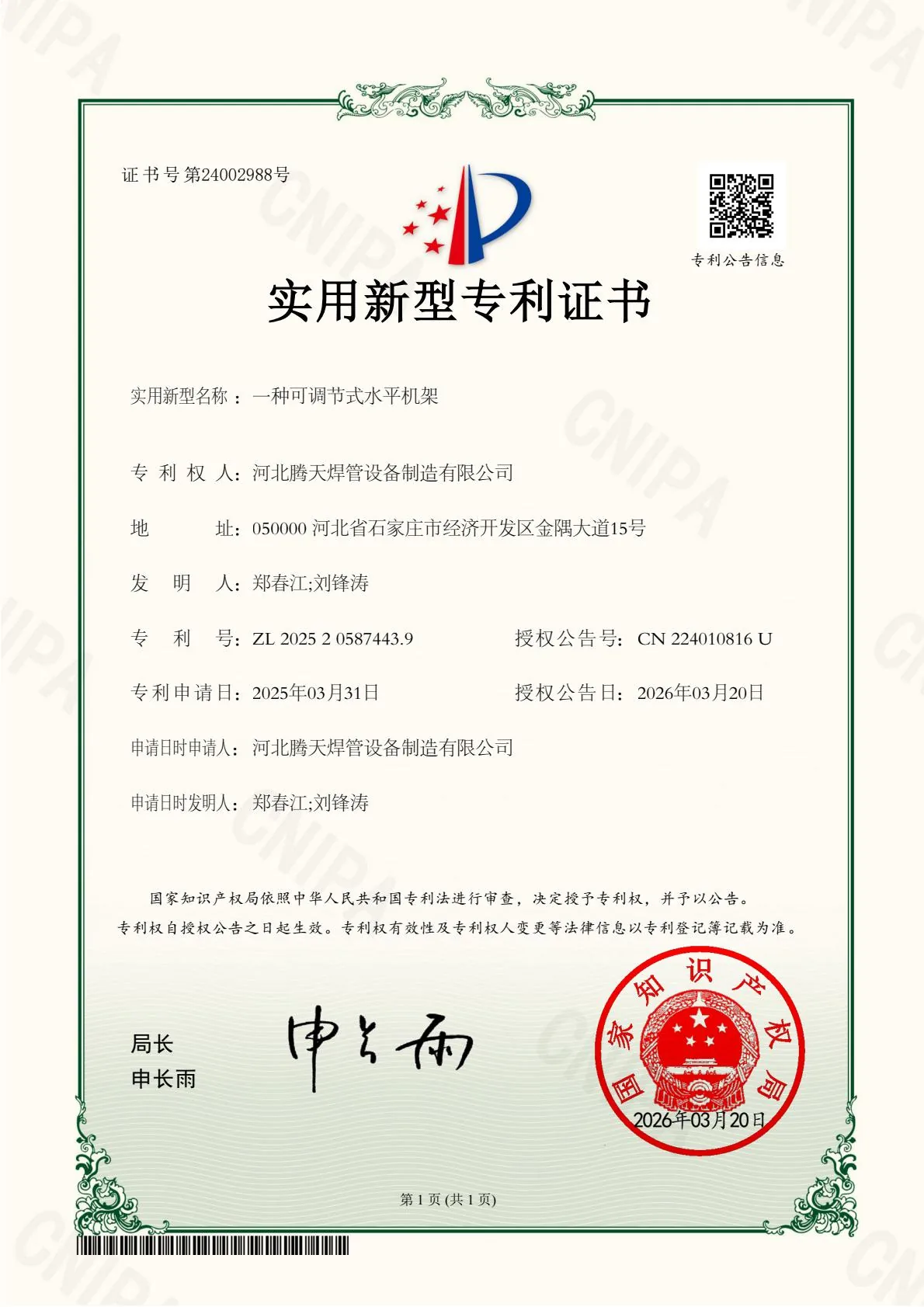
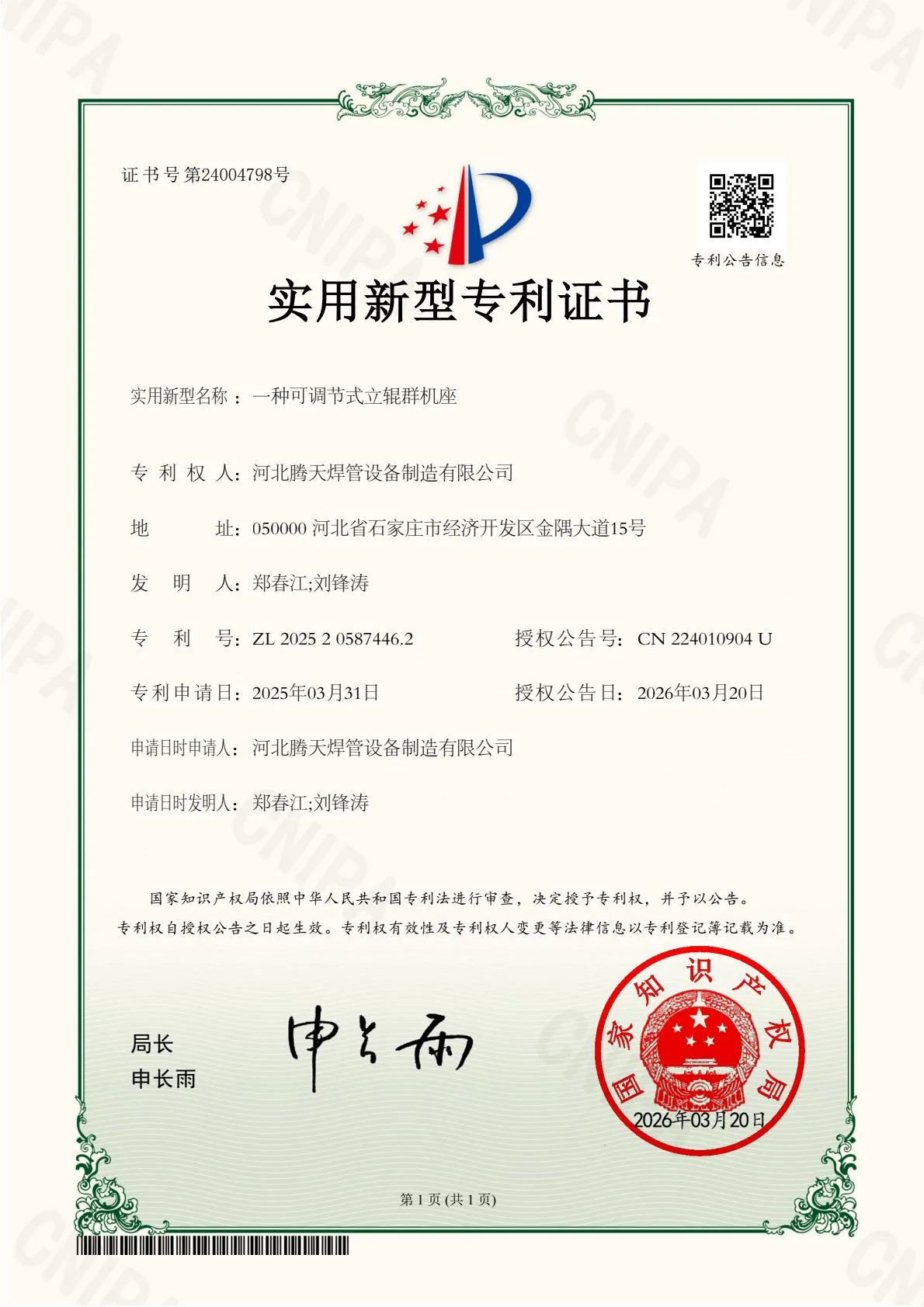
- 30 granted utility model patents, with 7 invention patents applied for
- 20 reference deliveries across 15 countries, each with site photographs
Ask an Engineer — Reply Within a Single Contact →
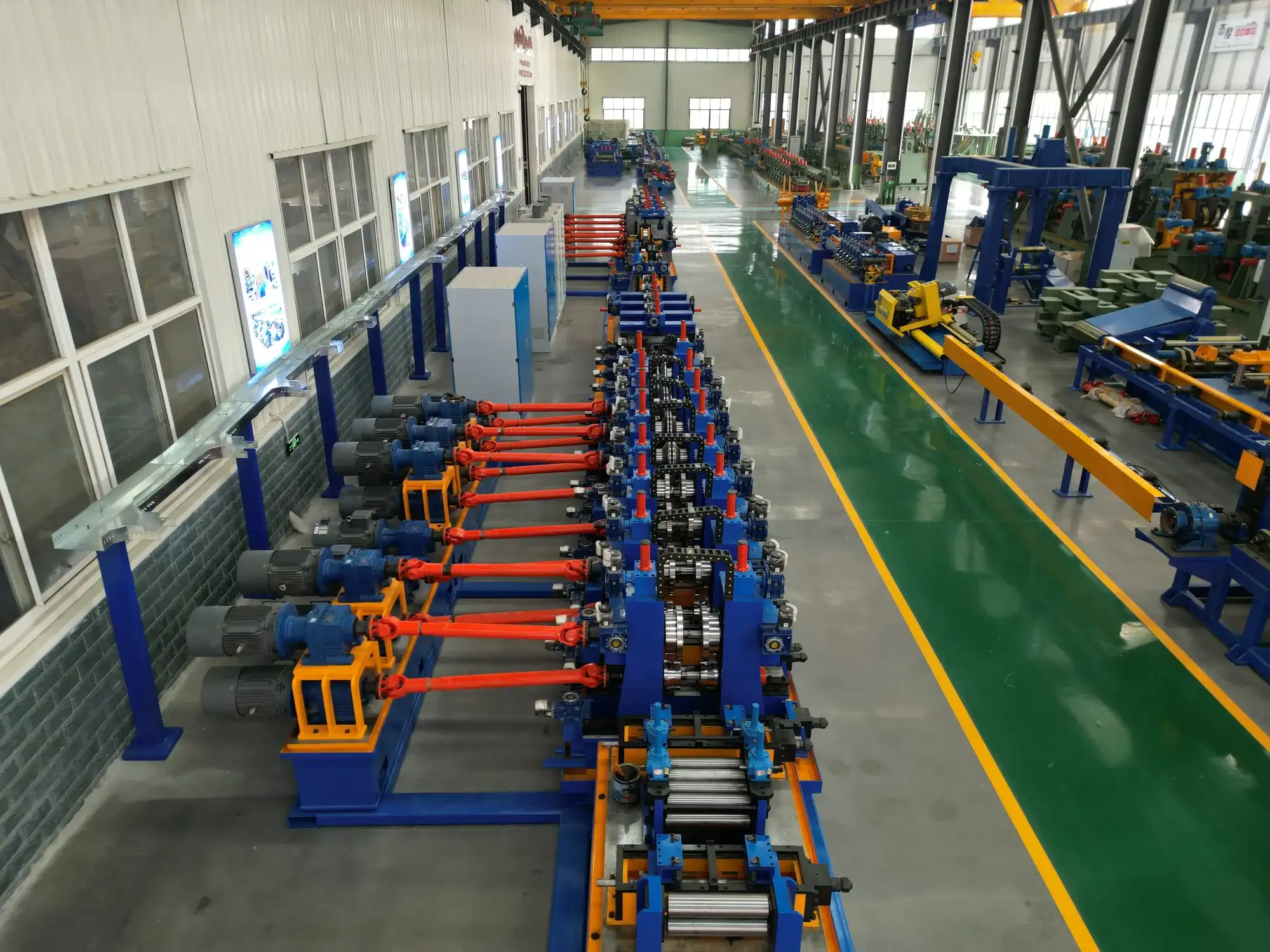
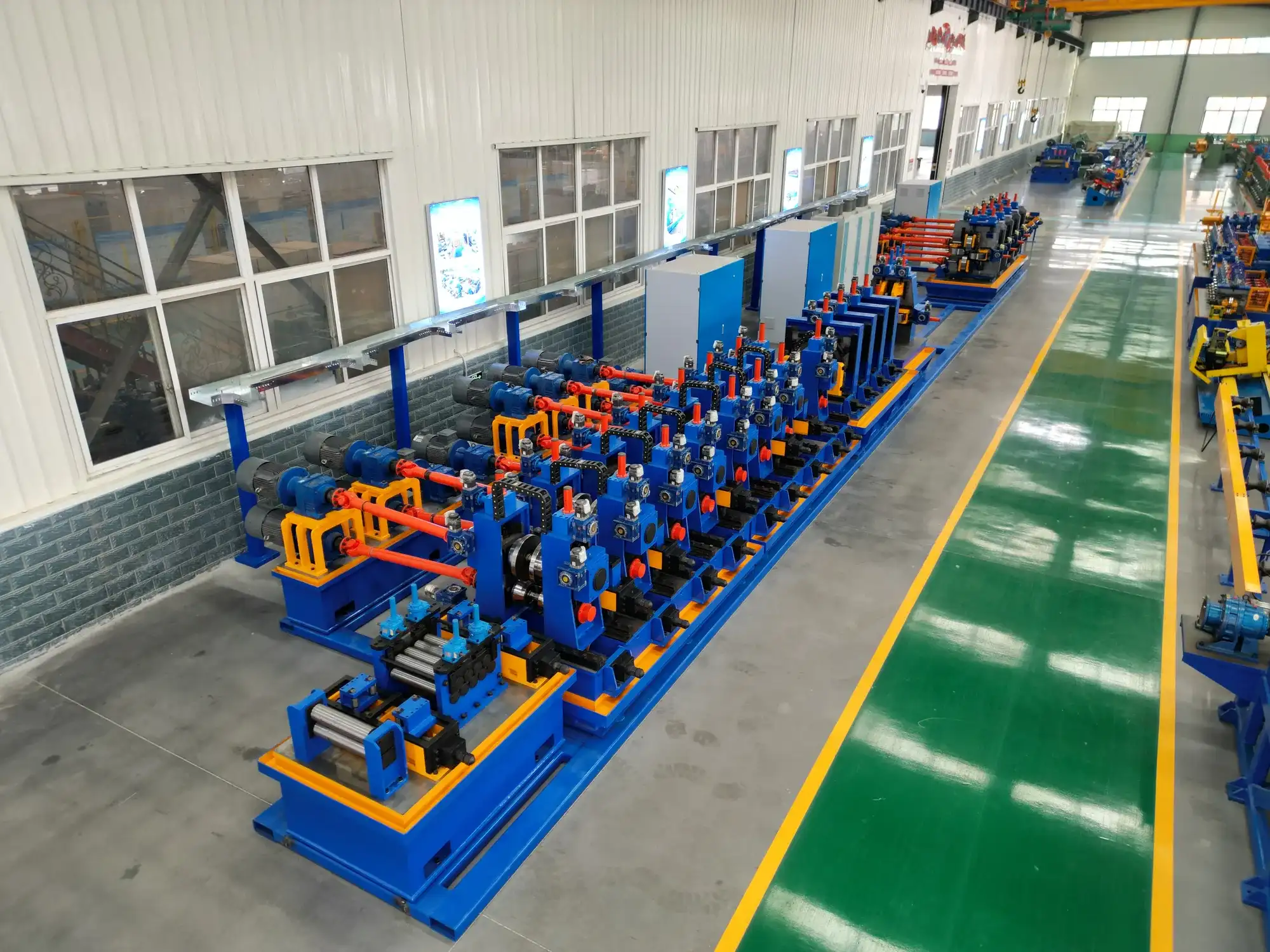
A line that has never been assembled before it reaches the customer is a line being commissioned for the first time on the customer’s floor. Lines are pre-assembled and test-run in the assembly bay before break-down for shipment, so that the fault-finding happens where our engineers and spare parts are already on hand.
Inside the Zanhuang Works
Our Advantages
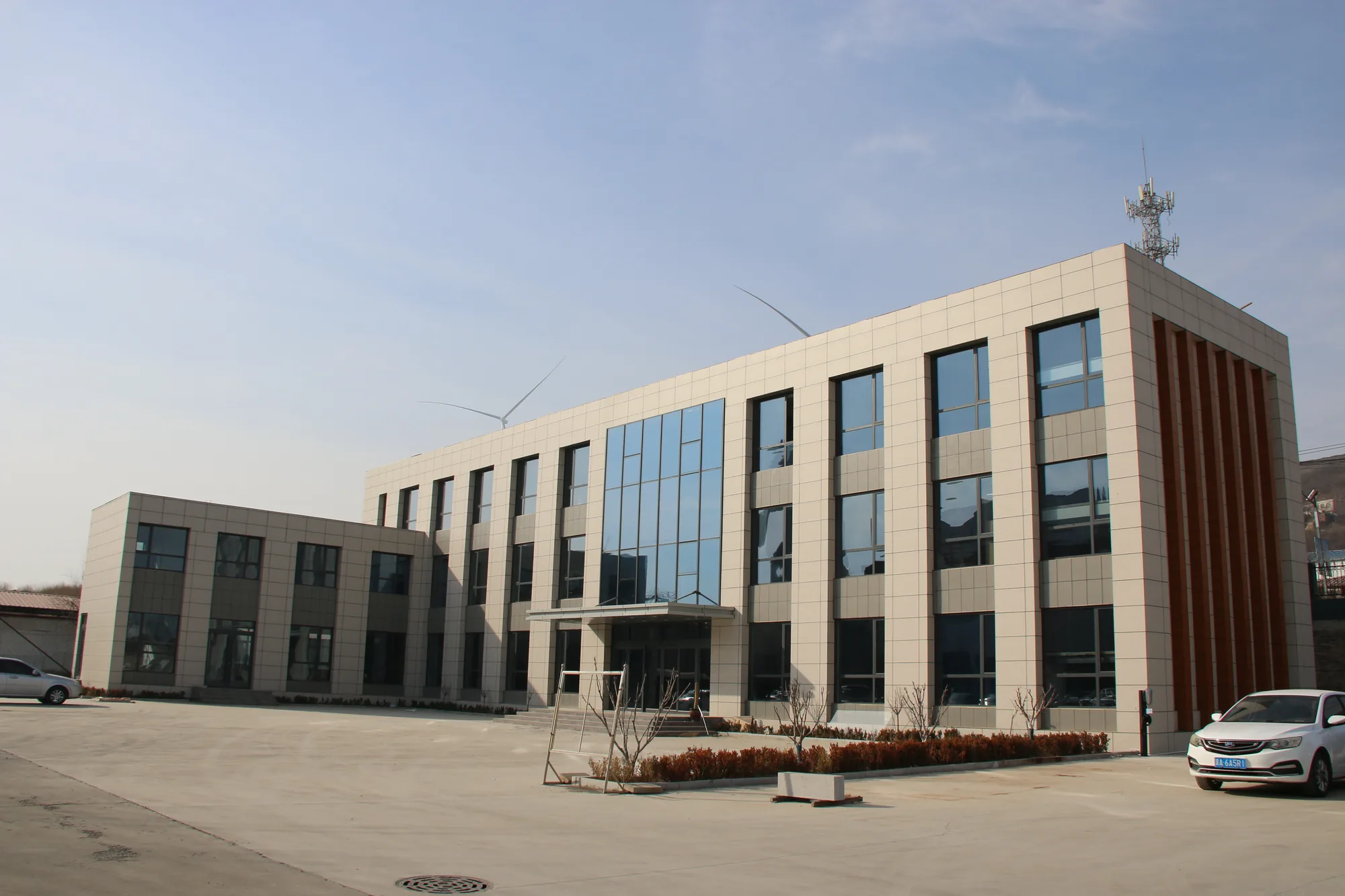
The Technology Innovation Centre and the Design Office
The industrial technology innovation centre was established in January 2017, with a 500 ㎡ R&D centre that includes a sample workshop, a laboratory, an office area with experimental equipment and a storage area. The director of the centre is the director of the design department, so roll design and line design sit under one head rather than in separate departments.
Tengtian draws on advanced Japanese technology, which is why the machines are built to meet strict quality standards and why the configurations, rather than the price, are what we ask you to compare. The company was established in October 2014 and employs 51 to 200 people, integrating research, production, sales and service in one plant.
Roll design for the straight-seam mills is carried out in the German COPRA roll-forming design software, which is used both as the design guide for the roll pass and as the final verification before rolls are cut. The mills themselves use the W, FFX and FF forming methods.
Roll Shop and Assembly Bay

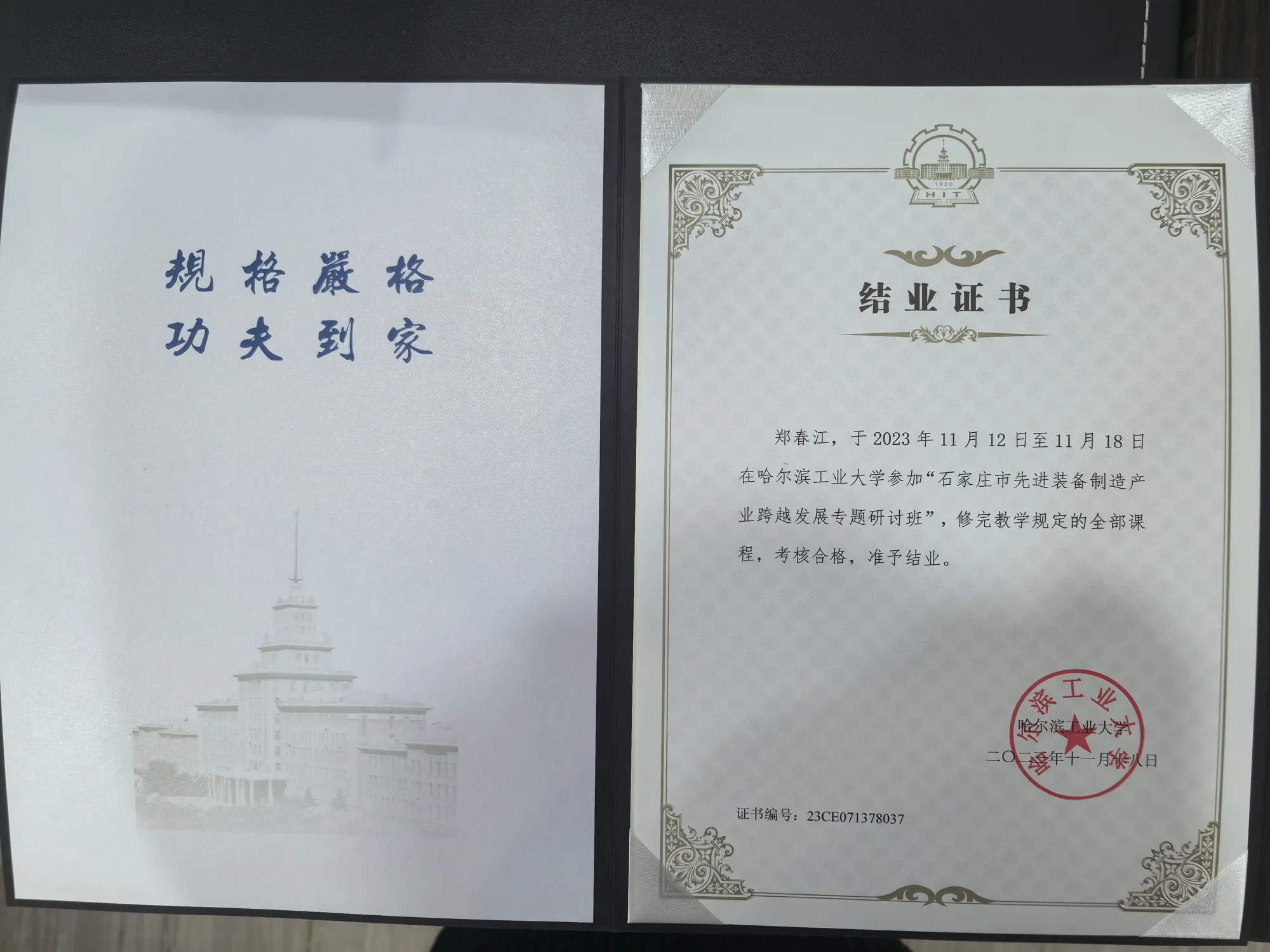
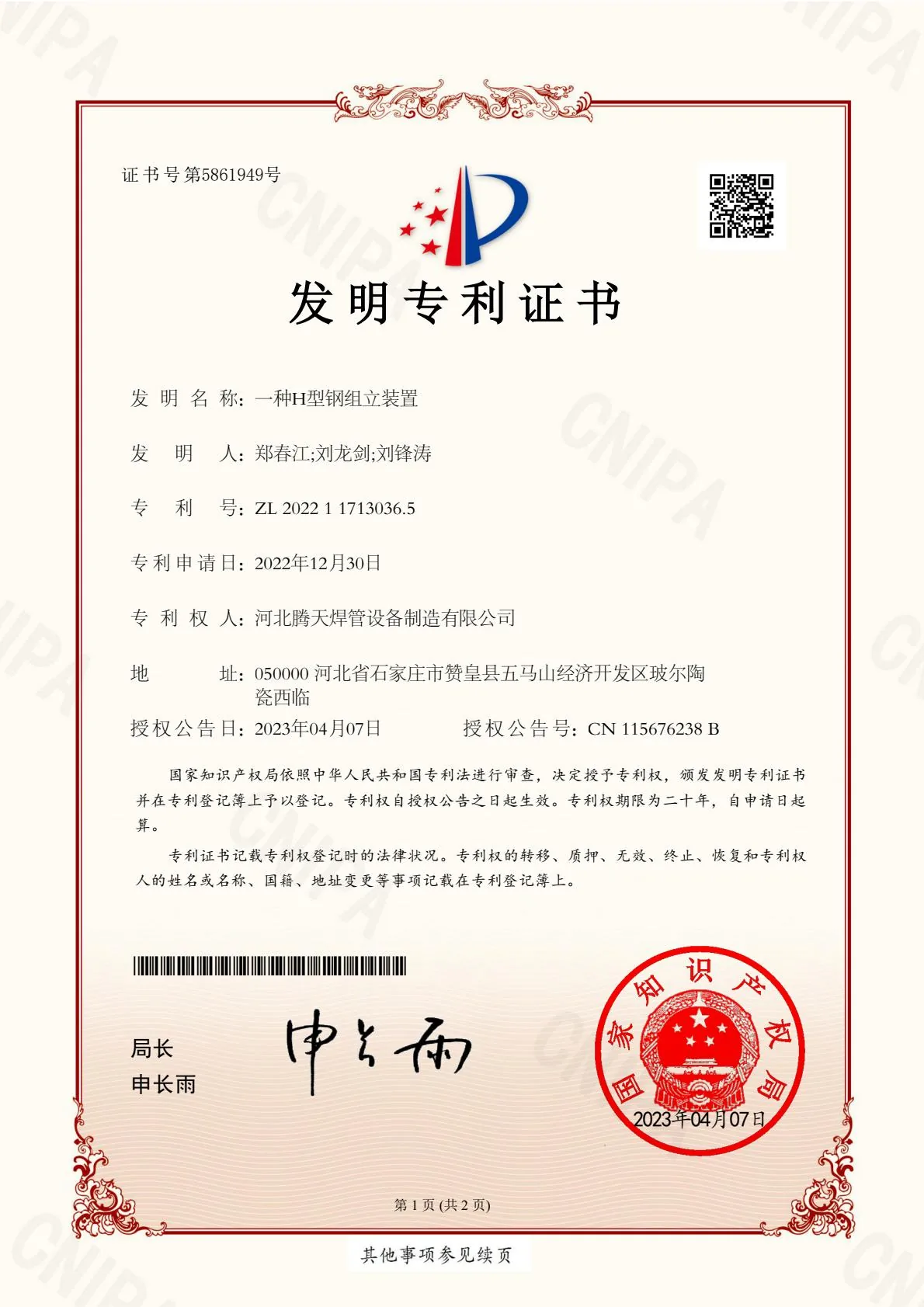
Certificates and Qualifications
Full copies of the documents below are available on request.
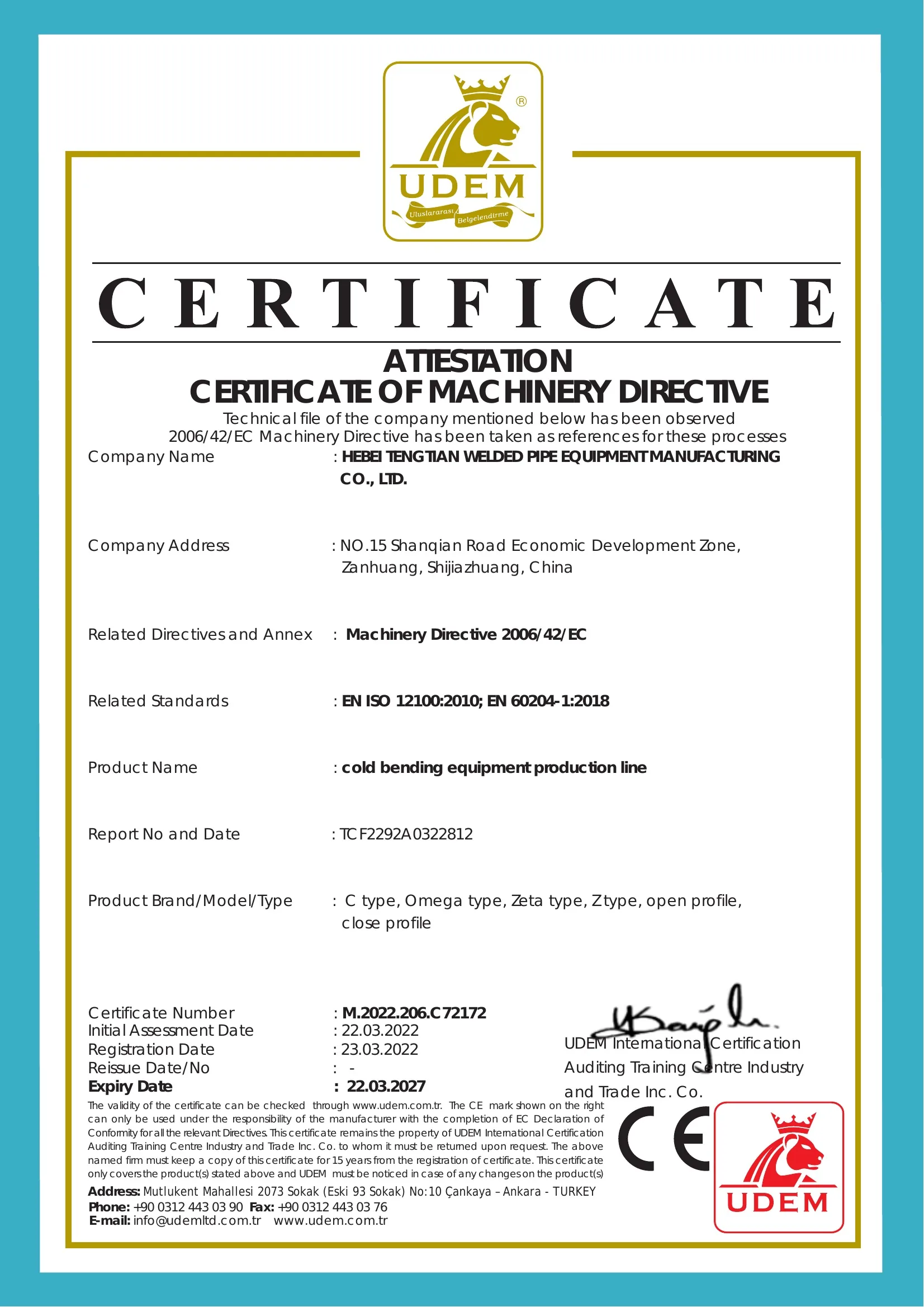
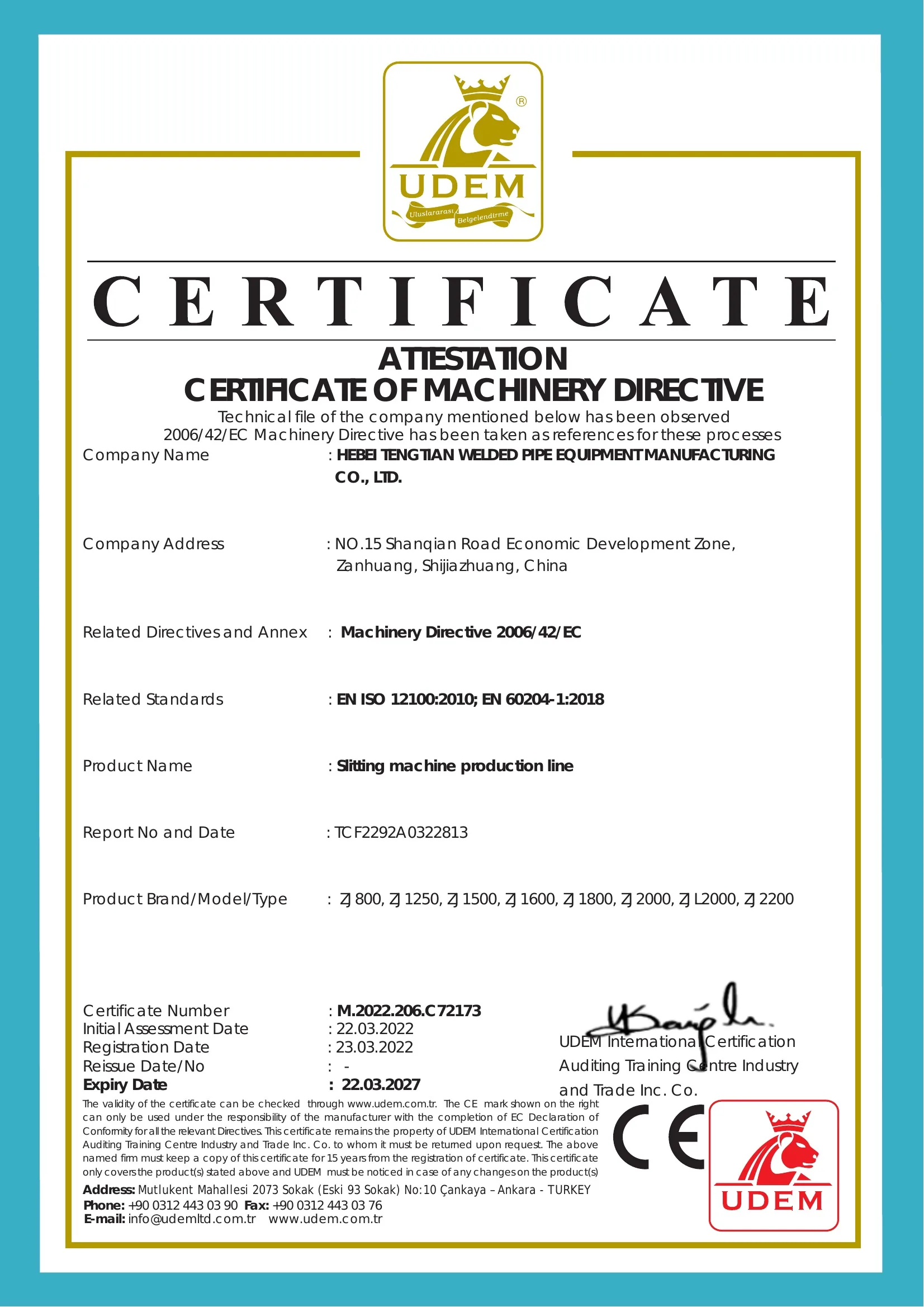
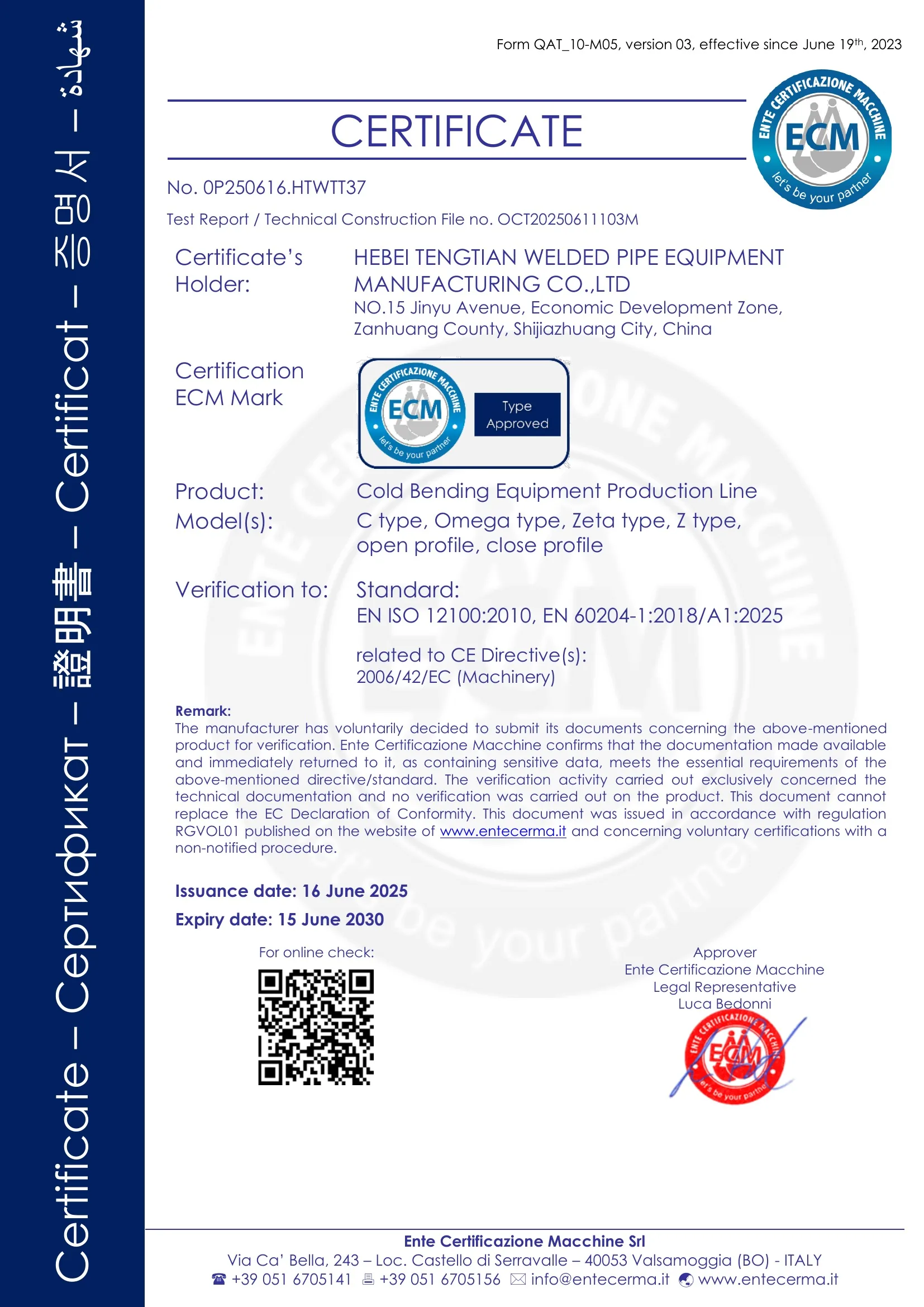
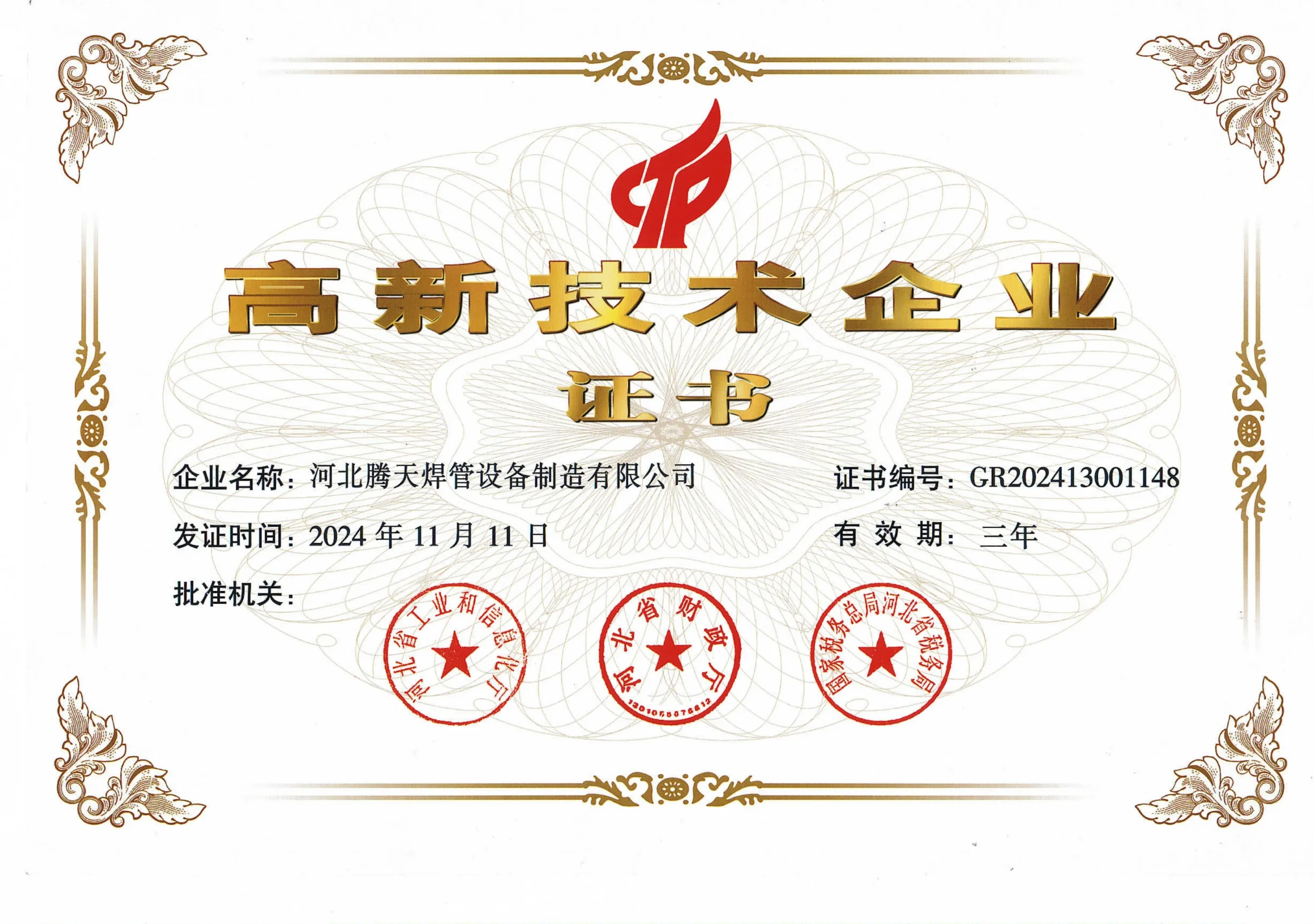
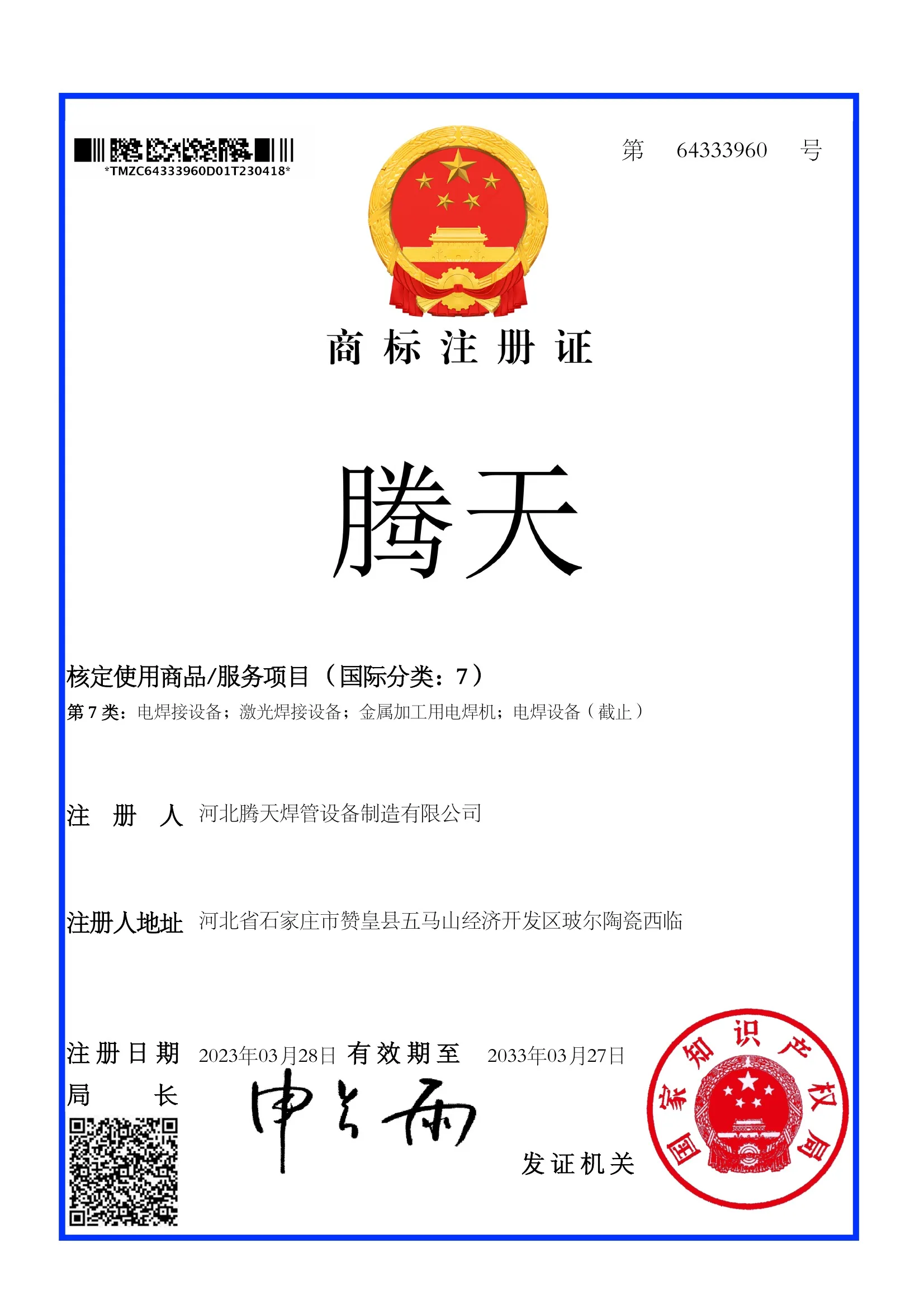
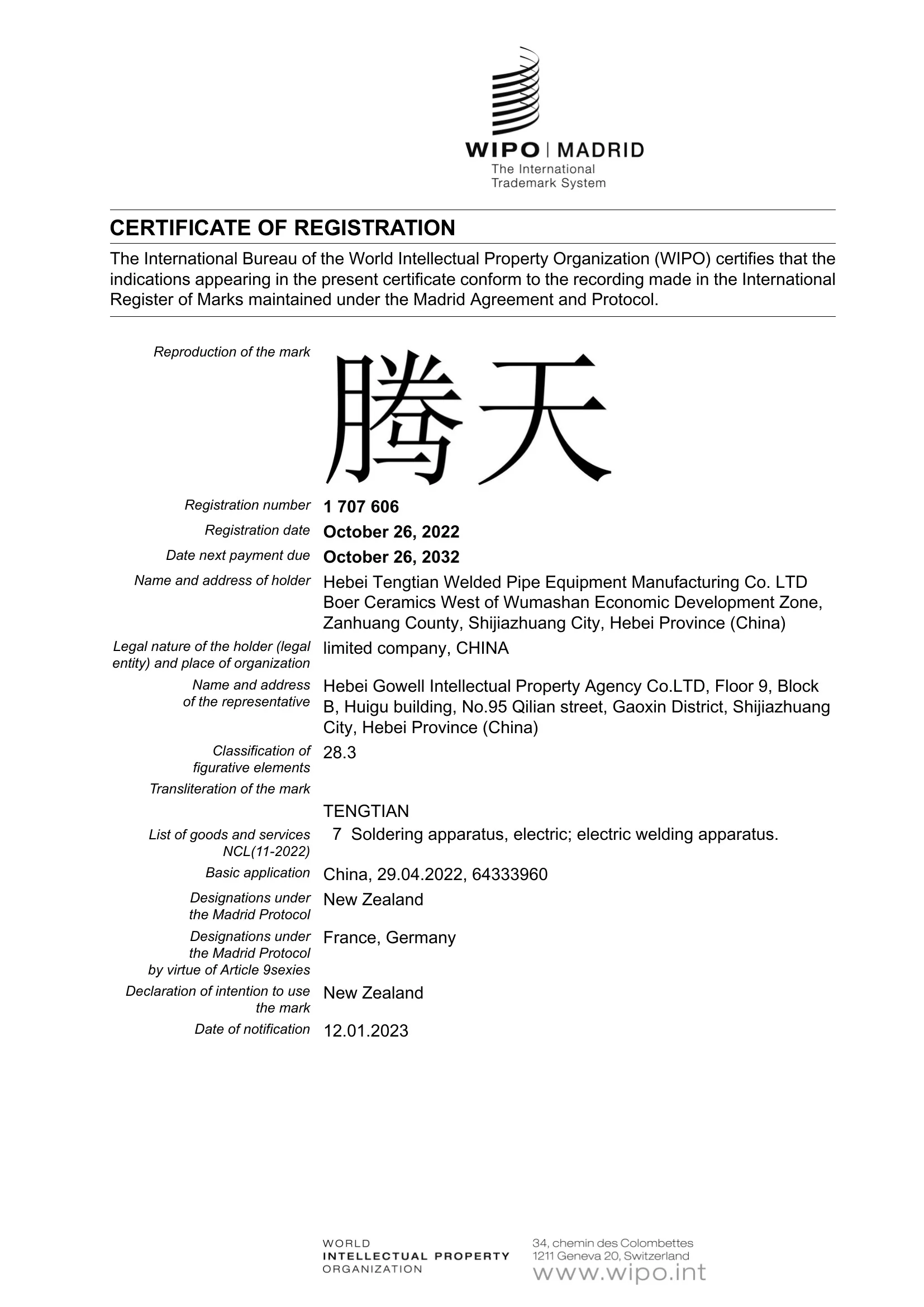
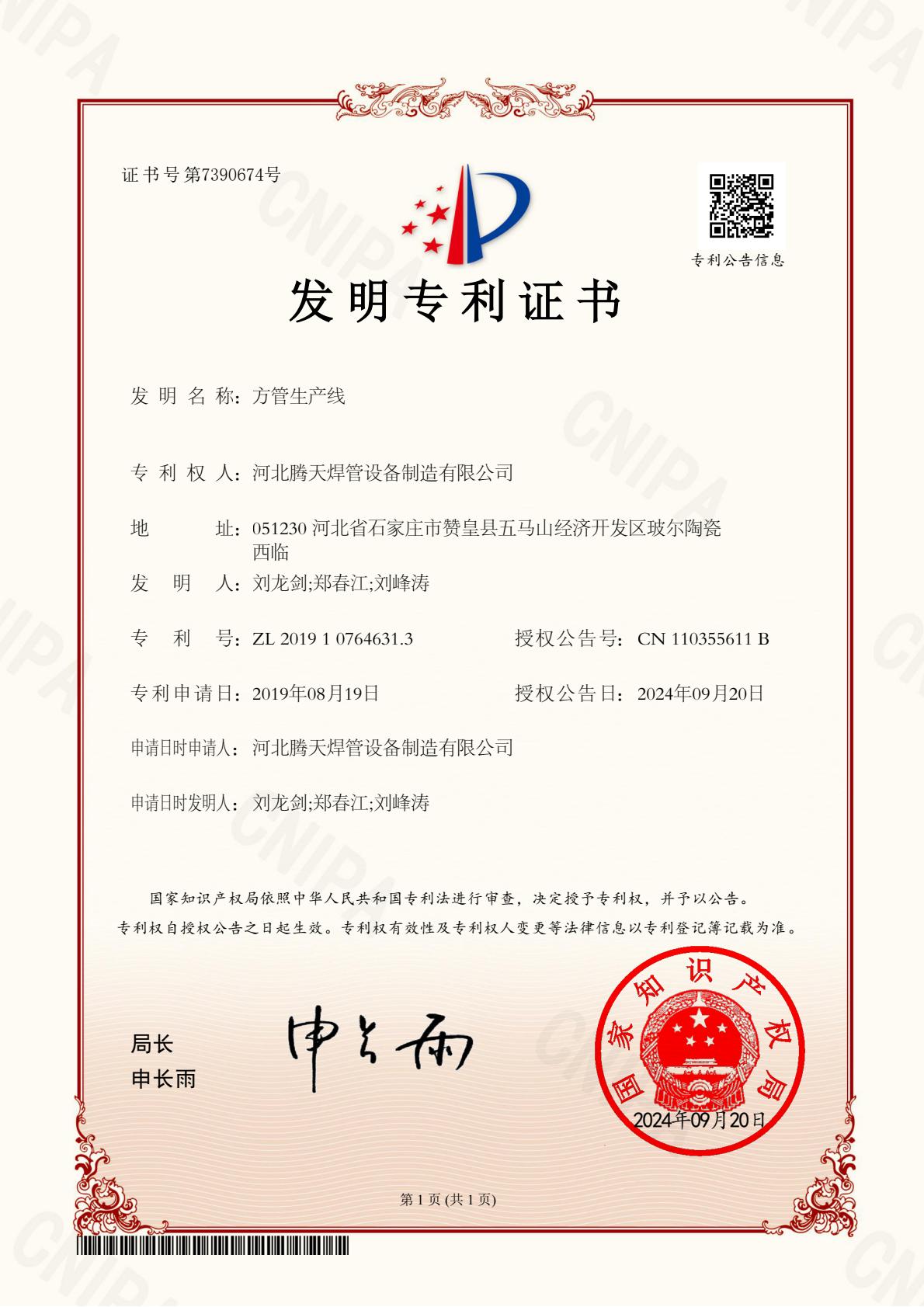
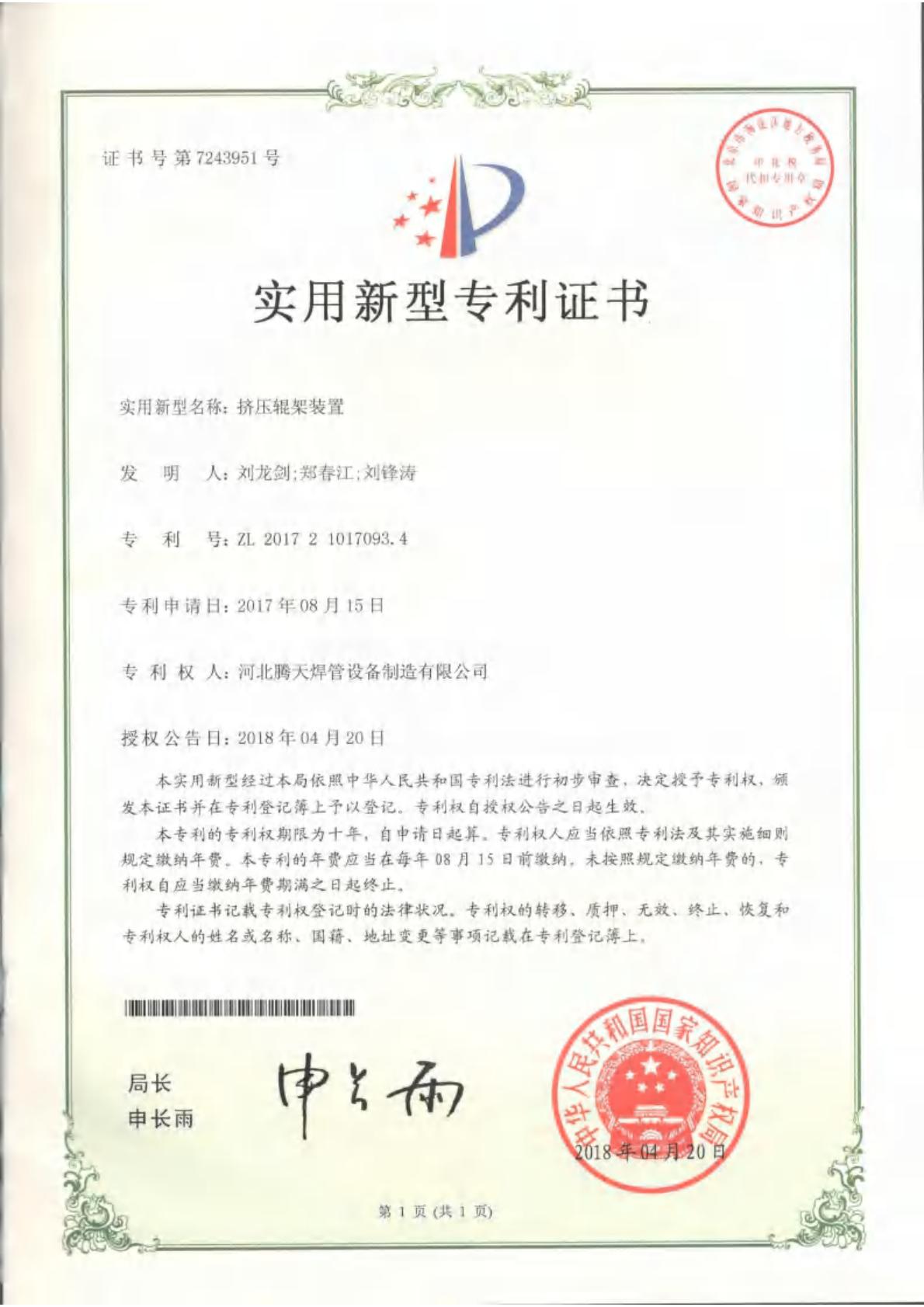
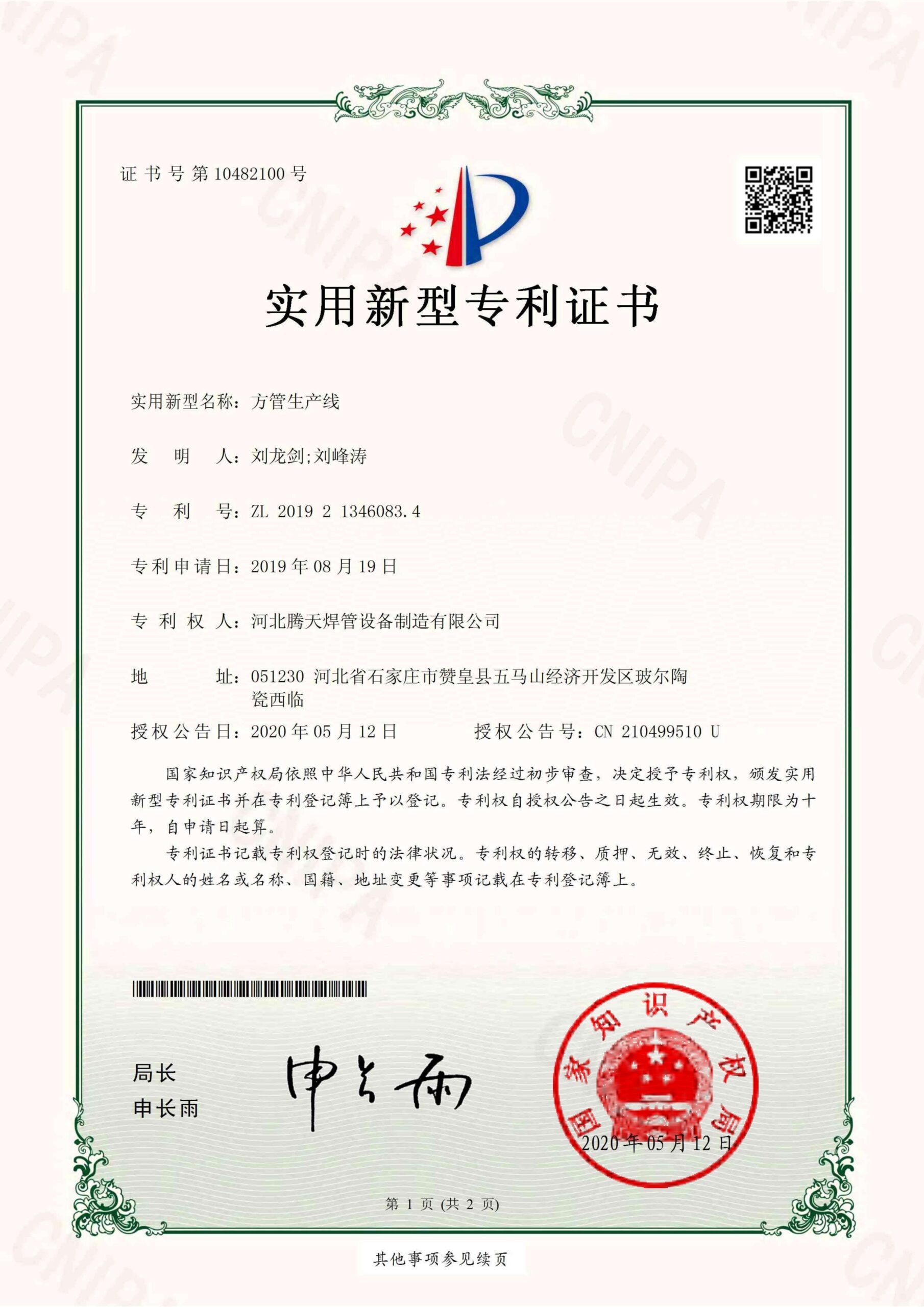
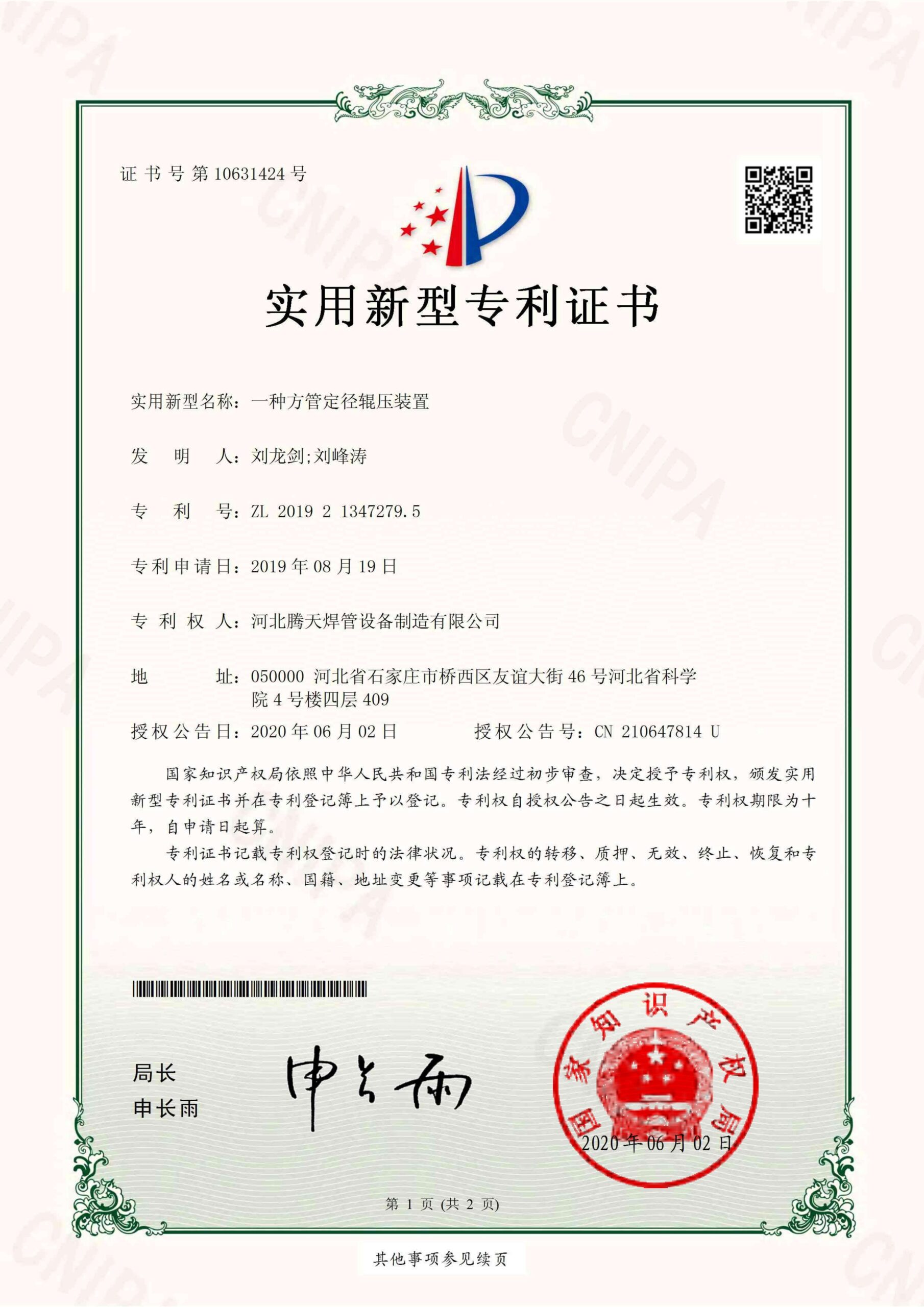
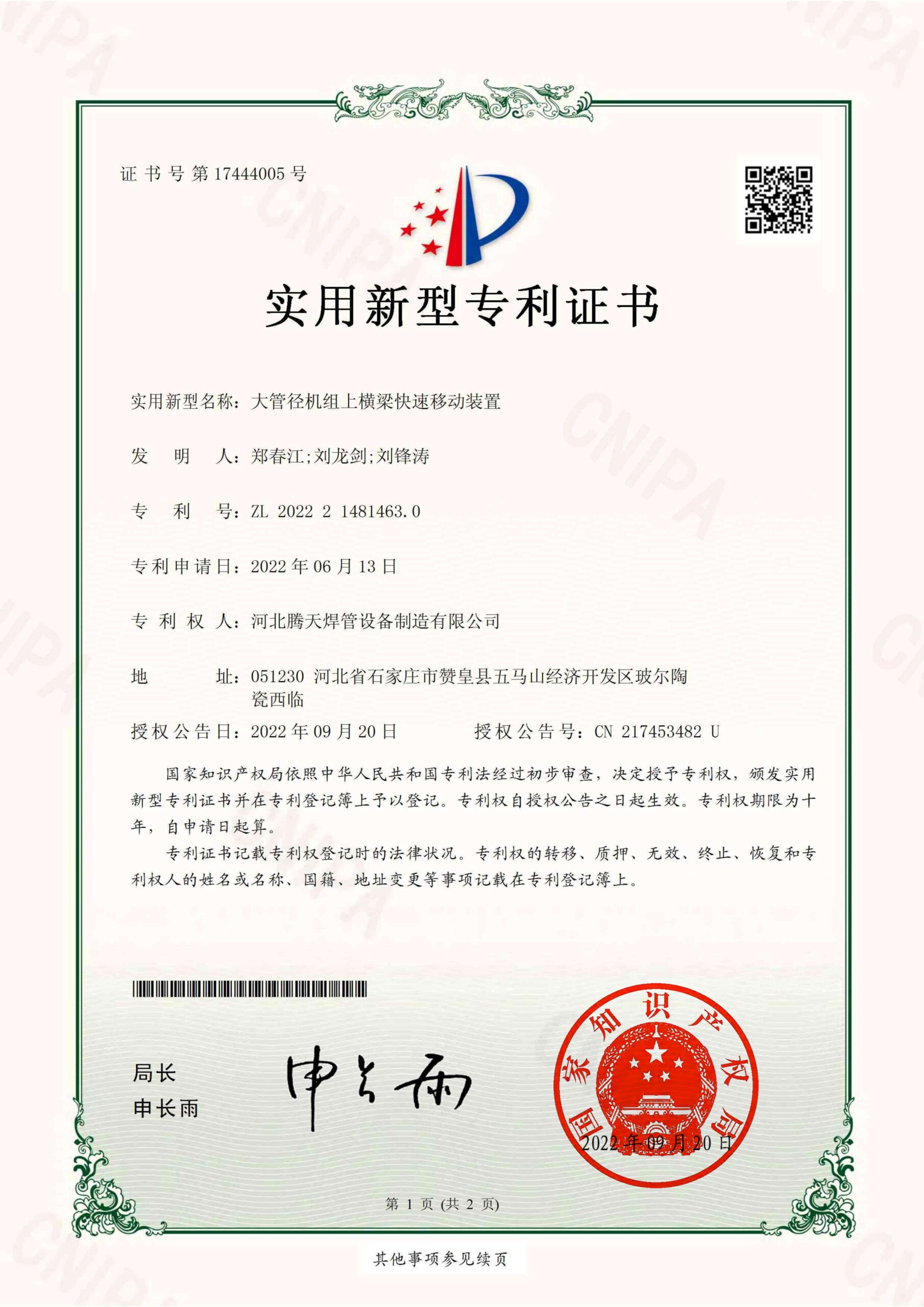
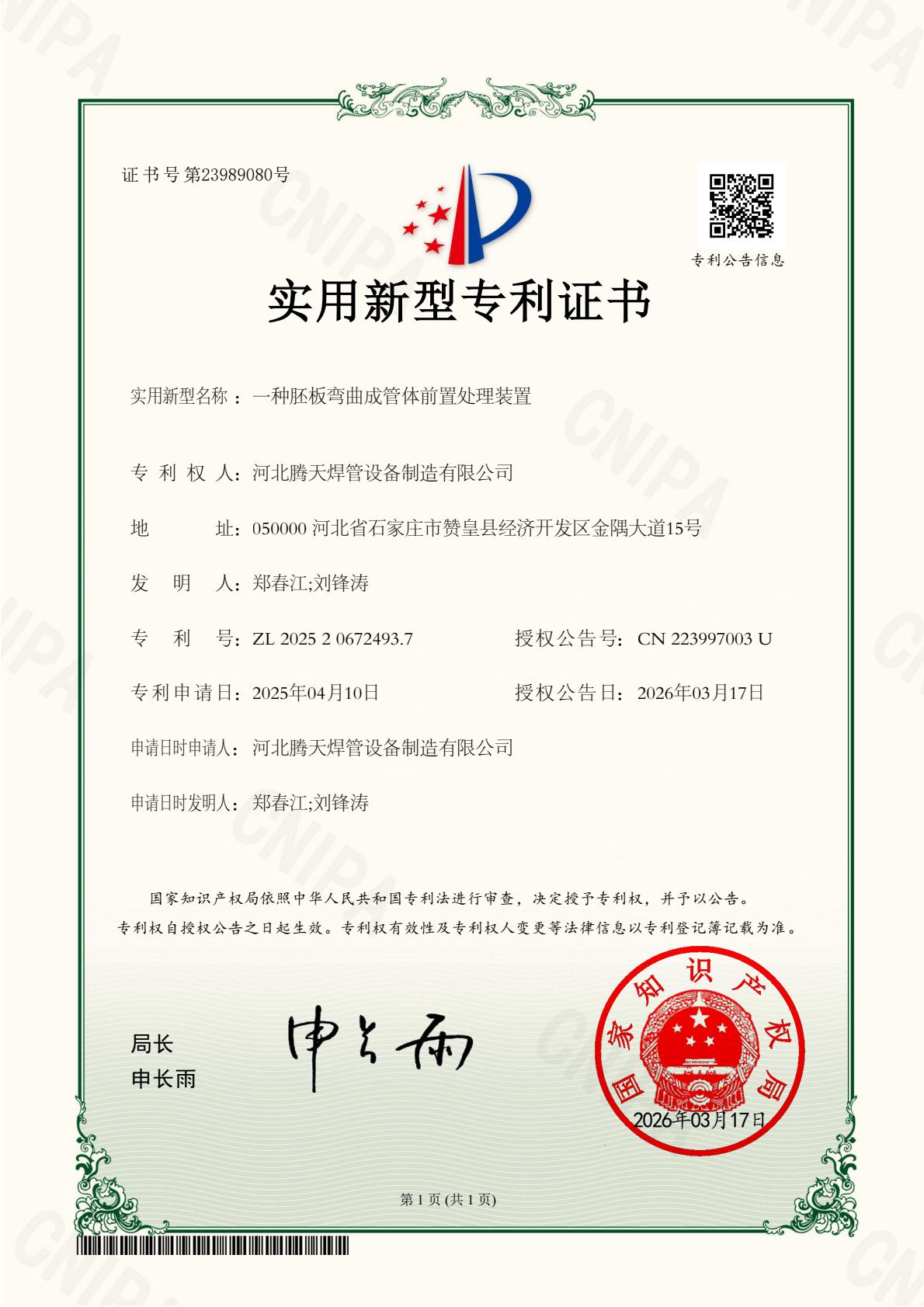
Twenty-eight patents and the remaining registrations are available on request.

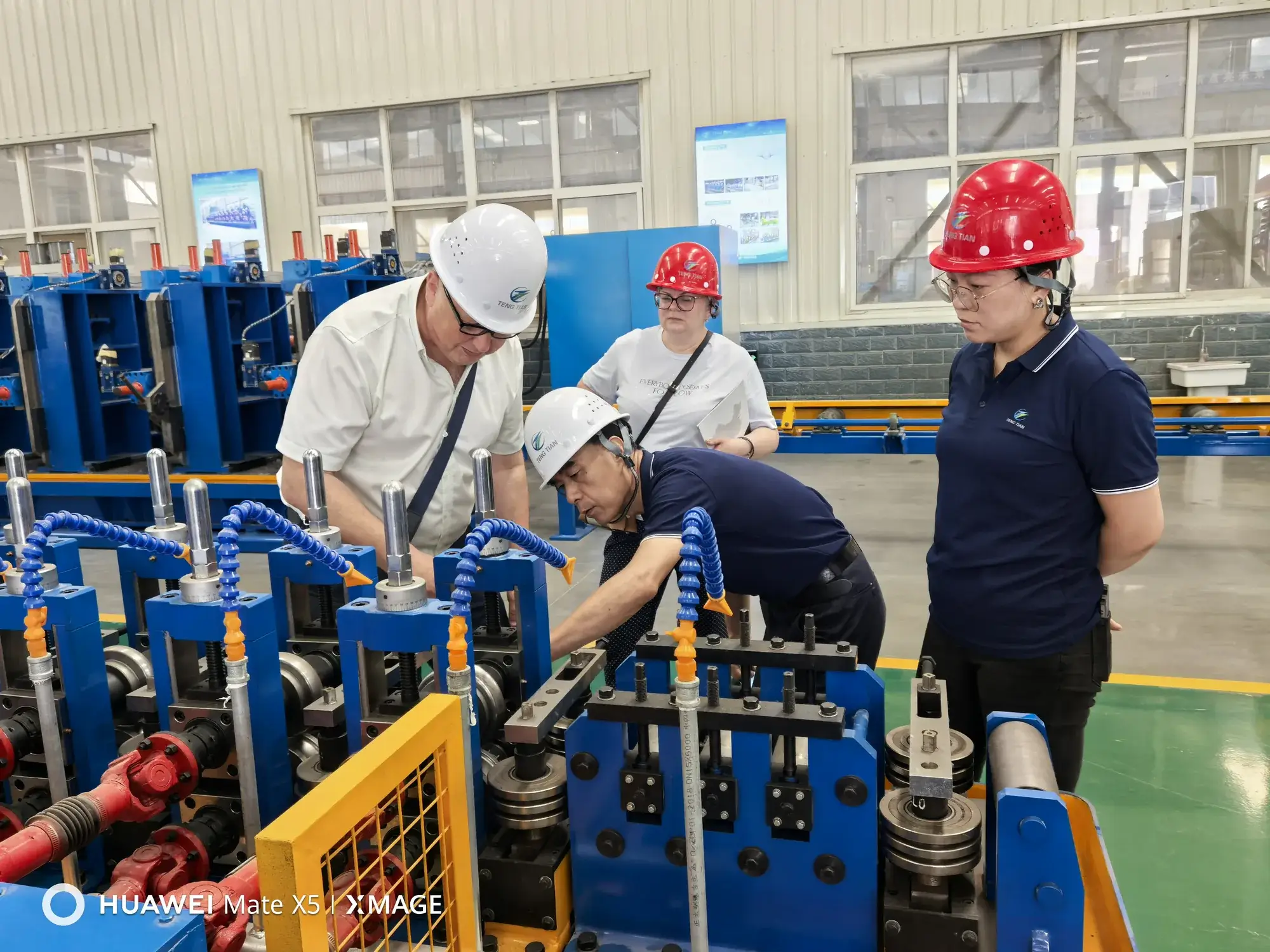
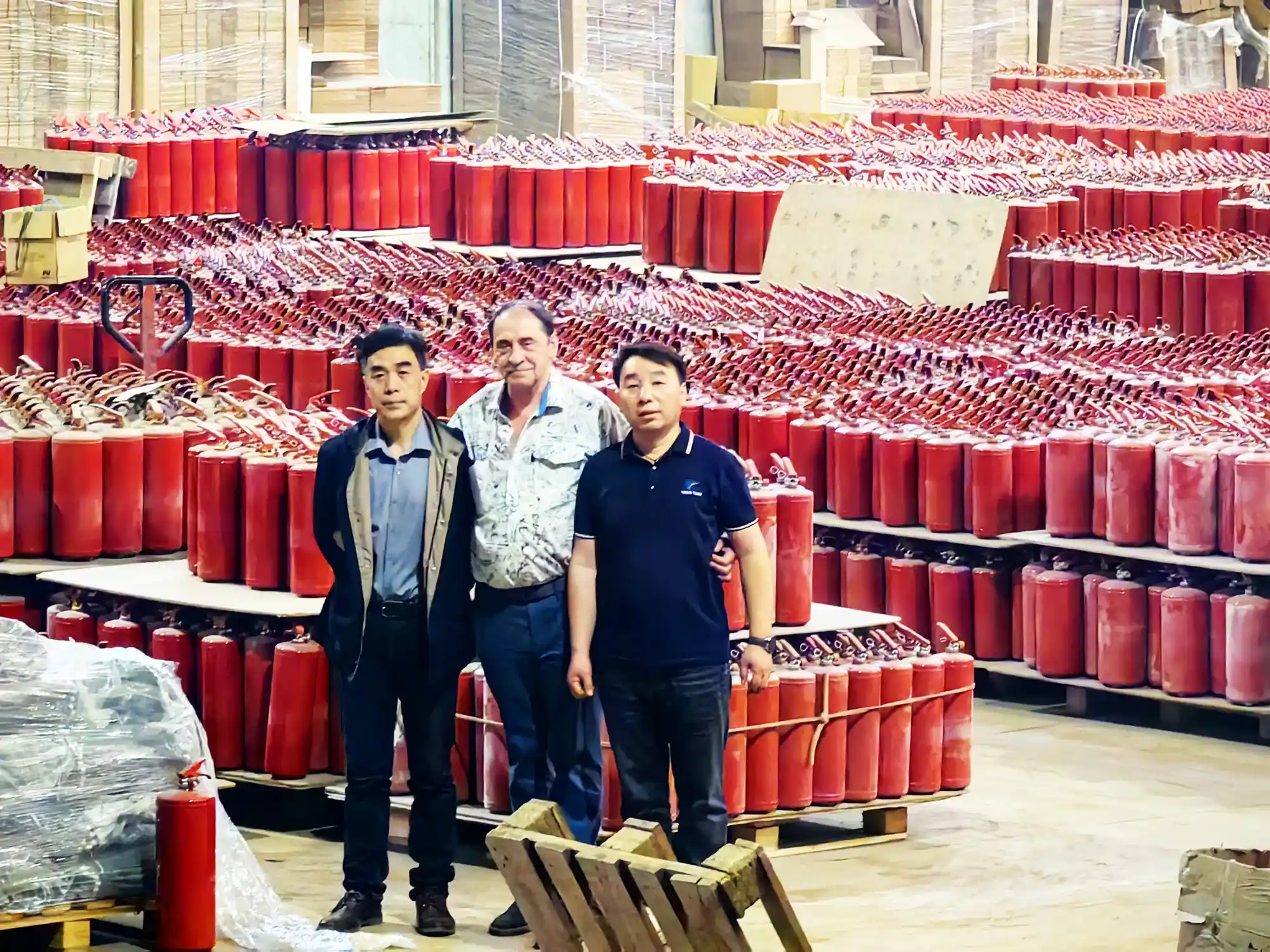
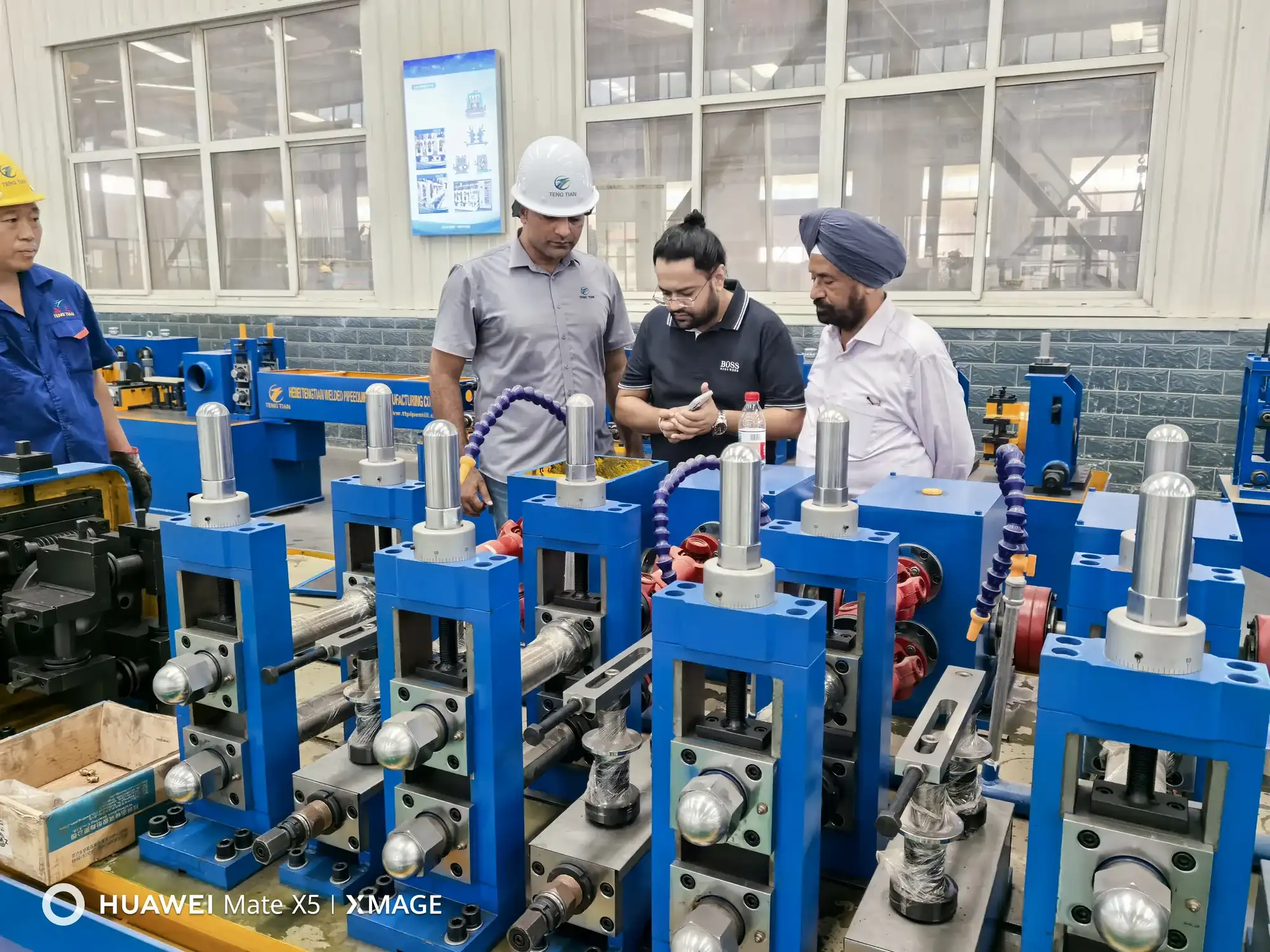
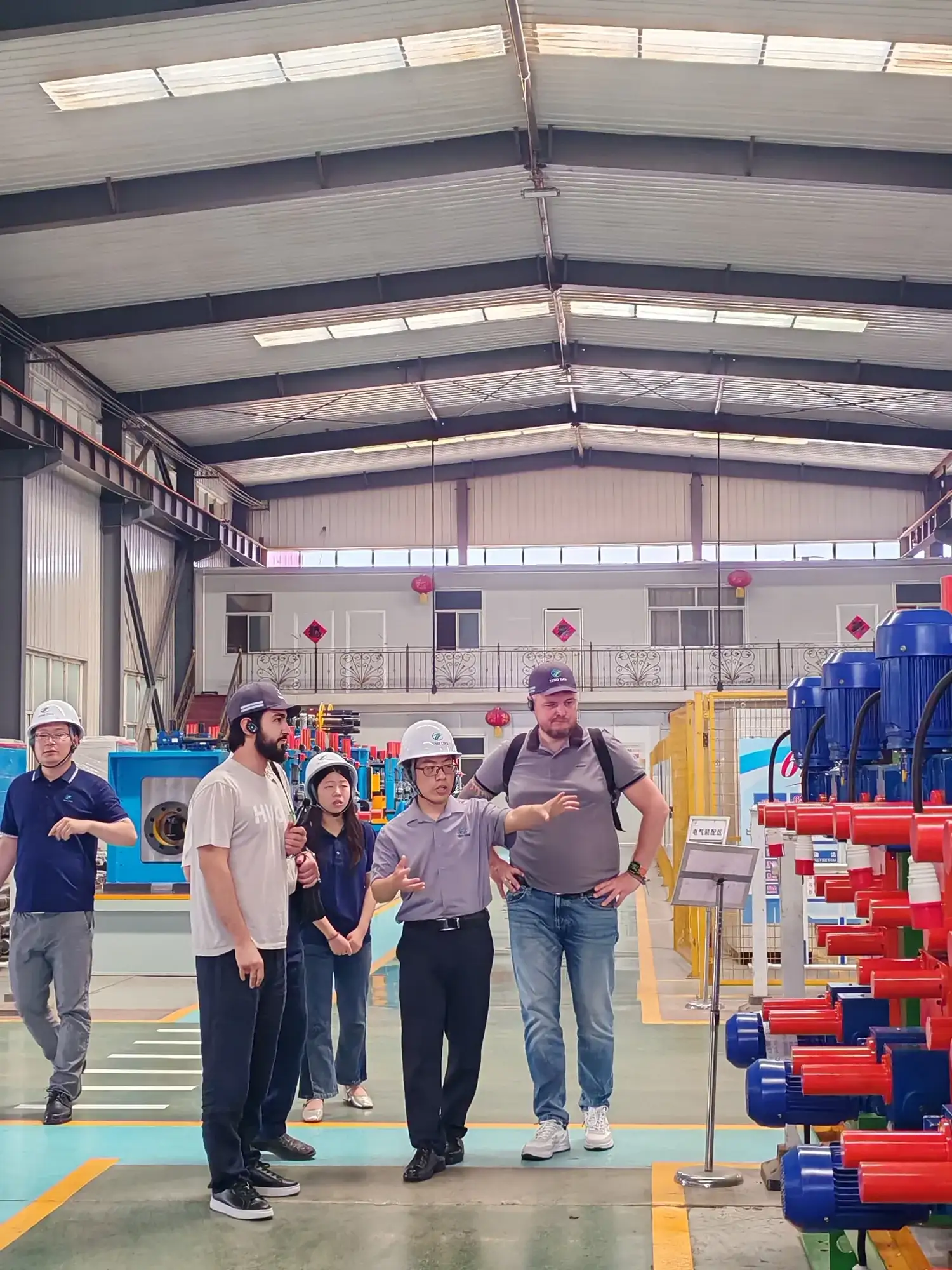
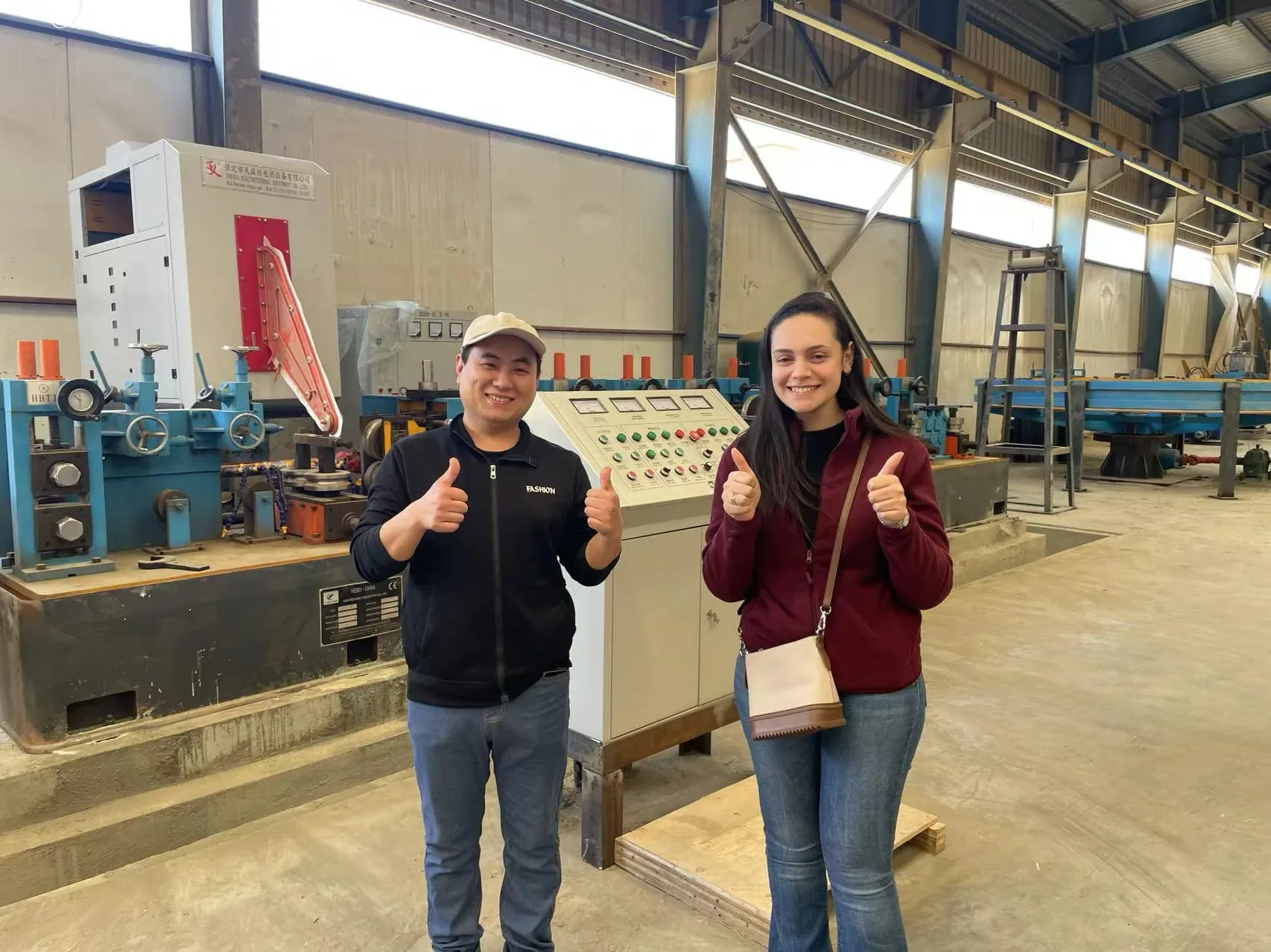
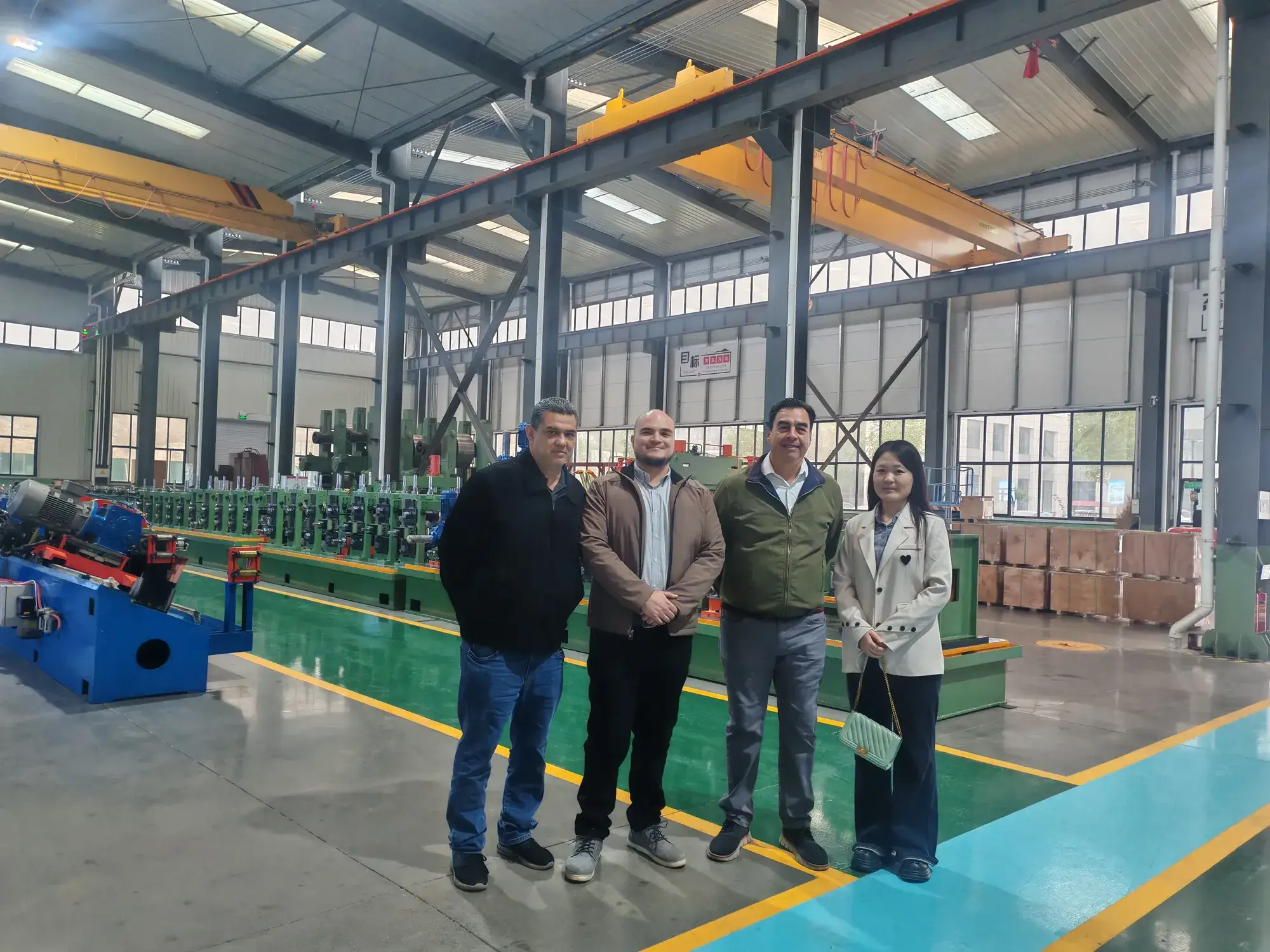
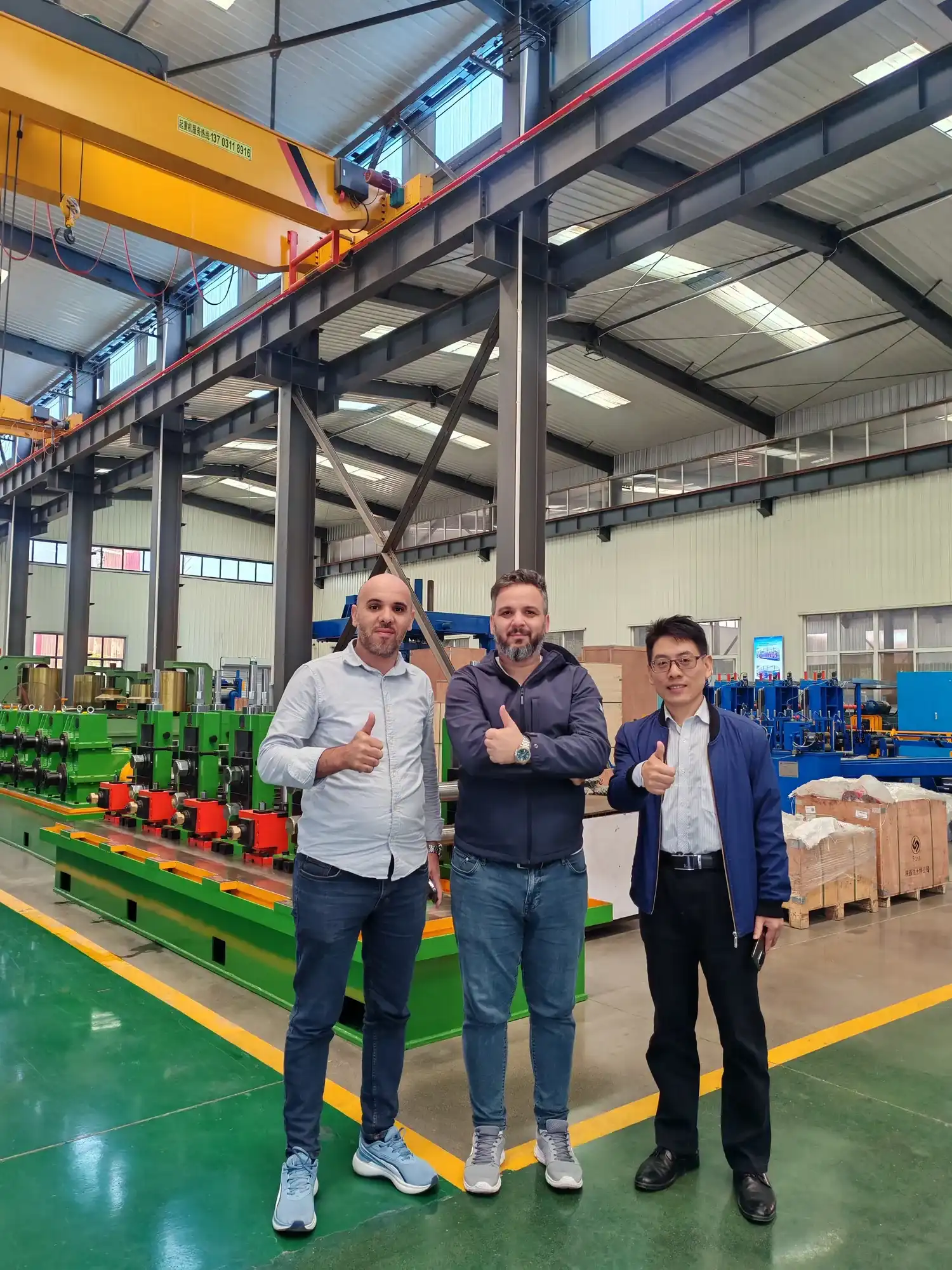
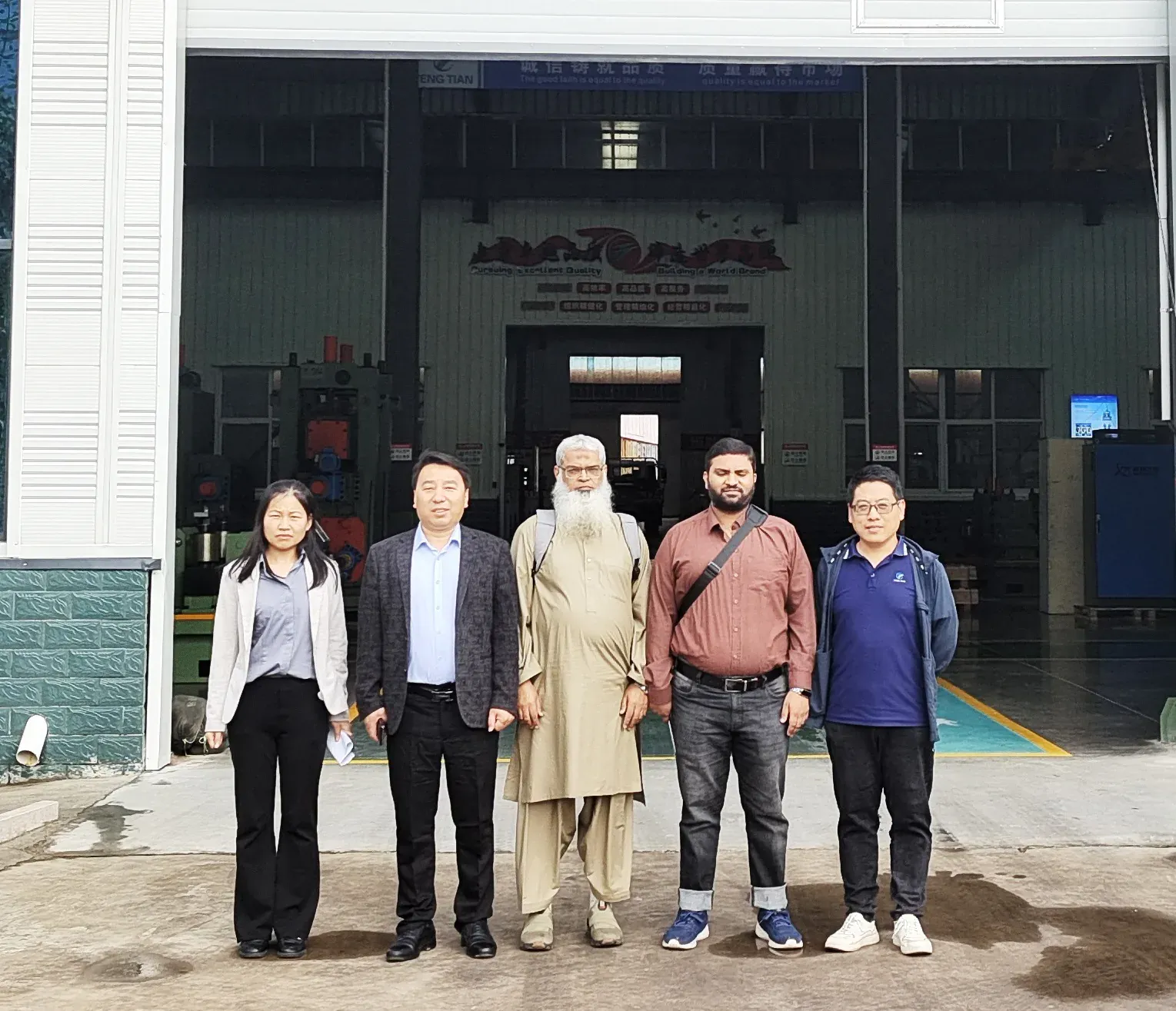
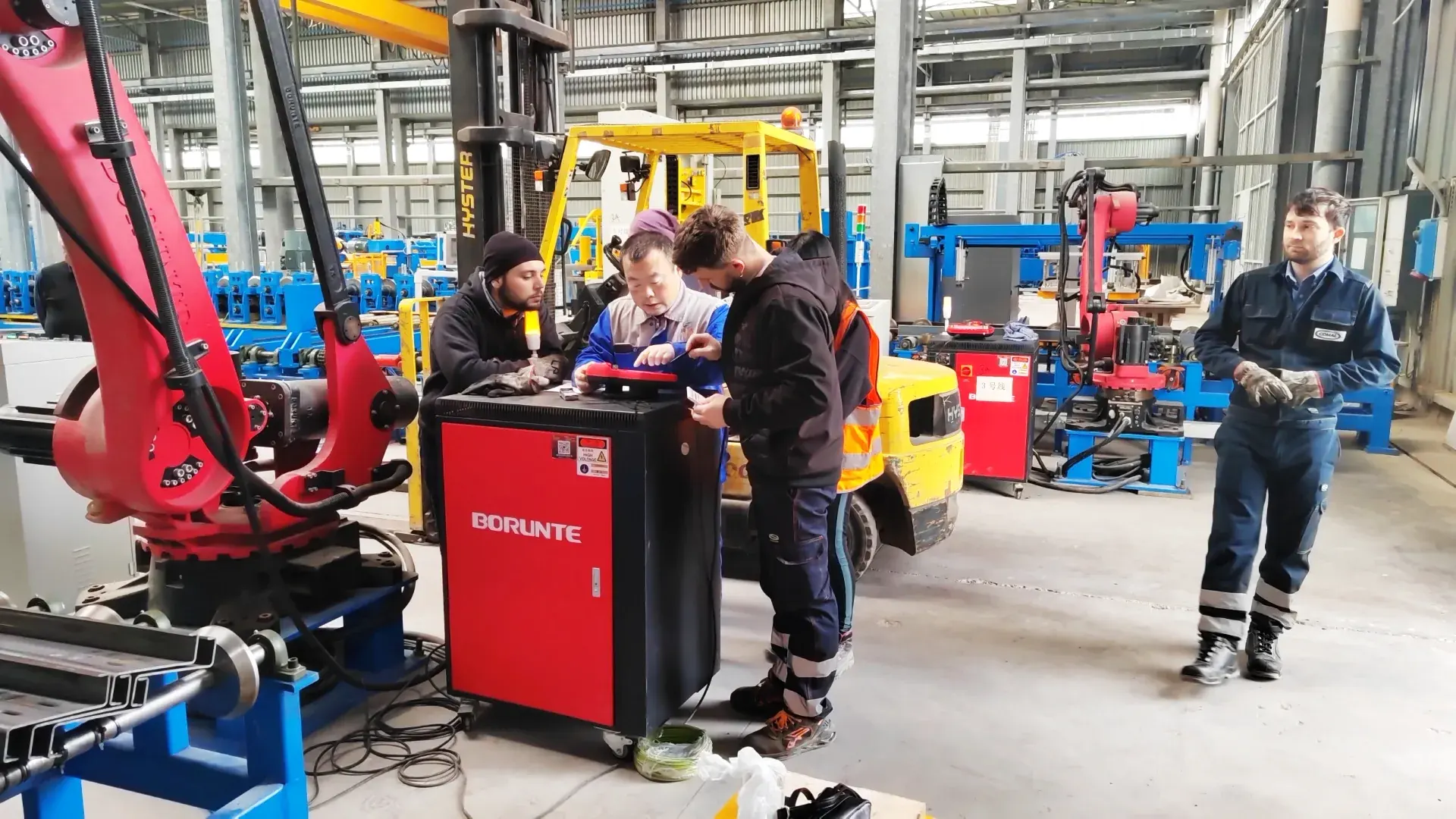
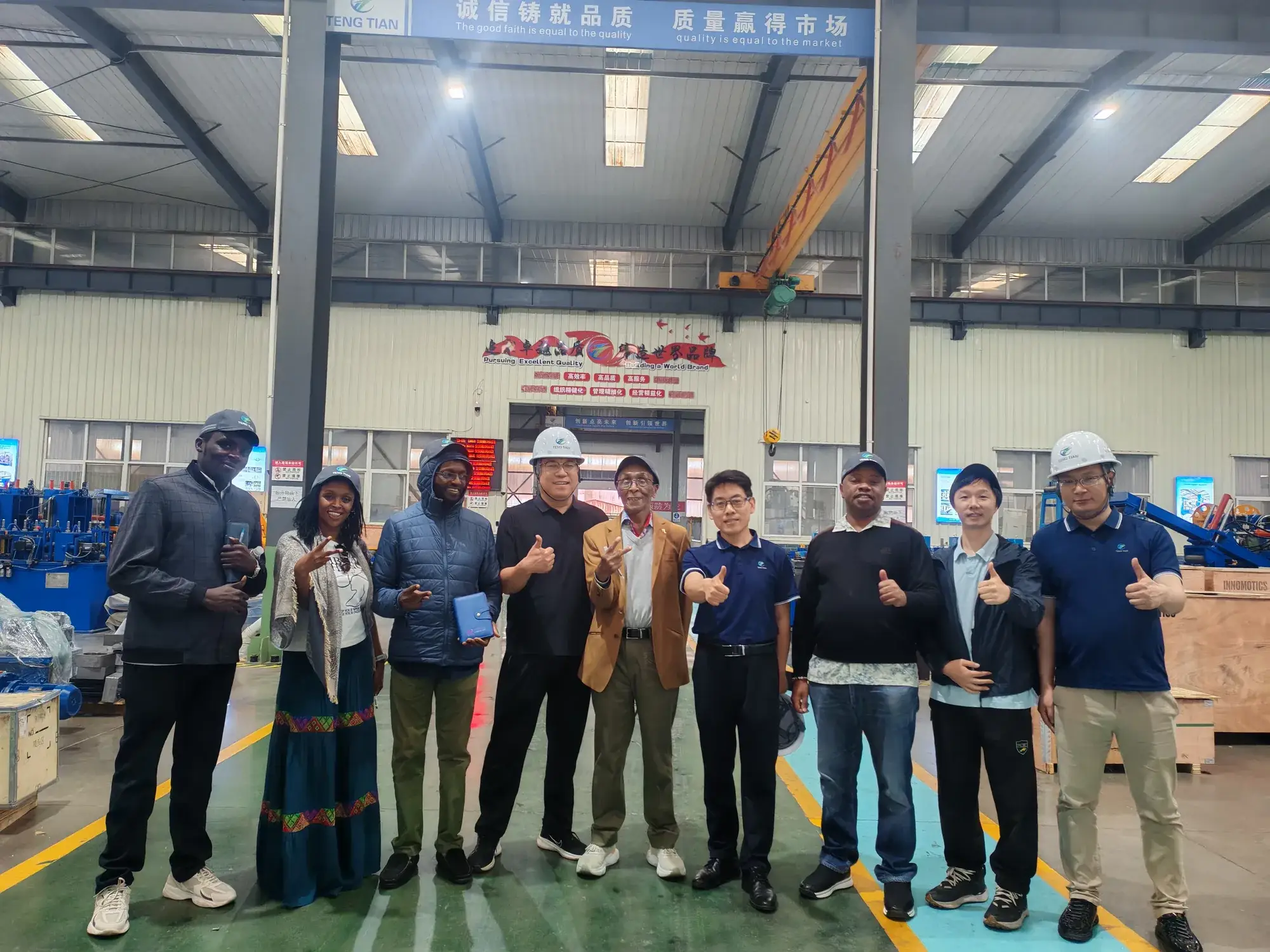
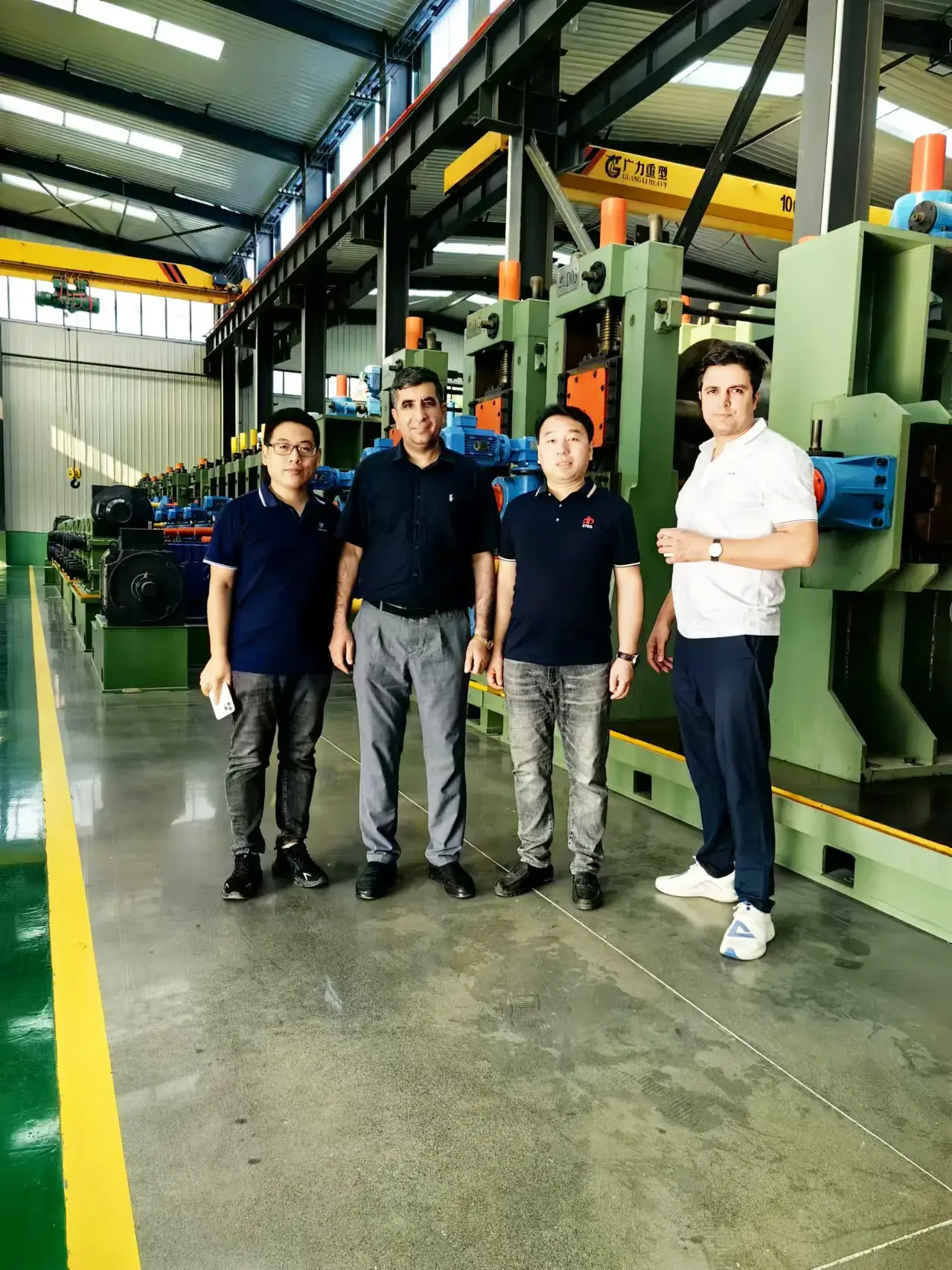
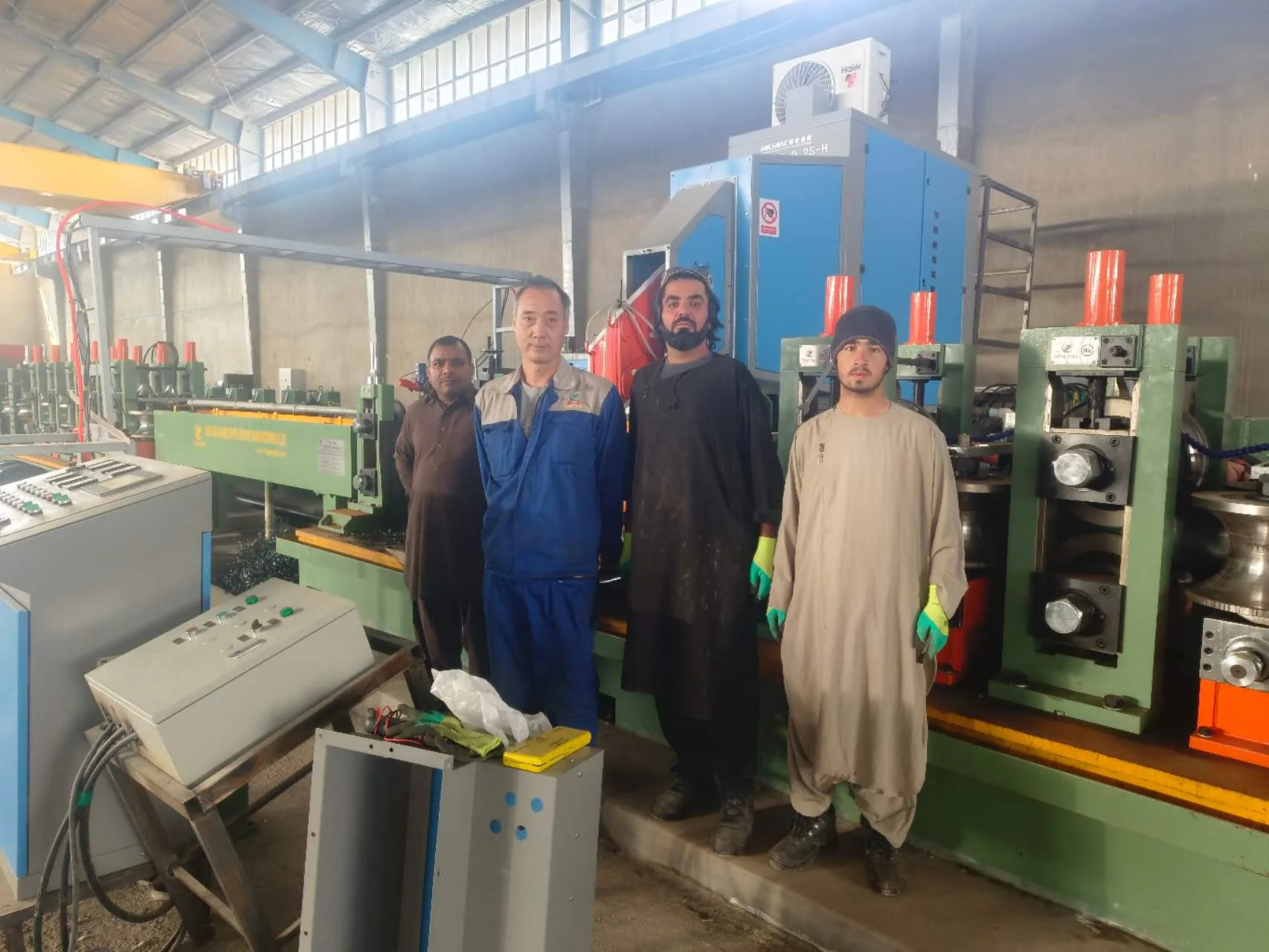
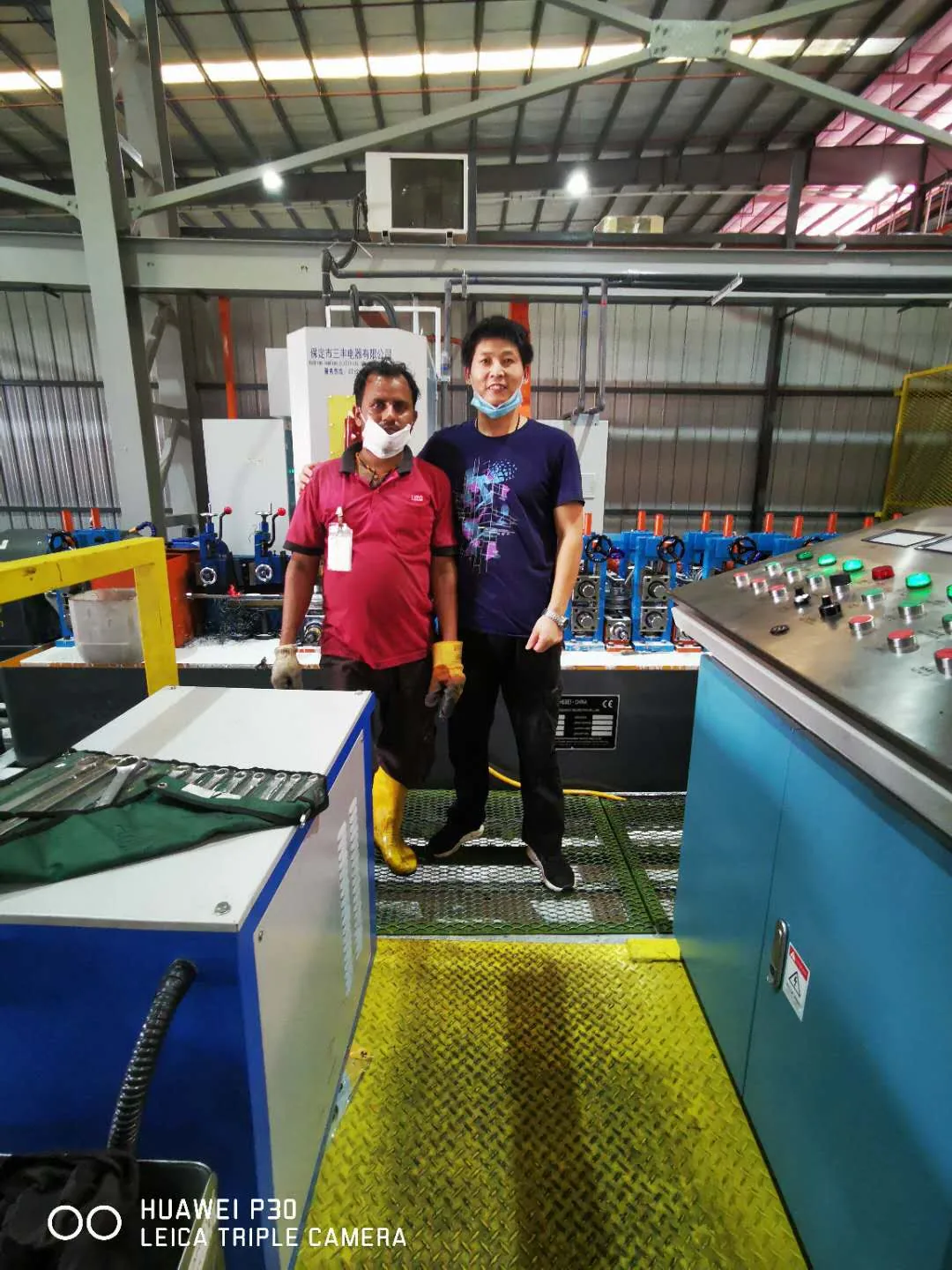
Customers at the Works
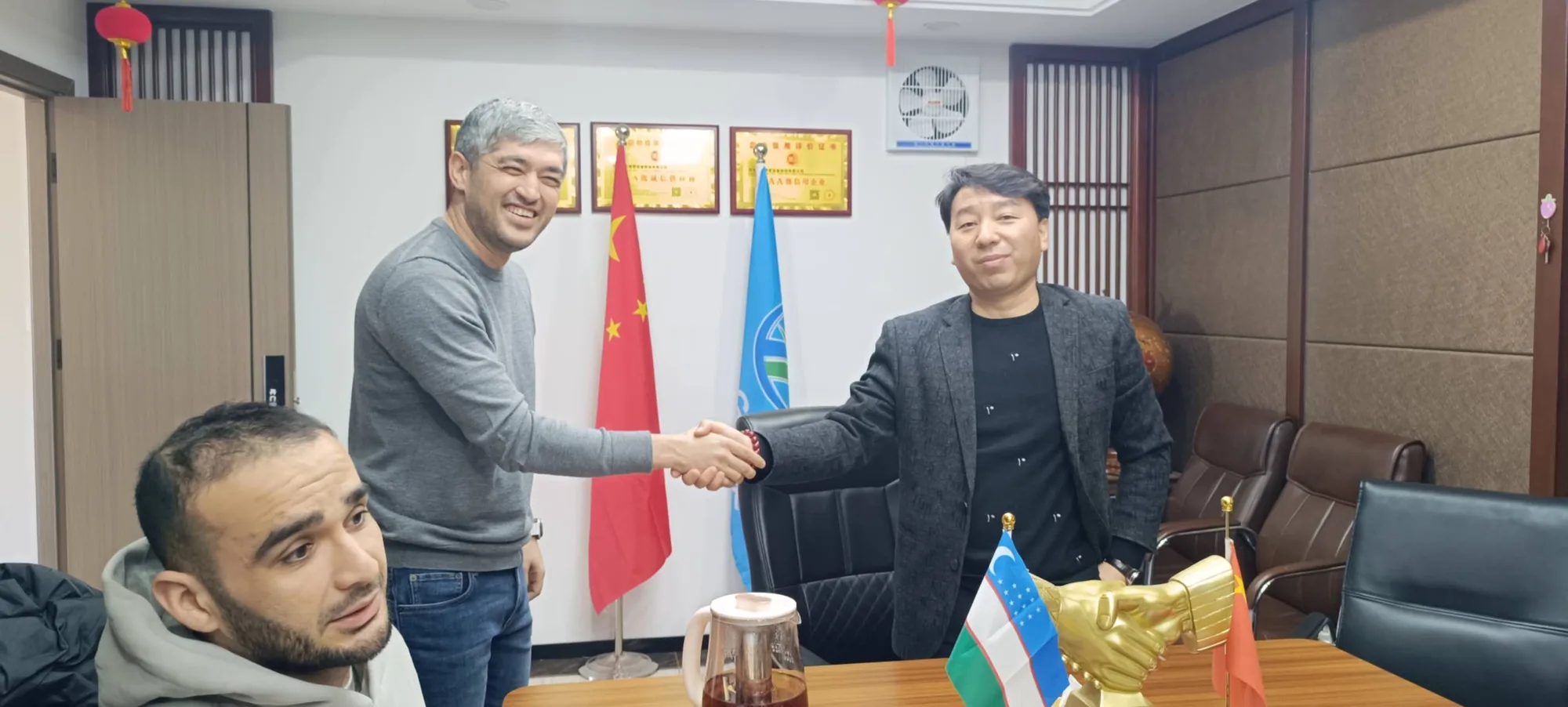
Buyers walking the line during production and factory acceptance at our Zanhuang plant.
Send Your Enquiry
Tell us the pipe outside-diameter range, the wall thickness and the output you need. An engineer reads every enquiry — it does not land in a general sales inbox.