
 Scan on WeChat
Configuration Tiers & Price
Home › Tube Mill Manufacturer › Configuration Tiers Behind a Pipe Making Machine Price
Two quotations for the same pipe diameter can differ a great deal, and the reason is scope rather than quality.
In This Line
Quick Contact
Hebei TengtianYuanle@tentubemill.com
+86-311-83025332
WhatsApp +852 5425 3155
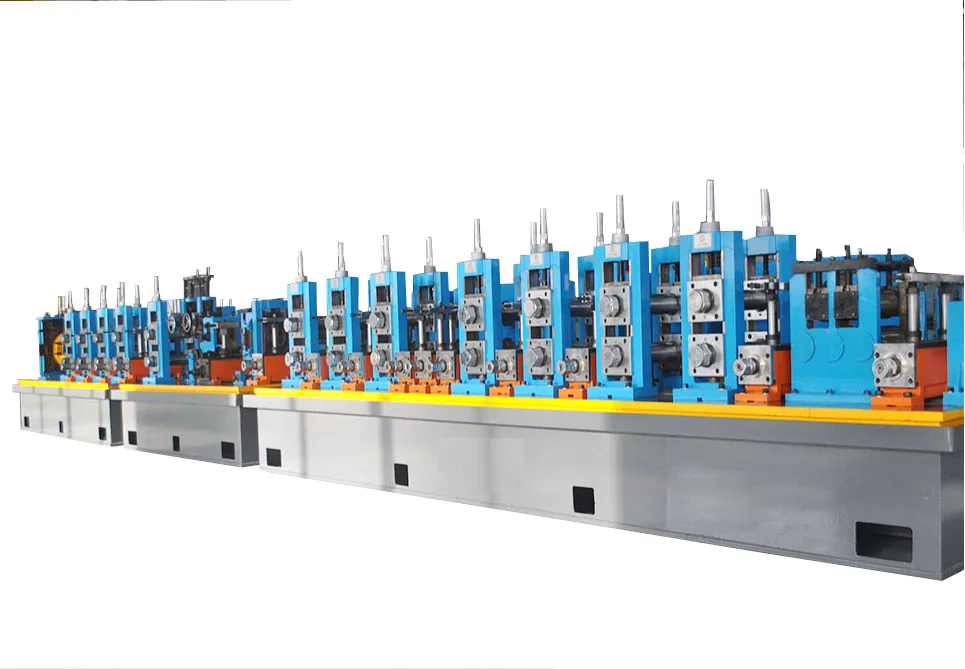
Pricing is tiered by configuration — a turnkey line against a base machine — and the tier decides which units, controls and inspection stations are included.
What Actually Changes Between Tiers
- Scope class — turnkey line or single unit / module.
- Automation level — semi-automatic or fully automatic PLC.
- Inspection train — an ordinary welded line carries no in-line NDT; an API line carries annealing, hydrostatic, ultrasonic and eddy-current stations.
- Finishing set on spiral lines — the 820 and 1620 configurations differ in edge milling, welding power source and finishing stations.
- Forming route — conventional roll forming, or direct forming square with one combined mould.
Why Two Quotes for the Same Diameter Differ
Buyers often arrive asking why our price is higher or lower than another supplier’s. The cause is information asymmetry plus a tiered quotation being misread, and our answer is that pricing is tiered by configuration — turnkey lines against basic units — reflecting scope, not quality gaps.
Two further effects belong in the same answer. Whole-line supply reduces total cost relative to assembling units separately, and lower roll consumption from not changing rolls frequently reduces running cost over the life of the line.
Tier Comparison: What Each Configuration Level Includes
Which Items Are Included and Which Are Excluded
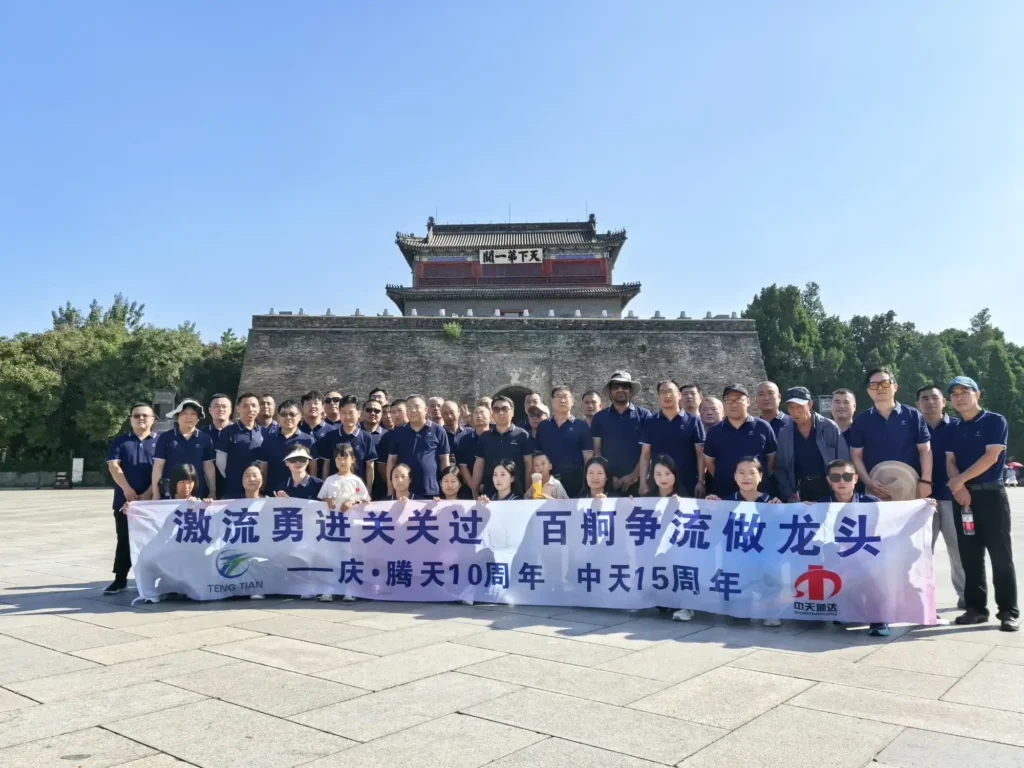
Included with the line. Installation and commissioning, with engineers dispatched on site and round-the-clock online support afterwards. A spare-parts pack travelling with the container, and a changeover roll set supplied with the mill. On spiral lines, two welding-wire spools, twelve clamping dies for the facing machine, and the flux drying, magnetic separation and recovery equipment.
On the buyer’s side. Incoming strip grade and flatness. Process media — cooling water or emulsion, hydraulic oil and grease — purchased locally to our specification. Flux itself, with the drying and recovery equipment supplied by us. Operation, scheduling and operator training beyond what is provided.
Matching a Tier to Your Order Mix
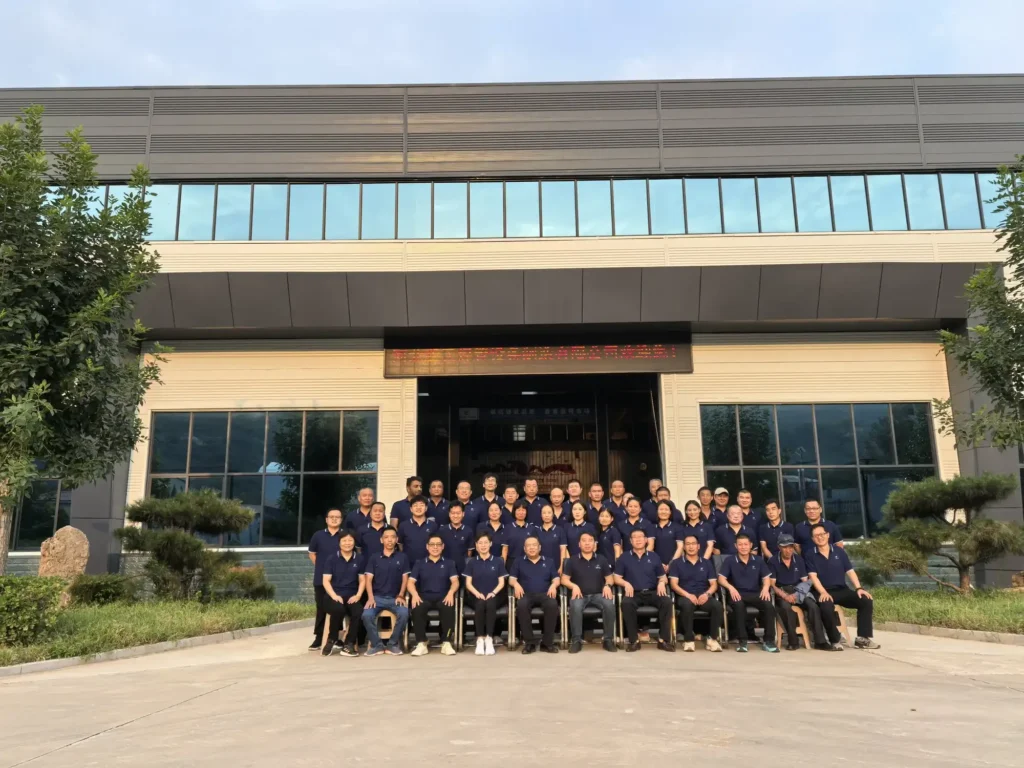
Distributors and resellers need resale margin and stock turnover, judging on price competitiveness, delivery and whether after-sales can back them up — our answer is tiered pricing giving resale room, 50 to 90 day delivery, and an after-sales scope that includes installation and commissioning.
Turnkey integrators are buying plant-level integration for an end customer and judging on customisation capability, on-site dispatch and whole-process cooperation — which points at the turnkey end of the scope classification.
Regional pipe and section makers are judging on payback, changeover efficiency, yield and energy cost — which points at the forming-route and automation dimensions rather than at the inspection train.
Energy and infrastructure buyers are buying against technical standards, which is what puts the inspection train into scope at all.
The buyer profiles map onto tiers more usefully than a feature grid does.
What the Tier Actually Buys You — Advantage Dimensions
Product coverage. One supplier across welded pipe Φ10–630 mm plus square by direct forming, API, H-beam, slitting, cold forming and coating — which is what makes a multi-line plant a single negotiation.
Welding technology. High-frequency induction welding with welder power matched across the range from 150 to 1500 kW by diameter.
Changeover efficiency. Direct forming changes specification without a roll change, with roll saving above 90% and longer tooling life. There is one exception: making 100 × 100 mm tube needs the upper roll on the final open stand changed.
Control. PLC industrial-computer control with variable-frequency and servo drive, automation selectable from semi-automatic to fully automatic.
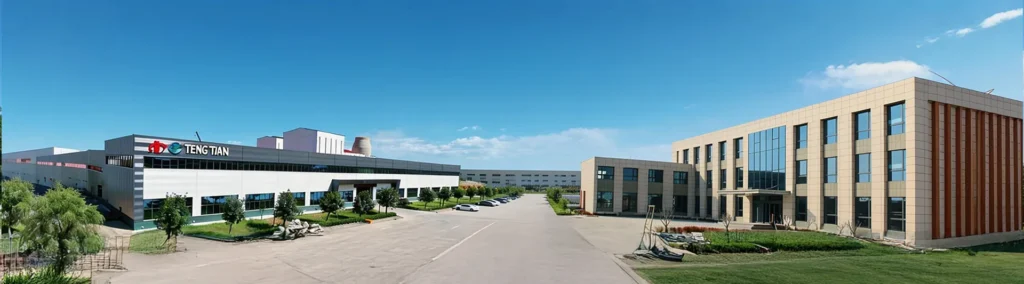
Manufacturing capability. In-house CNC machining and our own manufacturing base open to inspection visits, with twenty research and development engineers averaging twenty years of experience.
Service. A single point of contact replying round-the-clock, round-the-clock online support, on-site dispatch and direct spare-parts supply.
Commercial flexibility. Tiered quotation, whole-line cost reduction, flexible payment ratios, third-party escrow, multiple trade terms and staged payment.
Seven advantage dimensions are set at company level, and each maps onto a configuration decision rather than onto a price point.
What Keeps the Cost Down After the Purchase
Low roll wear, high material yield and quick changeover are what keeps long-term running cost controllable — with roll saving above 90% on the direct-forming route and material yield above 93% supported by the line design.
A tier decision is a running-cost decision as much as a purchase-price decision, so weigh the two separately.
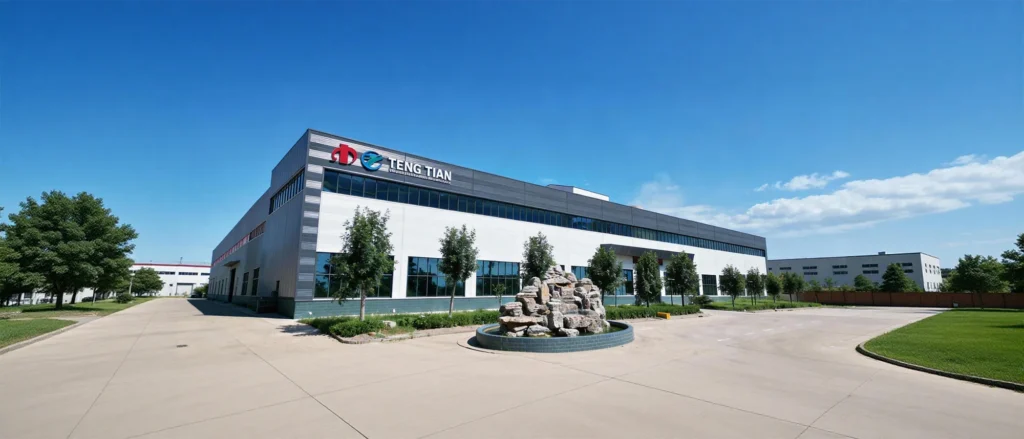
Continuous supply of spares and rolls is a repeat-purchase driver in its own right, with rolls machined in-house on our own CNC so that supply does not depend on an outside tool shop.
The mirror image also holds: buyers switch supplier when spare-parts support fails, when changeover is slow and roll cost high, or when delivery becomes unstable — three failure modes that are all consequences of configuration and service rather than of headline price.
Stable, low-fault operation of the first line is the precondition for any repeat or add-on order, and round-the-clock response is what lowers operating anxiety.
Packaging, Delivery and Commissioning Are Part of the Tier
Delivery is 50 to 90 days with plant-level customisation scheduled from our own manufacturing base, and installation and commissioning are included, with engineers dispatched on site and round-the-clock online support after handover.
Export packing is specified rather than generic: units broken down for containers, bare frames braced and fixed, precision and fast-wearing parts — electrical cabinets, induction coils and impeders, forming rolls, cutters — crated with moisture protection, and a spare-parts pack travelling with the shipment.
Heavy large-diameter and API units ship bare with lifting points, which lowers packing cost but requires professional lifting and rust protection on arrival.
Three items that buyers often price separately are part of what is supplied, and they belong in a tier comparison for that reason.
Why Prices Are Quoted, Not Listed
Prices are quoted against a defined configuration rather than published as a list.
The price question usually arises when a tiered quotation is read as a single product price, so one published number would only add to the confusion. What resolves it is comparing what each quotation actually includes.
Frequently Asked Questions
Why do two quotes for the same pipe diameter differ so much?
For distributors, one further point matters: tiered pricing provides resale margin, alongside 50 to 90 day delivery and an after-sales scope that lets the distributor back its own customers.
Because diameter alone does not define a line. Pricing is tiered by configuration — turnkey line against base machine — and the cause of the confusion is exactly this: a tiered quotation read as if it were a single product price. The difference reflects scope, not a quality gap.
What changes between configuration tiers?
Five dimensions: scope class, automation level, whether an in-line inspection train is present, the spiral finishing configuration, and the forming route. An ordinary welded line carries no in-line non-destructive testing; an API line adds medium-frequency annealing, straightening, end facing, hydrostatic testing, ultrasonic and eddy-current inspection.
That single dimension is the largest scope difference in the range.
Which items are included and which are excluded?
Included: installation and commissioning, a spare-parts pack with the container, a changeover roll set, and on spiral lines the flux handling equipment with two wire spools and twelve clamping dies. On the buyer’s side: incoming strip, process media purchased locally to our specification, and operation.
A unit-by-unit inclusion list is issued with the quotation.
How do I match a tier to my order mix?
Start from what your pipe has to prove. If it must pass a compliance inspection chain, the inspection train is not optional and the API configuration is in scope. If the plan is many sizes in modest quantities, the forming route matters more than the inspection train, and the advantage is changing size without changing rolls.
If the plan is one size at volume, neither advantage applies and a base machine may suit.
Can a tier be upgraded later?
Automation level — semi-automatic or fully automatic PLC control — is part of how the line is specified rather than an add-on option, so it is best settled before the line is specified.
How do I request a tiered quotation?
Send the target outside diameter, wall thickness and output, and state whether the pipe must meet a product standard such as API 5L. Those three plus the standard question are what decide scope class, automation level and inspection train.
Commercial terms are flexible: thirty per cent deposit against seventy per cent before shipment, third-party escrow and staged payment available, multiple trade terms supported.
Welded pipe machine price list
We do not publish a price list. Our position is that pricing is tiered by configuration and quoted against a defined scope, because the same diameter can be produced by lines of very different scope. What we can send without a quotation is the configuration comparison above — which is the part that actually explains the spread.
Tube mill machine price list
Ask which scope class and which automation and inspection level each quotation assumes, and the two become comparable.
From the Workshop
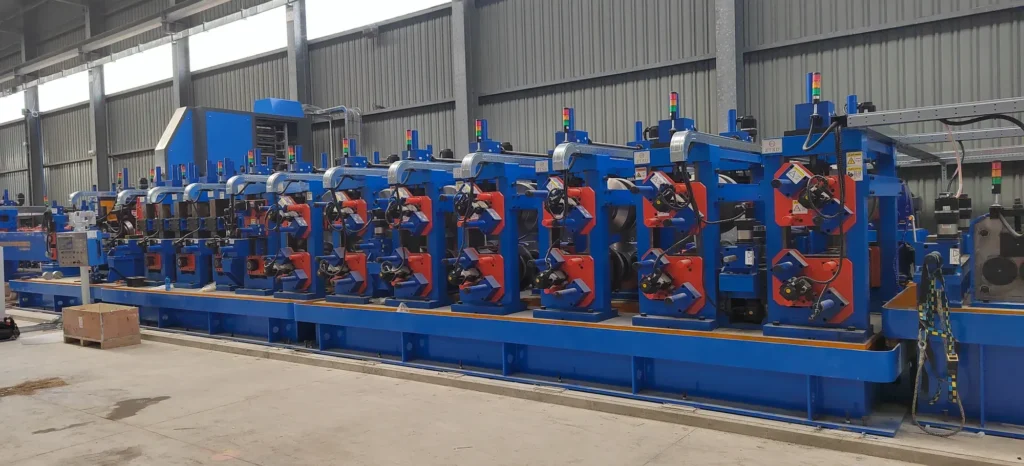
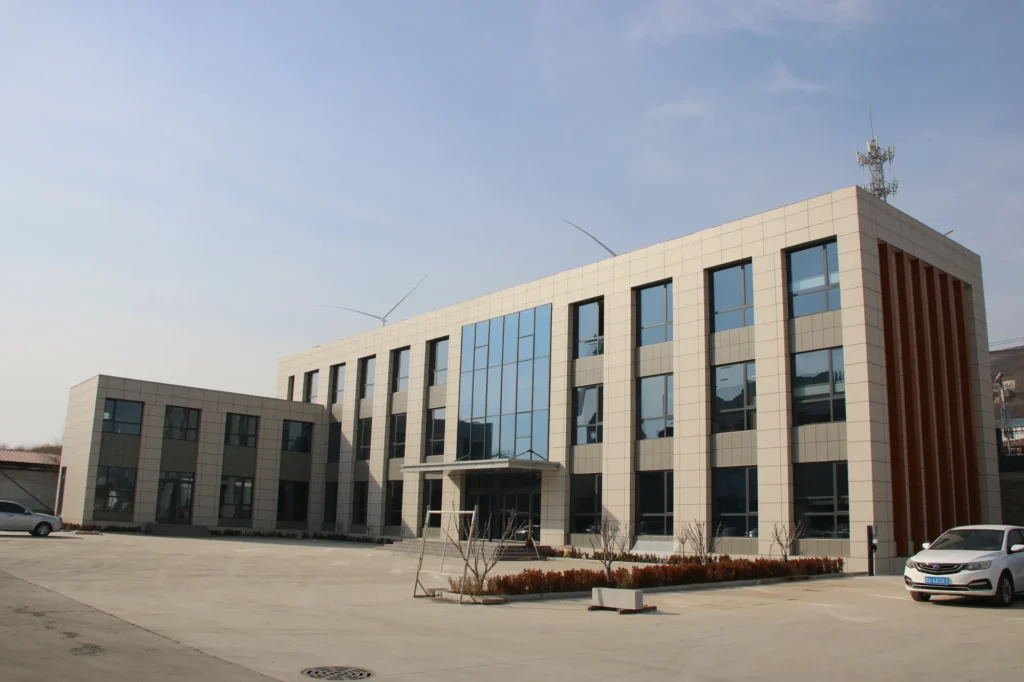
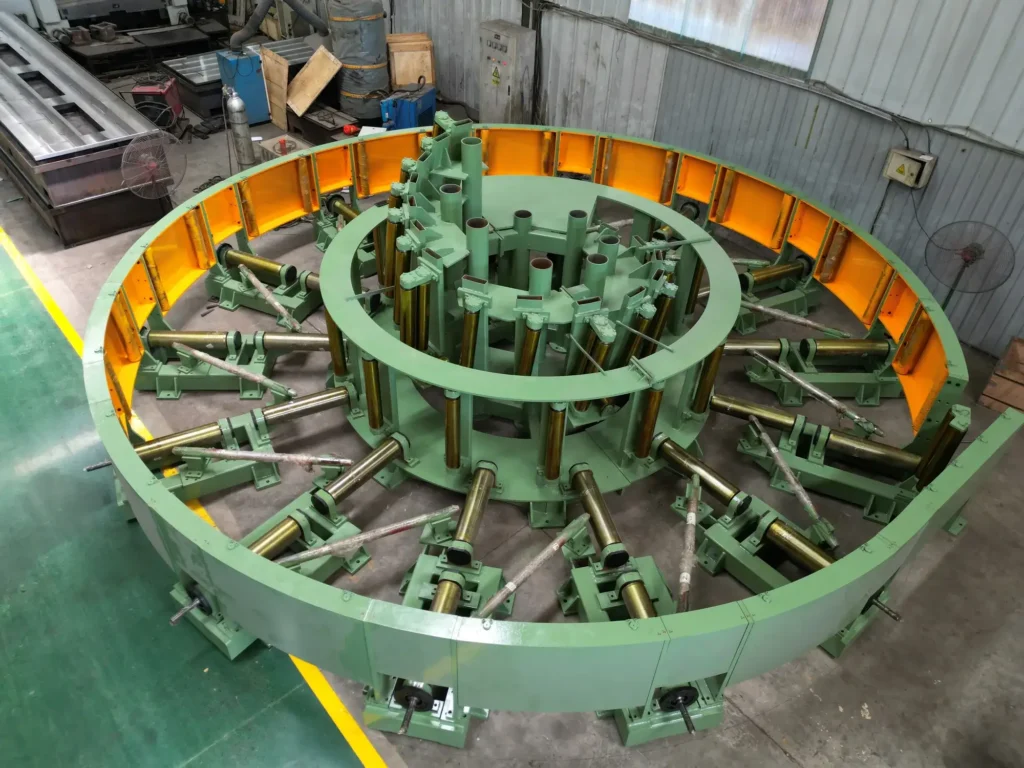 Tube Mill Supply Scope, Commissioning & Acceptance Criteria
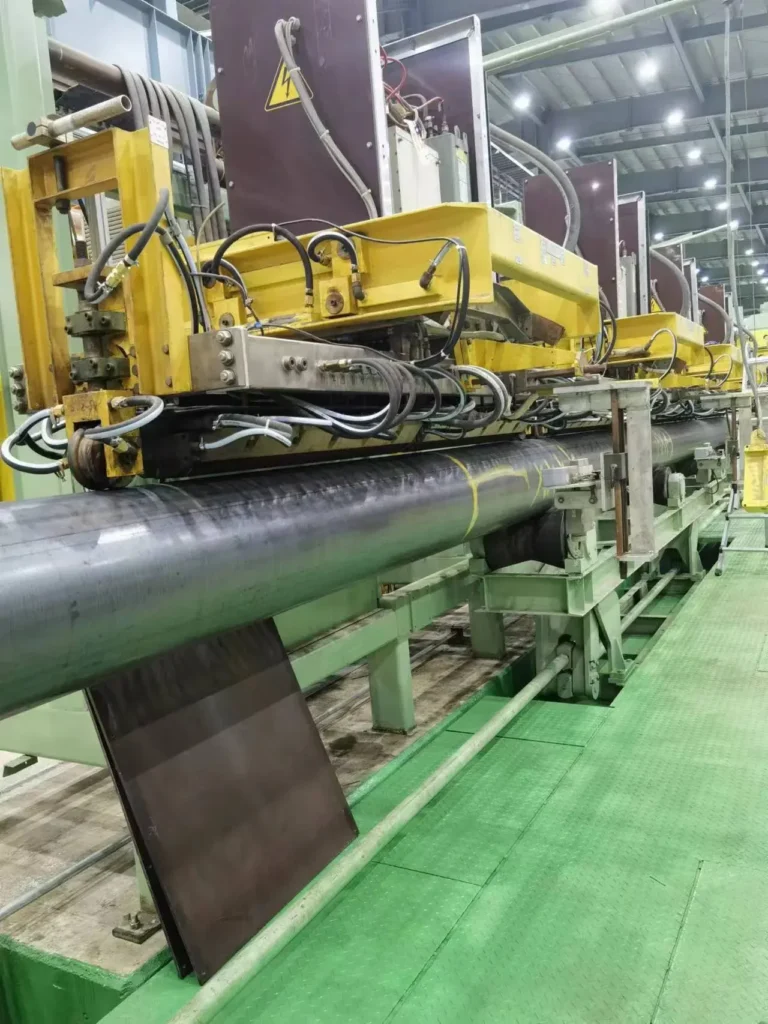 The API Pipe Mill Inspection Chain
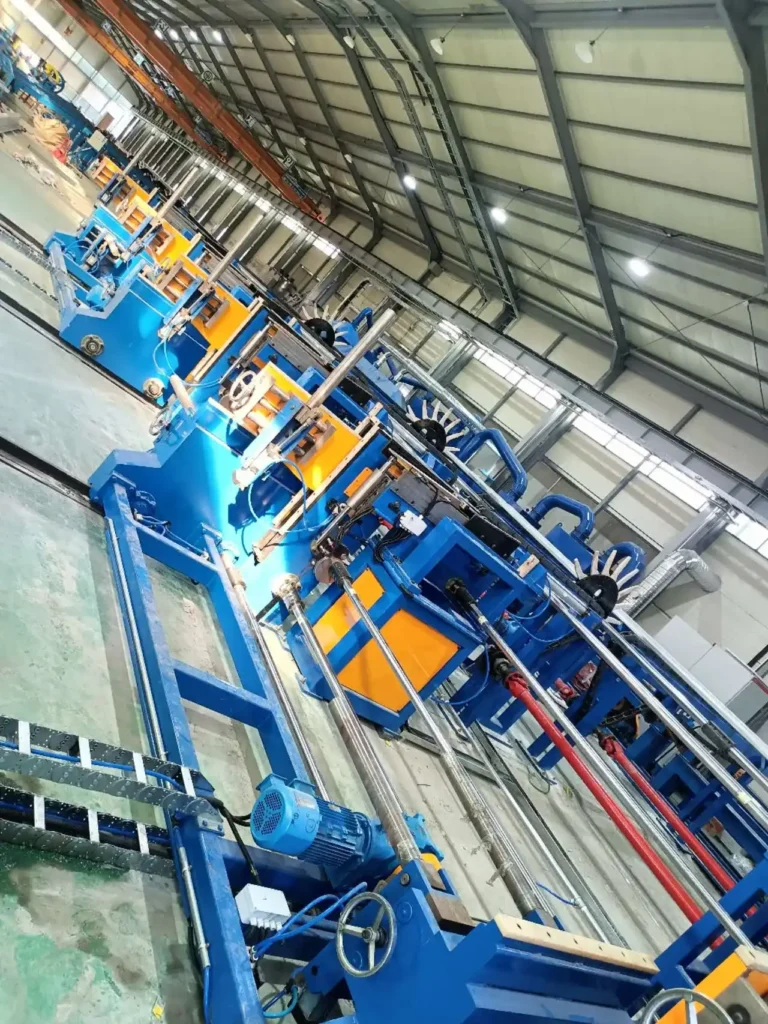 Pipe Coating Line Configuration
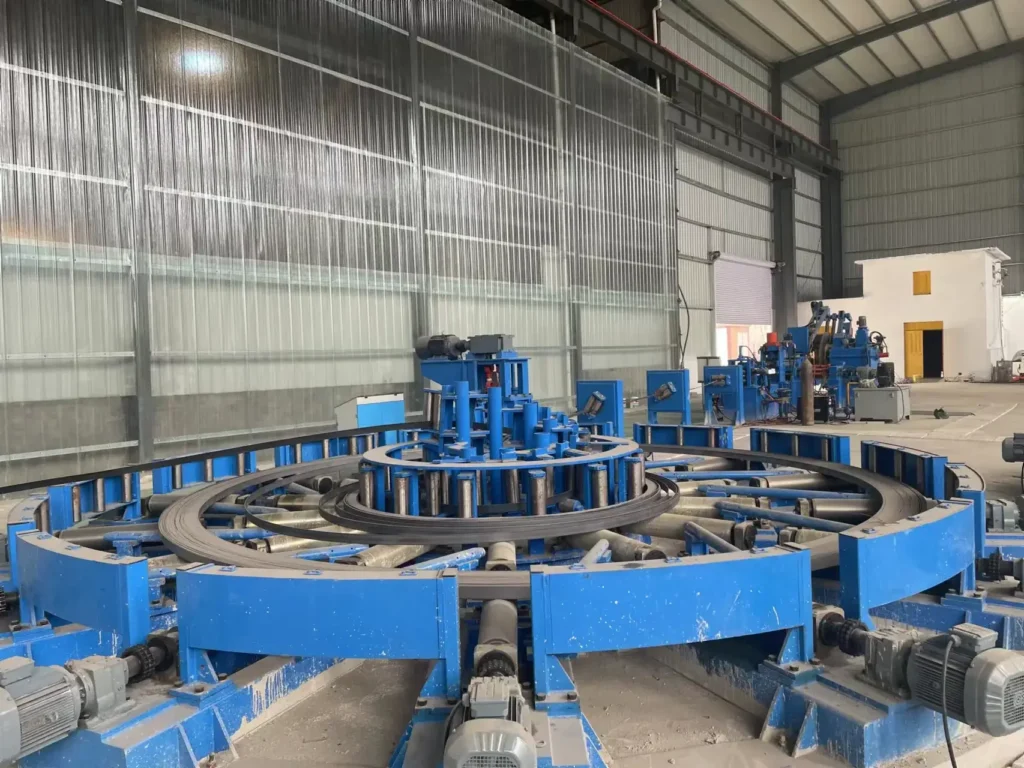 H Beam Welding Line
Send Your Enquiry
Tell us the pipe outside-diameter range, the wall thickness and the output you need. An engineer reads every enquiry — it does not land in a general sales inbox.