
 Scan on WeChat
Home › Cut-to-Length Line › Cut-to-Length Accuracy
Quick Contact
Hebei TengtianYuanle@tentubemill.com
+86-311-83025332
WhatsApp +852 5425 3155
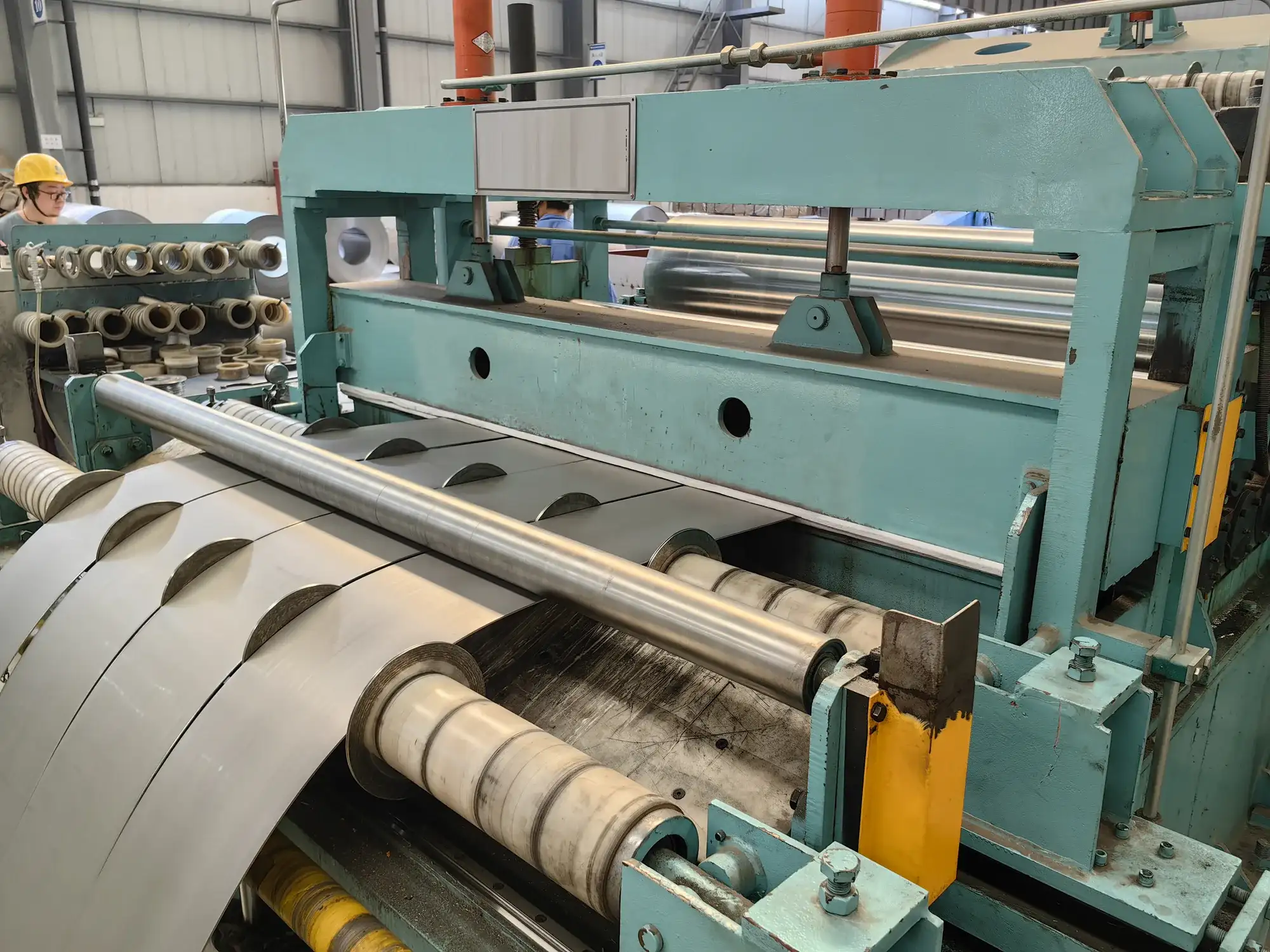
Tengtian states four accuracy figures for its slitting and cut-to-length line: slit width to ±0.2 mm, burr not more than 4 per cent of strip thickness, camber not more than 0.5 mm per 1000 mm, and telescoping within ±10 mm. Shift output for this line is available on request, measured on the coil you plan to run.
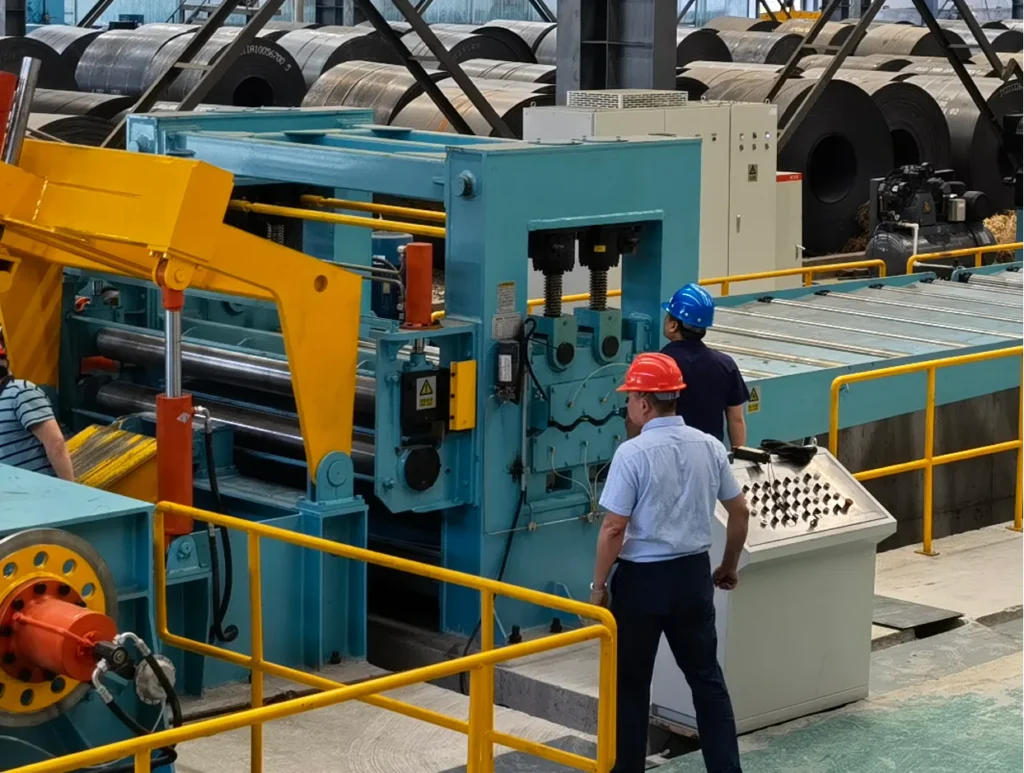
Slit Width, Burr, Camber and Coil Size
- Slit width accuracy: ±0.2 mm.
- Burr: not more than 4 per cent of strip thickness.
- Camber: not more than 0.5 mm per 1000 mm.
- Telescoping on the recoiler: within ±10 mm.
- Coil envelope: 1–12 mm thick, 800–2000 mm wide, up to 32 tonnes.
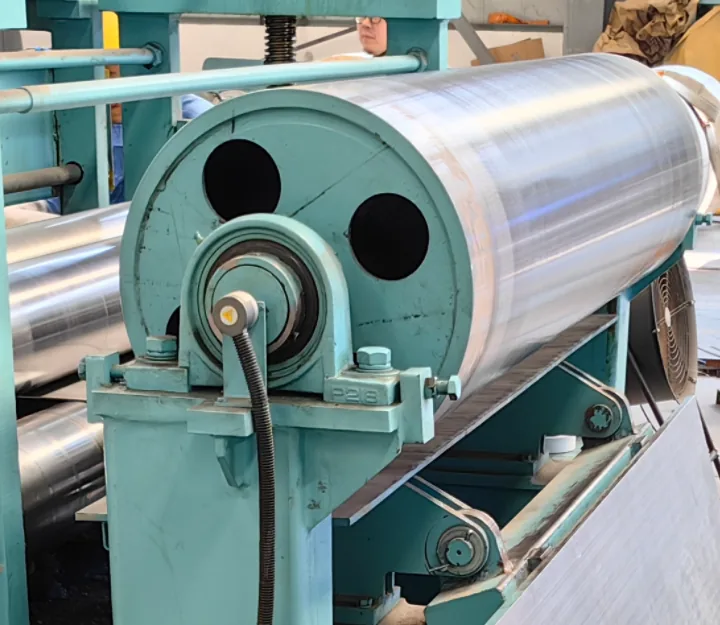
What Is Cut-to-Length Accuracy
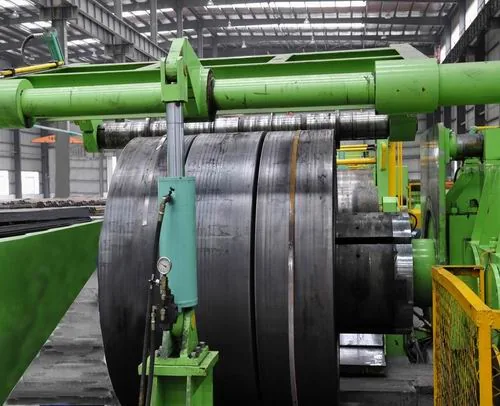
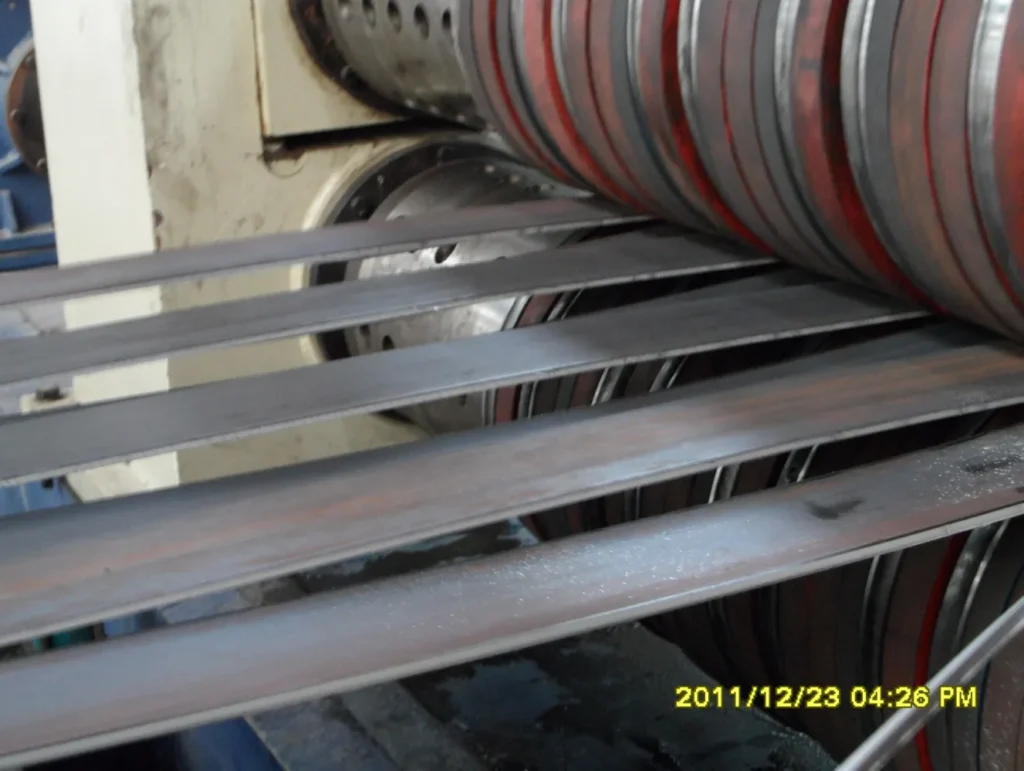
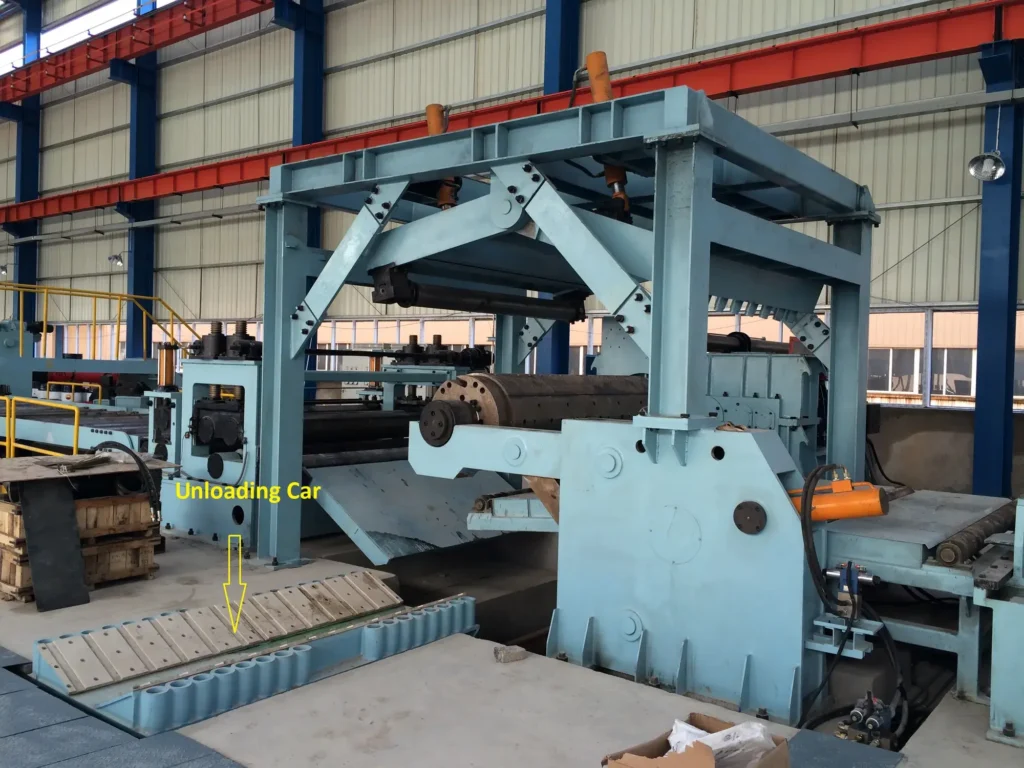
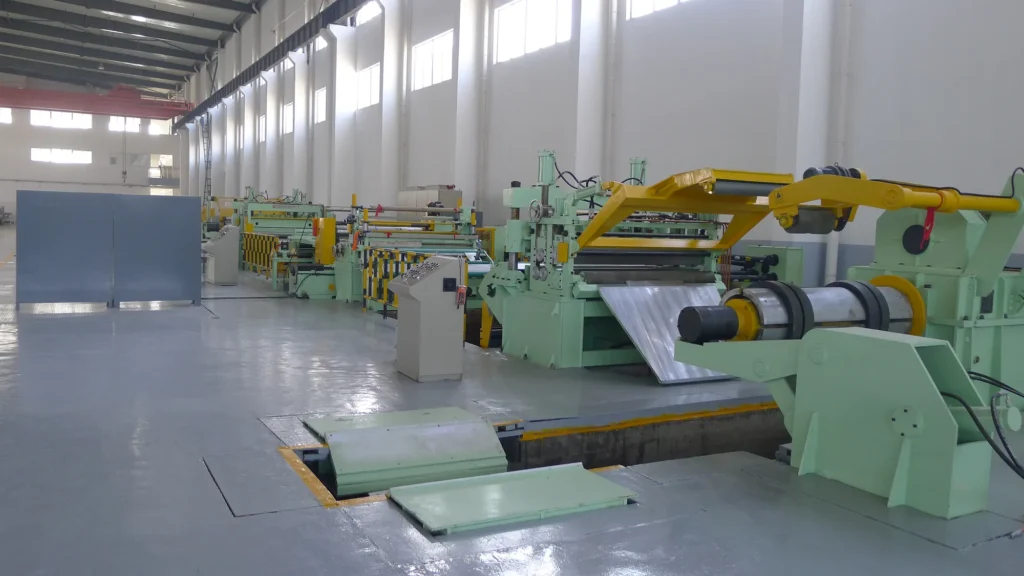
The line itself is a CNC uncoiling, slitting and recoiling line that takes a wide coil, uncoils it, levels it, either slits it lengthwise into narrower strips or cuts it crosswise to length, and recoils the result.
Its purpose is upstream preparation: it exists to give a downstream tube mill or forming line coil of the correct width, edge condition and length. The problem it is solving is raw coil whose width, edge or cut length does not conform.
That framing matters for how the accuracy numbers should be read. They are not abstract quality claims; they are the specification of the input that the next machine in the plant will receive. If the slit width drifts, the tube mill downstream sees a forming problem. If camber is high, the strip does not run straight. If the recoiled coil telescopes, it does not feed cleanly.
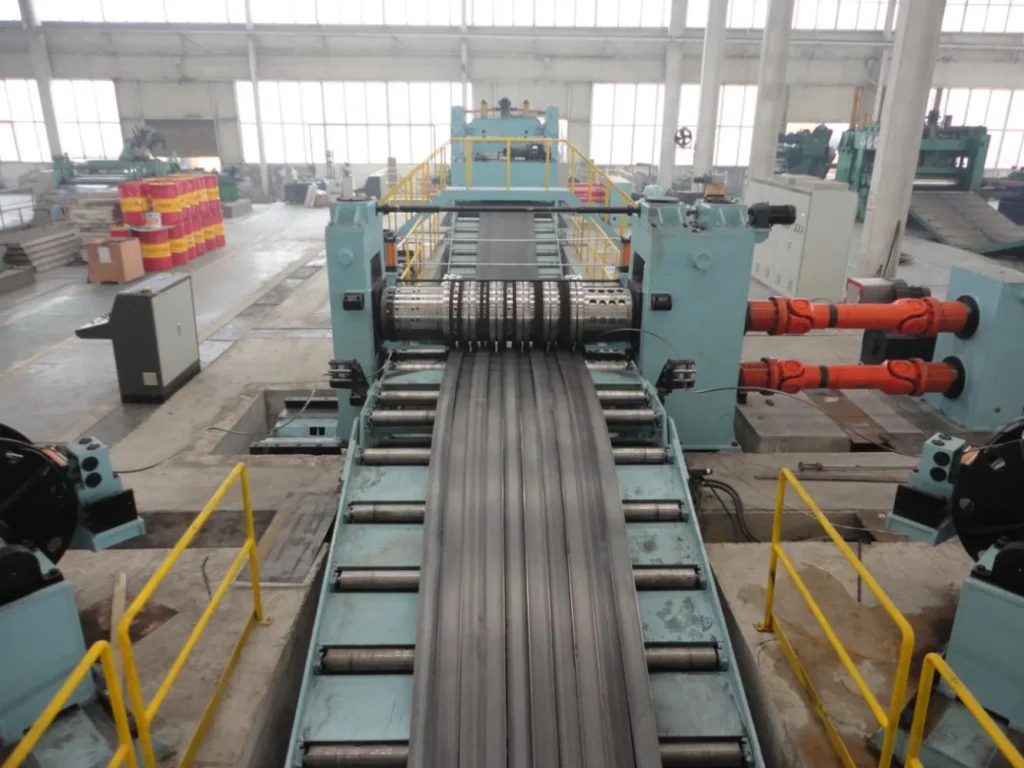
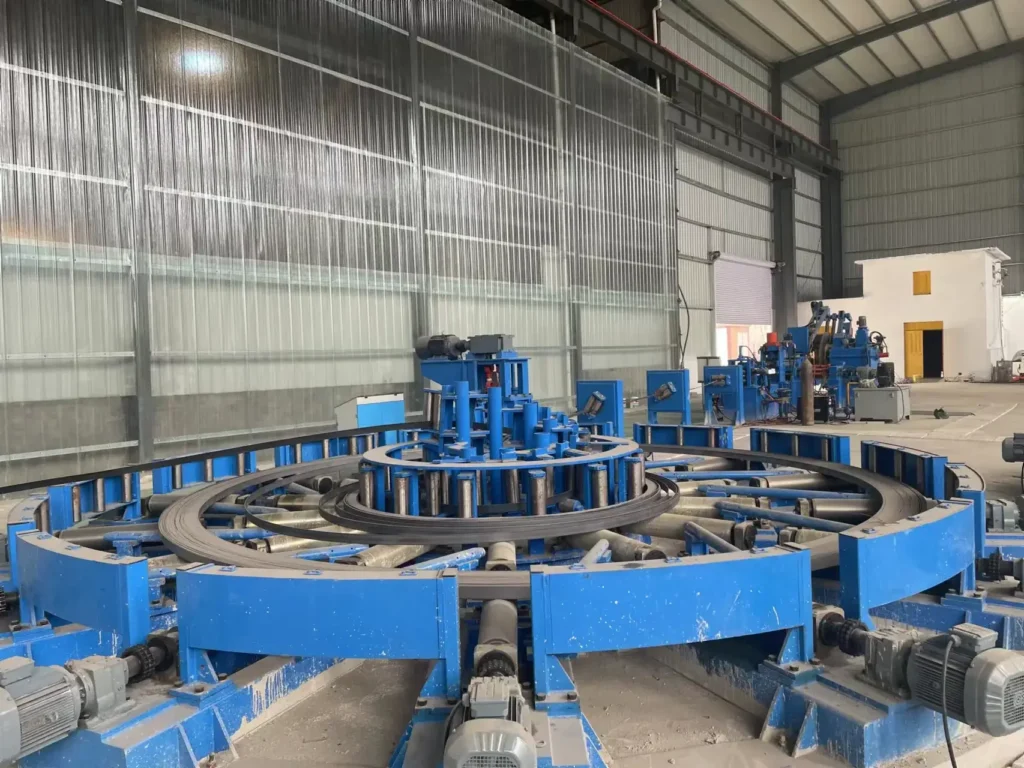
Cut to length production line
The two operating modes are one classification. The line runs either as a slitting line — cutting lengthwise into narrower strips — or as a cut-to-length line, cutting crosswise into sheet. These are the two working modes of the same slitting and cross-cutting line, not two machines.
Who uses it and who benefits is clear: the line’s operators and inspection staff run it, and it serves welded pipe plants, forming plants and steel service centres. The four things those buyers watch are slit width accuracy, camber, burr, and control of telescoping on the recoiled coil.
Cut-to-length accuracy is a group of measured tolerances that describe how close the delivered strip or sheet is to what was ordered. Four of them are specified for this line.
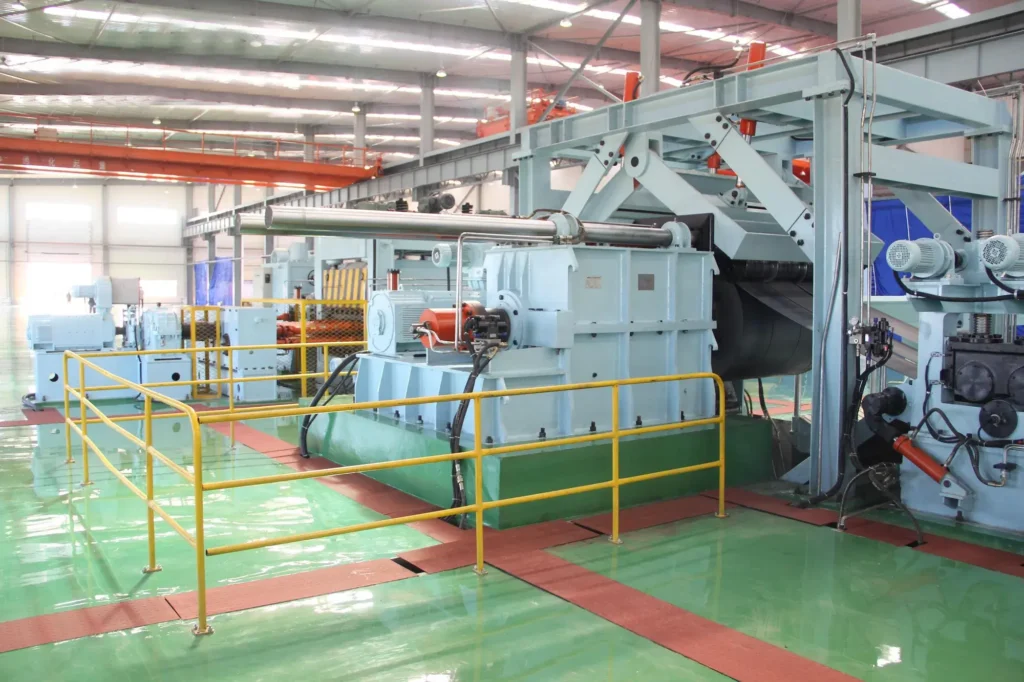
Cut-to-Length Accuracy — Method and Measured Values
Slit width accuracy of ±0.2 mm and burr of not more than 4 per cent of strip thickness are both as determined by the knife set: the slitting knives, spacers, rubber sleeves and separator discs. The four accuracy values apply to specific mechanisms, which is what makes them usable rather than decorative.
The related failure mode: worn or wrongly configured knives and spacers produce out-of-tolerance width, heavy burr and camber.
Camber of not more than 0.5 mm per 1000 mm is set at line level as part of what the line delivers to the downstream mill, alongside the ±0.2 mm width figure. Telescoping within ±10 mm applies to tension, looper and recoiler control, with loss of that control named as the cause of both camber and telescoping.
One configuration rule comes closest to a capacity statement. The knife set is configured according to strip thickness: up to fifteen strips at 2 mm, ten at 4 mm, six at 6 mm and four at 8 mm. The line is rated at 30/100 m/min.
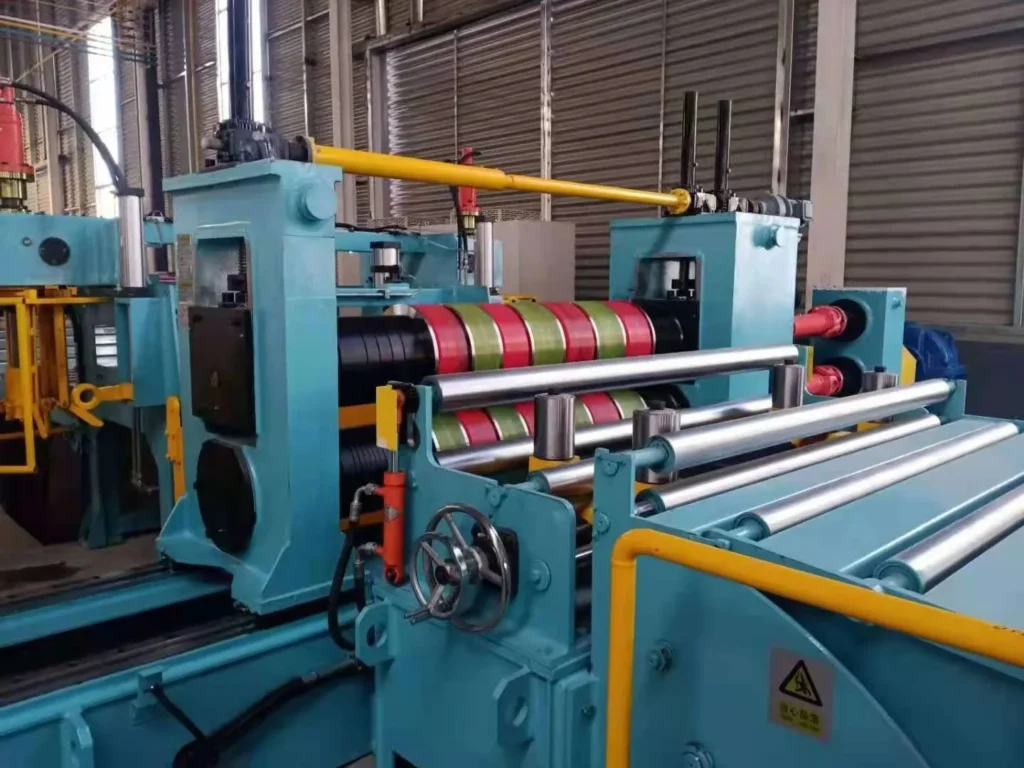
Steel cut to length line
The coil envelope is fixed at three points. Material thickness 1 to 12 mm, width 800 to 2000 mm, coil weight up to 32 tonnes; and the main machine group is a double-head uncoiler, a slitter and a 32-tonne recoiler.
Control is set at company level rather than line level, and this matters before any accuracy figure is quoted. Across its lines, Tengtian’s control layer is based on PLC industrial computers with variable-frequency and servo control for stable running, with the degree of automation offered as a choice from semi-automatic to fully automatic.
The customer group most concerned with it is automotive-parts and new-energy manufacturers, whose concern is dimensional accuracy and stability.
There is also a boundary on responsibility that a buyer should read alongside the four tolerance figures. On incoming material, the customer’s own coil grade and shape drive finished-product defects; the equipment side provides incoming inspection and levelling capability, and the incoming material itself remains the customer’s responsibility.
The hydraulic shear, the looper and the tension-separation unit form the group that maintains strip quality, with loss of tension or looper control leading to camber and telescoping.
Standards Behind These Accuracy Figures
The enterprise standard Q/GYLTT01-2023, covering HGF150 high-frequency welded pipe equipment, was issued on 31 August 2023 and took effect on 15 September 2023, and is published on the national enterprise-standard information platform as a twelve-page document. The standards that apply to Tengtian’s own equipment are enterprise-level for this subject.
Step-by-Step Procedure
The process flow, at stage level, is: load the coil, uncoil, level, hydraulic shear, then either slit lengthwise or cut to length, take up the scrap edge, pass through the looper, separate, apply tension, and recoil.
That whole flow is quality-critical: knife set configuration, tension and looper control are the three things that decide the result. The cause and effect chain is that poor configuration or control shows up as out-of-tolerance width, camber and telescoping, and that the downstream consequence is material the next line cannot use.
Worked Example — The Accuracy Envelope on 2 mm Coil
The accuracy envelope on 2 mm coil is as follows: the knife set can be configured for up to fifteen strips, each held to ±0.2 mm on width with burr not more than 4 per cent of 2 mm, and the recoiled product held to 0.5 mm per 1000 mm camber and ±10 mm telescoping.
Shift output in tonnes is not a fixed catalogue figure for this line. No line speed, shift figure or utilisation assumption is given for the slitting and cut-to-length line. The only shift-output example Tengtian gives belongs to the spiral welded pipe line, and it comes with that line’s own measured basis.
Consumables, spares and who supplies them
The knife set is the consumable that decides three of the four accuracy figures, so how it is supplied is a live question rather than an afterthought. It is addressed at company level rather than per line.
Tengtian machines its own forming rolls and key parts on in-house CNC equipment, because buying tooling in leaves lead time, cost and consistency outside the supplier’s control.
The buyer objection this addresses is the one about after-sales and spares from an overseas supplier, and our answer is on-site dispatch, direct spares delivery and continuing roll supply from that same in-house capability.
Two commercial facts sit alongside that. Supply scope is offered either as a turnkey line or as single machines and units. And the response commitment is a single point of contact replying round-the-clock, with round-the-clock online support, on-site dispatch and direct spares delivery.
How the consumables travel is built too, and it answers a question export buyers ask before the first spare is needed. Lines are shipped knocked down in containers, with the main machine and units broken into groups, bare machines secured and key parts crated with moisture protection, and spares and knives and rolls shipped with the consignment.
The crated list is named explicitly: control cabinets, induction coils and impeders, forming rolls and cutting tools go into wooden cases with moisture protection, while the main frames are reinforced in frames.
What to ask the factory for
If throughput drives the decision, three questions get to the answer quickly. Ask for the line speed and shift output measured on the specific coil grade, thickness and width to be run, stated as a measured figure rather than a design figure.
Ask how many strips the knife set will be configured for at that thickness, since only two reference points are available on that curve. And ask which of the four accuracy figures is contractual and which is typical — the values are stated, but not which of them are guaranteed.
One more question is worth putting to the sizing stage rather than to the sales stage. Whole-line selection and design matching (pairing diameter, power and machine group) affects quality in its own right; getting it wrong results in mismatched capacity or quality.
On a coil preparation line the equivalent pairing is coil weight, width and thickness against the downstream mill’s actual feed requirement, and that is a question the buyer holds the data for, not the supplier.
Two scheduling facts belong in the same conversation. Delivery is set at 50 to 90 days, offered together with staged supply and whole-plant customisation, and it is the answer to the buyer concern about whether a large line investment can be delivered and brought up to capacity on time.
Stable low-fault running is the precondition for a repeat order or an added line, which is why the line’s accuracy figures matter beyond the first acceptance test.
Each of those figures is a set value, not a calculated one.
Resource Downloads
From the Workshop
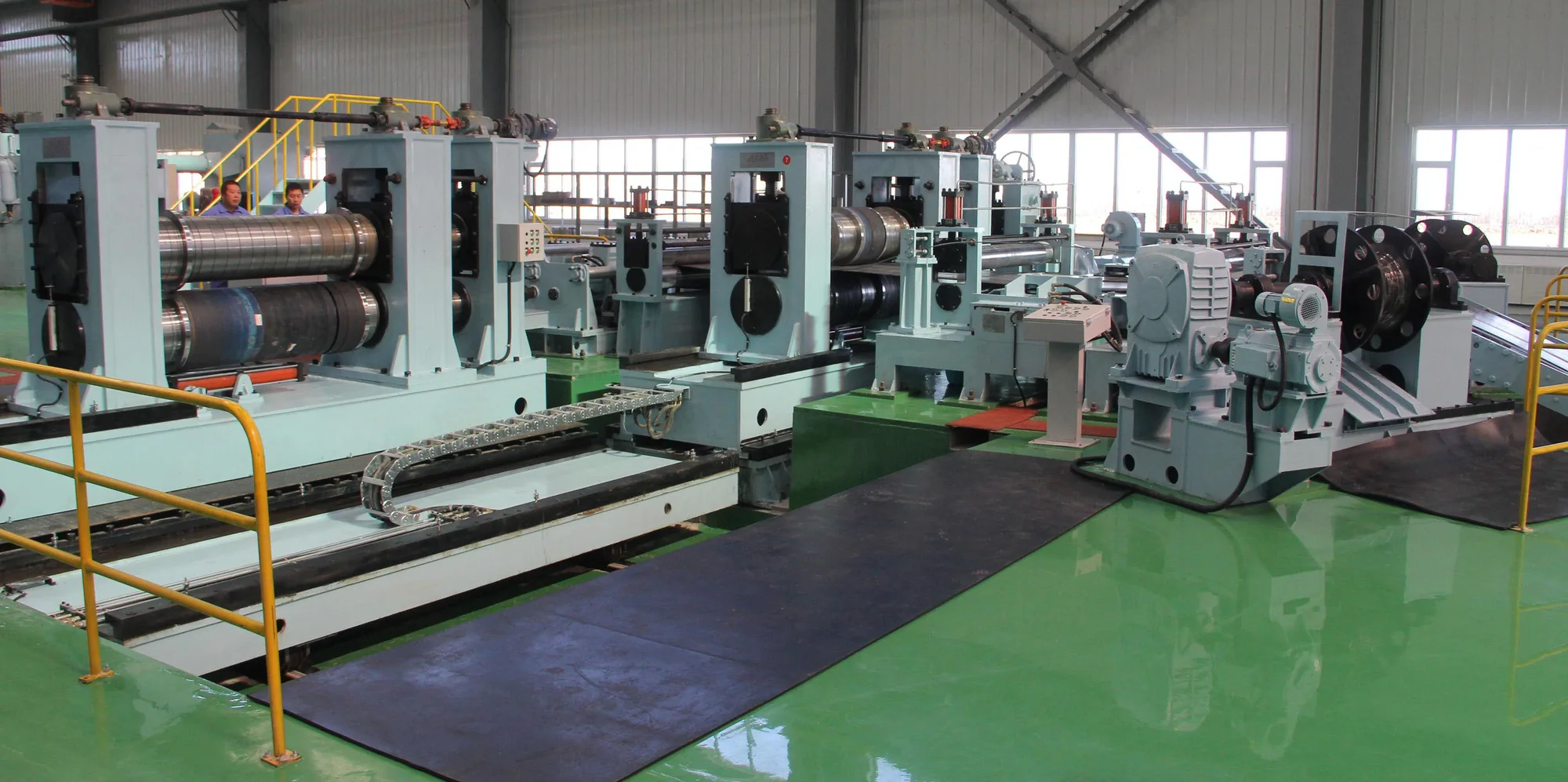
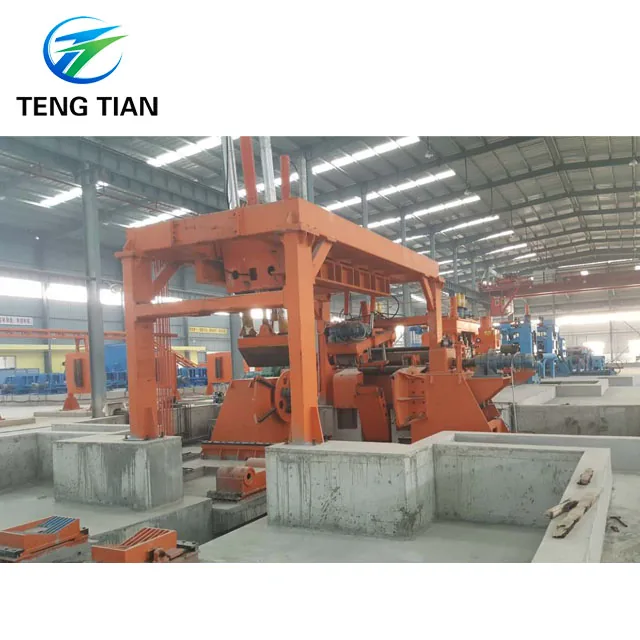 Steel Coil Cutting Machine
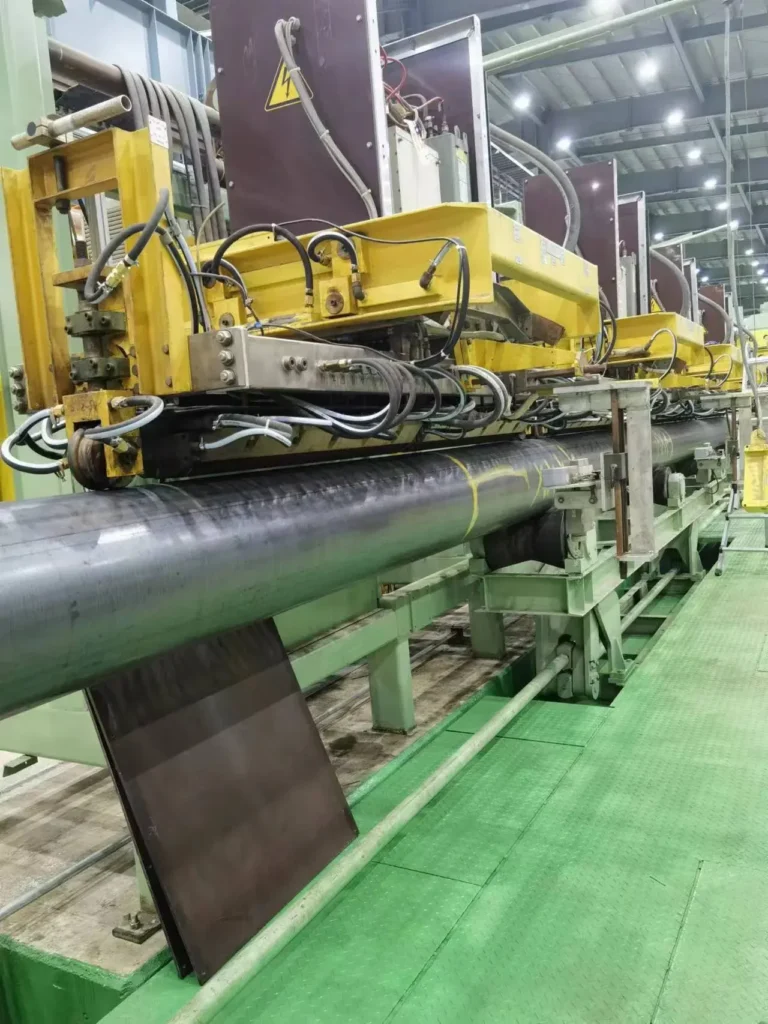 The API Pipe Mill Inspection Chain
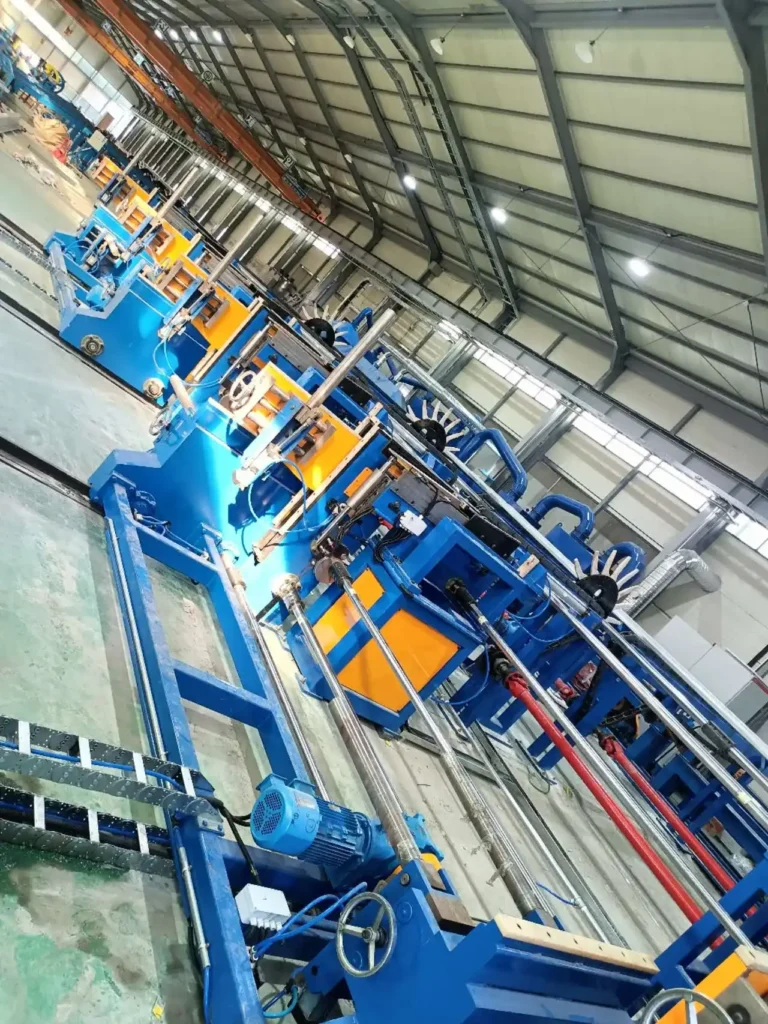 Pipe Coating Line Configuration
 H Beam Welding Line
Send Your Enquiry
Tell us the pipe outside-diameter range, the wall thickness and the output you need. An engineer reads every enquiry — it does not land in a general sales inbox.