 Scan on WeChat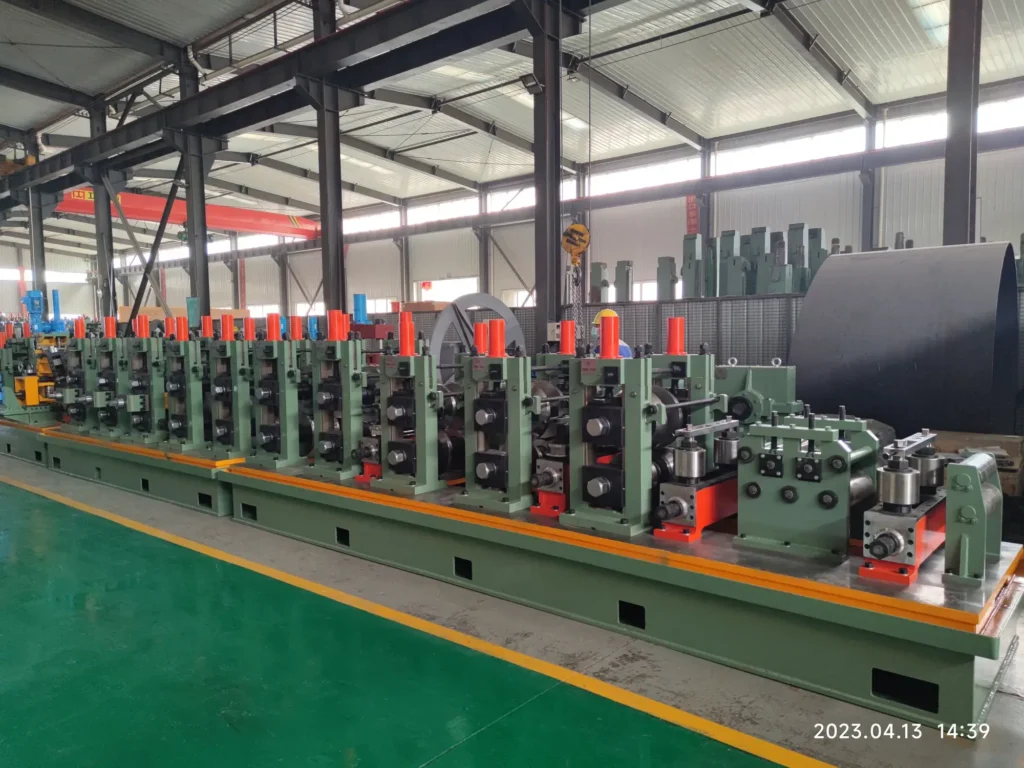
Pipe Production Applications
In This Line
Quick Contact
Hebei TengtianYuanle@tentubemill.com
+86-311-83025332
WhatsApp +852 5425 3155
Tengtian builds welded pipe and section lines for six downstream applications: fluid transport, structural and scaffolding tube, machinery and automotive parts, furniture, solar mounting and oil and gas transmission line pipe. The right line is chosen from the target pipe size and wall, not from the application name.
What Is Pipe Production Applications
The product coverage is the full welded pipe range from Φ10 to Φ630 mm, plus square tube by direct forming, API line pipe, H-beam, slitting, cold forming and coating — one supplier across the range, which is why it helps to start from the application rather than from the machine. Wall thickness, line speed and shift output are confirmed against your pipe size, material grade and cut length at quotation. Send us those three and we will state the figures.
 Furniture & Fence Tube ProductionHome and furniture products are one of the six downstream applications of the company’s lines.See the line →
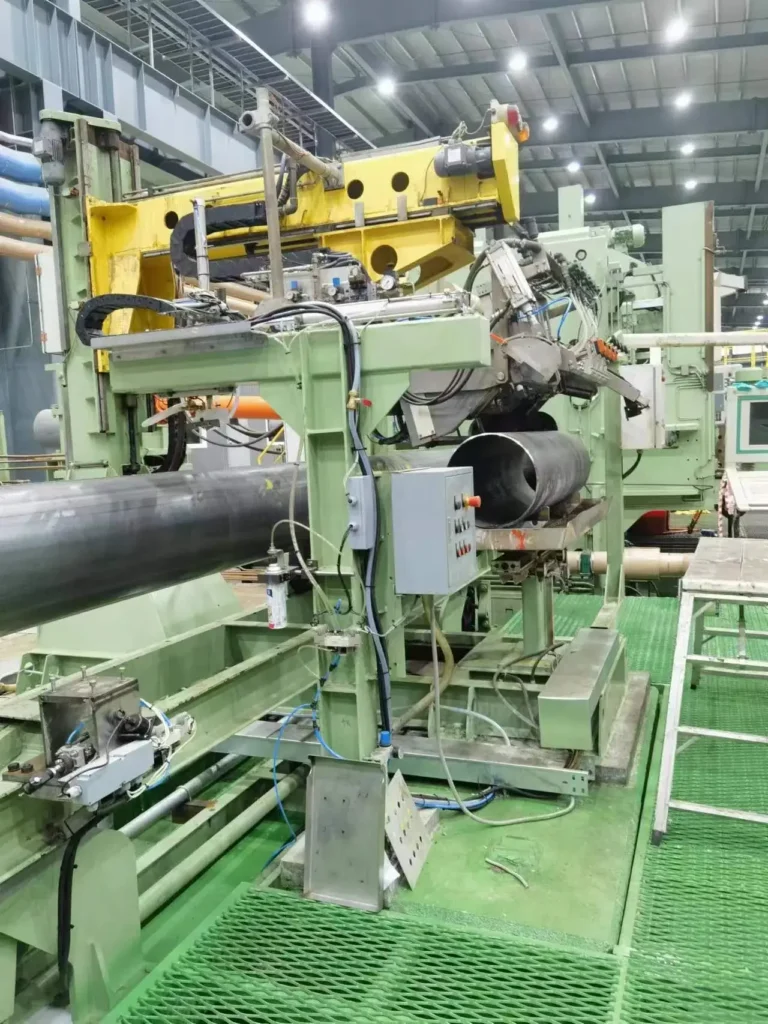 Oil & Gas Line Pipe MillProducing oil and gas line pipe is not a matter of making pipe and testing it afterwards.See the line →
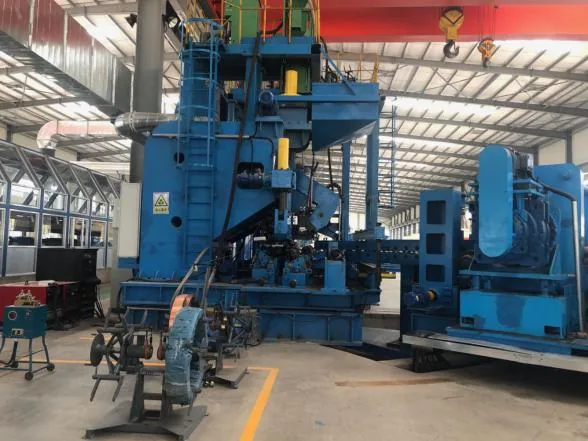
 Structural & Scaffolding Tube ProductionSee the line →
 Water Supply, Drainage & Urban Gas Pipe Production LinesSee the line →
The bridge between the two is size.
Underneath them sit four product categories, which is how the company itself frames its business: welded pipe equipment lines, slitting and cut-to-length lines, cold roll forming equipment, and H-beam production lines, with the automatic spray coating line supplied as an accessory line.
Pipe Production Applications — Range, Configuration and Output
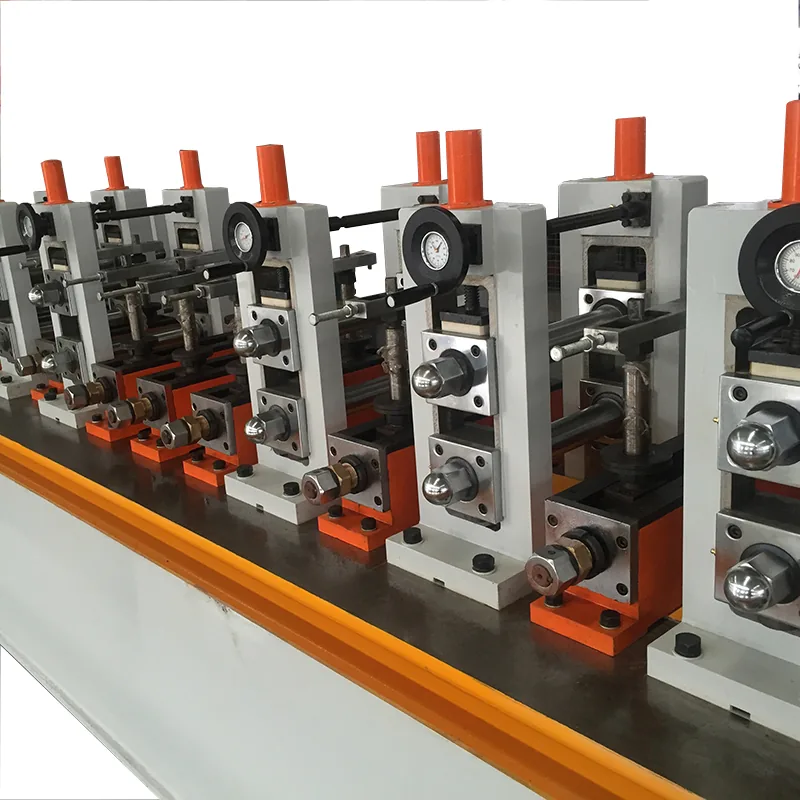
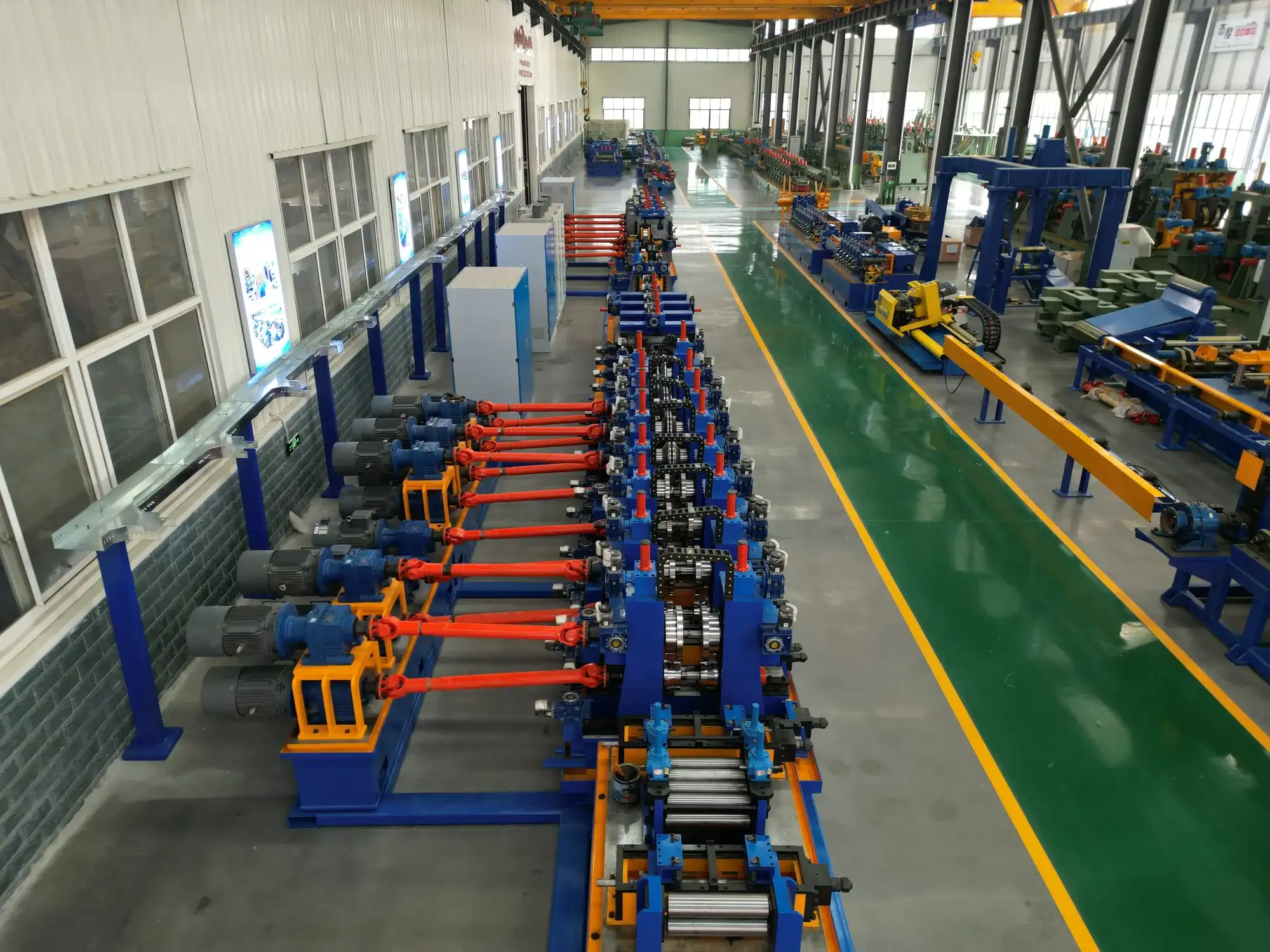
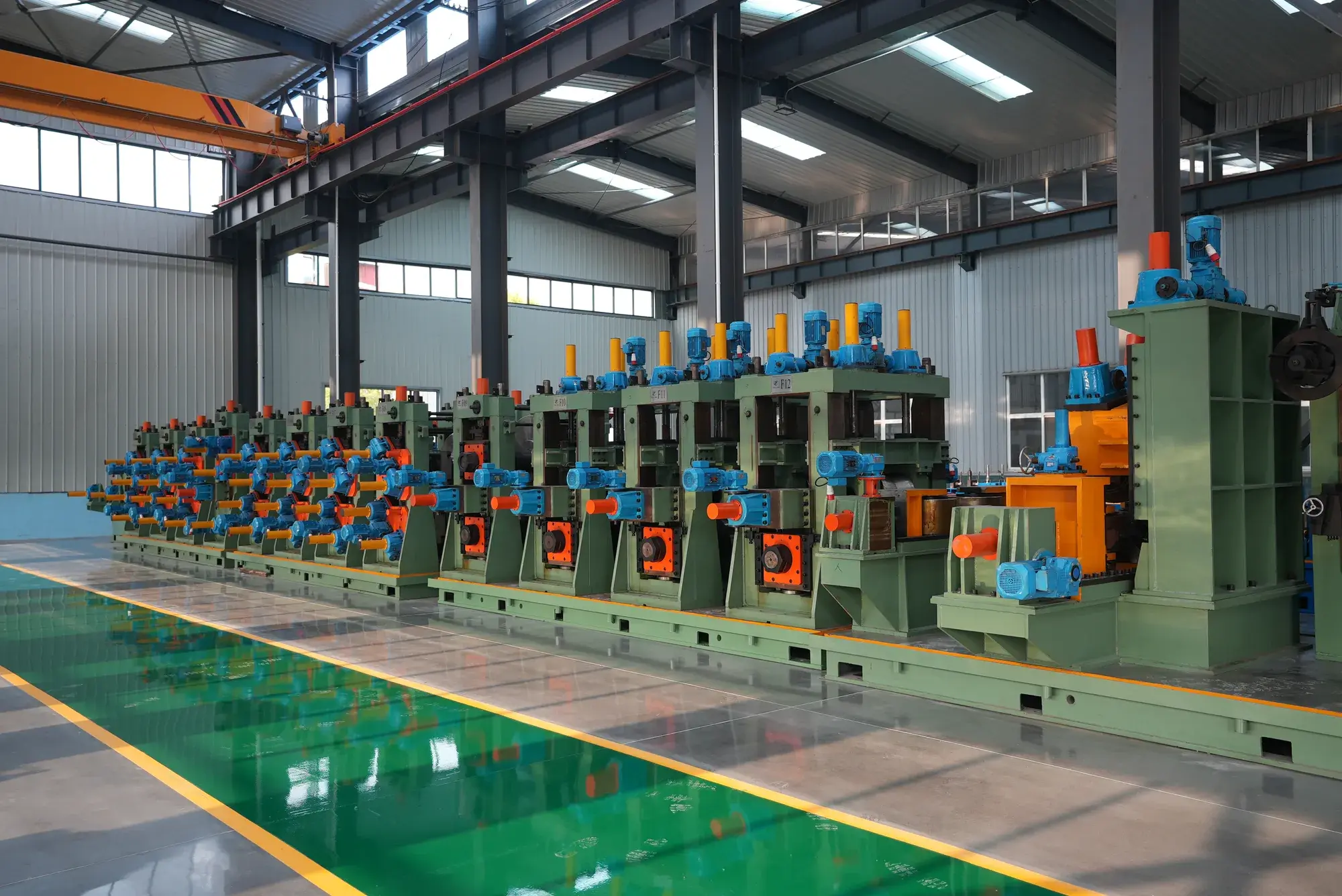
High-frequency welded round and square tube. Twelve diameter steps from HG32 to HG630, finished outside diameter Φ10 to Φ630 mm, wall 0.5 to 16 mm. This is the volume route for structural, furniture, fluid and scaffolding tube.
Direct forming square tube. Finished section 30 × 30 mm to 500 × 500 mm, wall 1.5 to 13 mm by step, produced with one combined mould so that a size change is a servo adjustment rather than a roll change.
API line pipe. A high-frequency line extended with medium-frequency annealing, straightening, end facing, hydrostatic testing, ultrasonic and eddy-current inspection, covering outside diameter 114 to 508 mm with wall 6 to 24 mm by step. This is the route when the pipe has to pass a compliance inspection chain rather than simply meet a dimension.
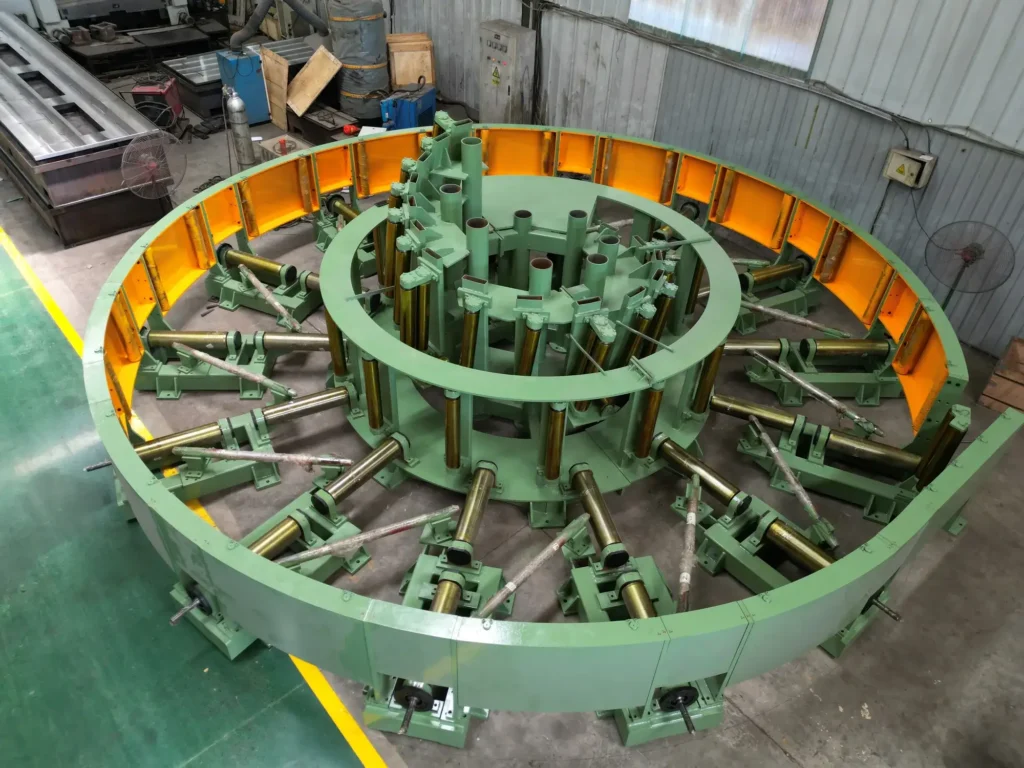
Spiral submerged arc welding covers the large-diameter end by a different mechanism entirely — three-roll bending of hot-rolled strip at a set forming angle with inner and outer submerged arc welding.
Three process families cover these applications, chosen by diameter and by what the finished pipe has to prove.
Key Parameters: Size Range, Wall Thickness, Line Speed and Welder Power Band
How to Choose by Application
Choosing by application only helps if it narrows the equipment question.
Correct line sizing is a match between outside diameter, welder power and unit configuration, and the failure mode is a line whose capacity or quality does not match what the plant needed — chosen, in other words, from the wrong starting point.
So the sequence runs from the finished pipe backwards. Target outside diameter and wall come first, because they decide which of the twelve high-frequency diameter steps or which spiral configuration is in scope at all.
What the pipe has to prove comes second: a structural tube is accepted on dimension and appearance, whereas a transmission line pipe has to pass an inspection chain, and that difference is the whole reason the API line exists as a separate product.
What Is Common Across All Six Applications
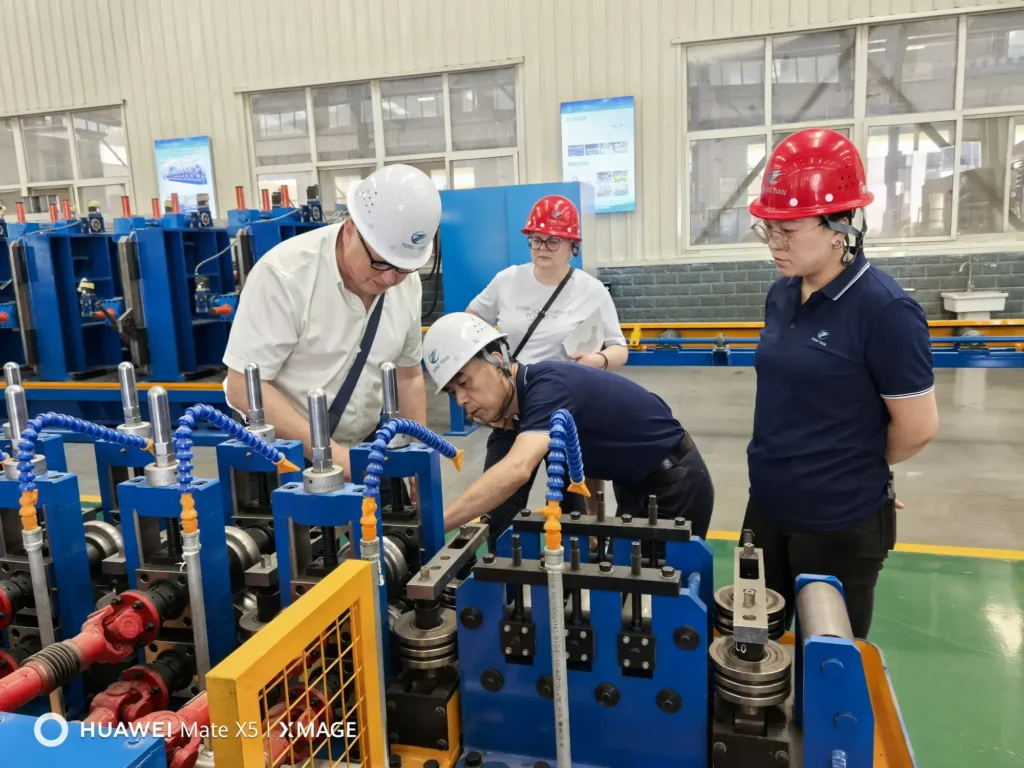
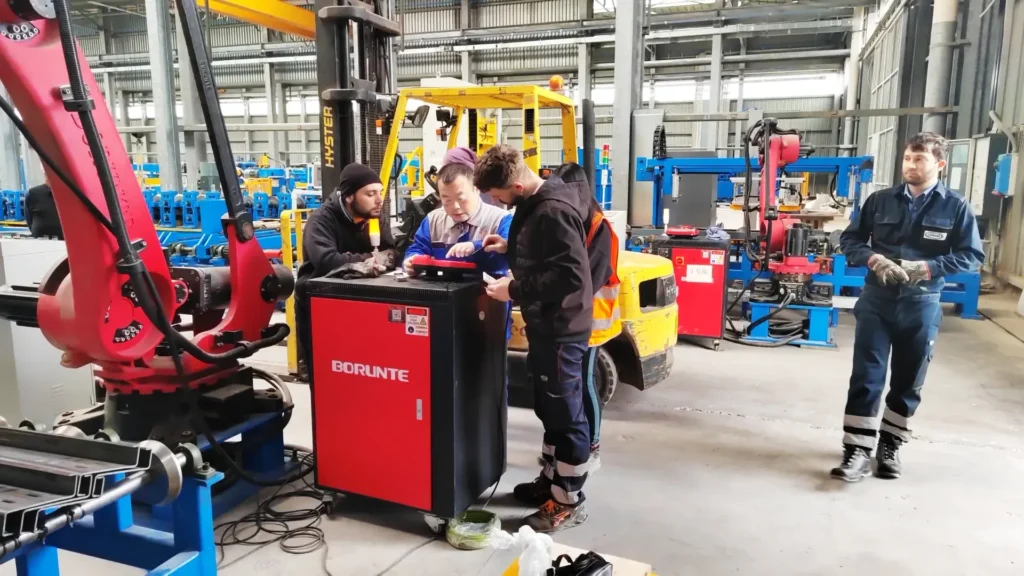
Lines are shipped knocked down in containers with site re-assembly, delivery is 50 to 90 days, and installation and commissioning are included with engineers dispatched on site and support available after handover. Three things do not change with the application.
One more thing is common to every application: the incoming strip is the buyer’s responsibility. The line provides levelling and incoming inspection capability, but strip grade and flatness remain with the plant, and poor incoming material shows up as finished-pipe defects regardless of which application it was bought for.
Where the Coating Line Fits
One of the six applications — furniture and home products — routinely needs a coated surface, and we treat the automatic spray line as an accessory to the main line rather than as a standalone product category. It is listed alongside the four product categories with that status made explicit, and it is sold bundled with a main line, dismantled and containerised together with it.
Buyers Behind the Applications
The end-user types map onto the application list more usefully than the applications map onto machines. Large energy and infrastructure groups buy against technical standards and delivery dates. Regional pipe and section makers buy on payback, changeover efficiency and running cost. Automotive and new-energy component makers buy on dimensional precision and process stability.
Those three profiles ask three different first questions, so start from the one that describes you.
Field Evidence by Industry
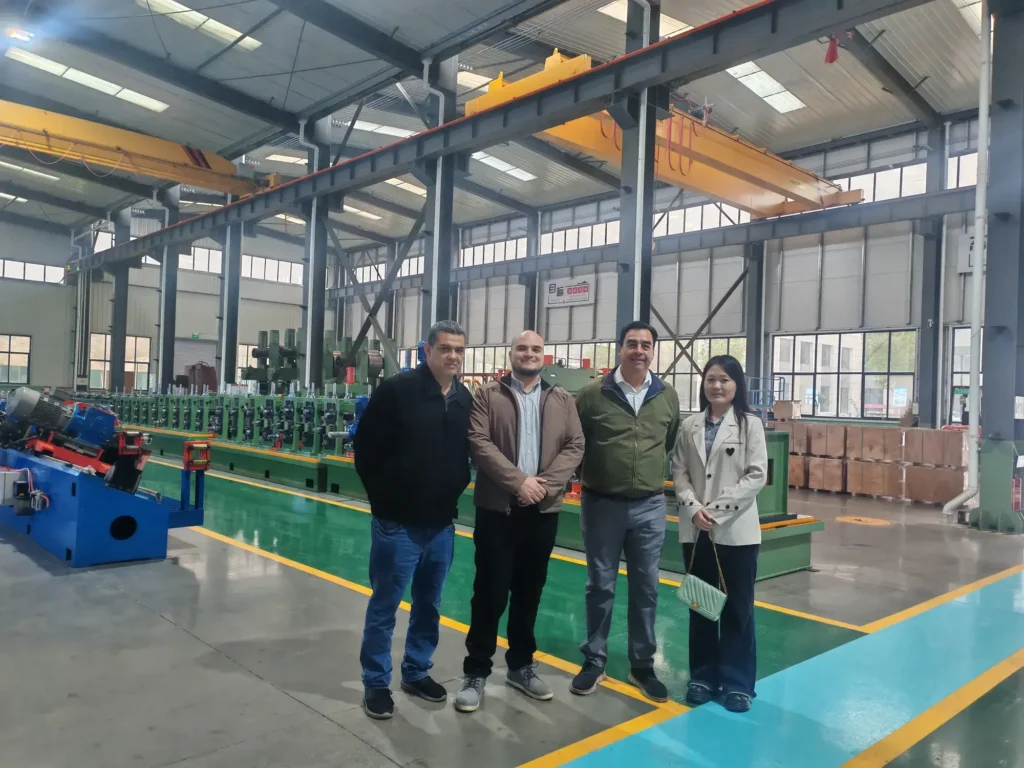
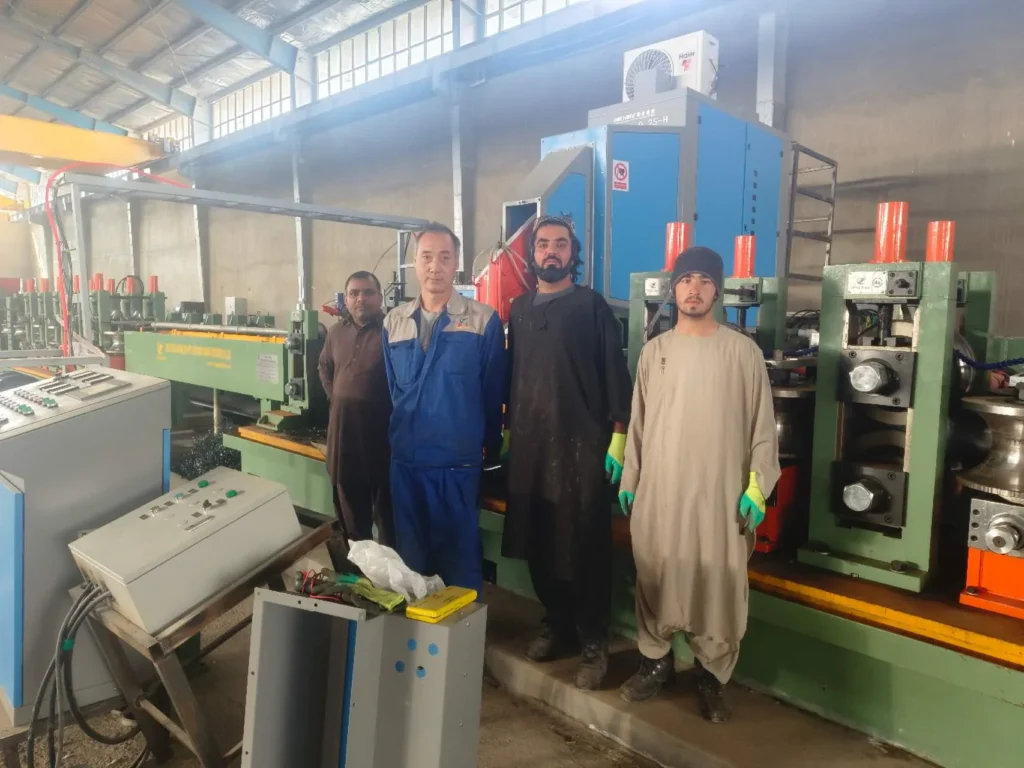
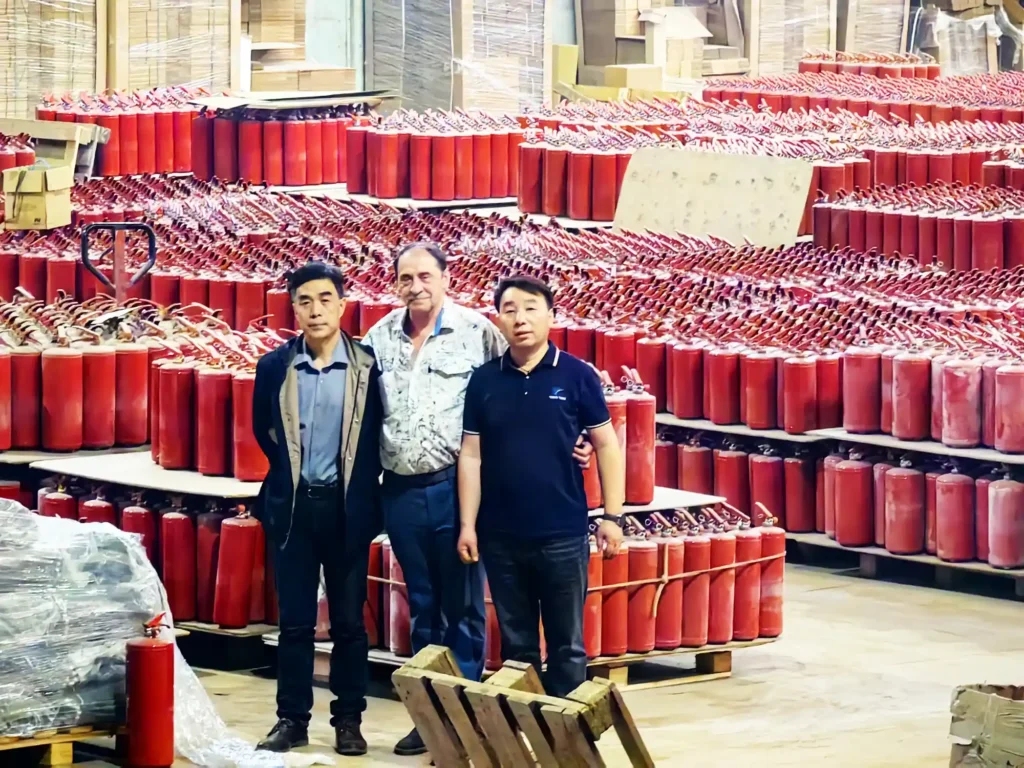
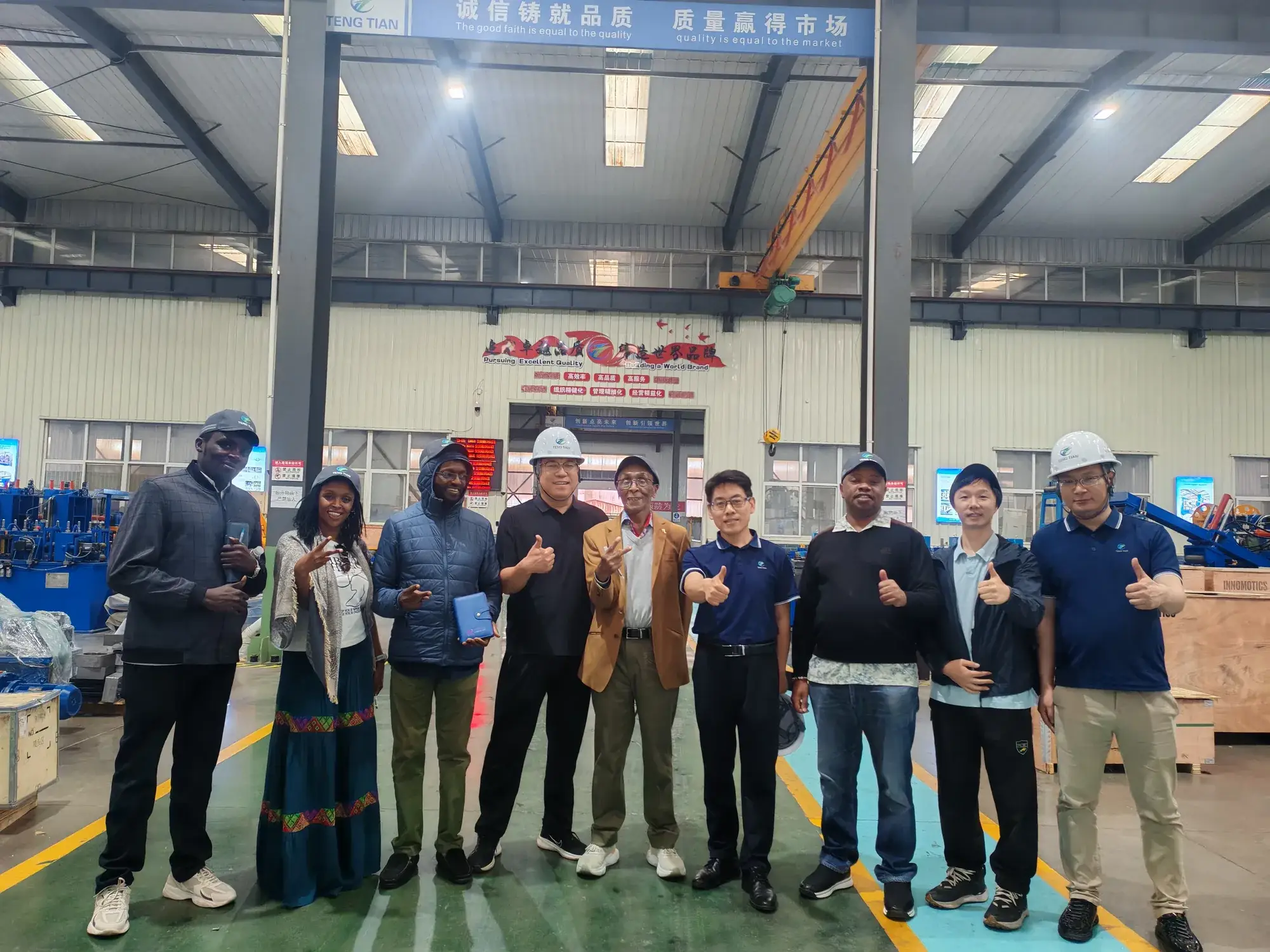
Sizes run from 76 × 3 mm round up to 250 × 250 mm square, and include 200 × 200 × 12 mm and 150 × 150 × 6 mm sections. Our lines are running in more than a dozen countries — mostly on construction tube, and also on fire-extinguisher tube, furniture tube and other sections.
More applications
More on this line — specifications, model steps and photographs.
From the Workshop
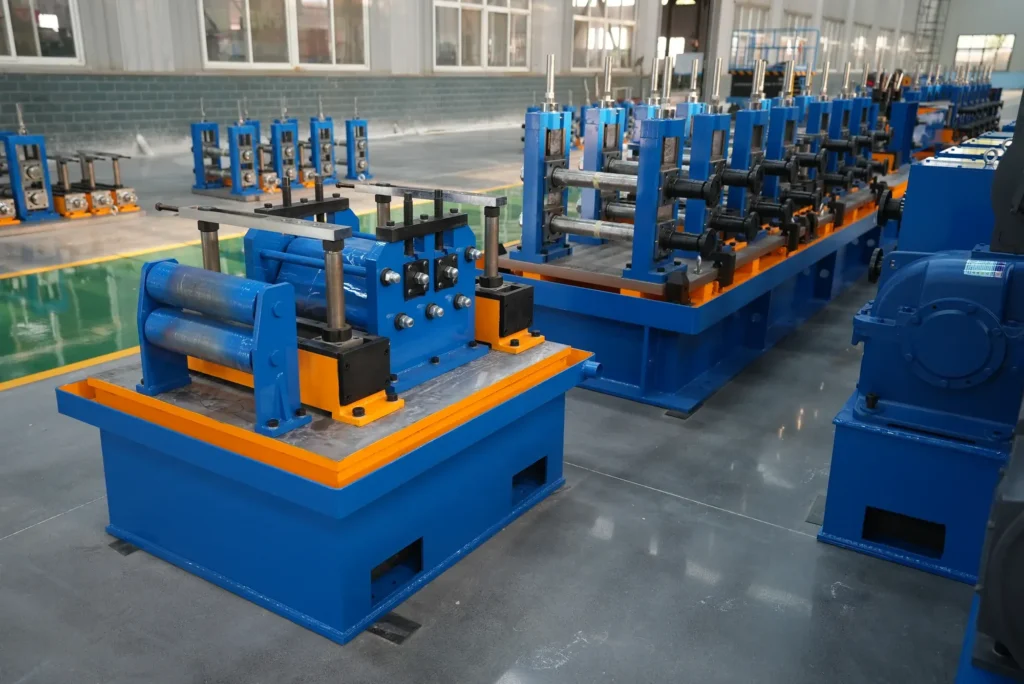
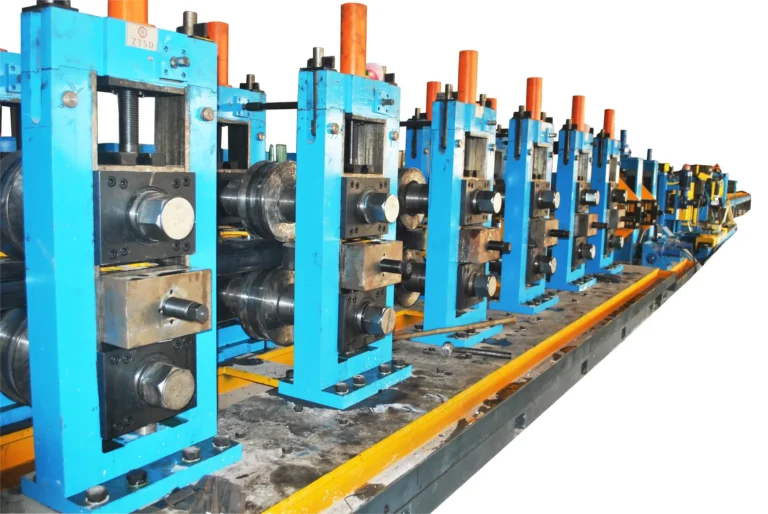 Large Diameter Tube Mill
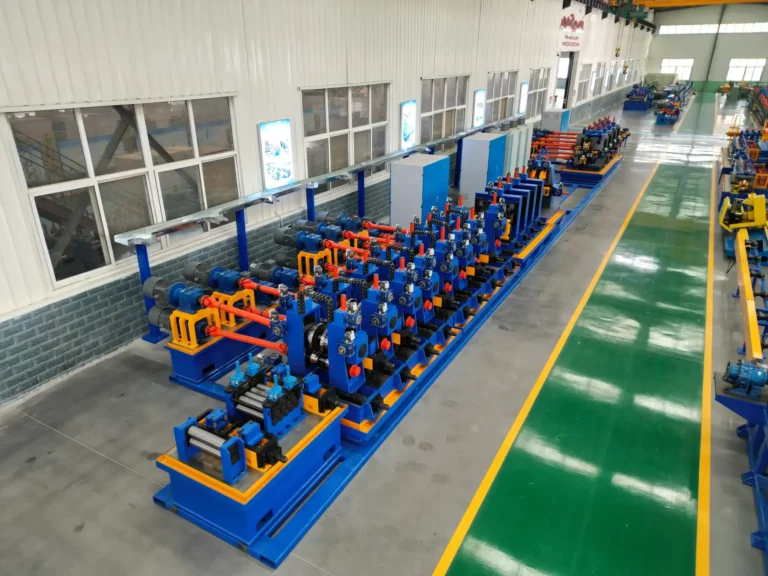 High-Frequency Welded Pipe Mill
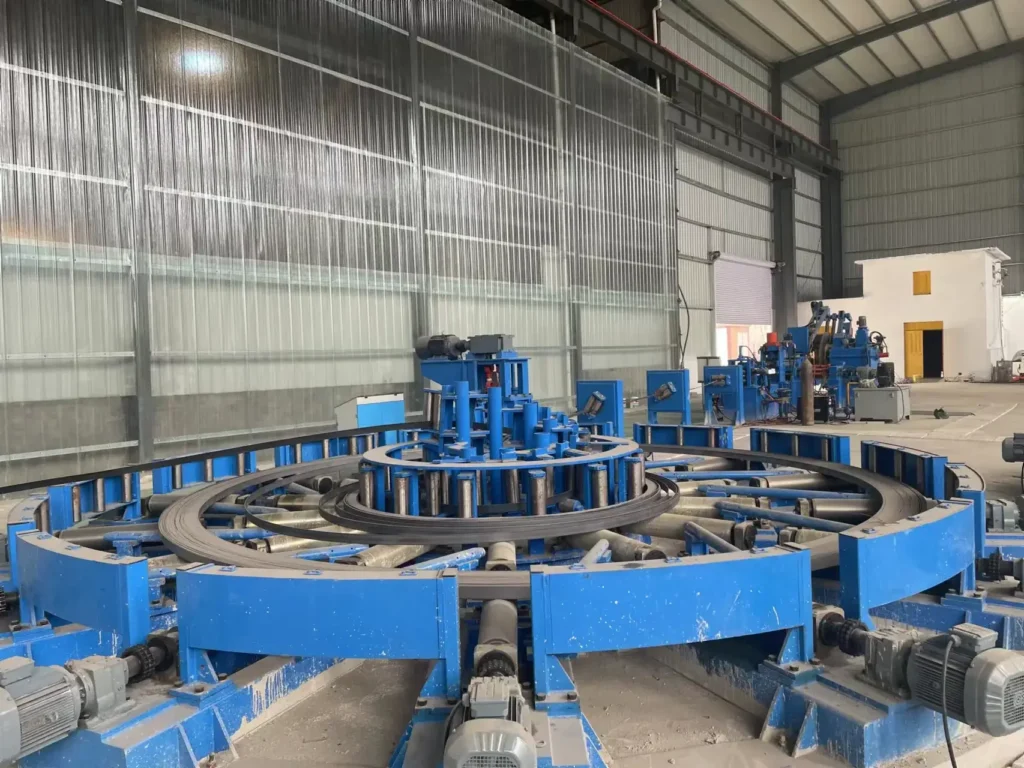 H-Beam Production Line
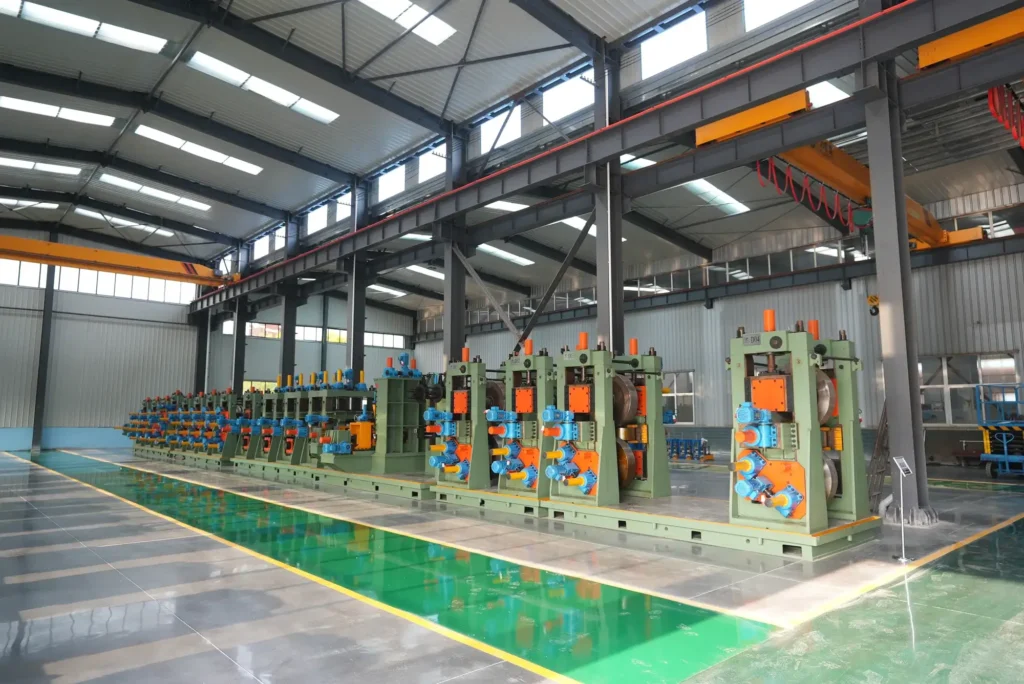 Direct Forming Square Tube Mill
Send Your Enquiry
Tell us the pipe outside-diameter range, the wall thickness and the output you need. An engineer reads every enquiry — it does not land in a general sales inbox.