 Scan on WeChat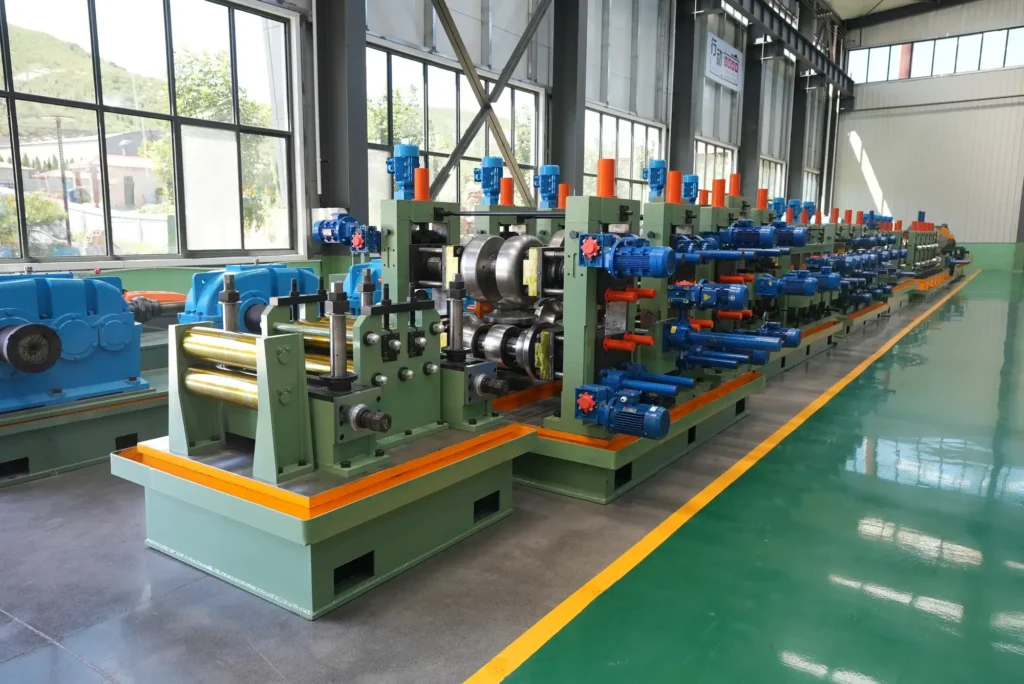
Tube Mill Manufacturer
How Tengtian builds and delivers tube mill lines.
In This Line
Quick Contact
Hebei TengtianYuanle@tentubemill.com
+86-311-83025332
WhatsApp +852 5425 3155
For buyers comparing suppliers rather than models, the questions are what is made in-house, what is bought in, what is certified, and what happens after the line ships.
What Is Tube Mill Manufacturer
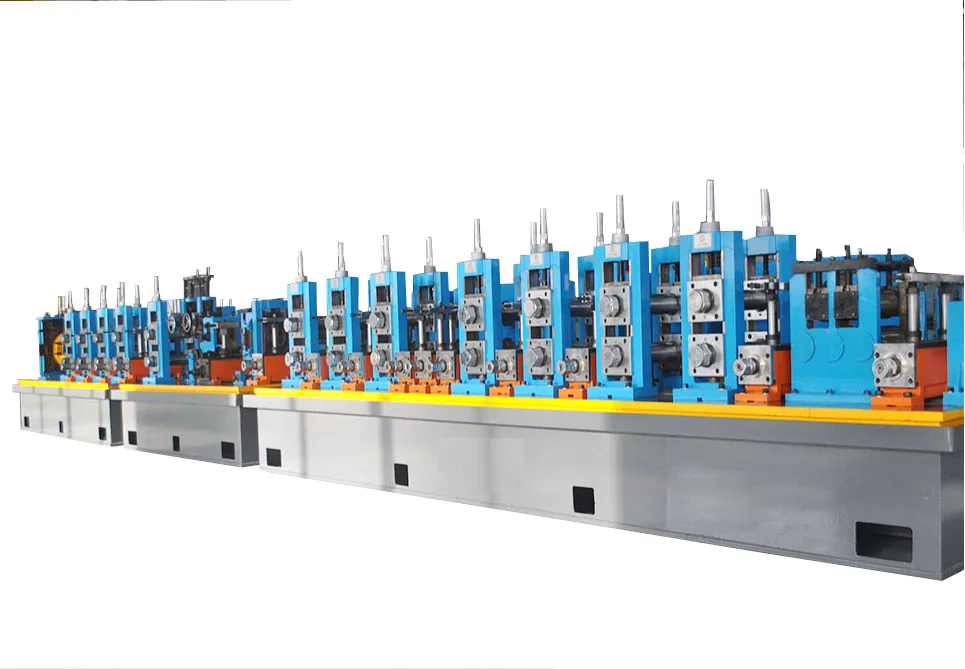
The range is one supplier covering welded pipe HG32–HG630 at Φ10–630 mm, plus square tube by direct forming, API line pipe, H-beam, slitting, cold forming and coating lines.
 Configuration Tiers Behind a Pipe Making Machine PriceWhy two quotations for the same pipe diameter can differ.See the line →
 Tube Mill Supply Scope, Commissioning & Acceptance CriteriaSee the line →
A tube mill manufacturer is judged on four things a buyer can check: what the product range actually covers, what is machined in-house versus sourced, what certification is held and can be verified, and whether wear parts stay available after handover.
Tube Mill Manufacturer — Range, Configuration and Output
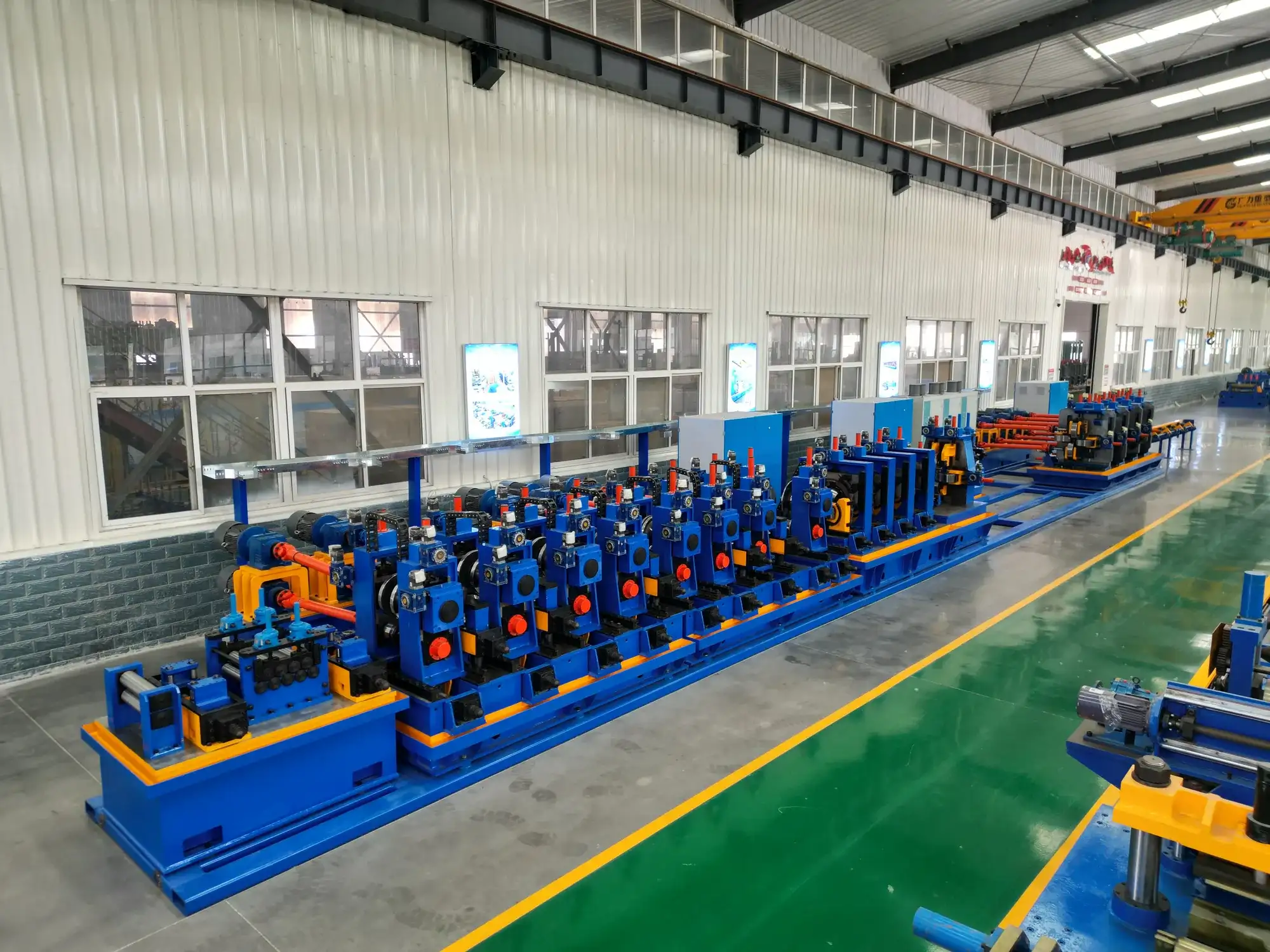
Within welded pipe, the coverage is twelve model steps and three section shapes, with two forming routes — conventional roll forming and direct forming square — and one welding process, high frequency induction.
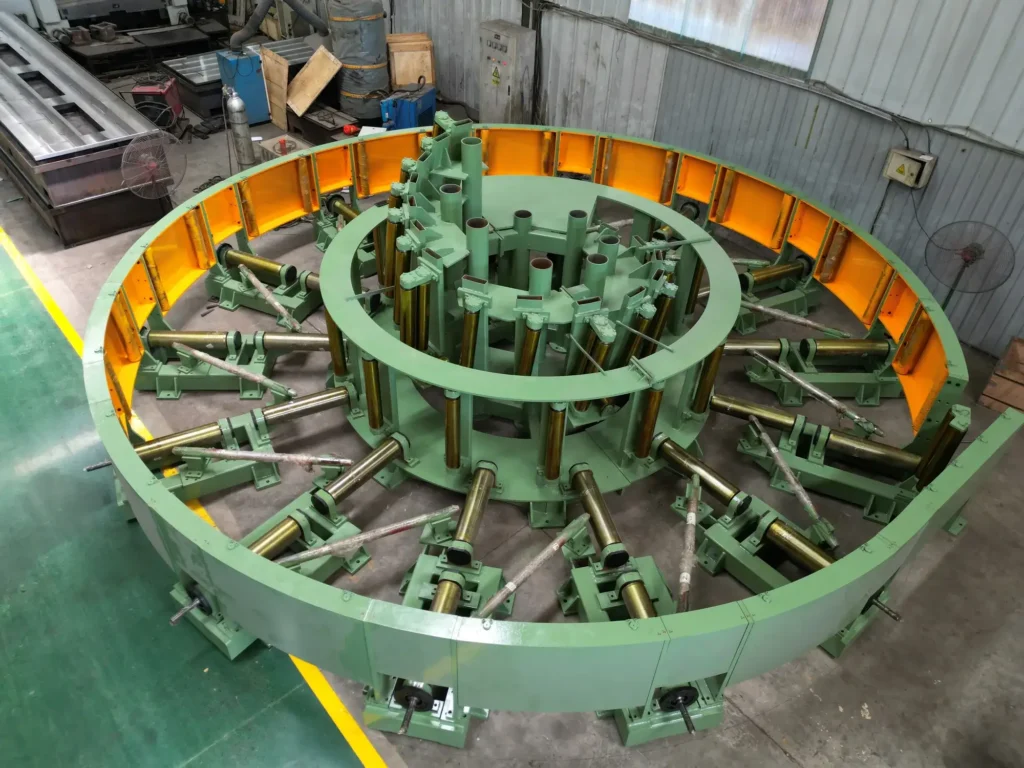
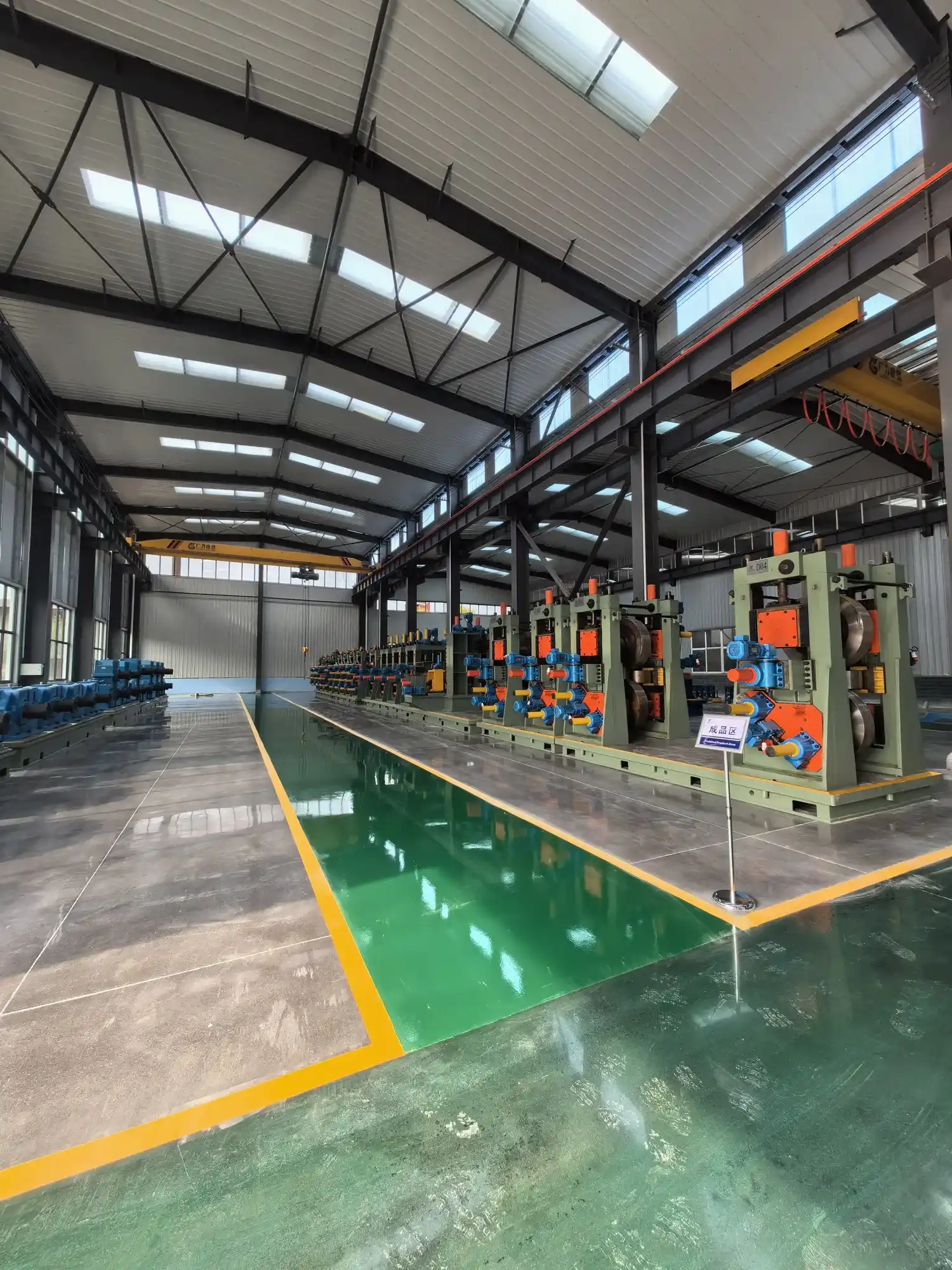
The manufacturing claim that carries weight here is narrow and checkable: forming rolls and key wear parts are machined in-house on our own CNC equipment, which is the reason spare rolls stay available years after handover rather than becoming a sourcing problem.
Tengtian organises its business into four categories: welded pipe equipment lines, slitting and cut-to-length lines, cold forming equipment, and H-beam production lines with the coating line as a companion.
Key Parameters: Size Range, Wall Thickness, Line Speed and Welder Power Band
Welder power band across the welded-pipe series is 150–1500 kW, stepped by model.
At supplier level the parameters that mean anything are coverage, not per-model numbers:
- Welded pipe: Φ10–630 mm, wall 0.5–16 mm, twelve steps.
- Square tube by direct forming: 30 × 30 – 500 × 500 mm, wall 1.5–13 mm.
- Spiral welded pipe: Φ219–820 / Φ219–1620 mm.
- Slitting: thickness 1–12 mm, width 800–2000 mm, coil to 32 t.
- Purlin forming: material 2–4 mm, forming speed to 20 m/min, 18 passes.
- H-beam: beam height 147–450 mm to GOST R 58966-2020.
- Coating line: square section 25 × 25 – 125 × 125 mm, wall 1.0–4.0 mm, up to 60 m/min.
How to Choose the Right Model
For a buyer comparing suppliers, the model question comes second. The first question is whether one supplier can cover the whole plant flow you are building — coil preparation, forming and welding, and finishing — because that decides how many interfaces you own.
Our answer is that slitting, tube mill and coating are all on the same supply list, and that the coating line in particular is dismantled and containerised with the main line, delivered in one shipment and assembled on site in one campaign.
Scope of Supply, Installation and Commissioning
Certification held is ISO 9001 under number 18524Q11269R2S, and CE from UDEM under three separate certificate numbers: welded pipe equipment M.2022.206.C72171, cold roll forming equipment M.2022.206.C72172, and slitting lines M.2022.206.C72173. Each number can be checked at the issuing body rather than taken on trust.
An enterprise standard, Q/GYLTT01-2023, is published on the national enterprise-standard platform. The patent portfolio is 30 granted utility model patents, with 7 invention patents applied for.
What is made here and what is bought in
The manufacturing position is narrow and checkable rather than broad. In-house CNC machining supports roll supply and consistency, and the reason it matters is a supply-chain one: outsourced tooling puts lead time, cost and consistency outside your control.
The risk on the other side is supply chain volatility in bought-in parts and steel; in-house CNC reduces that dependency rather than removing it.
The second design risk is selection rather than manufacture: mismatched line sizing — diameter against power against unit configuration — produces capacity and quality that do not match what the buyer needed.
How the company is set up to deliver
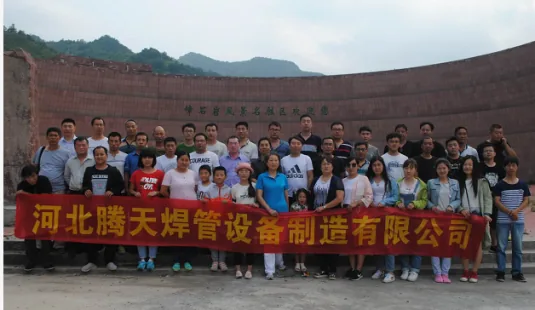
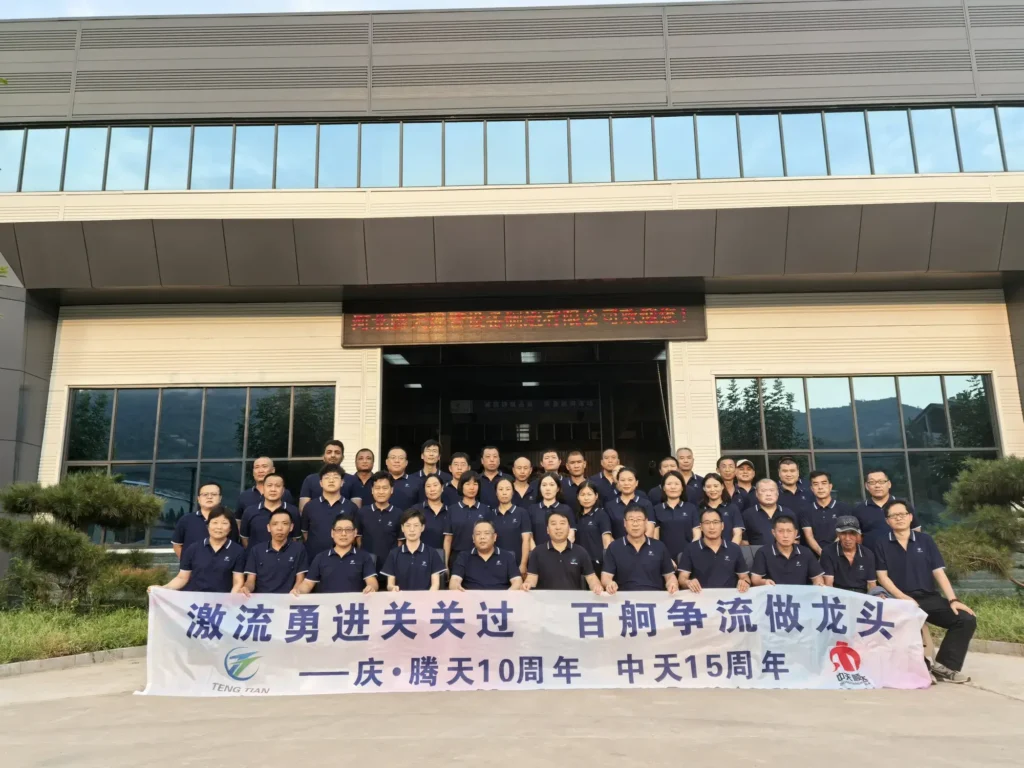
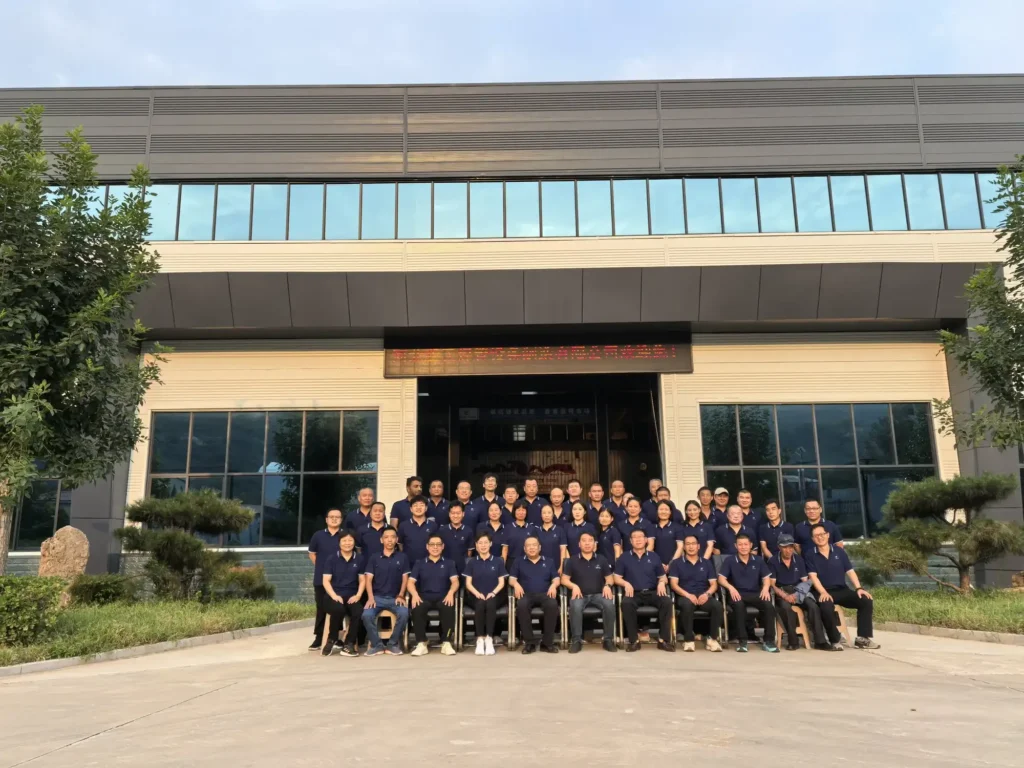
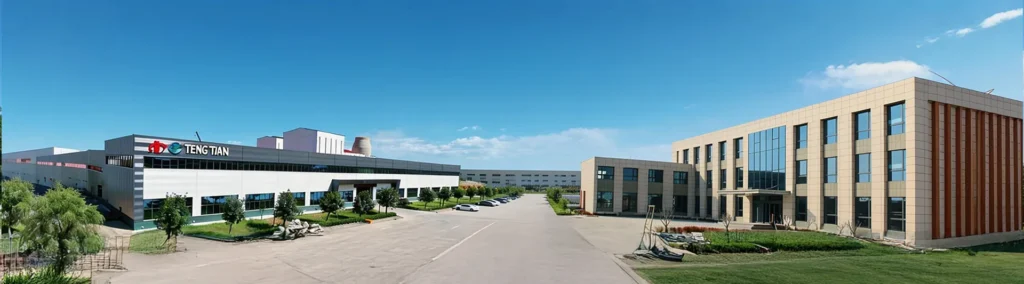
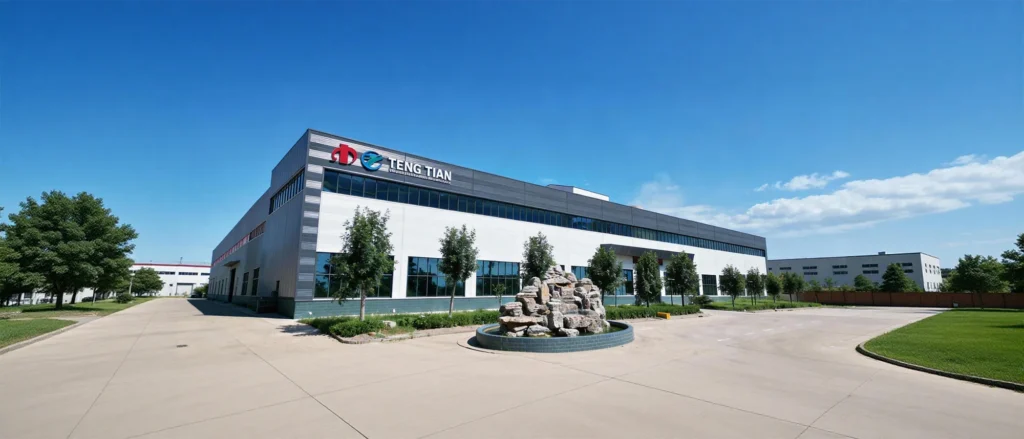
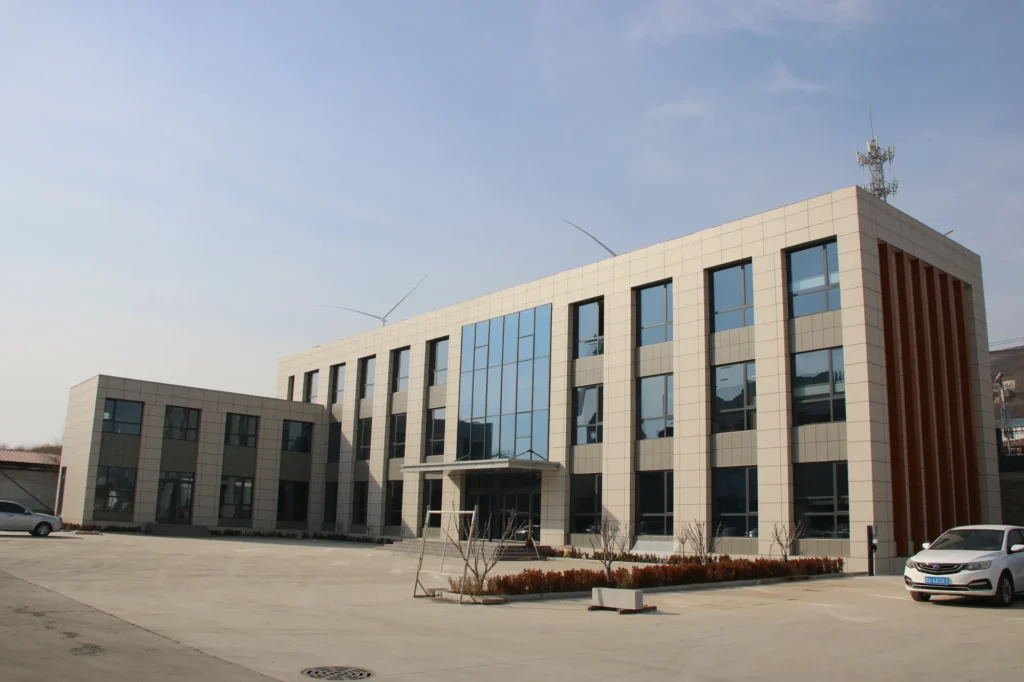
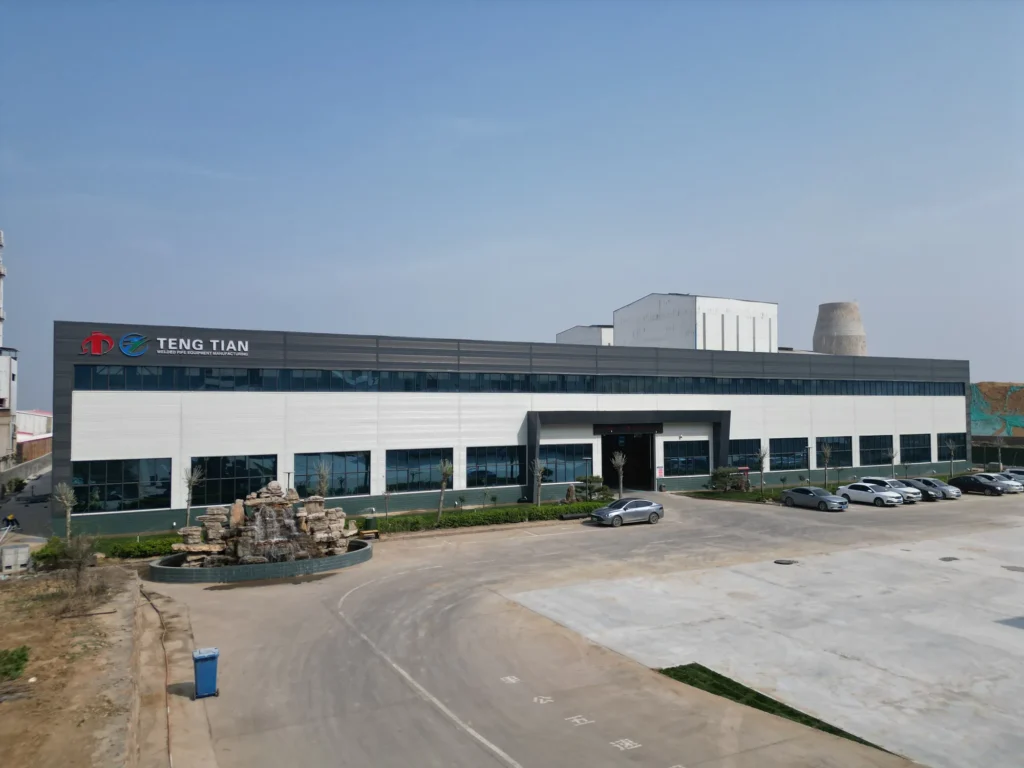
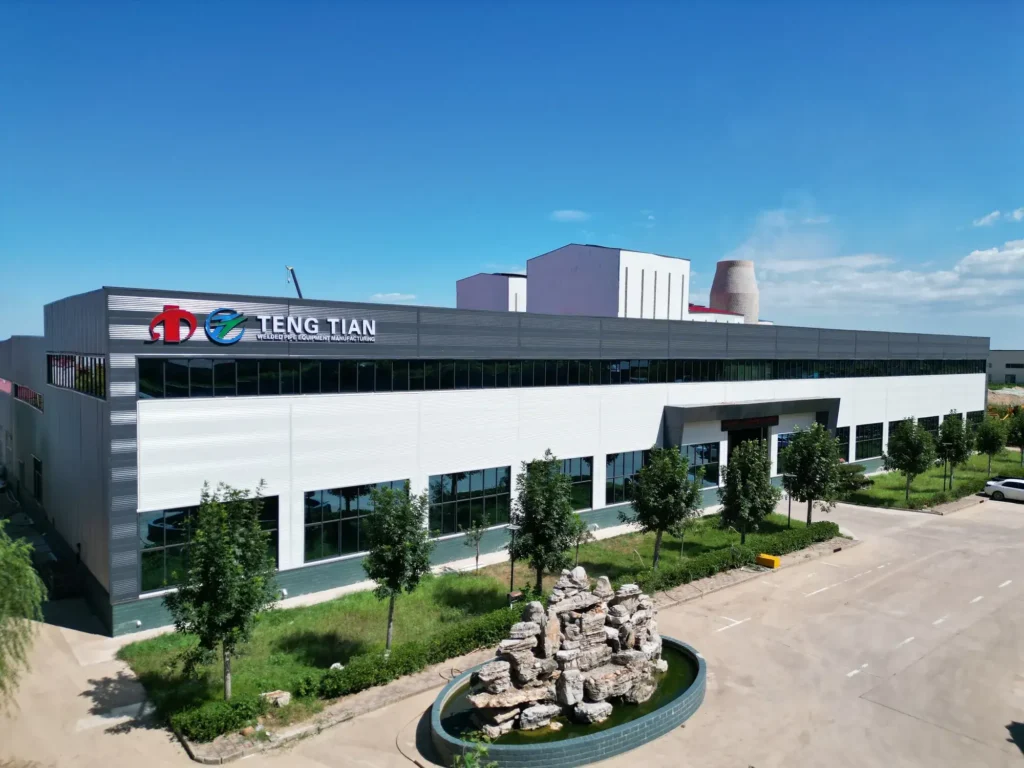
The engineering team is twenty people averaging twenty years’ experience, working from an owned production base that is open to factory audit, and the company holds High-Tech Enterprise status.
Supply is offered two ways: turnkey lines and single units or machines, which is what tiered quotation corresponds to.
What the after-sales commitment actually is
Four items make it up: installation and commissioning included in the supply; on-site engineer dispatch; round-the-clock online support; and direct spare-parts shipment. Behind them is a single point of contact with a response time of under one hour.
The repeat-purchase drivers are consistent with that list rather than with price: stable low-fault operation of the first line, continuous supply of spares and rolls, response speed, on-time delivery, compatibility when expanding, and support for new specifications.
Certification, and what each certificate actually covers
ISO 9001 is held under certificate number 18524Q11269R2S, issued by National Standard Integration (Beijing) Certification Co., Ltd. under IAF MLA and CNAS accreditation.
CE certificates are held from UDEM under three separate numbers, and each covers a different line type: welded pipe equipment under M.2022.206.C72171, cold roll forming equipment under M.2022.206.C72172, and slitting lines under M.2022.206.C72173. A fourth CE certificate for cold forming is held from Ente Certificazione Macchine in Italy under 0P250616.HTWTT37.
Each number can be checked at the issuing body rather than taken on trust, which is why we publish numbers and verification routes instead of certificate images.
An enterprise standard, Q/GYLTT01-2023 for HGF150 high-frequency welded pipe equipment, is published on the national enterprise-standard platform. High-Tech Enterprise certificate GR202413001148 is held. The Madrid international trademark for TENGTIAN is registered under number 1 707 606. The patent portfolio is 30 granted utility model patents, with 7 invention patents applied for.
Delivery, payment and after-sales
Lines are dismantled into units and shipped in containers: heavy frames braced bare on cradles with designated lifting points and rust protection, precision and wear items in moisture-protected wooden cases with a spare-parts pack. Delivery takes 50 to 90 days.
Installation and commissioning are part of the supply rather than a separate quotation, backed by on-site dispatch and round-the-clock online support. There is a single point of contact and the response time is under one hour. Payment is staged — 30 per cent deposit, 70 per cent before shipment — with third-party escrow and multiple trade terms available.
Anonymised reference deliveries
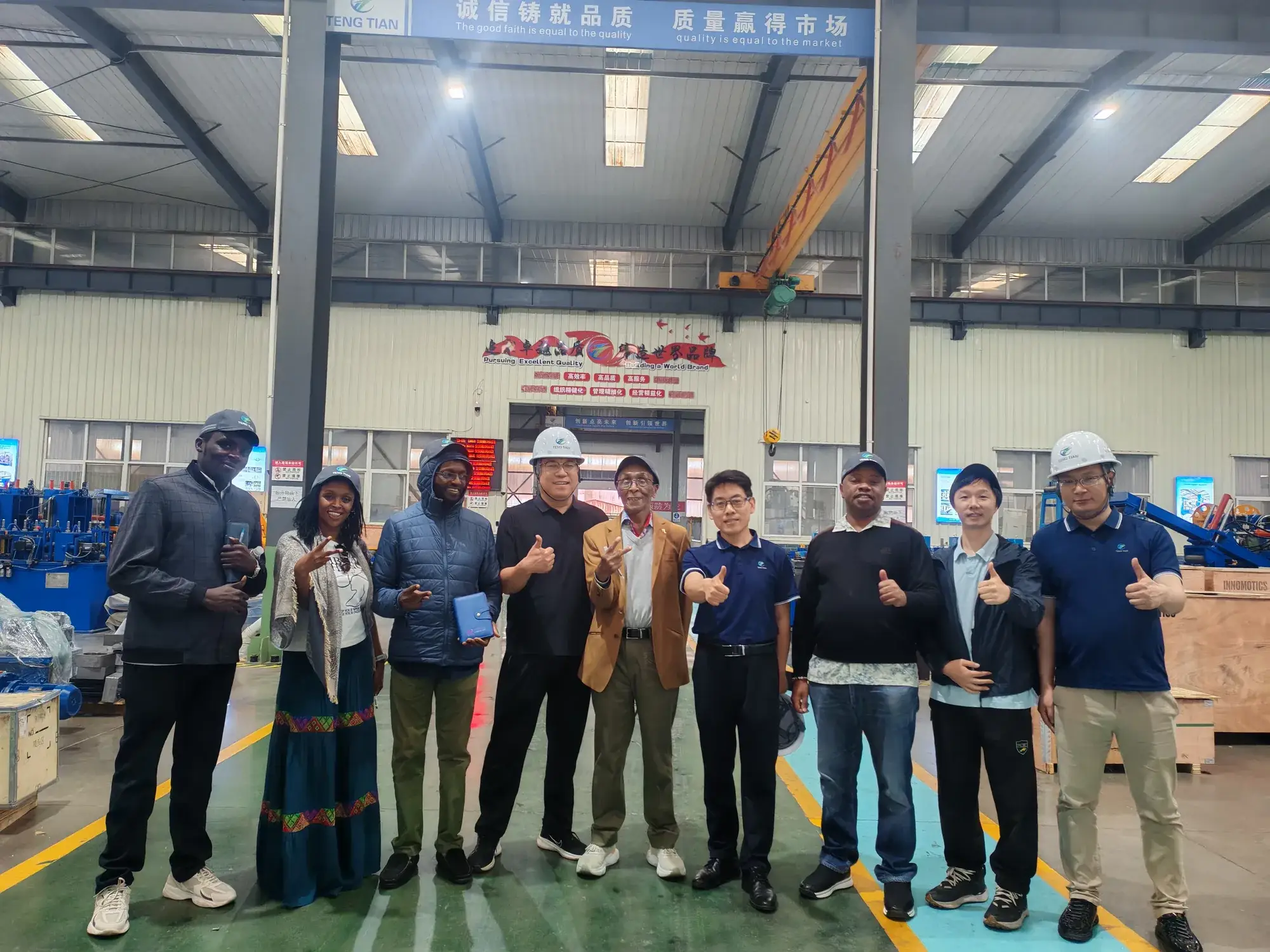
Our lines are running in more than a dozen countries — mostly on construction tube, and also on fire-extinguisher tube, furniture tube and other sections. Delivery cards show region and model or size; commissioning dates are available on request.
Tengtian’s four business categories
Tengtian’s business falls into four categories: welded pipe equipment lines; slitting and cut-to-length lines; cold forming equipment; and H-beam production lines, with the automatic coating line as a companion rather than a fifth category.
Two cross-cutting axes sit alongside it. By target standard: conventional structural and fluid pipe, API 5L line pipe, GOST H-section, and GB. By downstream application: fluid transport, building structure and scaffolding, machinery and automotive components, home and furniture, PV mounting, and long-distance oil and gas pipelines.
Those two axes are why the same supplier list looks different to different buyers: a distributor reads the product categories, an energy group reads the standards axis, and a fabricator reads the application axis.
Control systems, stated at supplier level
The control position is PLC industrial-computer control with variable-frequency drive and servo adjustment, with automation offered as a selectable grade from semi-automatic to fully automatic.
What that buys is repeatability rather than speed: stable line operation, repeatable cut length, and less operator dependence.
What a factory audit would actually see
The audit-relevant facts are three: an owned production base open to factory audit, in-house CNC machining equipment, and a twenty-person engineering team averaging twenty years’ experience.
Those are the facts a system integrator’s criteria ask for — full-plant customisation, on-site presence, end-to-end cooperation, and an owned base that can be inspected.
What is made in-house and what is certified
We do not claim that everything is made in-house. The statement is narrower: in-house CNC machining makes and maintains forming rolls and other key parts, which reduces dependence on outsourced components rather than removing it.
We do not claim a certification that covers everything. The three UDEM certificates each name a line type, and the coverage list inside the welded-pipe certificate names specific models — so the right question about any given line is which certificate names it, not whether the company holds certificates.
What to send with an enquiry
The product you intend to make, the standard the order is written against, and the plant flow you are building — coil preparation, forming and welding, finishing. Those three decide the line list; the model numbers follow from them.
The three-way split in what buyers ask for
The buyer types divide into intermediaries and end users, and their criteria barely overlap.
Intermediaries — distributors, agents and system integrators — are judging on price competitiveness, lead time, manufacturer responsiveness, and whether after-sales can be backstopped for their own downstream customers.
End users — energy and infrastructure groups, regional pipe makers, auto-parts and new-energy manufacturers — are judging on standards compliance, payback and changeover, or dimensional stability, depending on which of the three groups they belong to.
Our answers to the intermediary side are commercial rather than technical: tiered quotation matched to configuration, flexible payment ratios, third-party escrow, multiple trade terms, and staged payment.
Our answer to the end-user side is the certificate and standard list, plus the delivery window and the service commitment behind it.
What a first enquiry should contain
For buyers comparing suppliers rather than models, a useful enquiry looks different too. Four things make it answerable: the product to be made, the standard the order is written against, the plant flow being built, and the timeline.
The first two decide which line types are in scope, using the product-category and target-standard axes. The third decides whether coil preparation and finishing are in scope alongside forming, which is what turns a machine purchase into a plant purchase.
The fourth is checked against the 50 to 90 day delivery window, offered alongside plant-level customisation from an owned manufacturing base.
Export packing is specified per item, and the engineering team is twenty people averaging twenty years’ experience with the production base open to factory audit.
More from this line
More on this line — specifications, model steps and photographs.
From the Workshop
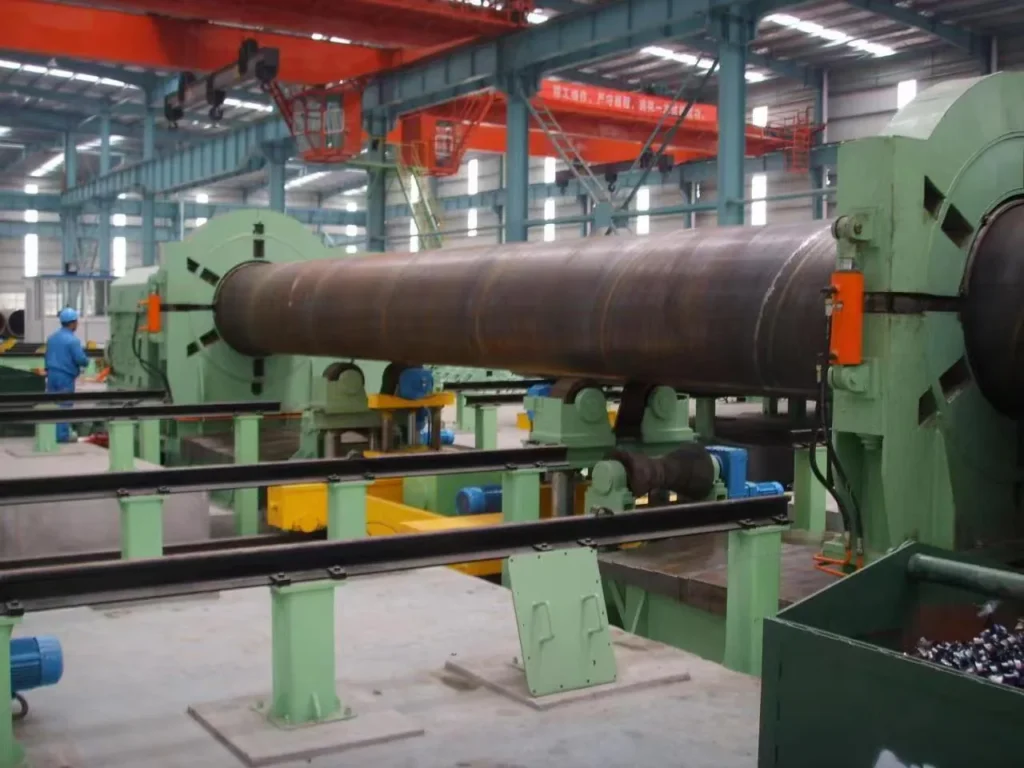 SSAW Spiral Welded Pipe Mill
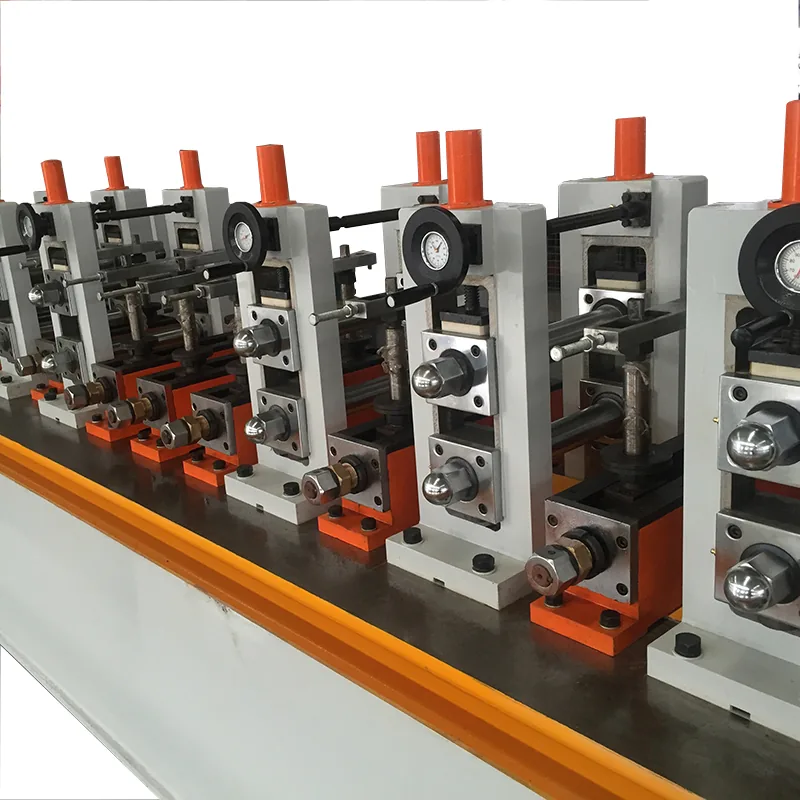 Small Diameter Tube Mill
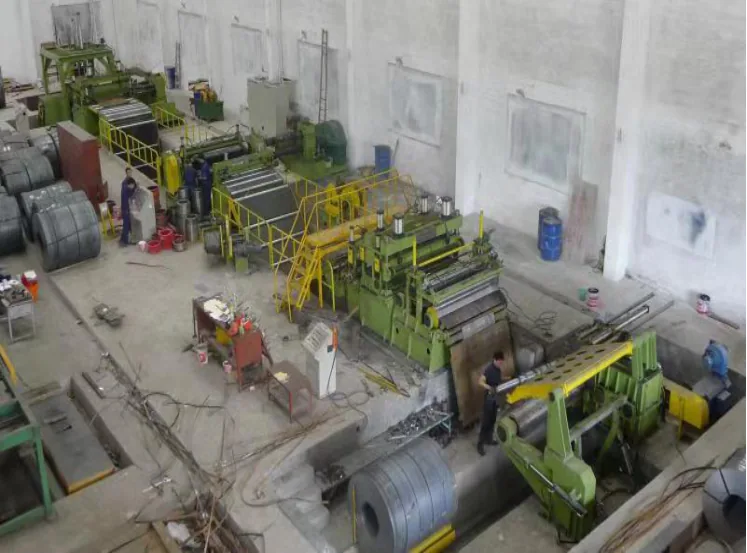 Steel Coil Slitting Line
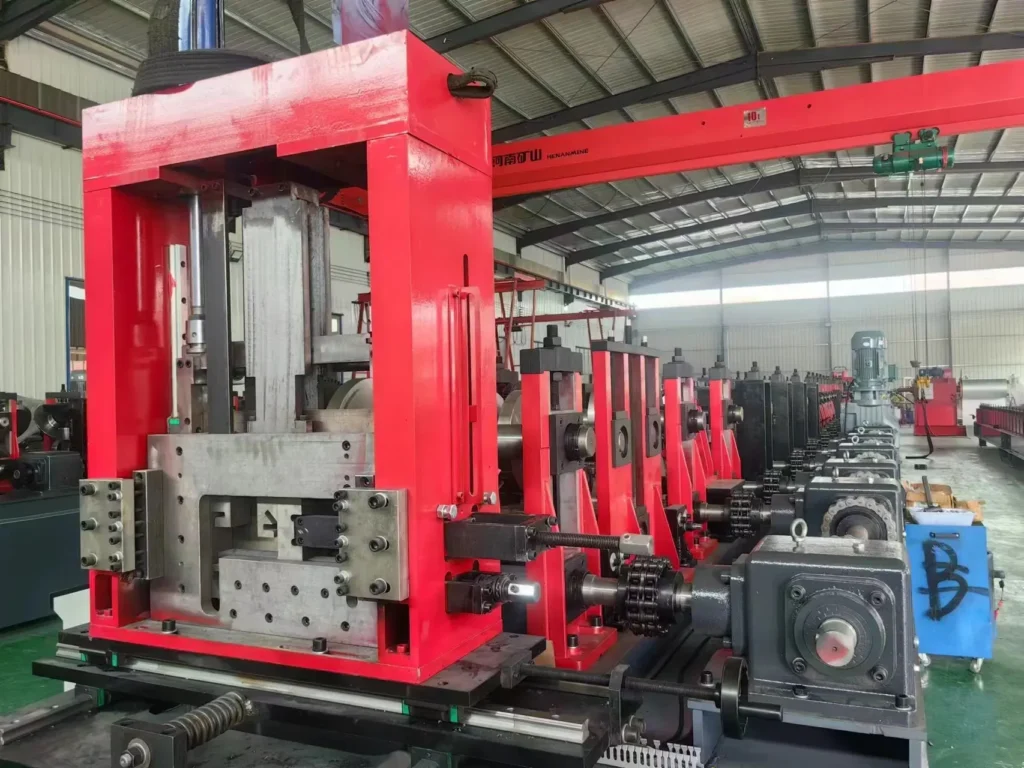 Roll Forming Machine
Send Your Enquiry
Tell us the pipe outside-diameter range, the wall thickness and the output you need. An engineer reads every enquiry — it does not land in a general sales inbox.