 Scan on WeChat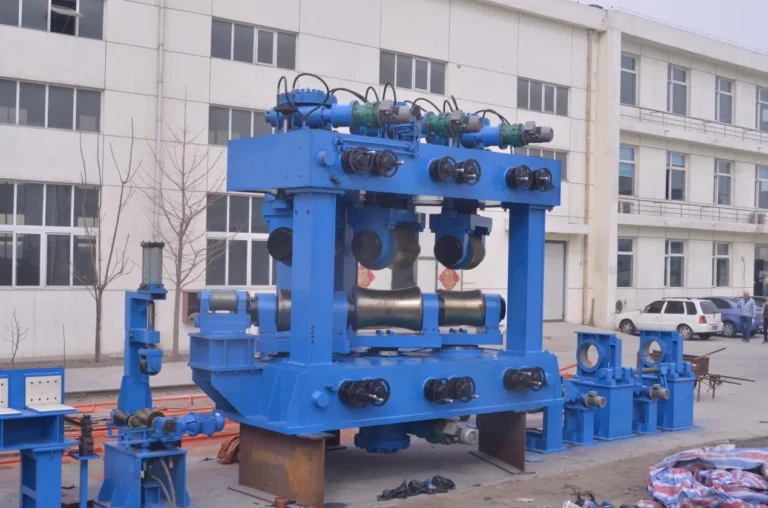
API Line Pipe Mill
In This Line
Quick Contact
Hebei TengtianYuanle@tentubemill.com
+86-311-83025332
WhatsApp +852 5425 3155
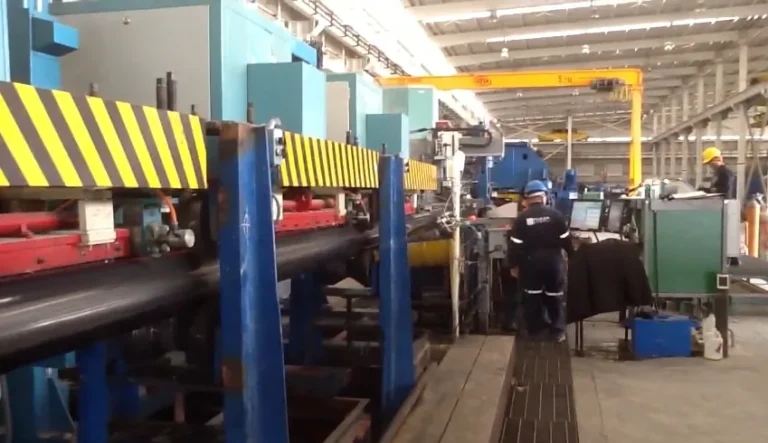
An API line pipe mill is a high-frequency welded tube mill extended with a post-weld
and inspection train: medium-frequency annealing, straightening, end facing, hydrostatic testing,
ultrasonic and eddy-current inspection. It covers outside diameter 114 to 508 mm with wall 6 to 24
mm by step.
What Is API Line Pipe Mill
An API line pipe mill is a welded pipe line built to satisfy API 5L: the forming and welding train is extended with post-weld heat treatment and a full inspection chain, and the line covers 114 to 508 mm outside diameter with 6 to 24 mm wall.
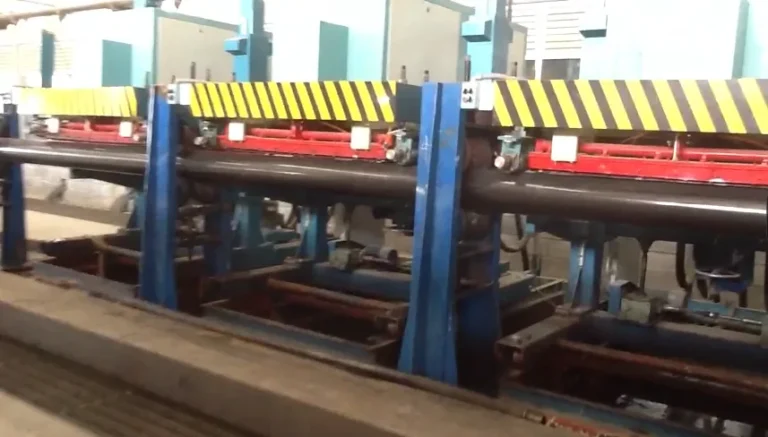
 The API Pipe Mill Inspection ChainSee the line →
The difference from an ordinary welded pipe line is a single increment rather than a
different machine: post-weld heat treatment plus a full non-destructive testing set, added because
line pipe buyers have weld-property and compliance-inspection requirements that structural pipe
buyers do not.
That is also what tells the two kinds of line apart. The split is by whether the line carries
in-line NDT and post-processing at all — an ordinary welded line without NDT on one side, an API
line with annealing, hydrostatic test, ultrasonic and eddy current and end machining on the other —
and that split is the key compliance classification.
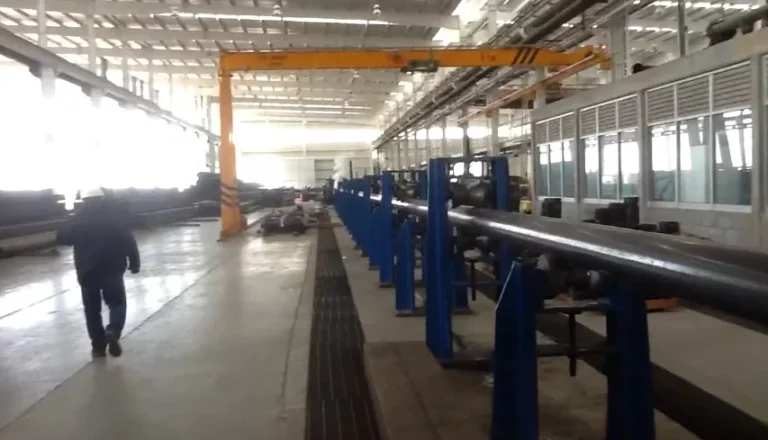
API Line Pipe Mill — Range, Configuration and Output
Size window. Outside diameter 114 to 508 mm, wall 6 to 24 mm, by step.
Models in the family. API 219, API 406, API 426, API 508.
The inspection chain, in order. Medium-frequency annealing, straightening, end facing,
hydrostatic testing, ultrasonic inspection, eddy-current inspection. This chain is the
decisive stage for API 5L compliance and delivery.
Why NDT is core rather than optional. The in-line NDT and hydrostatic
units are core equipment: they constitute the API 5L compliance inspection chain and are the threshold for a
line pipe order. Missing or unstable inspection leads to undetected weld defects,
inability to deliver compliant line pipe, and rejection or claims.
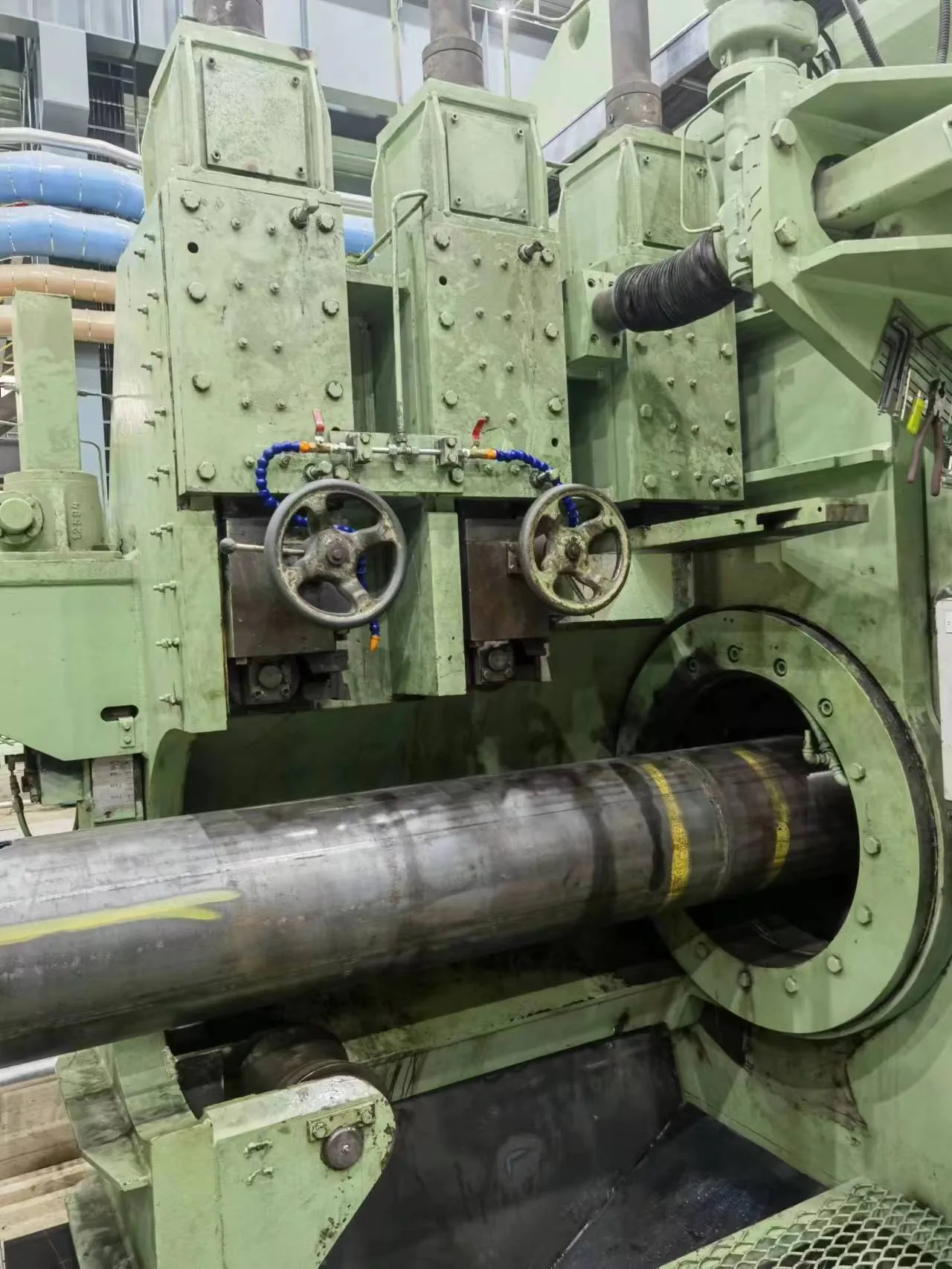
What each stage is for. Annealing is applied to the weld zone by medium-frequency heating,
addressing weld-zone hardness and insufficient toughness. Hydrostatic, ultrasonic and eddy-current
testing together address missed detection, false calls and lack of
traceability.
Key Parameters: Size Range, Wall Thickness, Line Speed and Welder Power Band
| Section | Value |
|---|---|
| API line size designation | API 219 / 406 / 426 / 508 |
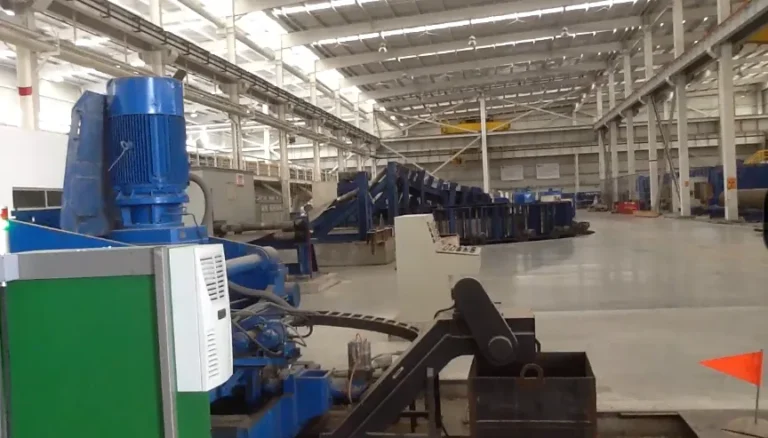
Why Annealing Sits at the Front of the Chain
Of the six post-weld stations, annealing is the one that changes the metal rather than measuring
it. Medium-frequency heating is applied to the weld
zone and the pipe is then allowed to cool naturally, improving the metallographic structure and
toughness of the weld and its heat-affected zone.
The controlled variables are annealing
temperature and heating power, and the consequence of getting them wrong is weld
mechanical properties that do not meet the standard.
That is why the chain runs in this order. Straightening and end facing follow annealing
because they act on a pipe whose weld properties have already been set. Hydrostatic, ultrasonic and
eddy-current testing come last because their job is to confirm the result, not to produce
it.
The failure chain runs like this:
unstable annealing or flaw-detection parameters lead to insufficient weld performance and missed
defects, which lead to non-compliance and claims.
North American Buyers and the ASTM Question
For North American buyers, ASTM specifications are the usual reference alongside API 5L. ASTM is recommended rather than mandatory: without it, buyer confidence is lower, but it is not an outright barrier.
Traceability is the thread running through both standards questions. Traceable
inspection is one of the three things the NDT and hydrostatic units are there to deliver, and when those units are
unstable, the result is missed calls, false calls and lost traceability.
One commercial fact completes the picture for a standards-gated purchase: payment is
flexible, with a thirty per cent deposit against seventy per cent before shipment, third-party
escrow and staged payment available.
What the Line Guarantees and What It Does Not
The failure mode is that unstable annealing or
inspection produces non-compliant pipe and missed defects, and the finished product being judged is
the customer’s API 5L line pipe, not the machine.
On the equipment side: the API line provides the complete inspection chain — annealing,
hydrostatic, ultrasonic, eddy current — for compliant and traceable line pipe. On the customer
side: incoming material and operation.
A general version of the same split applies across all lines: levelling and incoming inspection
capability is provided, but strip grade and flatness remain the buyer’s
responsibility.
Equipment
readiness for a standard and a plant’s certification against that standard are two different
things. We build and configure the equipment; certification is earned by the pipe plant under its own quality system.
The responsibility split is more clearly defined for this family than for most, and it matters, because this is where line pipe projects go wrong.
Entering a Standards-Gated Market
As a switching trigger: entering a new standards market such as API 5L or GOST requires compliant
equipment, and that requirement is the reason buyers change supplier
entirely.
As a purchase trigger: developing a new product type — square tube, API line pipe or H-beam —
requires a dedicated line rather than a reconfiguration of an existing one, with standards
compliance named as the selection criterion.
The concern behind both is a real risk rather than a perception problem: orders are
gated on the standard, and our answer is the API 5L inspection chain on one side and
GOST R 58966-2020 H-beam capability with multi-grade steel coverage on the
other.
So the triggers for buying this line come from two directions.
How to Choose the Right Model
Start from what the pipe must prove. The application is line pipe production to API 5L
for oil and gas transmission, where weld performance and compliance inspection — hydrostatic,
ultrasonic, eddy current — are a precondition for the order rather than a quality
preference.
Then check who signs off. The users are the line pipe plant’s process, quality and NDT
personnel; the beneficiaries are oil and gas pipeline EPC contractors and energy
infrastructure owners. The acceptance questions are whether the API 5L inspection chain is
satisfied, whether annealing and flaw detection are stable, and whether results are
traceable.
Then check size against the window. Outside diameter 114 to 508 mm and wall 6 to 24 mm by step
is the boundary; a requirement outside it is a different family, not a
configuration.
Then check the operating burden. In-line inspection and acceptance require
professional NDT training or qualification, with flaw-detection parameters, calibration and
acceptance criteria as the controlled variables and missed or false calls as the failure
mode.
The typical buyers are large energy and infrastructure groups that buy
against technical standards and delivery dates and expect long-term
service.
Here the question is not really which mill; it is whether the inspection chain matches the order.
Scope of Supply, Installation and Commissioning
Delivery is 50 to 90 days with plant-level customisation
from our own manufacturing base. Heavy and large-diameter lines ship partly bare: large frames braced and fixed
to frames or pallets with lifting points provided, which lowers packing cost but requires
professional lifting and rust protection on arrival. Precision and wear items still travel crated
with moisture protection, and a spare-parts pack ships with the
container.
Consumables for this family are the NDT couplant and calibration blocks, replenished according to
inspection volume; we can advise on procurement or supply
them.
Api pipe mill manufacturer
For this family specifically, the API line runs the full
API 5L inspection chain. When buyers ask
whether the equipment can meet a technical standard such as API 5L or GOST, we point to that chain, with
the H-beam line’s GOST R 58966-2020 capability as the parallel
case.
Alongside it sit the general manufacturer facts: in-house CNC machining, our own manufacturing base
open to inspection visits, twenty research and development engineers averaging twenty years of
experience, and a single contact responding round-the-clock.
Api 5l pipe mill with ndt
The NDT set is what defines this line. In-line: hydrostatic testing,
ultrasonic inspection and eddy-current inspection, applied to the weld and pipe body and judged
against the standard as pass or reject.
Controlled variables: flaw-detection parameters,
calibration, and the acceptance criteria themselves. Failure mode: missed detection, false calls,
and non-compliant product leaving the plant.
The responsibility split is worth repeating because it is where disputes
start. On the equipment side: annealing plus hydrostatic, ultrasonic and eddy-current inspection as
a complete chain, traceable. On the customer side: incoming material and
operation.
Installation and commissioning are included, with engineers dispatched on site and round-the-clock
online support afterwards.
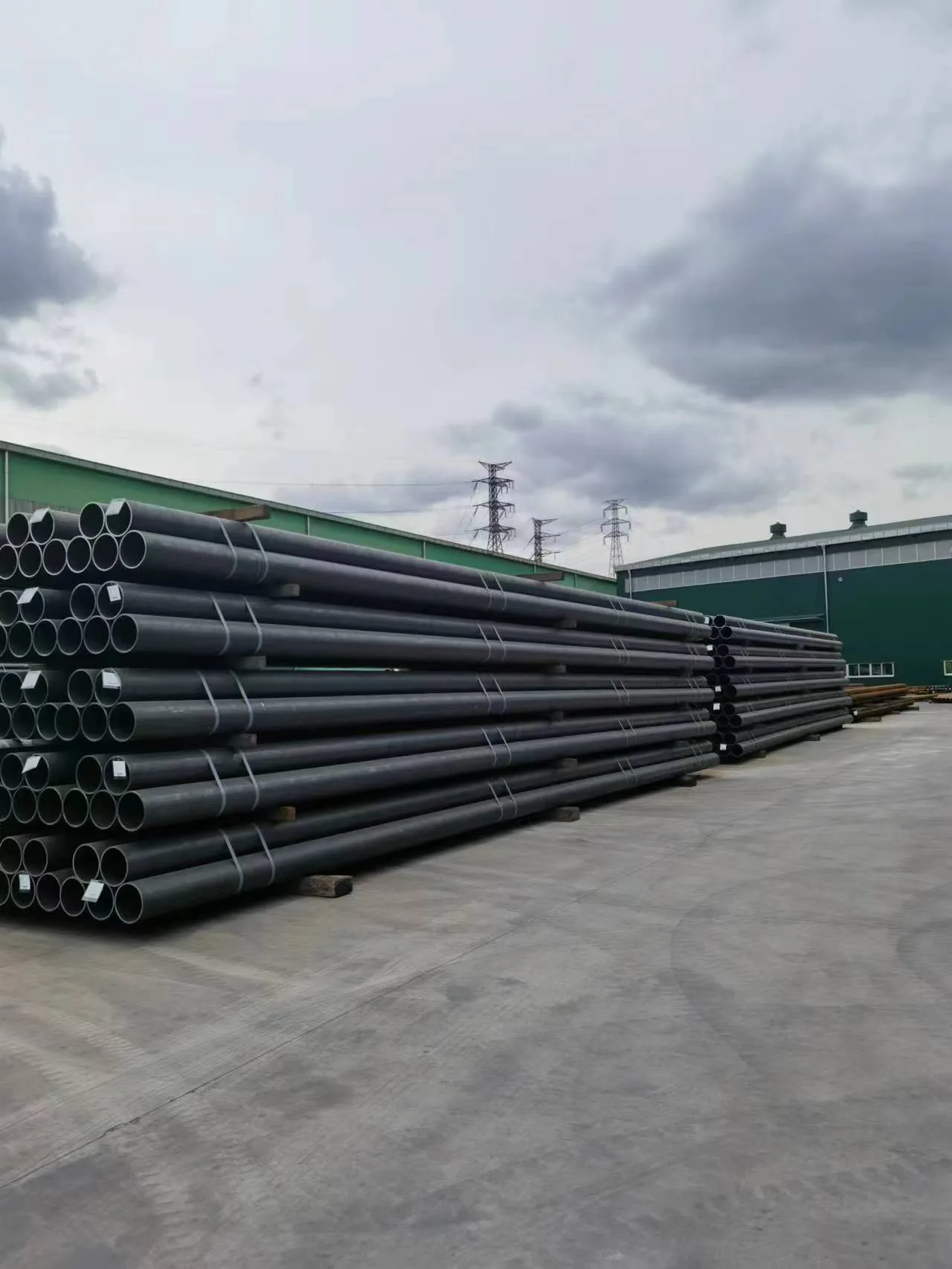
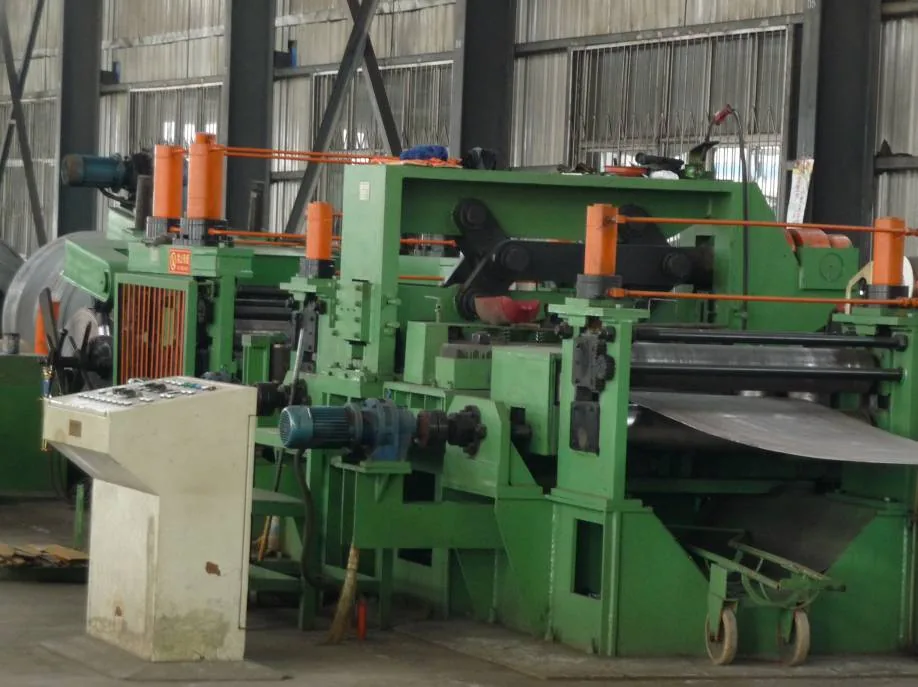
Line Photos from the Works
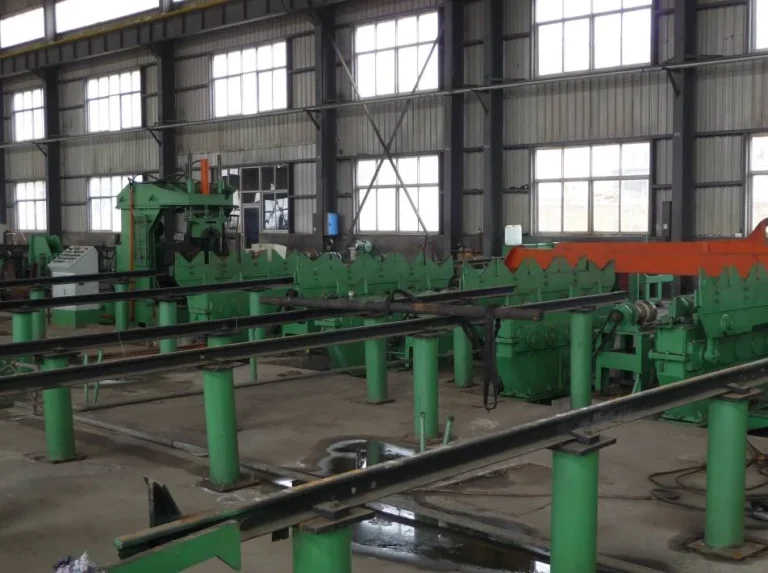
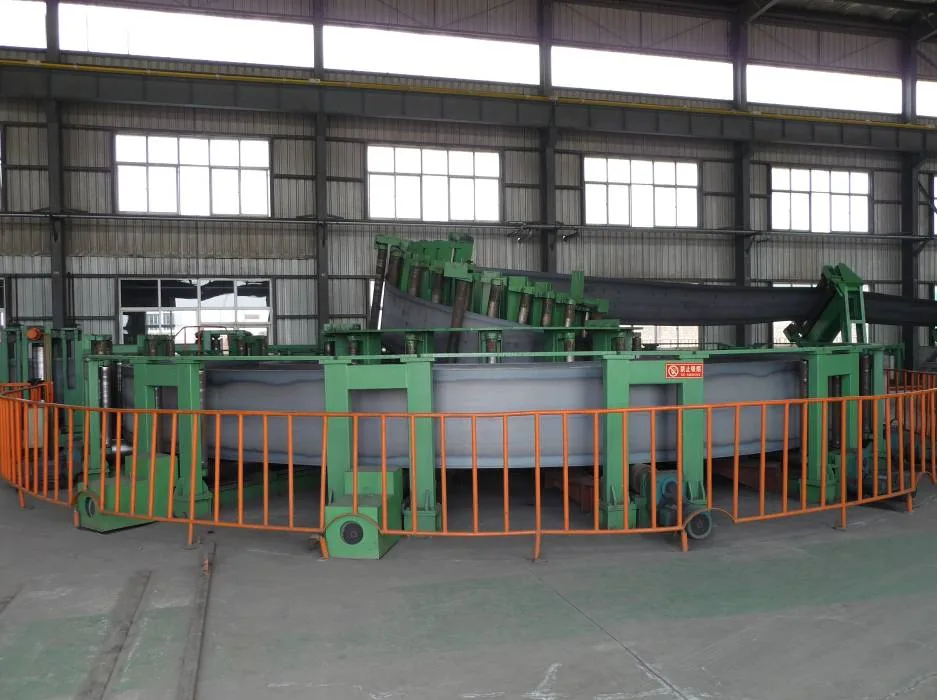
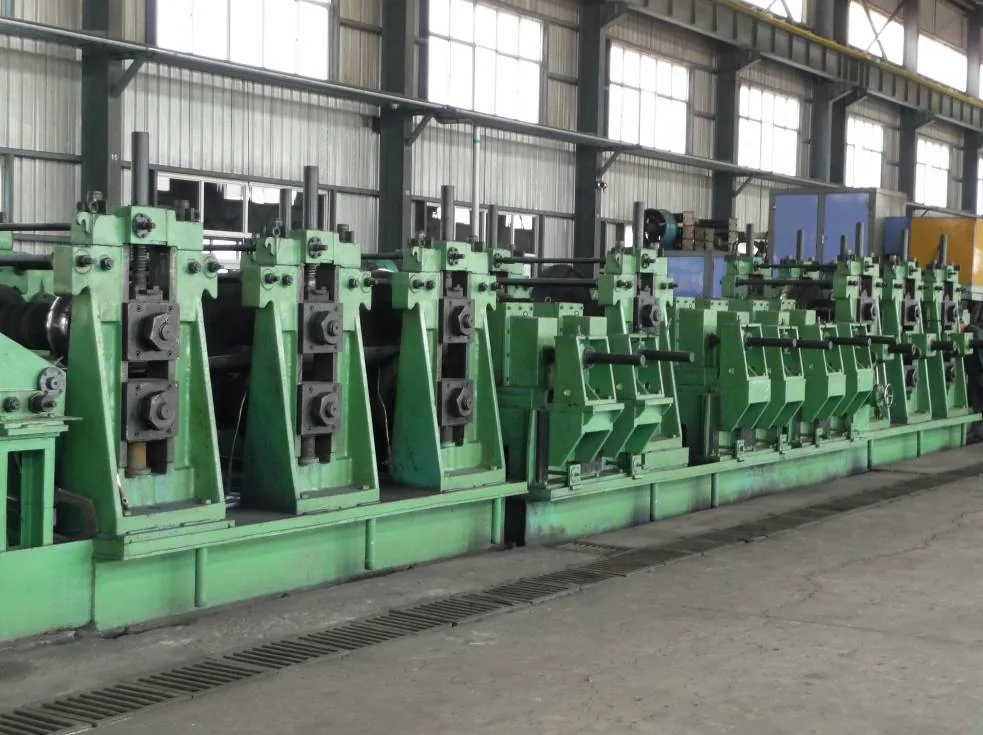
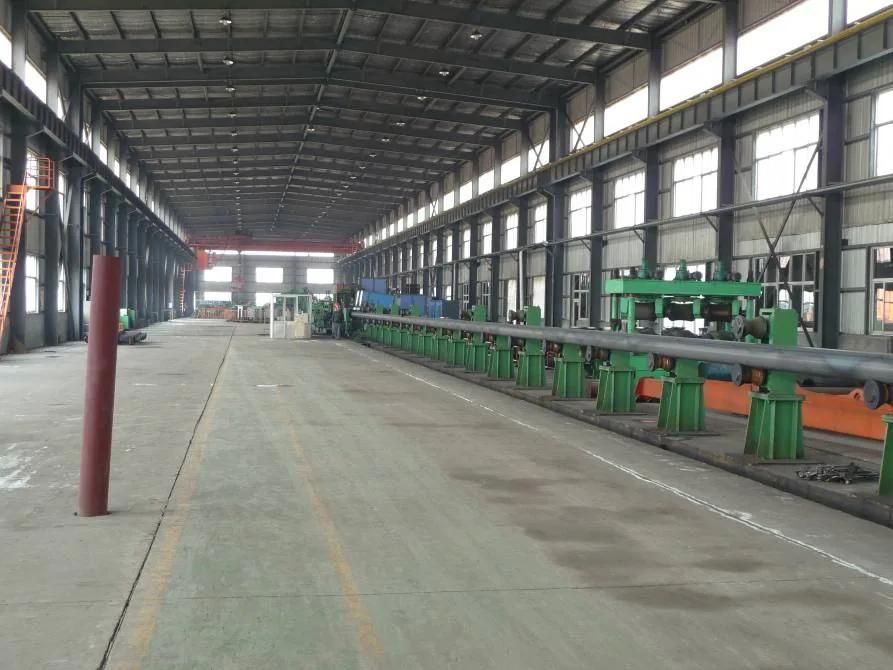
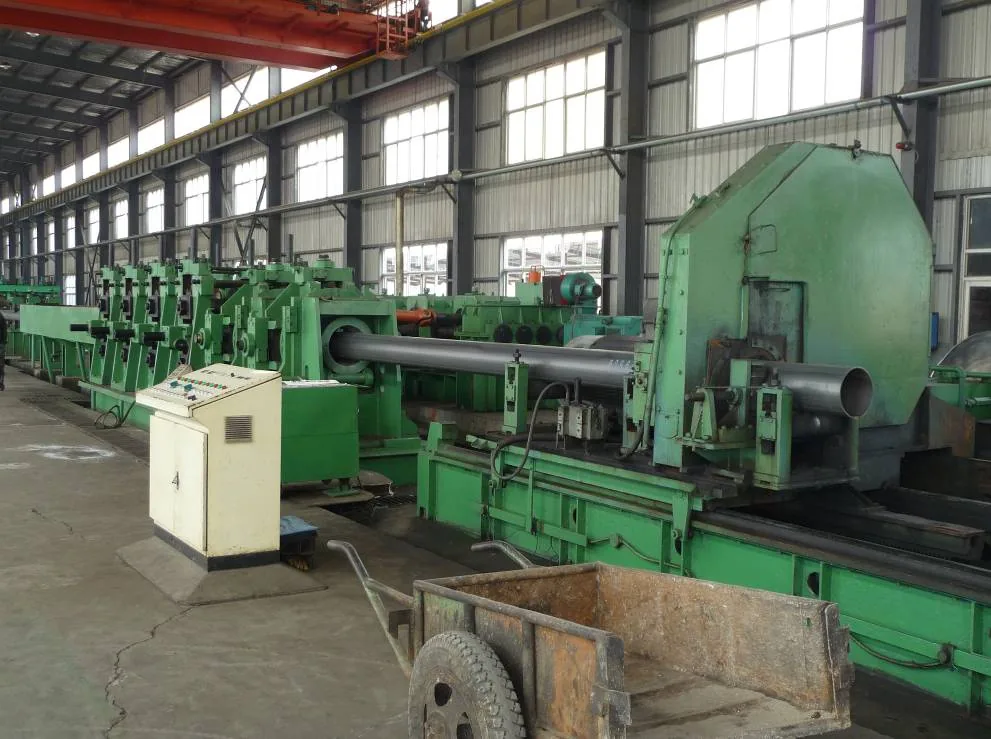
Nine photographs of this line, taken in our own workshop. Click any photo for the full-size image.
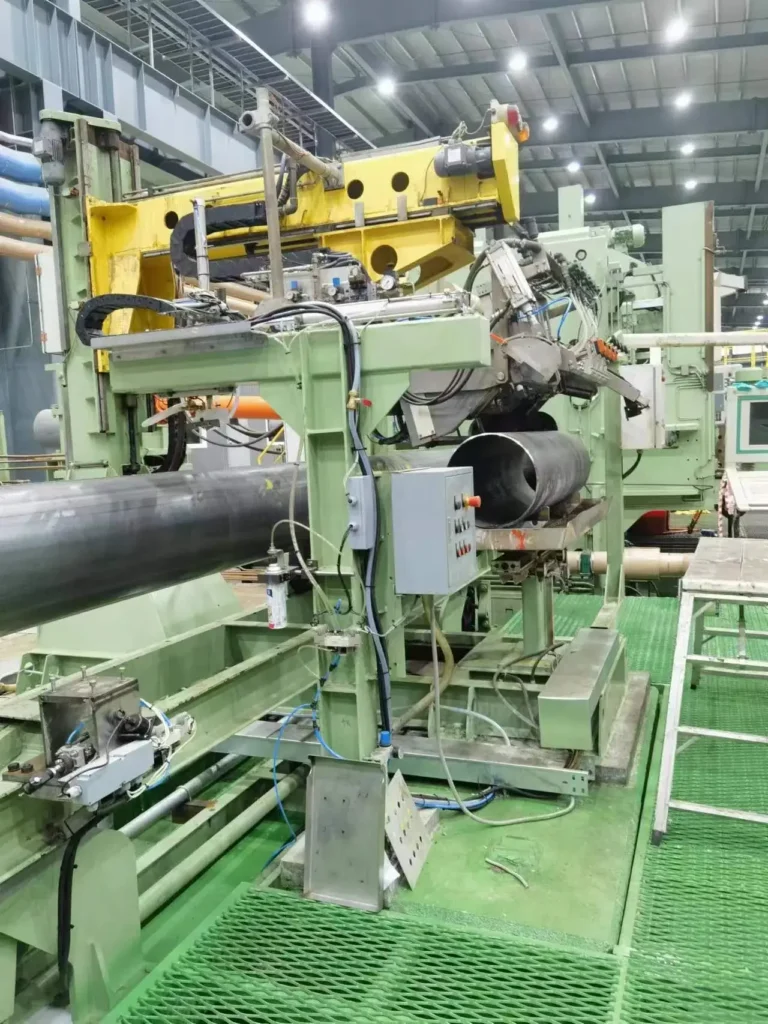
More from this line
More on this line — how the inspection chain is configured to API SPEC 5L.
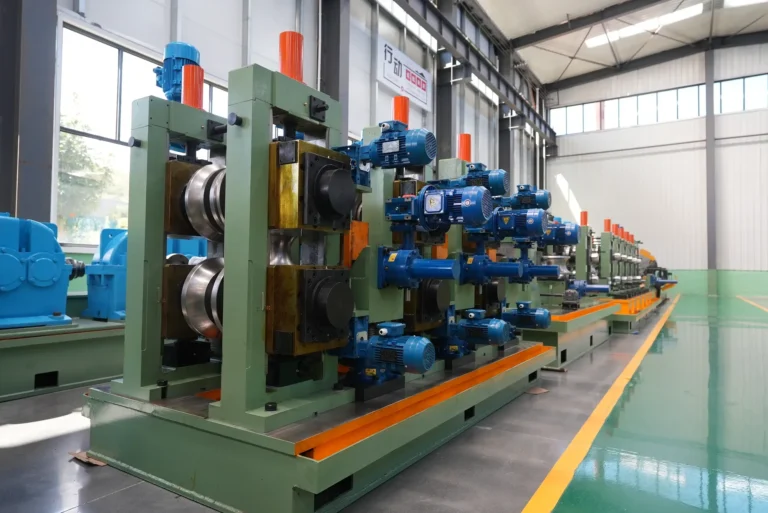 Tube Mill Rolls and Spares
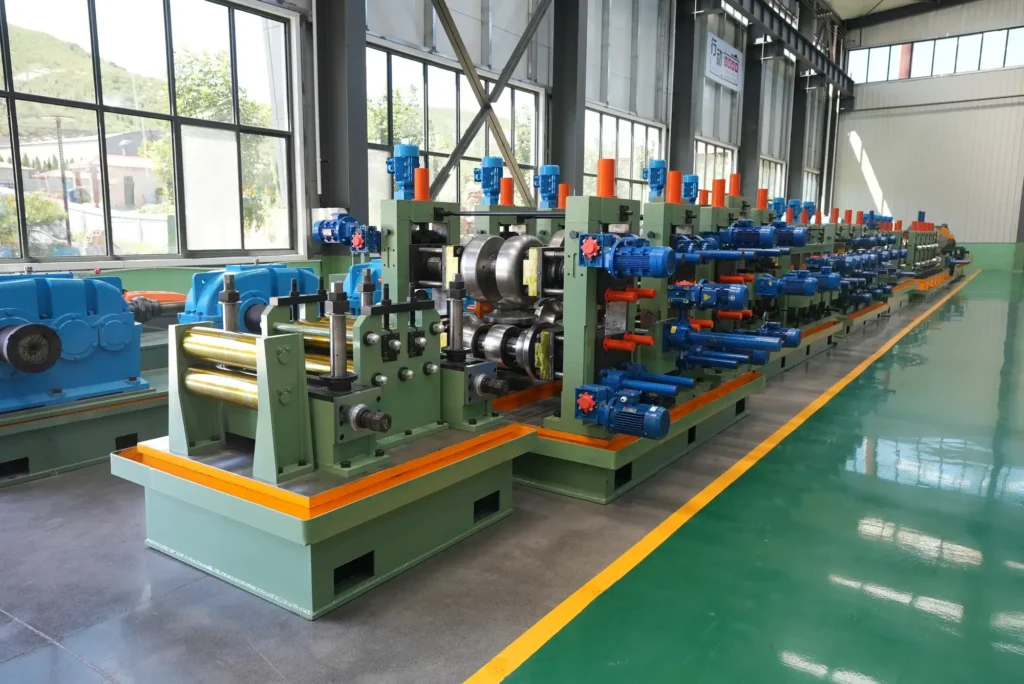 Tube Mill Manufacturer
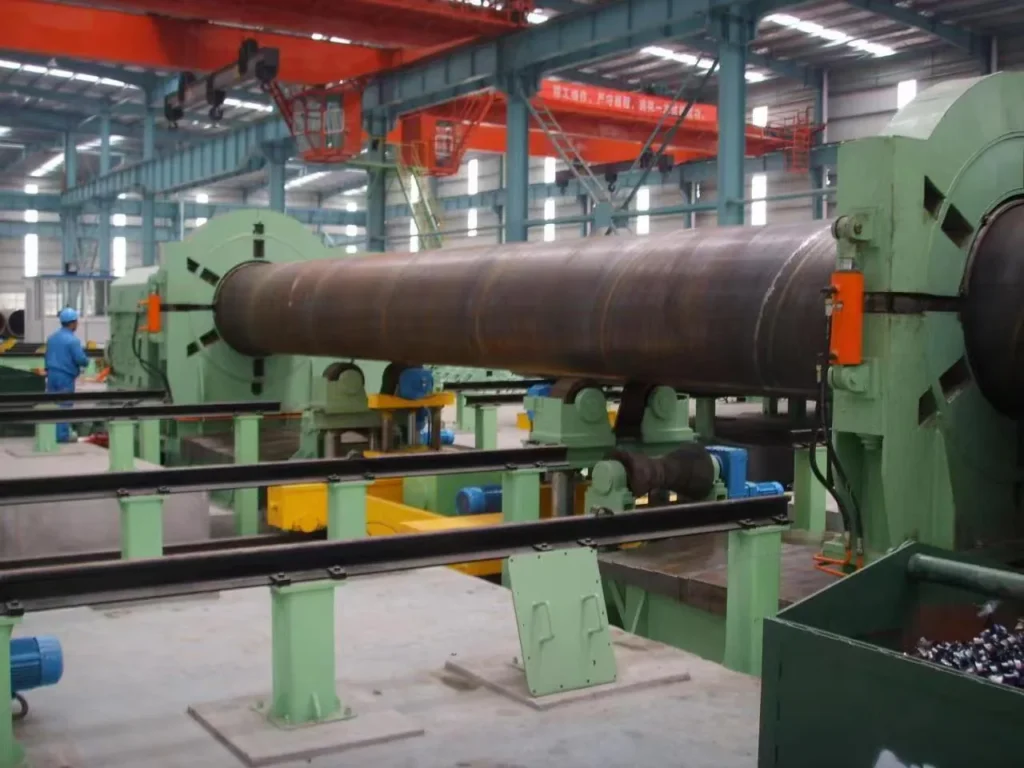 SSAW Spiral Welded Pipe Mill
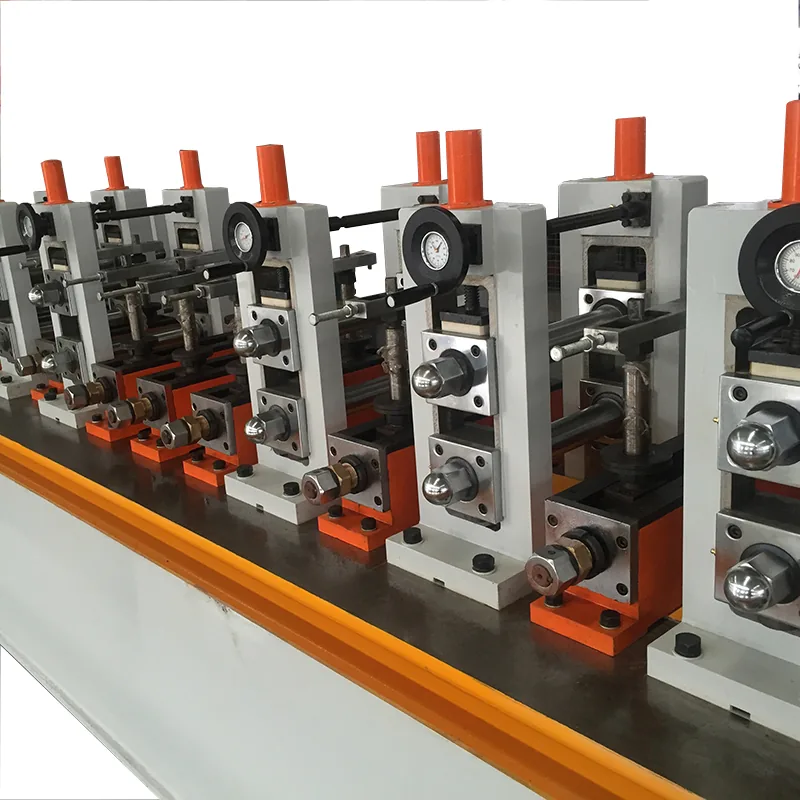 Small Diameter Tube Mill
Send Your Enquiry
Tell us the pipe outside-diameter range, the wall thickness and the output you need. An engineer reads every enquiry — it does not land in a general sales inbox.