
 Scan on WeChat
Tube Mill Rolls and Spares
Rolls and spare parts are what keep a tube mill running after the commissioning engineers have gone home.
In This Line
Quick Contact
Hebei TengtianYuanle@tentubemill.com
+86-311-83025332
WhatsApp +852 5425 3155
Tengtian machines forming and sizing rolls in-house on its own CNC equipment and supplies the wear parts and consumables for every line it builds: saw blades, induction coils and impedors on high-frequency mills; wire, flux, torch tips and milling inserts on spiral submerged arc lines; knives and spacers on slitting lines.
This range covers the wear items, consumables and replacement parts across every line we build — high-frequency welded tube mills, spiral submerged arc lines, slitting lines and the API inspection train — and it is deliberately organised by which line a part belongs to, because the part lists are not interchangeable.
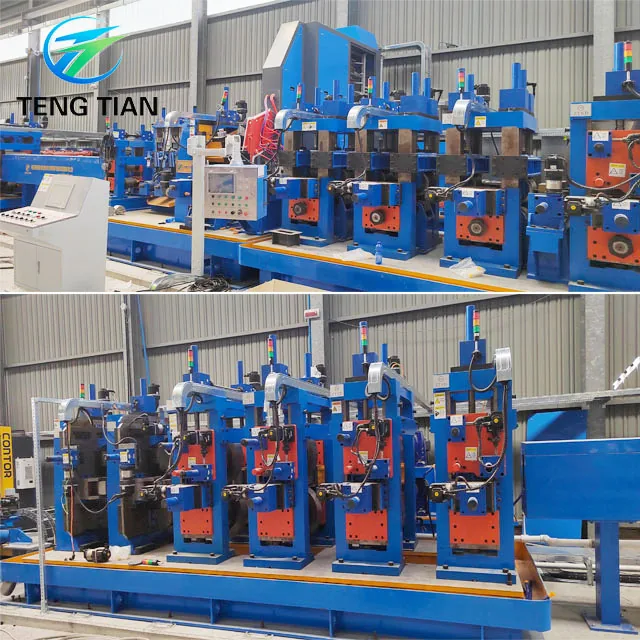 What Wears and What Gets ReplacedDifferent welded-pipe lines wear out different parts.See the line →
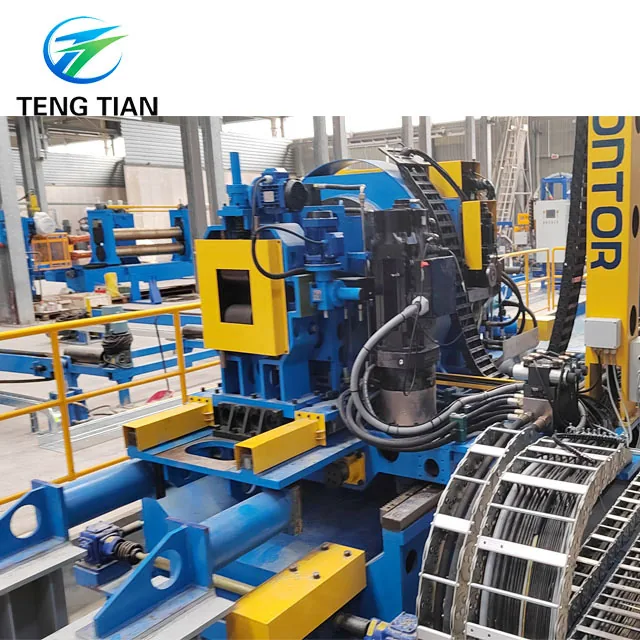 Roll Forming RollersRolls are where a tube mill’s accuracy is either created or lost.See the line →
What Is Tube Mill Rolls & Spare Parts
Consumables are the second group. On a high-frequency line these are the saw blades and cutting tools that cut the finished pipe to length, the induction coil and impeder that concentrate the welding current at the seam, and the process media — cooling water or emulsion for post-weld cooling and forming lubrication, plus hydraulic oil and grease for the power pack and bearings.
The third group is line-specific tooling that only exists on one family of machine: slitting knives with their spacers and rubber sleeves on a slitting line, plasma torch tips and electrodes on a spiral line’s flying cutter, milling inserts for the edge miller, and NDT couplant and calibration blocks on an API inspection train.
Buyers often ask whether a Chinese supplier can keep spares flowing after delivery. The answer depends on the part: some we machine ourselves, and others we source or specify for local purchase.
A tube mill wears in three different ways at once, and the parts list follows that split rather than a single catalogue. Forming and sizing rolls are contact parts: they shape the strip, they wear by production volume, and they are replaced rather than consumed.

Tube Mill Rolls & Spare Parts — Range, Configuration and Output
Edge-milling inserts and the Ф500 cutter head are re-ground or replaced by milling volume. High-frequency welded tube mill. Five categories apply. Saw blades and cutting tools are consumed by cutting volume and normally ship with an initial batch. The induction coil and impeder are classed as fast-wearing consumables replaced by welding hours, and can be ordered as line spares.
Cooling water or emulsion and hydraulic oil or grease are process media: we give the specification, the buyer purchases locally. Forming and sizing rolls are wear-replacement spares, and a changeover roll set is supplied with the line.
Spiral submerged arc line. Eight categories apply, and they are a different list because the process is different. Submerged arc welding consumes filler wire and flux; the line ships with two wire spools and with flux drying, magnetic separation and recovery equipment, while the flux itself is bought locally to our specification.
Forming, pressure, pre-bending and levelling rolls are wear-replacement spares, in bearing steel hardened to HRC 56–60 for the pressure rolls and 42CrMo hardened to HRC 52–58 for the feeding, straightening, vertical and pre-bending rolls. Facing tools and twelve clamping dies serve the end-facing machine.
Ultrasonic probes and reference blocks — with Φ1.6 and Φ3.2 radial through holes, an N5 rectangular notch and a Φ6 flat-bottom hole — are the calibration set. The X-ray tube and its cooling parts are life-limited items replaced by cumulative exposure time.
Slitting line. Slitting knives, spacers, rubber sleeves and separator discs are the tooling that decides slit-width tolerance, burr and edge quality. The knife set is configured to strip thickness — roughly fifteen strips at 2 mm down to four strips at 8 mm — and holds width to ±0.2 mm with burr no more than 4% of thickness.
API inspection train. This is a consumable and calibration category — couplant and calibration blocks for the NDT stations — replenished according to inspection volume.
Plasma torch tips and electrodes are consumed by the flying cutter.

Key Parameters: Size Range, Wall Thickness, Line Speed and Welder Power Band
Wall thickness, line speed and shift output are confirmed against your pipe size, material grade and cut length at quotation. Send us those three and we will state the figures.
- Slit width tolerance held by the knife set: ±0.2 mm; burr ≤ 4% of strip thickness; knife configuration by strip thickness.
- Spiral pressure rolls: Φ130, bearing steel, quench hardened HRC 56–60; feeding, straightening and pre-bending rolls 42CrMo, HRC 52–58.
- Spiral edge-milling cutter head: Ф500 mm.
- Ultrasonic reference block features: Φ1.6 / Φ3.2 radial through holes, N5 notch, Φ6 flat-bottom hole.
- X-ray tube cooling: water, flow > 4 L/min, inlet temperature ≤ 35 °C.
- Spiral line spares supplied with the machine: two welding wire spools, twelve clamping dies for the facing machine.

Why Roll Consumption Differs So Much Between Lines
A direct-forming square line changes size through a combined mould and a servo adjustment instead, and the consequence is a roll saving of more than 90% together with longer tooling life. There is one exception: making 100 × 100 mm tube needs the upper roll on the final open stand changed.
That is why the spares conversation cannot be separated from the line-selection conversation.
The operating step matters too: setting a new size means adjusting roll gap and servo parameters and re-centring, on a conventional line with a roll change and on a direct-forming line without one, and the failure mode if it is done badly is profile drift and scrap pipe during trials.
Two lines with the same output can have completely different roll bills, and here is why. A conventional tube mill changes size by changing rolls, so every size in the production plan is a roll set that has to be bought, stored, fitted and eventually re-machined.

What In-House Roll Machining Actually Changes
We have a specific reason for machining rolls ourselves rather than buying them in. Outsourced tooling puts lead time, cost and consistency in someone else’s hands, and the mitigation is in-house CNC capability that reduces the dependency on bought-in parts.
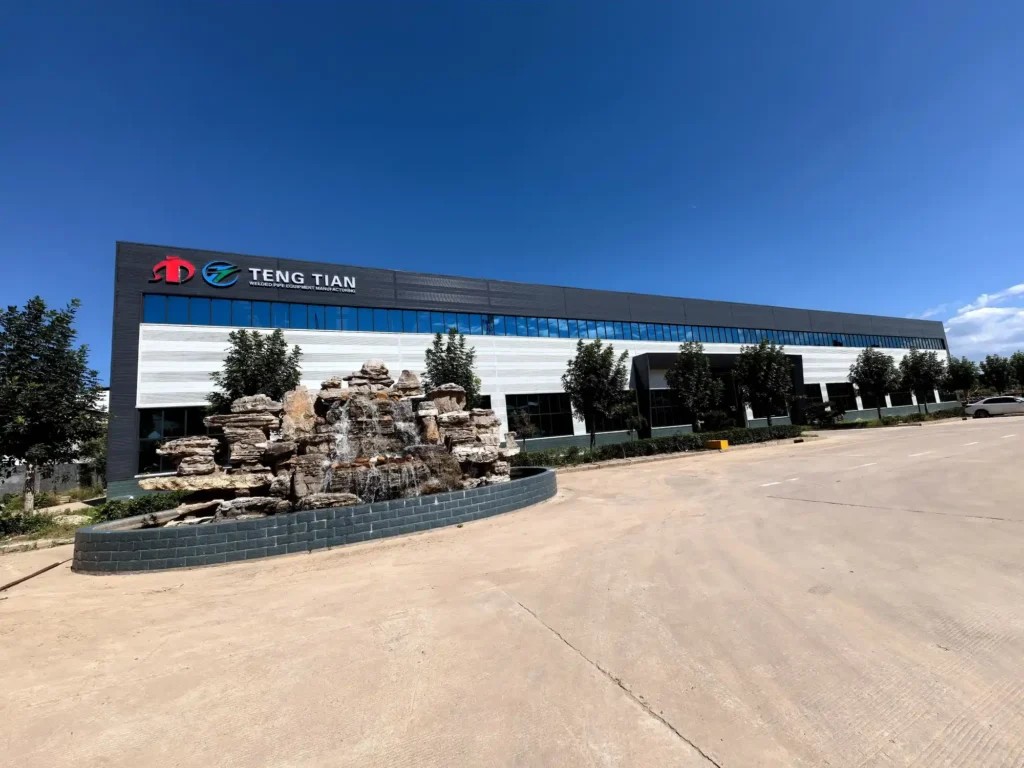
Two further facts sit behind that. The manufacturing base is our own and can be visited, and the engineering team is twenty research and development engineers averaging twenty years of experience. Neither of those is a claim about roll life; both are claims about who makes the part.
The service side is separate from the manufacturing side: a single point of contact responding round-the-clock, round-the-clock online support, engineers dispatched to site, and spares shipped direct rather than routed back through the original project channel.
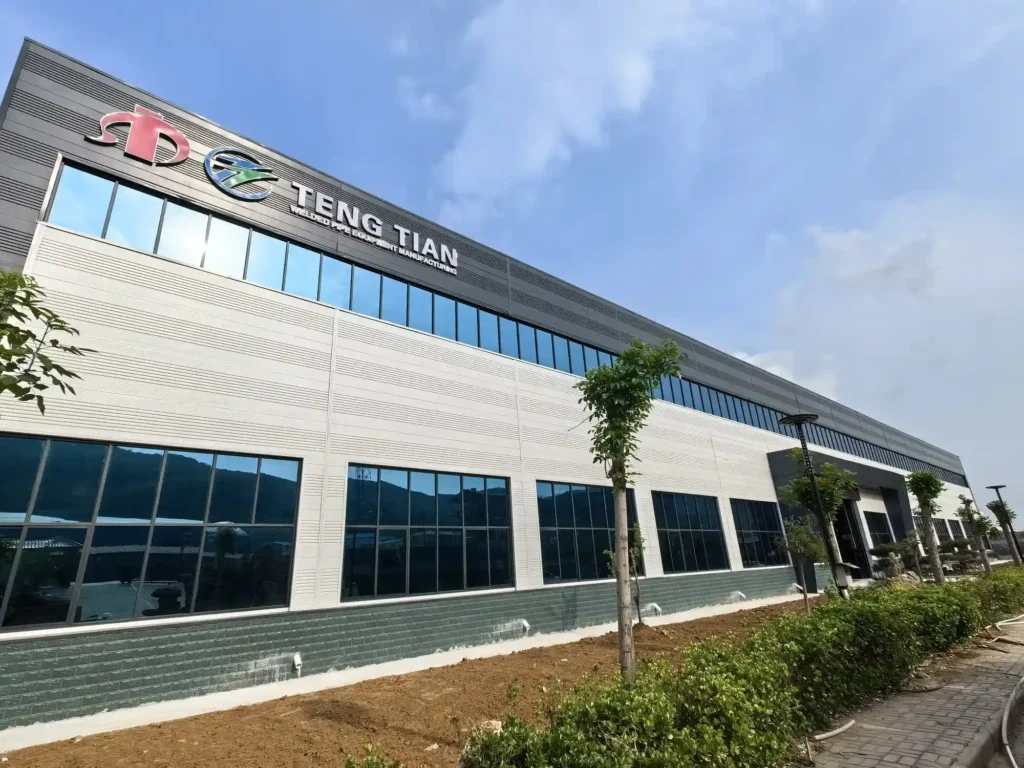
Field Evidence and Its Limits
The sizes span from small round tube at 76 × 3 mm up to square section at 250 × 250 mm and 200 × 200 × 12 mm. Our lines are running in more than a dozen countries — mostly on construction tube, and also on fire-extinguisher tube, furniture tube and other sections.
These deliveries show where our lines are installed.
How to Choose the Right Model
Choosing spares comes down to three questions.
Which line is it for? The part lists above do not overlap. Filler wire belongs to the submerged arc process; a high-frequency line has no filler wire at all, because the seam is made by high-frequency induction welding of the strip edges themselves. Asking for “welding wire for a pipe mill” therefore has two different answers depending on which mill is meant.
How long will it last? Service life depends on material, throughput and operating practice, so it is best assessed against your own production conditions.
Is it a wear part or a consumable? Rolls, cutter heads, probes and X-ray tubes are replaced on condition and are worth stocking as a set. Blades, torch tips, wire, flux, couplant, oil and emulsion are consumed continuously and are better handled as a standing order sized to throughput.
Scope of Supply, Installation and Commissioning
The consumable list for an HFW line contains no wire entry of any kind. Two things about supply matter more than a catalogue.
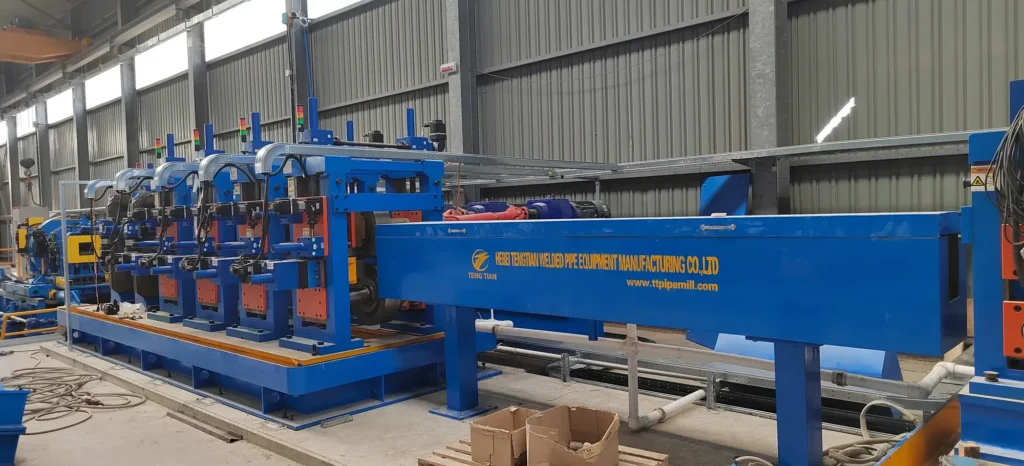
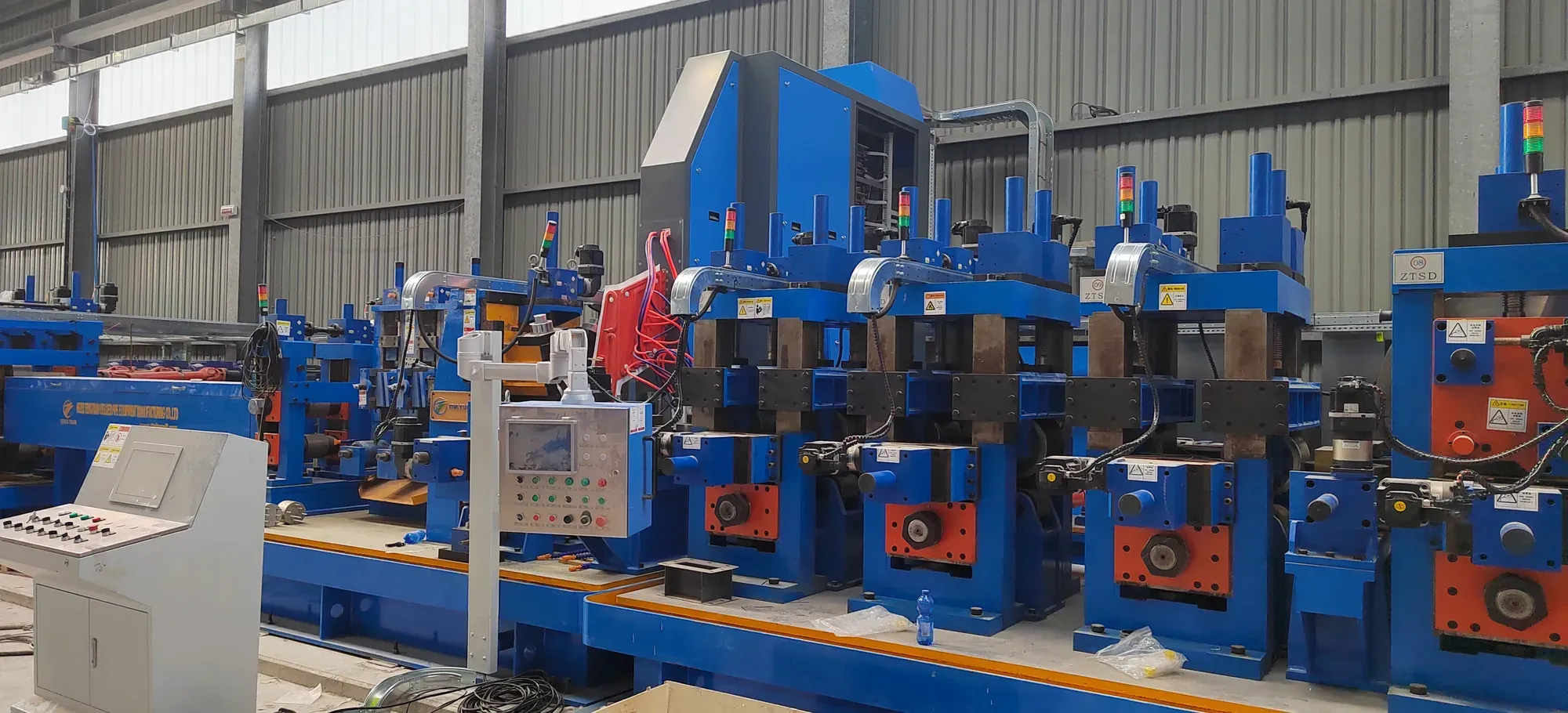
Rolls are machined in-house on our own CNC equipment. That matters in two ways: it is a manufacturing capability, and it answers the after-sales question. It is also the reason roll supply is not dependent on an outside tool shop for lead time or consistency.
Continuous supply of spares and rolls is a repeat-purchase driver, and poor spare-parts support from a previous supplier is a switching trigger.
Tube mill spare parts supplier
What you can hold us to as a spare-parts supplier: rolls machined on our own CNC, engineers dispatched on site, and a spare-parts route that runs direct rather than through the original project channel.
Welding wire for pipe mill
High-frequency welded tube mills use no filler wire. The seam is formed by high-frequency induction heating and forge pressure on the strip edges, so the consumable that plays the equivalent role is the induction coil and impeder, not wire.
Precision and wear items travel in wooden cases. Electrical cabinets, induction coils and impeders, forming rolls and cutting tools are crated with moisture protection, the main frames are braced, and a spare-parts pack ships with the container.
More from this line
More on this line — specifications, model steps and photographs.
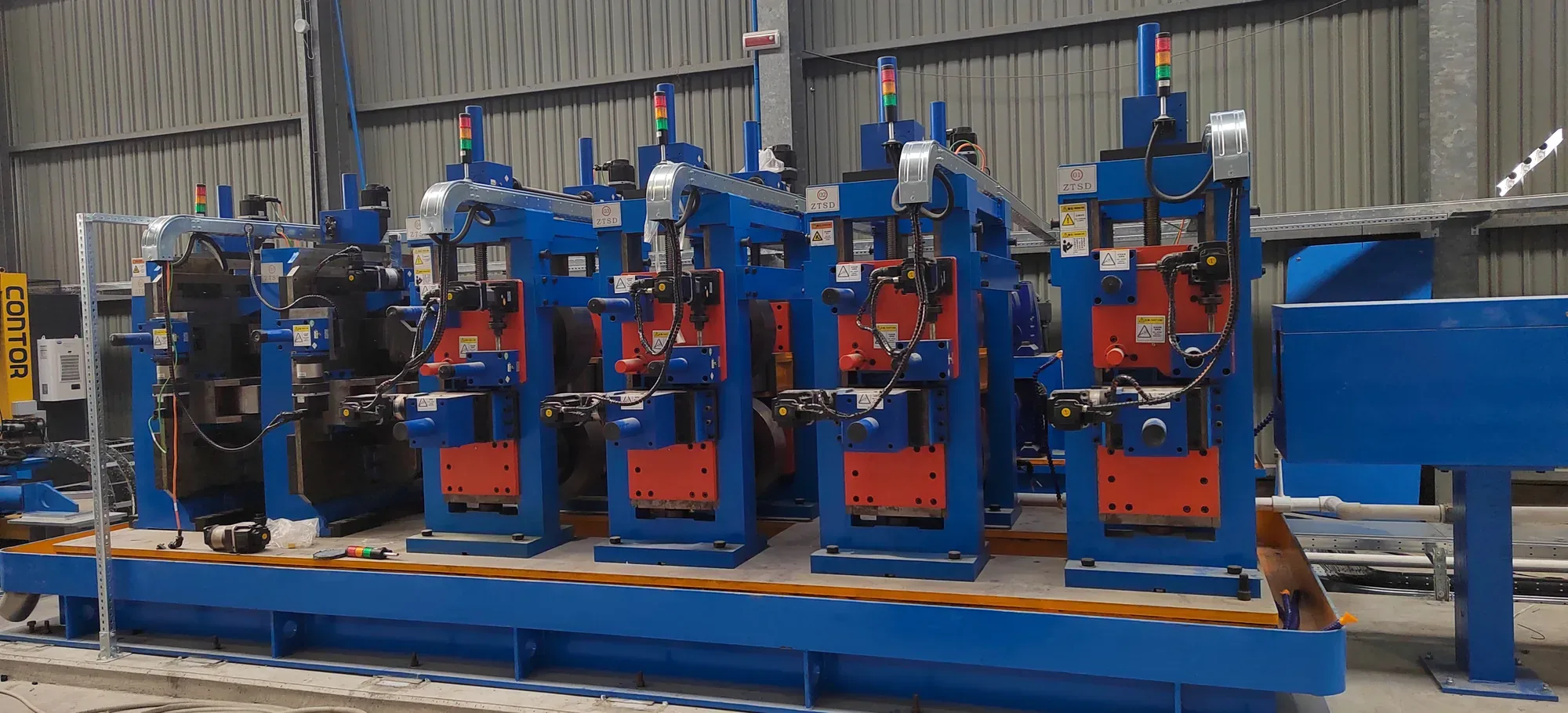
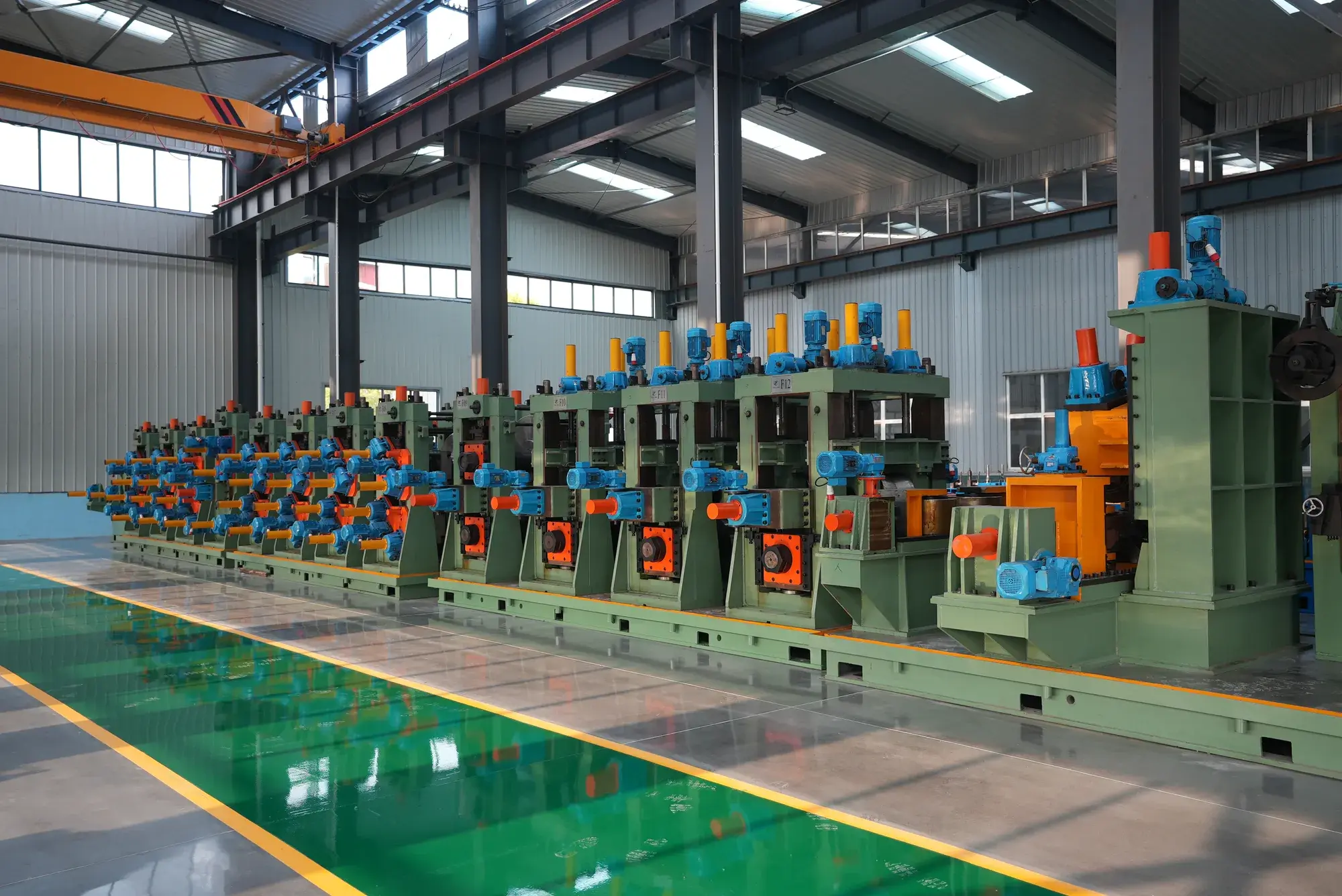
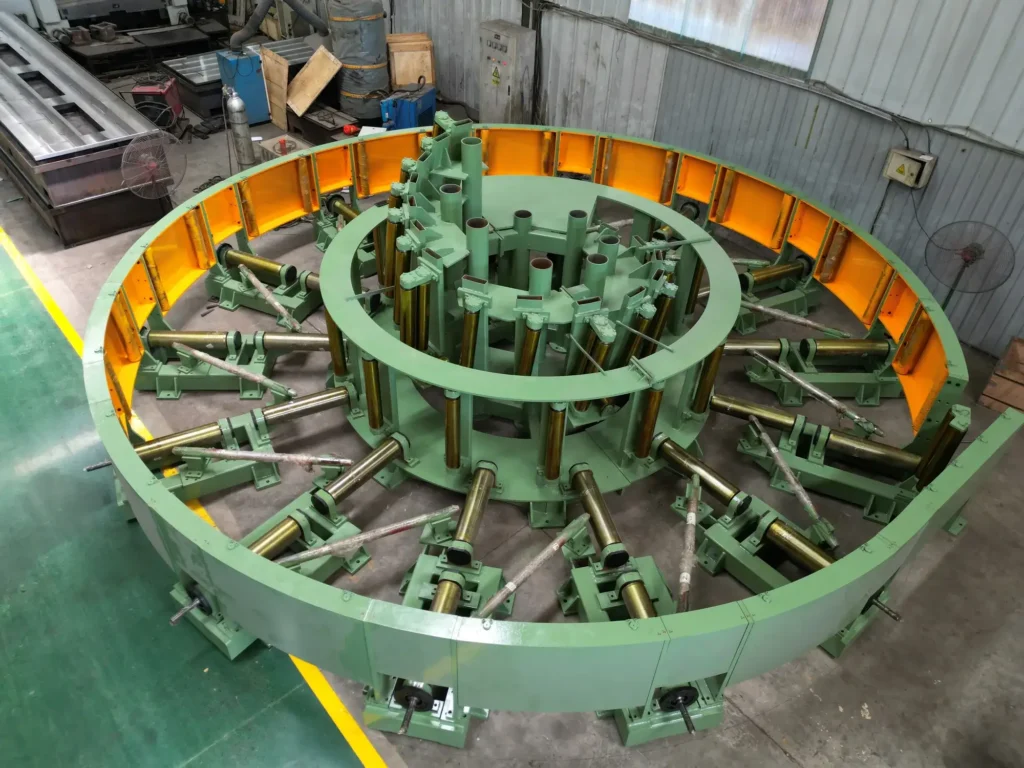
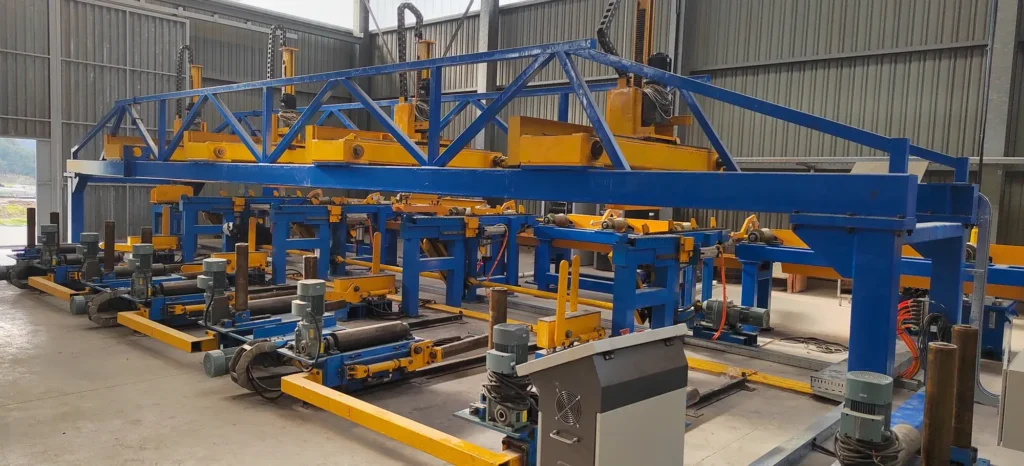
From the Workshop
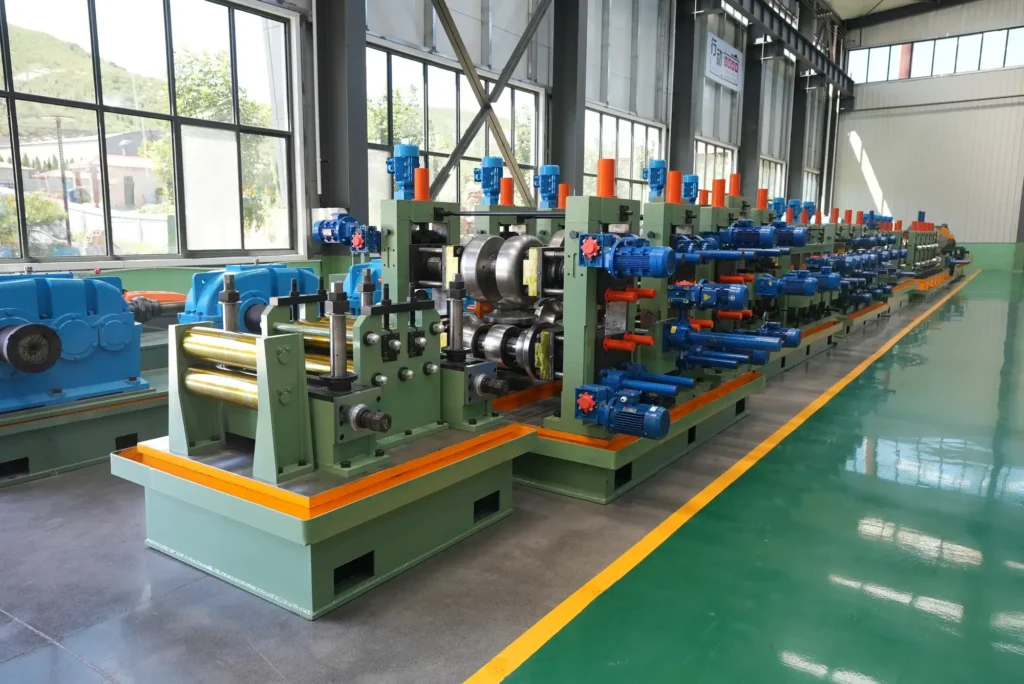 Tube Mill Manufacturer
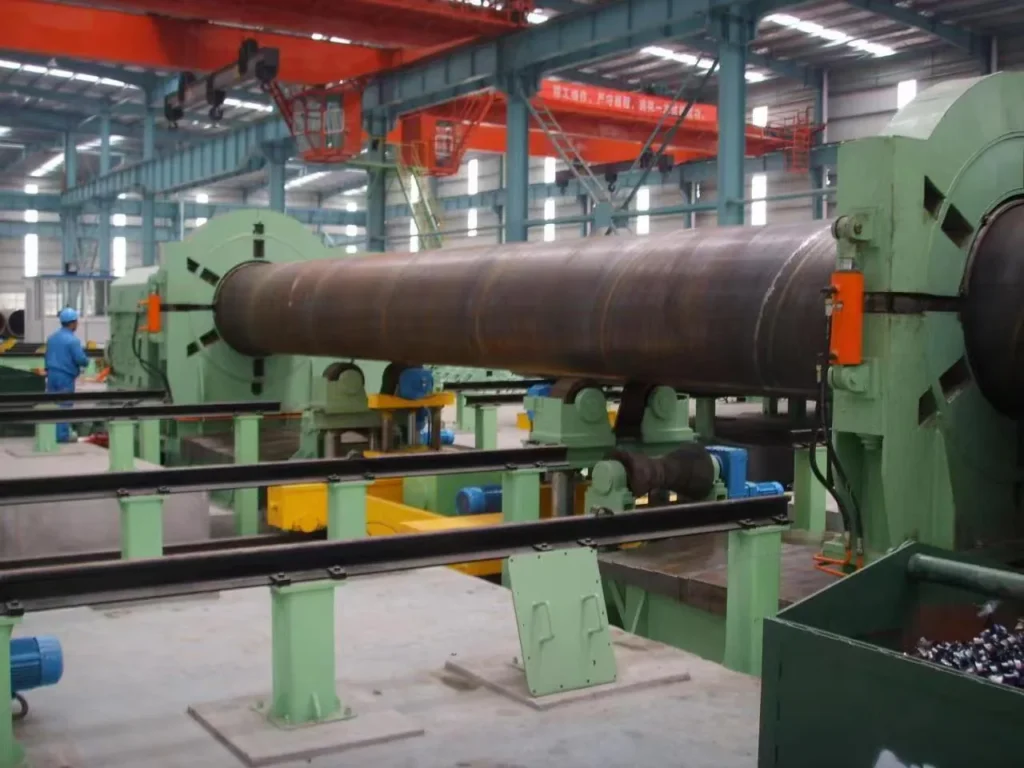 SSAW Spiral Welded Pipe Mill
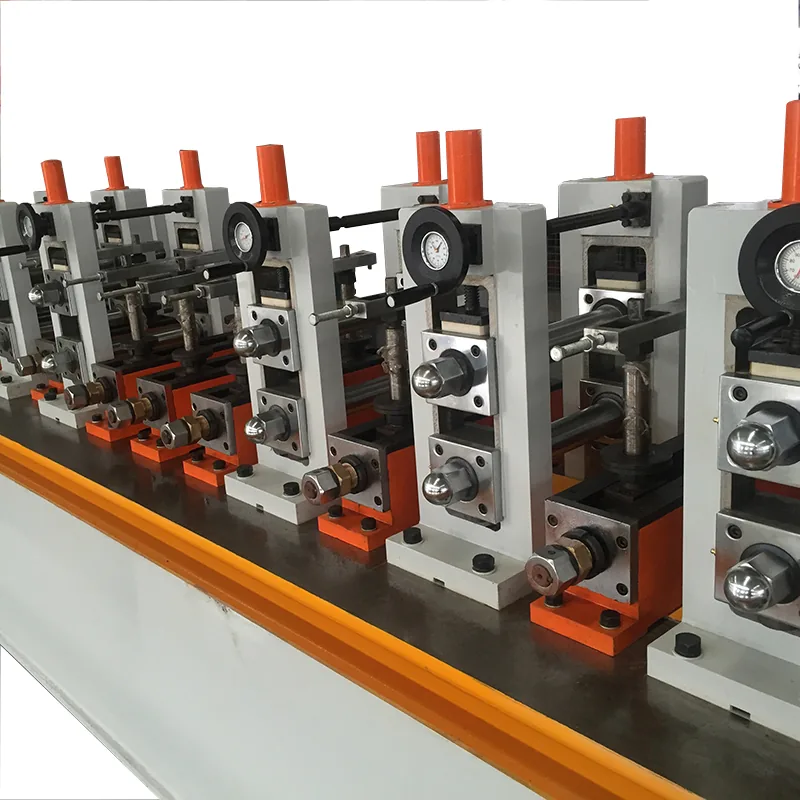 Small Diameter Tube Mill
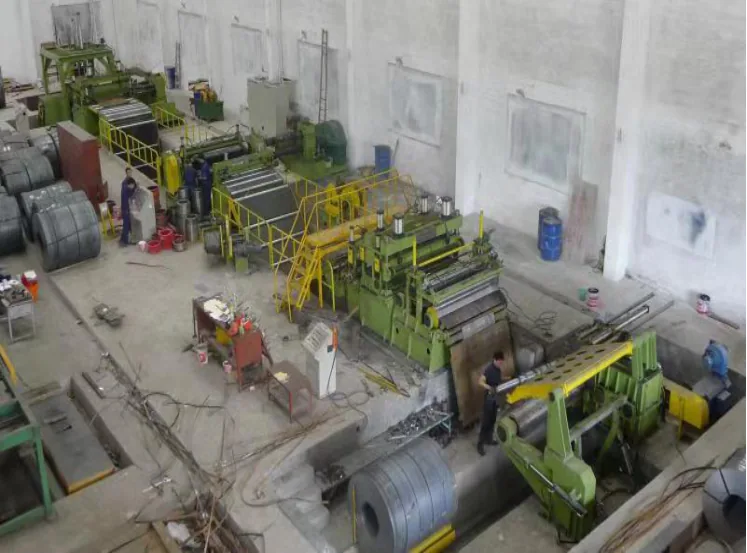 Steel Coil Slitting Line
Send Your Enquiry
Tell us the pipe outside-diameter range, the wall thickness and the output you need. An engineer reads every enquiry — it does not land in a general sales inbox.