
 Scan on WeChat
Home › Tube Mill Rolls and Spares › Roll Forming Rollers
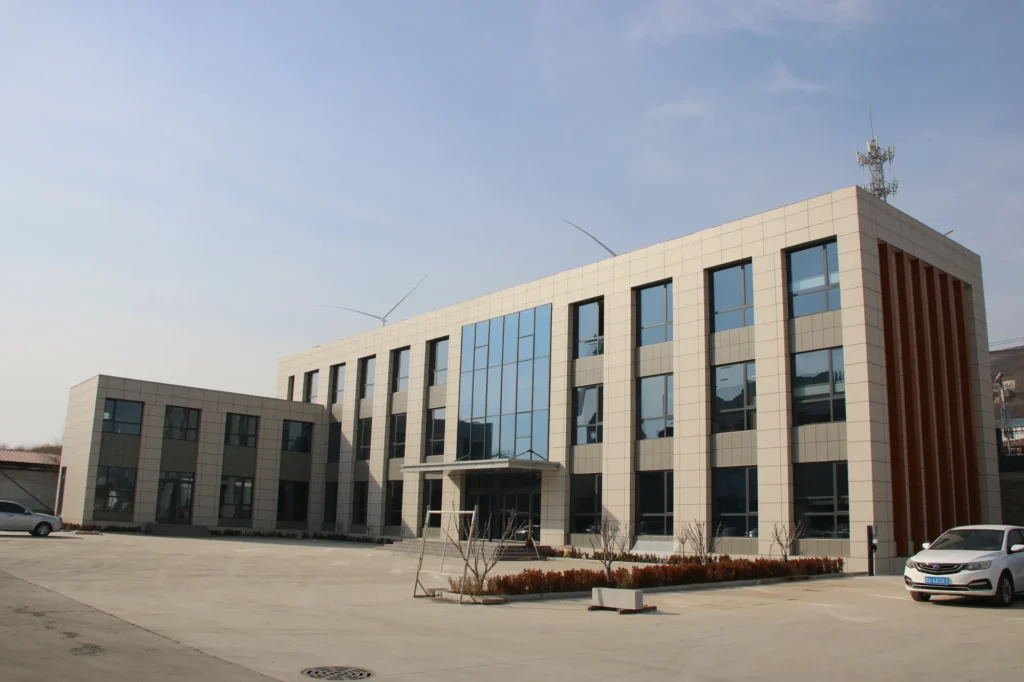
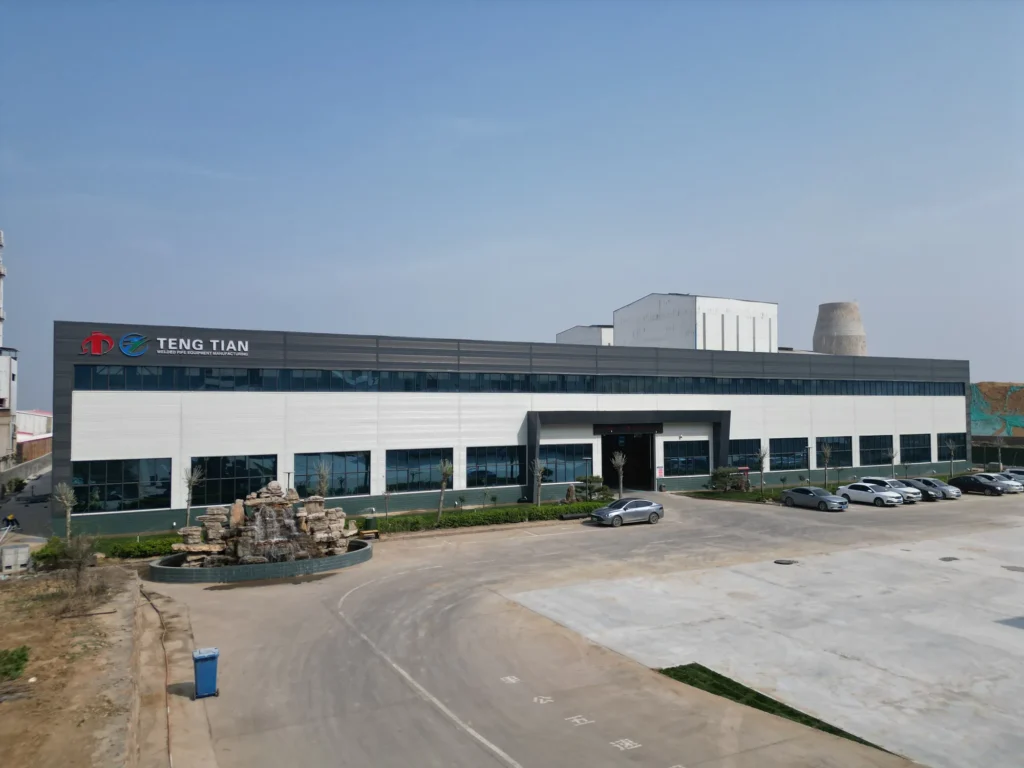
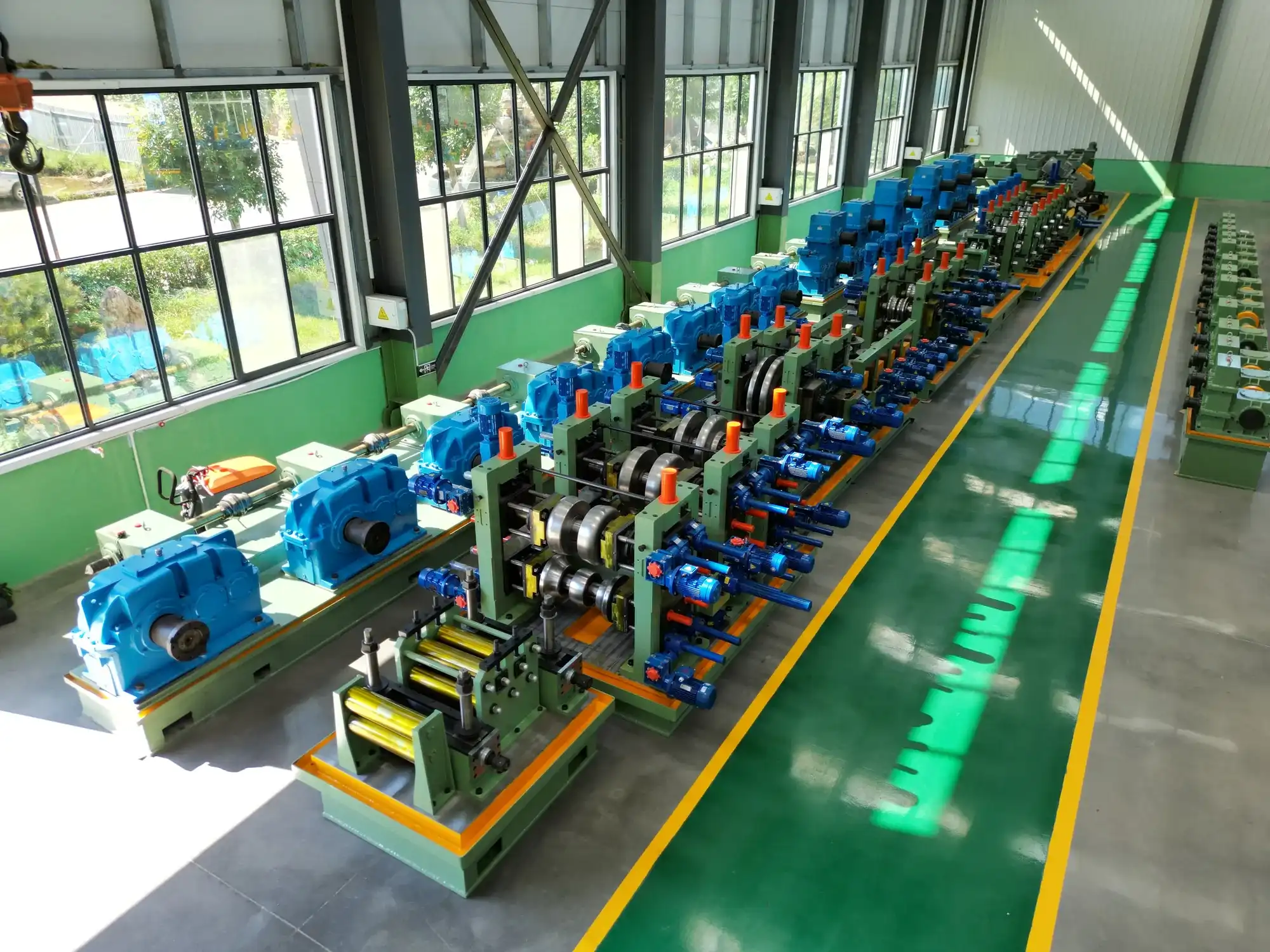
Forming and sizing rolls are machined in house on Tengtian’s own CNC equipment.
Quick Contact
Hebei TengtianYuanle@tentubemill.com
+86-311-83025332
WhatsApp +852 5425 3155
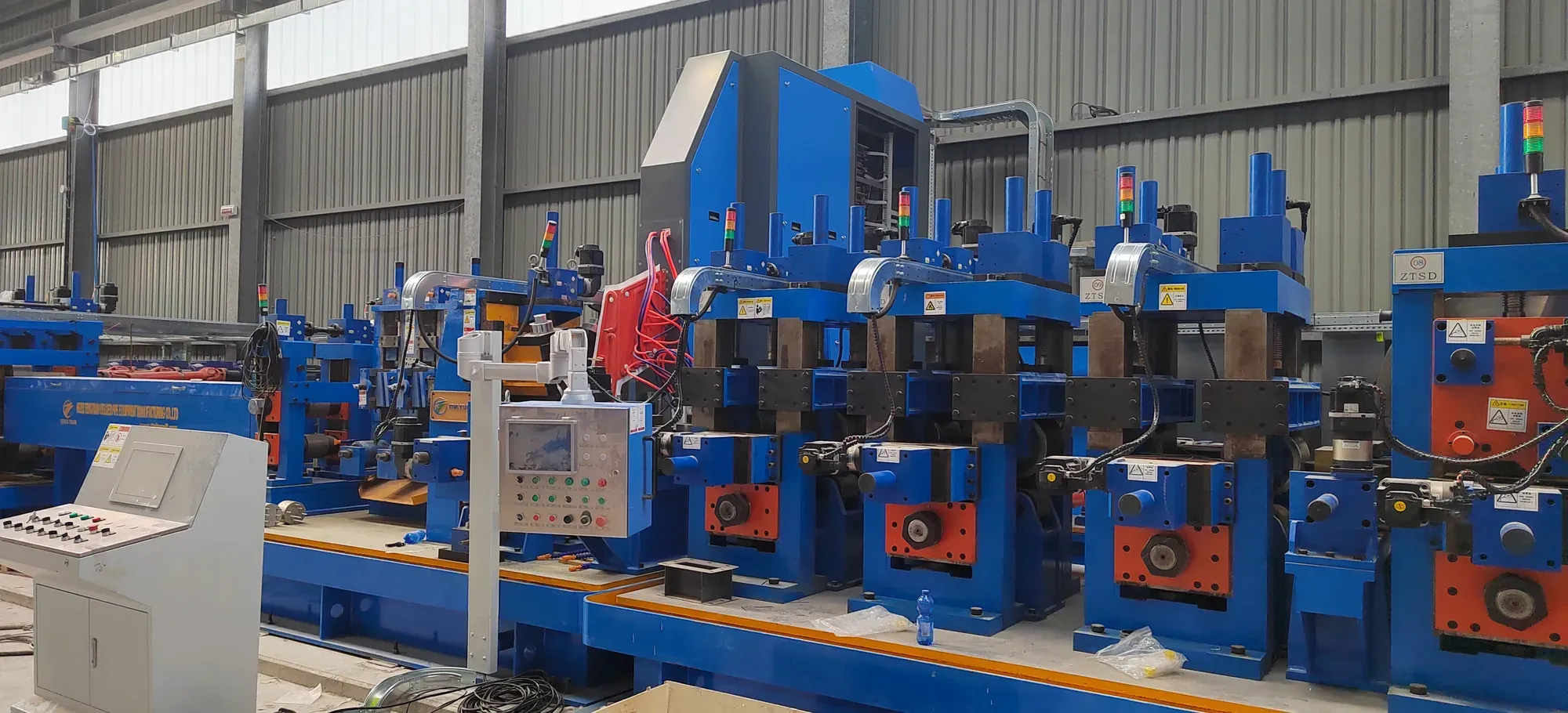
Roll material and heat treatment are what governs shape stability, and the roll and stand designs are covered by granted utility-model patents held in the company’s own name.
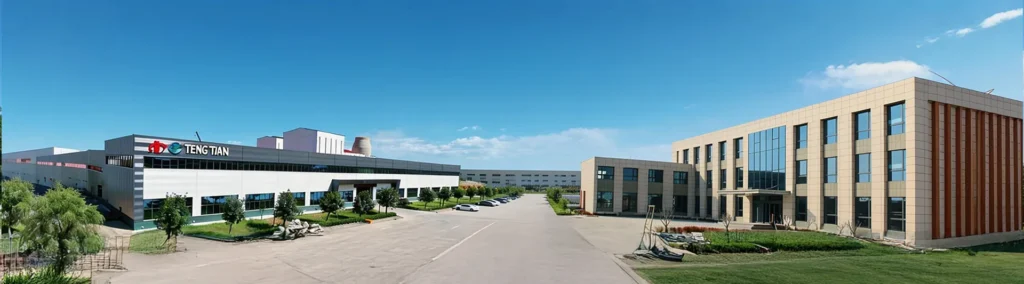
Why We Cut Our Own Rolls
- Forming and sizing rolls are machined in house on our own CNC equipment.
- Rolls are the first determining component of pipe quality.
- Roll material and heat treatment govern shape stability.
- The direct-forming combined-roll design uses point contact to reduce roll wear.
- Roll and stand designs are covered by granted utility-model patents with published numbers.
- Continuing roll supply is part of the component’s value proposition.

What Is Roll Design & CNC Machining
Rolls are where a tube mill’s accuracy is either created or lost. Forming and sizing rolls directly determine pipe shape accuracy, roundness or squareness, corner-line appearance and dimensional consistency, and they are the first determining component of tube quality.
On the supply side, forming and sizing rolls are machined in house on our own CNC equipment, and in-house machining is listed together with roll material and heat treatment as one of the control points for shape stability.
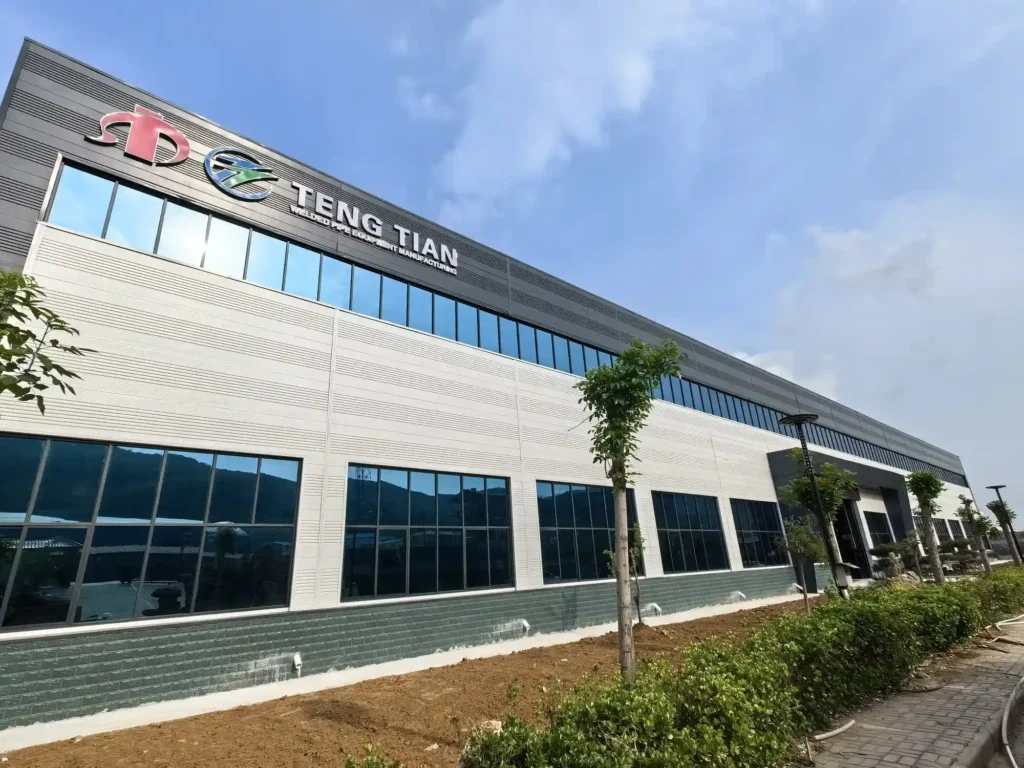
Tube mill roll design
When roll material or heat treatment falls below specification, the results are early wear, drift in pipe diameter, an uneven corner line, and frequent roll dressing at every size change.
The comparison worth making is plain steel rolls versus alloy hardened rolls, and separately the direct-forming combined roll, which uses point contact to reduce roll wear.
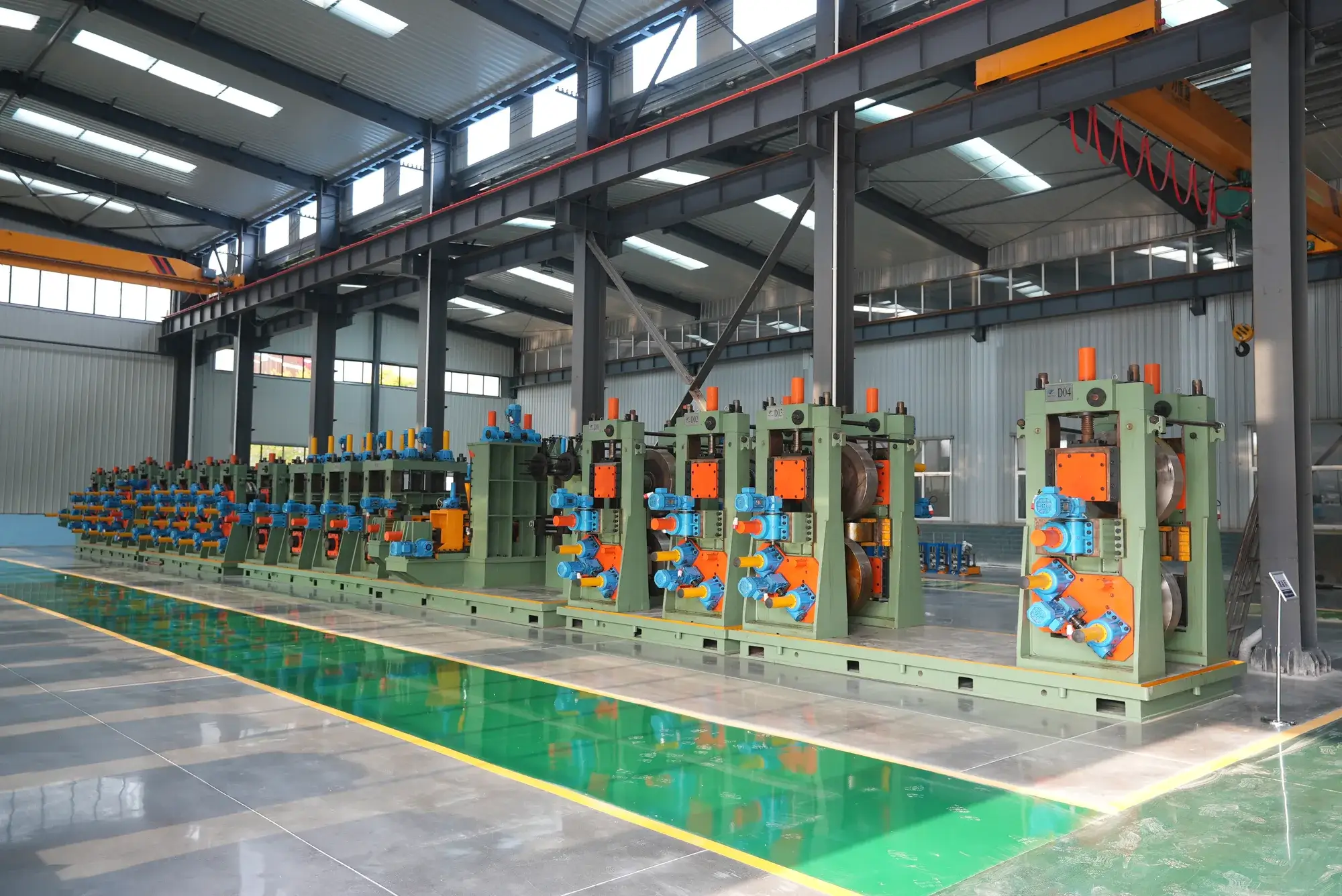
The rolls implement the forming principle: they rotate continuously against the strip and bend it pass by pass into the open blank, governed by pass count, roll gap and roll form, determining shape accuracy and seam alignment.
Roll design and CNC machining is therefore two things at once — a geometry problem and a supply problem. The geometry problem is what shape each roll has to be so that the strip arrives at the weld box correctly formed. The supply problem is who makes the roll, out of what, and whether replacements will still be available in ten years.
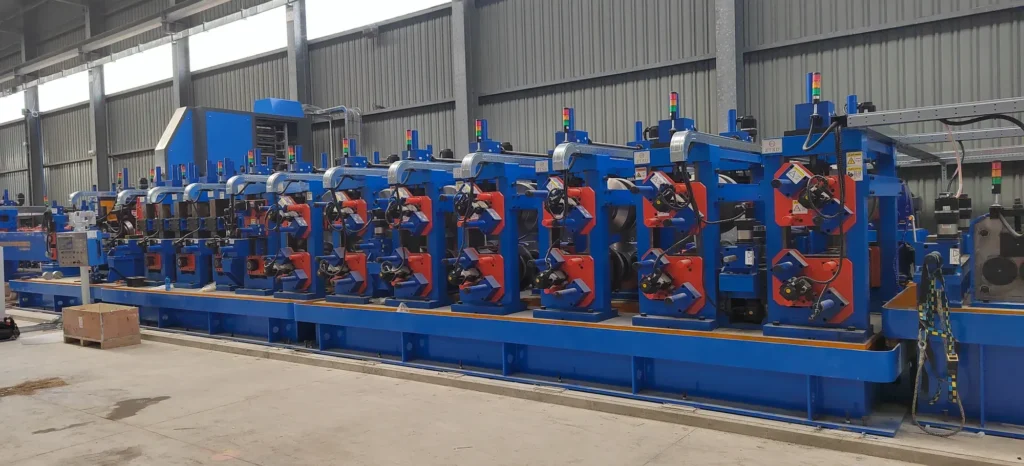
Roll Design & CNC Machining — Method and Measured Values
The squeeze roll stand is covered by utility model ZL 2017 2 1017093.4. Nine granted patents cover roll stands, roll assemblies and roll-changing arrangements, each with a published patent number.
Direct-forming square work is covered by a group of them: the direct-forming squeezing device ZL 2019 2 1346953.8, the square tube sizing roll device ZL 2019 2 1347279.5, the squeeze roll stand forming device ZL 2019 2 1346114.6, and the large-diameter direct-forming flat roll device ZL 2019 2 1346115.0.
Later filings cover the shaft-system quick-change arrangement for forming and sizing on large round tube mills, ZL 2022 2 1510113.2, the four-axis positioning device for tube mill forming machines, ZL 2022 2 2471259.7, the four-roll stand ZL 2022 2 3469557.9, the horizontal sizing roll stand ZL 2025 2 0485702.7, and the adjustable vertical-roll cluster base ZL 2025 2 0587446.2.
CNC roll machining
The reason in-house machining is a value proposition rather than a boast is continuity. Before you buy, ask four things about forming and sizing rolls: roll material and heat treatment, the machining source, roll life and size-change roll consumption data, and whether rolls can be supplied on a continuing basis.
Two of those four we answer here: the machining source is our own CNC shop, and rolls are supplied on a continuing basis. Roll life and size-change consumption vary with wall thickness and steel grade, so ask for them against your own specification.
Cutting tooling sits alongside rolls in the same supply picture. Saw blades and cutting tools are consumables replaced periodically, supplied either from in-house machining or by procurement, with a batch normally shipping with the line.
Standards and Patents Behind These Rolls
The enterprise standard Q/GYLTT01-2023, covering HGF150 high-frequency welded pipe equipment, was issued on 31 August 2023 and took effect on 15 September 2023, and is published on the national enterprise-standard information platform as a twelve-page document.
Step-by-Step Procedure
Rolls act at the forming stage, between levelling and the weld box, working the strip progressively into the required round or square section; the sizing rolls act after welding and cooling, bringing the tube to final outside diameter with a first straightening pass.
At a size change, the operating step is to set the line to the target pipe diameter — a roll change on a conventional line, a servo adjustment on the direct-forming square line — after which roll gap, servo parameters and alignment are reset.
What to Ask For When You Quote a Roll Set
Ask for roll life in metres or tonnes at your own wall thickness. It is the figure that decides running cost, and it cannot be quoted meaningfully without your specification.
What you can check before you order is that the roll and stand geometry is covered by granted patents with published numbers, and that roll material and heat treatment are the variables that govern shape stability.
What to ask the factory for
In procurement, four requests are worth making. Ask for the roll drawing set by stand for the specific band you are buying. Ask for roll material grade and hardness after heat treatment, since both govern how long a pass holds its shape.
And ask which of the listed patents apply to the configuration being quoted, because the numbers are published and can be verified before an order rather than after.
How to read a patent list without over-reading it
A published patent number is one of the few claims on a supplier site that a buyer can verify independently before placing an order, which is why they are listed above by number rather than summarised. Two qualifications belong with them.
The first is category. All but one of the roll-related grants listed are utility models rather than invention patents, and the distinction is worth keeping. A utility model protects a specific structural arrangement — a stand, a roll assembly, a positioning device — and that is exactly what these cover.
The second is scope. The nine roll-related grants attach to the round and square tube forming families, so they describe the HFW and direct-forming lines rather than spiral equipment.
What in-house machining actually answers
“Machined in house” is a supply statement before it is a quality statement. It answers the machining source and continuing supply; material, heat treatment and roll-life data are separate questions you still have to put.
For a mill operator the practical question behind it is what happens in year six, when a stand needs a replacement roll for a size that is no longer current. A supplier who machines rolls itself can answer that from its own shop; a supplier who subcontracts is dependent on whoever holds the drawings.
Tengtian machines its own rolls, and continuing supply is part of the same offer.
Where roll wear is designed out rather than accepted
One roll design comes with a wear mechanism rather than a wear figure, and it is worth separating from the general case.
On the direct-forming square line the combined-roll design uses point contact, and the effect is reduced roll wear and lower roll-change cost; the same approach is what produces the roll saving of more than ninety per cent, because a size change needs no roll change at all.
On conventional lines the wear is managed rather than designed out, and the failure path is the one to watch: substandard roll material or heat treatment produces early wear, diameter drift, an uneven corner line and frequent roll dressing at size changes. Roll life and size-change roll consumption are quoted against your own wall thickness and steel grade.
So the two cases differ in kind: the direct-forming square line removes the roll change altogether, while on conventional lines roll life is a specification question to settle in the quotation.
Rolls as one link in the quality chain
Rolls do not hold accuracy alone; they are one of ten quality-influencing factors rather than above them. Roll material and heat treatment is one factor, classed under raw material and process, with shape deviation, early roll wear and an uneven corner line as its failure modes and roll heat treatment plus in-house CNC machining as its control points.
Incoming strip quality sits before it; sizing and straightening, PLC and servo stability, and final inspection sit after it.
A buyer comparing roll offers is therefore comparing one link. Machining source, patent coverage and known failure modes can all be compared on paper; hardness, grade and roll life have to come from a quotation written against your own specification.
A mill needing replacement forming rolls can establish two things here: that the rolls are machined by the equipment maker itself rather than subcontracted, and that continuing supply is part of the offer.
Resource Downloads
From the Workshop
 What Wears and What Gets Replaced
 The API Pipe Mill Inspection Chain
 Pipe Coating Line Configuration
 H Beam Welding Line
Send Your Enquiry
Tell us the pipe outside-diameter range, the wall thickness and the output you need. An engineer reads every enquiry — it does not land in a general sales inbox.