
 Scan on WeChat
Home › Purlin Machine Lines › Changing Section Size on a Purlin Roll Forming Machine
On the C/Z/omega purlin former a size change needs no roll change.
In This Line
Quick Contact
Hebei TengtianYuanle@tentubemill.com
+86-311-83025332
WhatsApp +852 5425 3155
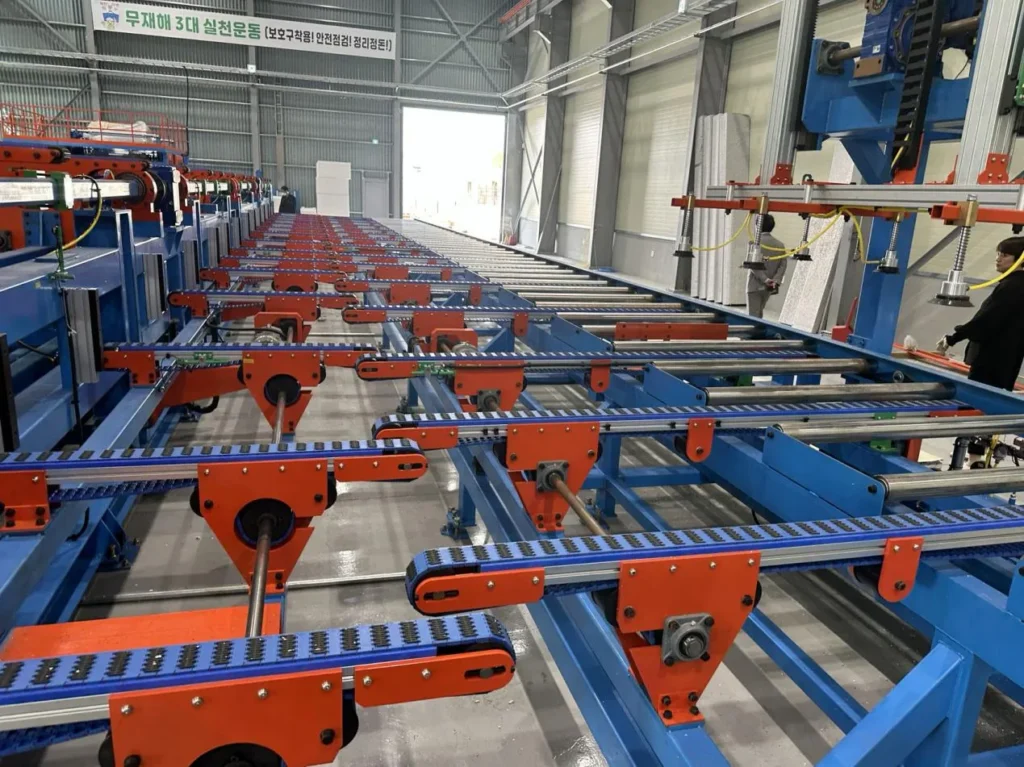
One machine produces multiple purlin sizes through stepless adjustment; length, hole pitch and quantity are entered as parameters and the line punches, forms and cuts automatically. Forming is 18 passes at up to 20 m/min on 2 to 4 mm material.
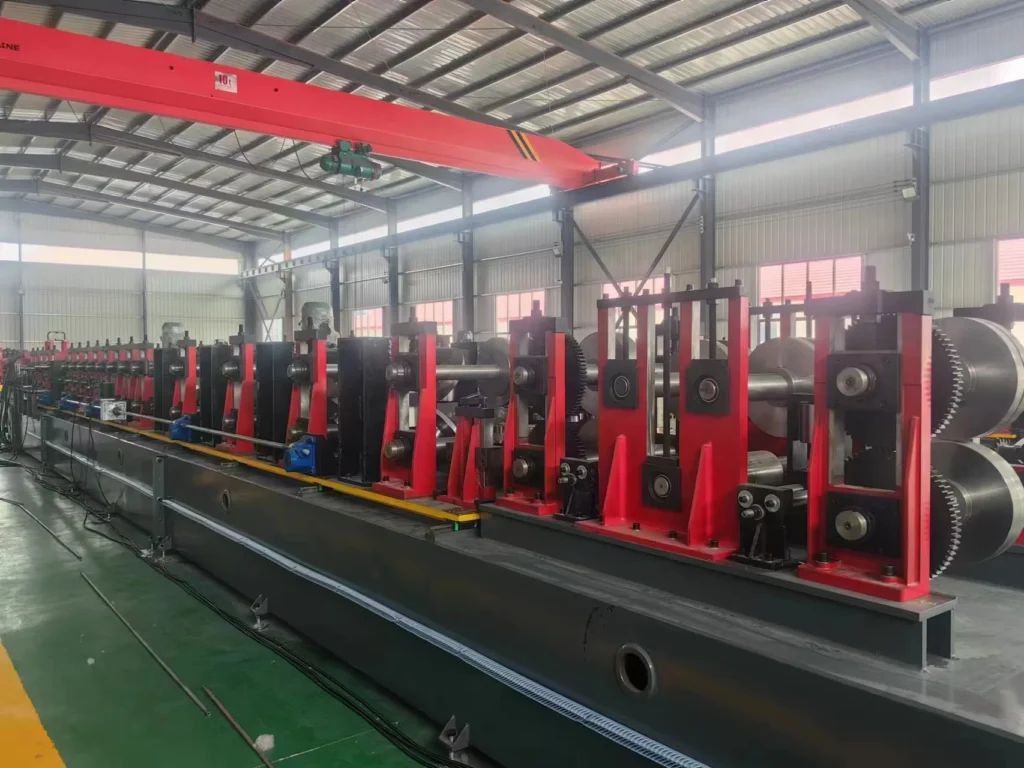
Changing Size Without Changing Rolls
- A size change needs no roll change — the machine is adjusted steplessly.
- One machine produces C, Z and omega sections.
- Forming is 18 passes, with hydraulic punching and cutting.
- Forming speed: up to 20 m/min.
- Material thickness: 2 to 4 mm.
- Length, hole pitch and quantity are entered as parameters; punching, forming and cutting run automatically.
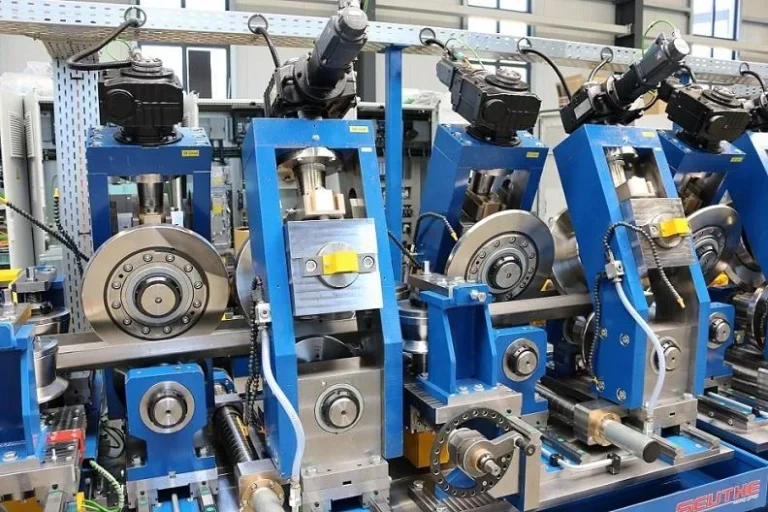
What Is Purlin Line Size Change
A purlin roll former is a cold forming line, not a welding line. It takes strip and bends it progressively into an open C, Z or omega section, punching and cutting it as it goes; unlike a tube mill, this is roll forming plus hydraulic punching and shearing, producing an open section, with no welding involved.
Size change on such a line is the question buyers ask first, because on most cold forming equipment it means a tooling change. Here the opposite is true: the same machine produces multiple C and Z purlin sizes through stepless adjustment, and a size change does not require a roll change.
For the rolls, dies and cutters, “stepless adjustment, no roll change” is one of three selling points, alongside the roll and die materials.
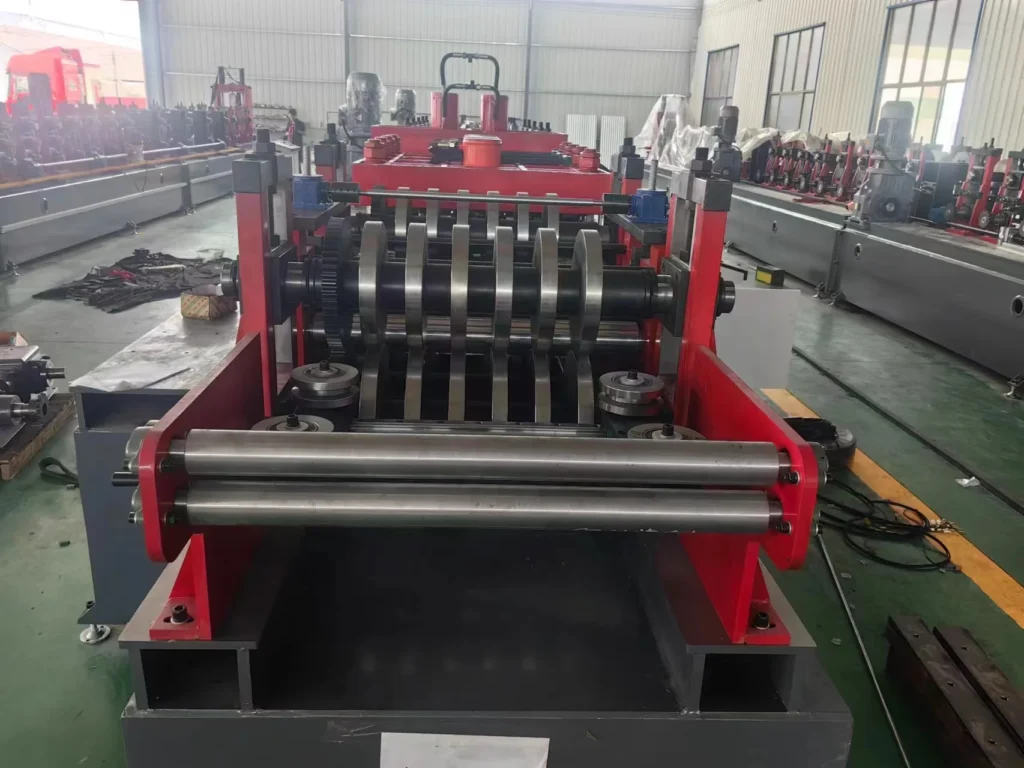
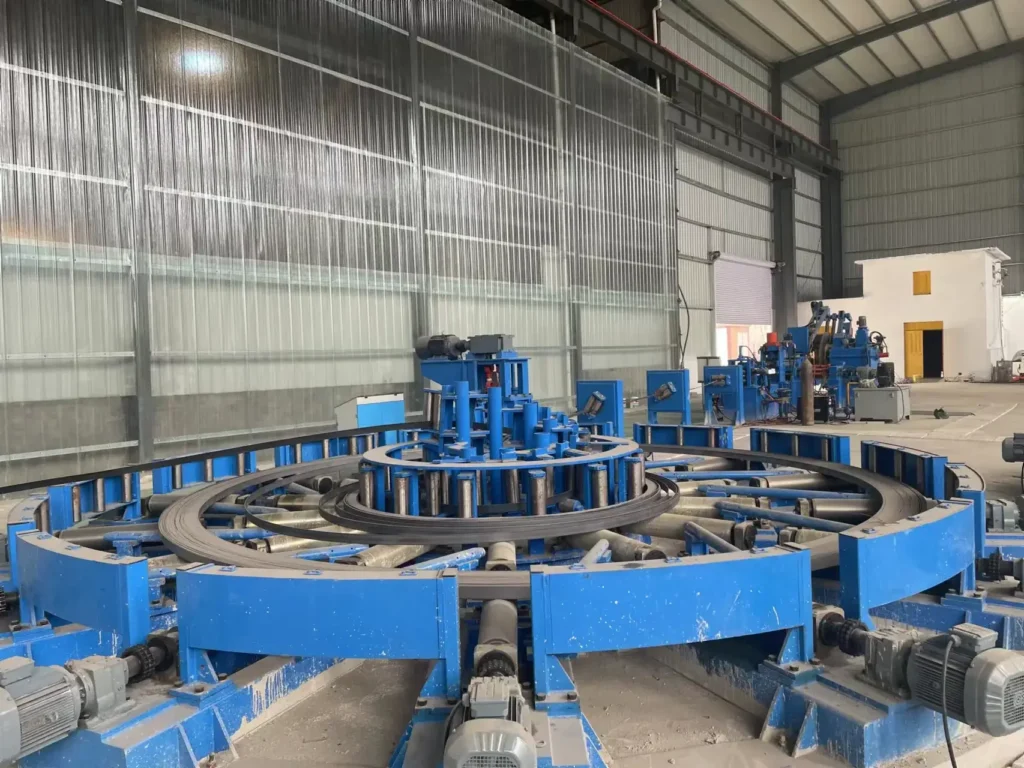
Purlin roll forming machine size change
The control points for that step are parameter setting and stepless-adjustment alignment; the failure modes are hole position error, length error and twisted section, and the mitigation is operator training.
Buyers see it the same way. For steel-structure and photovoltaic-bracket fabricators the decision questions are whether a size change requires a roll change, punching position accuracy, and forming speed — in that order.
What replaces the roll change is parameter entry. The operating step is that the operator enters purlin length, hole pitch and quantity, and the machine then punches, forms and cuts automatically to those parameters.
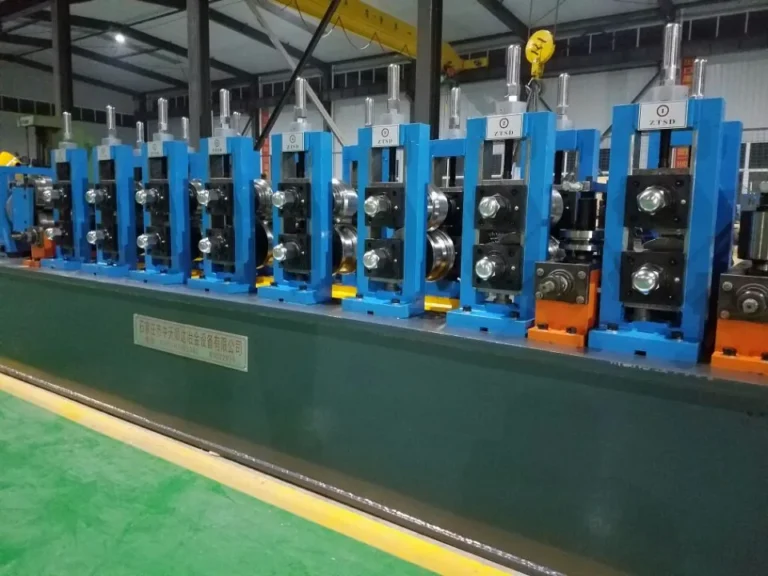
Purlin Line Size Change — Method and Measured Values
Forming is 18 passes with hydraulic punching and cutting. Three measured values set the limits for a size change on this machine. Forming speed is up to 20 metres per minute. Working material thickness is 2 to 4 mm.
The forming principle explains why stepless adjustment is possible at all. Cold roll forming bends the strip progressively through 18 passes at ambient temperature into the open C, Z or omega section — pure plastic deformation with no phase change.
Tooling material matters because it is what makes the geometry hold. Forming rolls are bearing steel, hardened after machining; punch dies and cutters are Cr12, also hardened. The failure mode when hardness falls short is a poor corner line on the section, drifting hole position and an edge that dulls early.
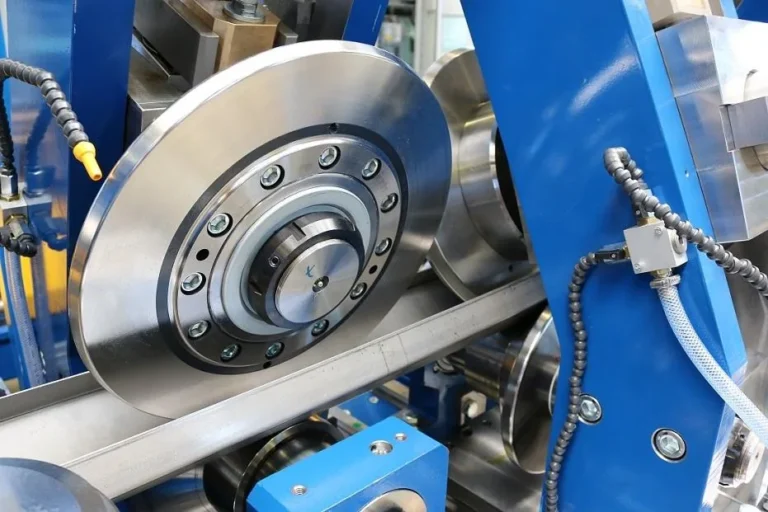
C/Z purlin machine changeover
The section range covered by one machine is defined by profile type rather than by dimension: C, Z and omega are produced on the same machine with stepless adjustment.
What the machine does with those sections downstream is on the application side: steel structure and photovoltaic bracket plants use it to punch, cut and form purlins to entered parameters, with the operators being the section plant’s own staff and the beneficiaries being steel-structure projects and PV plant construction.
The parameters named as governing it are pass count, roll form and material yield strength, and what they determine is section geometry accuracy and springback control.
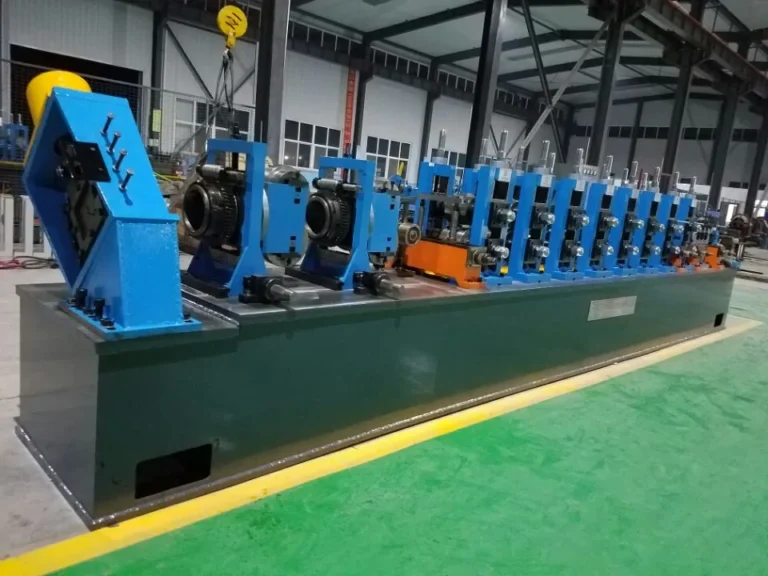
Standards Behind the Size-Change Figures
The related standards cover pipe and beam products from other families: GB/T 9711 and GB/T 5037 on the spiral bands, API 5L on the API line-pipe family, GOST R 58966-2020 on the H-beam line, and the enterprise standard Q/GYLTT01-2023 covering HGF150 high-frequency welded pipe equipment. They do not cover the purlin former or cold-formed purlin sections.
Step-by-Step Procedure
Forming itself runs through the 18 passes with hydraulic punching and shearing in line. The operating sequence for a size change is short because the machine absorbs most of it. The operator enters purlin length, hole pitch and quantity; the stepless adjustment is aligned to the target section; the machine then punches, forms and cuts automatically to those parameters.
The risk at that step is parameter and alignment error rather than mechanical failure: deviation in parameter setting or stepless adjustment shows up as hole position error and twisted section, and the downstream consequence is poor assembly on site.
Worked Example — Running C, Z and Omega on 3 mm Strip
A plant running 3 mm strip is inside the 2 to 4 mm window. This is a capability example. The section it wants — C, Z or omega — is produced on the same machine.
Changing from one to another is a stepless adjustment rather than a roll change, and the line then punches and cuts to the entered length and hole pitch automatically at up to 20 metres per minute across 18 forming passes.
What to ask the factory for
Three questions turn “no roll change” into a commitment. Ask for the section size range the stepless adjustment actually covers — web height and flange width, not just profile type. Ask for the punching position accuracy in millimetres.
And ask how long a changeover takes in practice from last piece of the old size to first good piece of the new one, because “no roll change” bounds that time without stating it.
Two different machines, two different reasons for “no roll change”
Two products in this range are sold on the same headline, and they get there by different mechanisms. Confusing them is the most likely mistake, so it is worth comparing them side by side.
On the direct-forming square tube mill, a size change is a servo adjustment of a combined mould. One mould set covers finished square sizes from 30 by 30 to 500 by 500 mm at 1.5 to 13 mm wall by band, and the consequence is a roll saving of more than ninety per cent against changing rolls at every size change, with point contact named as the wear mechanism.
What the machine controls, and what the operator controls
Hole position and section geometry are the two outputs a purlin buyer is judged on downstream, and responsibility for each is clearly assigned. On the equipment side, hydraulic punching positioning and roll-form accuracy control them. On the customer side, parameter setting controls them.
The consequence of getting either wrong is punching or forming deviation leading to poor assembly.
That split is the practical meaning of “no roll change”. Removing the roll change removes the mechanical variable and leaves the parameter variable, which is why the mitigation for size-change errors on this machine is operator training rather than tooling.
The tooling that does exist is spares plus consumables: forming rolls as wear parts, and Cr12 punch dies and cutters that are reground or replaced according to the number of punching strokes. A set ships with the line, and Cr12 dies and cutters are available on an ongoing basis.
Why cold forming behaves differently from welding
The reason a purlin line can be adjusted rather than retooled lies in the forming physics. Cold roll forming works the strip at ambient temperature through 18 passes into the open section — pure plastic deformation, with no phase change.
What has to be controlled is therefore geometric and elastic rather than thermal: pass count, roll form and the yield strength of the material, governing section geometry accuracy and springback.
Springback is the variable that makes this a genuinely different problem from tube welding. Because nothing is melted, the section tries to open again after each pass, and the machine has to be set so that the final shape lands where it should after that relaxation.
That is why material yield strength appears in the parameter list alongside the mechanical settings — a different steel grade at the same thickness does not spring back the same way.
The line differs from the welded-tube family in one basic way: this is cold forming with no welding, producing open sections by roll forming plus hydraulic punching and shearing.
What “semi-automatic” means here
The machine is a semi-automatic interchangeable C and Z purlin line, and the word matters. The forming, punching and cutting themselves run automatically from the entered parameters; what stays manual is the setup — aligning the stepless adjustment to the target section before the run, and confirming that the entered length, hole pitch and quantity match the order.
That division is why operator training appears as the mitigation rather than a control upgrade. The failure modes at setup are hole position error, length error and twisted section, and all three originate in the manual half of the cycle rather than in the automatic half.
For a buyer comparing lines, that makes the useful question a narrow one: not whether the machine is automatic, but how much of the size change is absorbed by the machine and how much remains with the operator. On this line the machine takes care of the first half — no roll change — and the second half is a matter of training and parameter discipline.
On the purlin former, a size change is a stepless mechanical adjustment of the existing forming stands. The same machine produces multiple C and Z sizes, and C, Z and omega profiles, without changing rolls.
Resource Downloads
From the Workshop
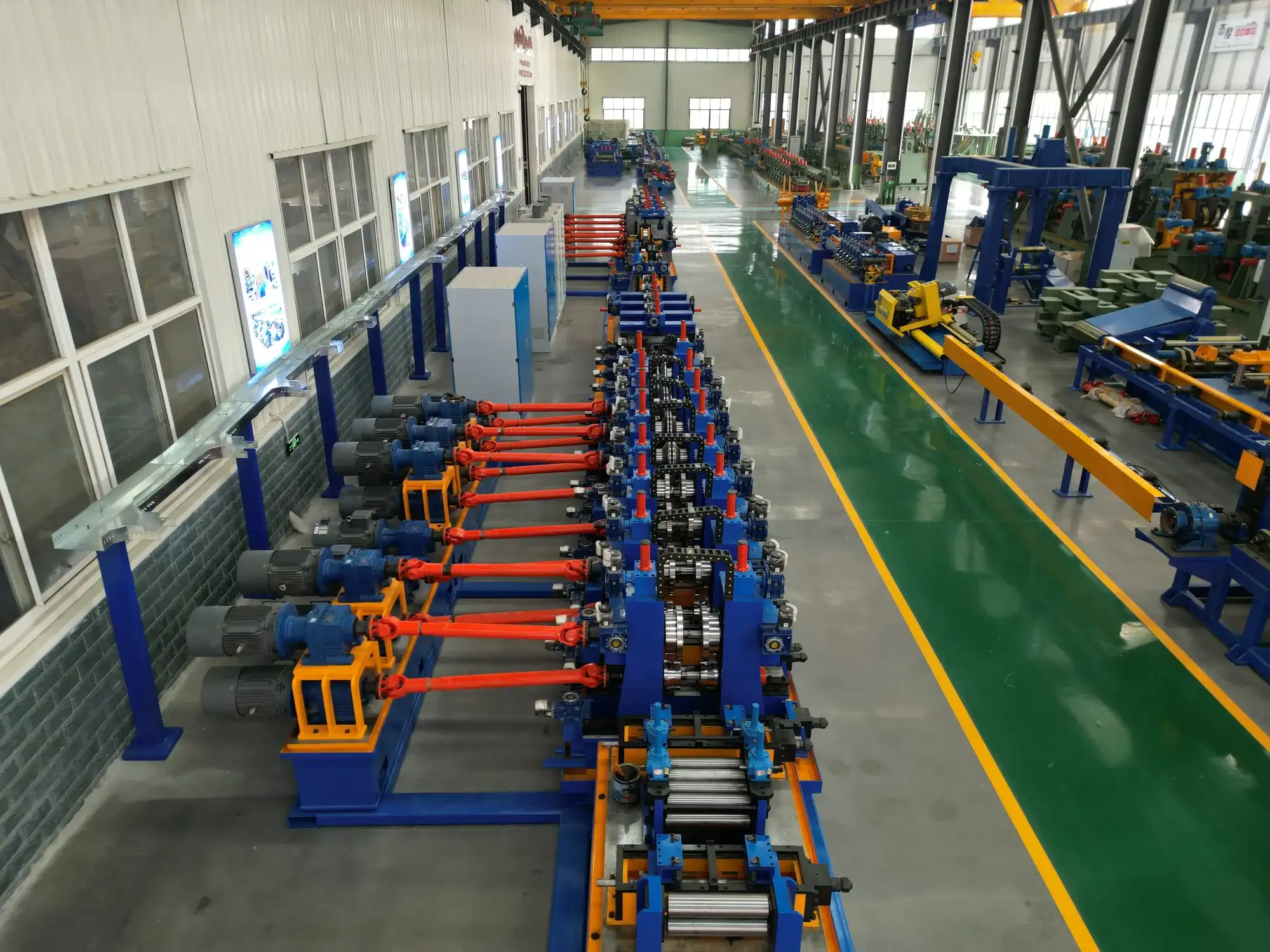
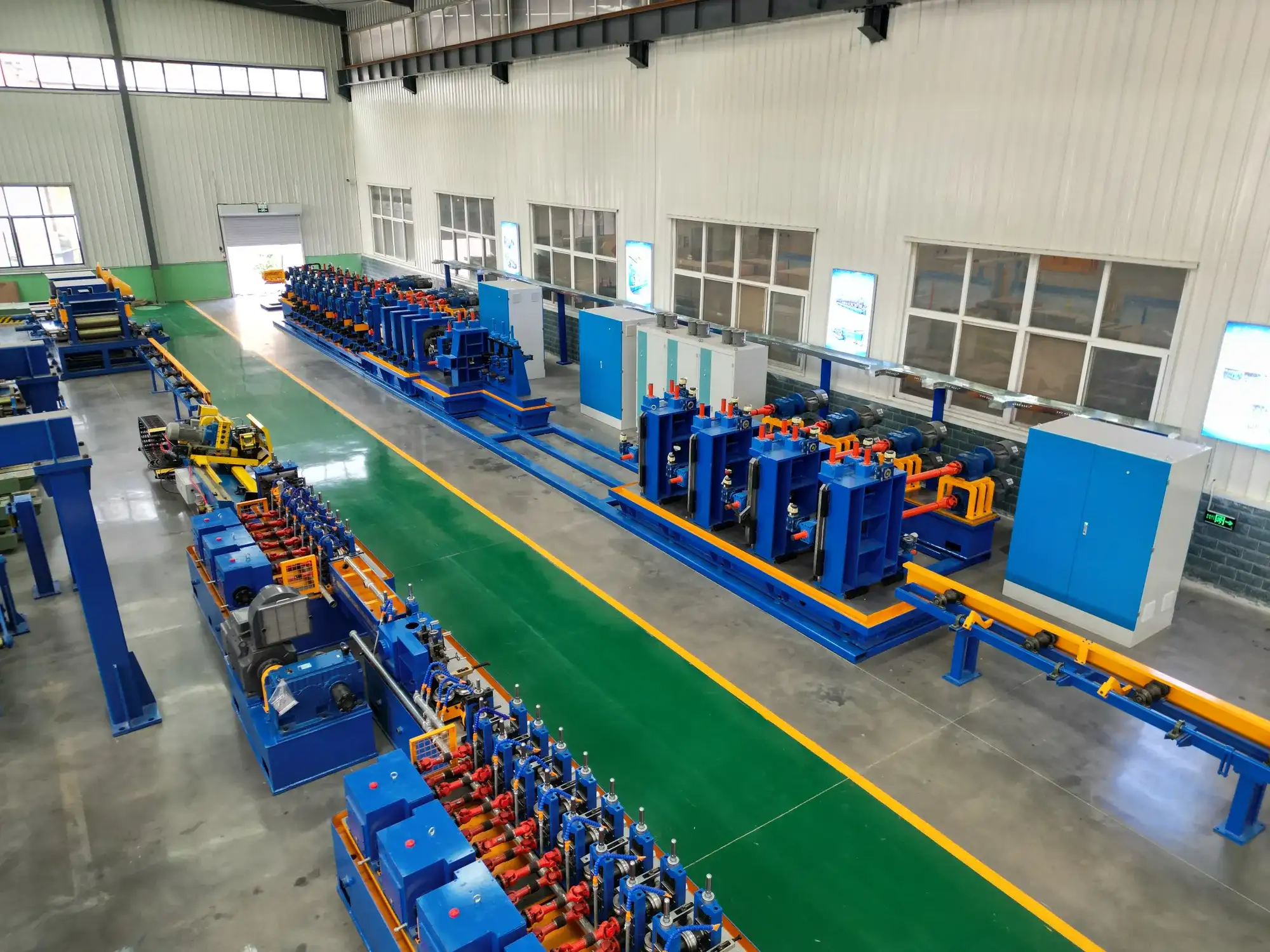
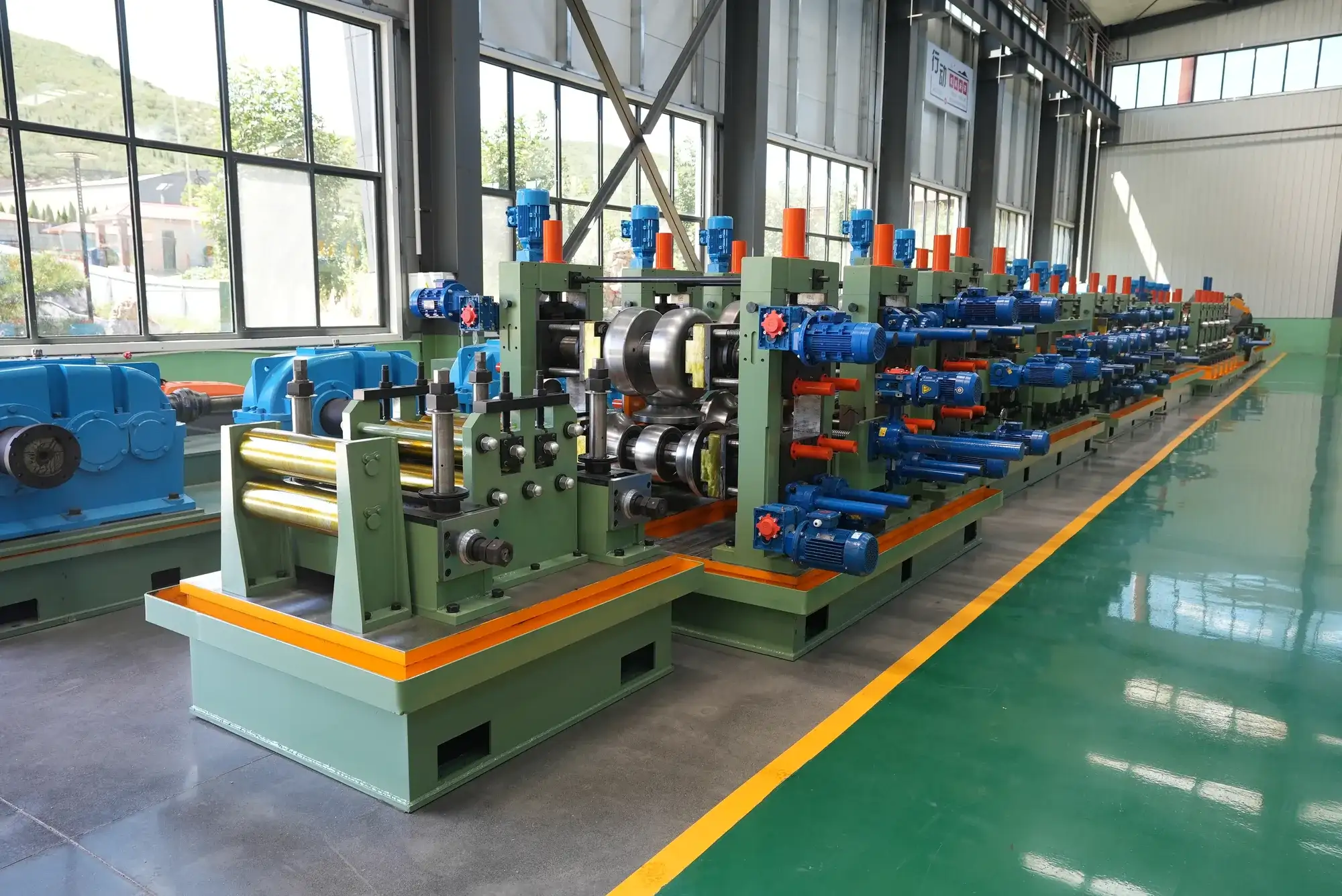
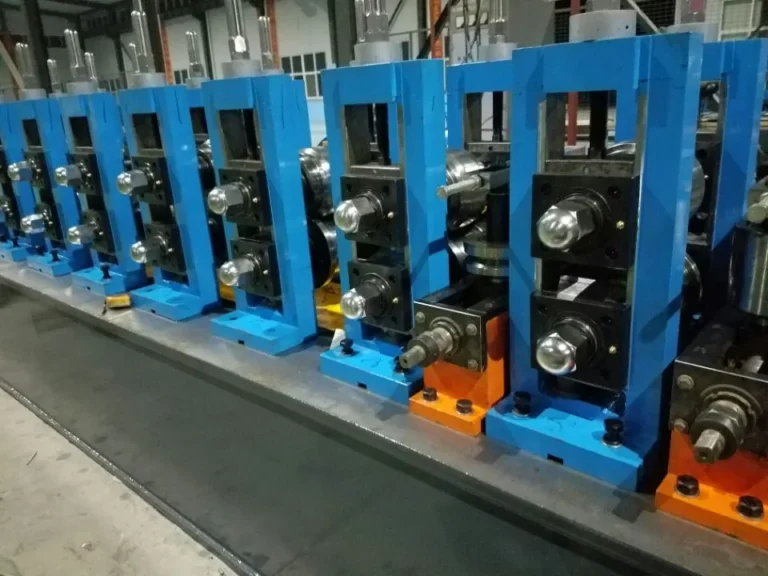
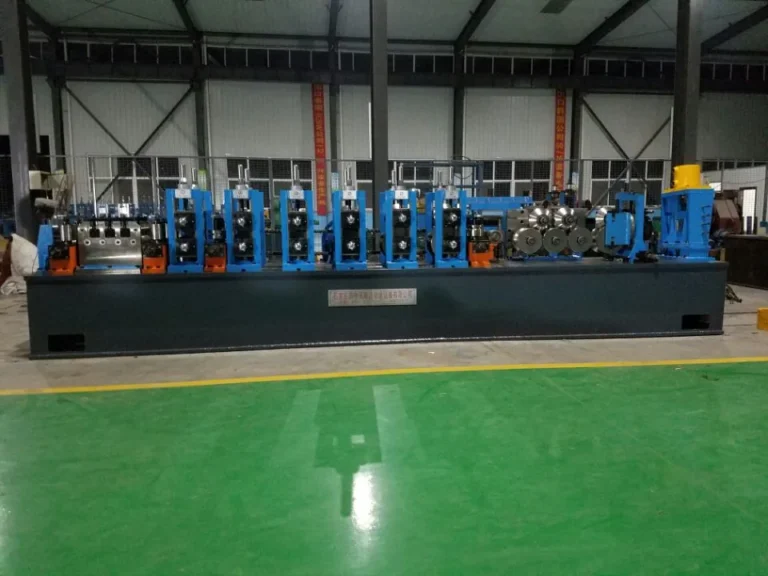
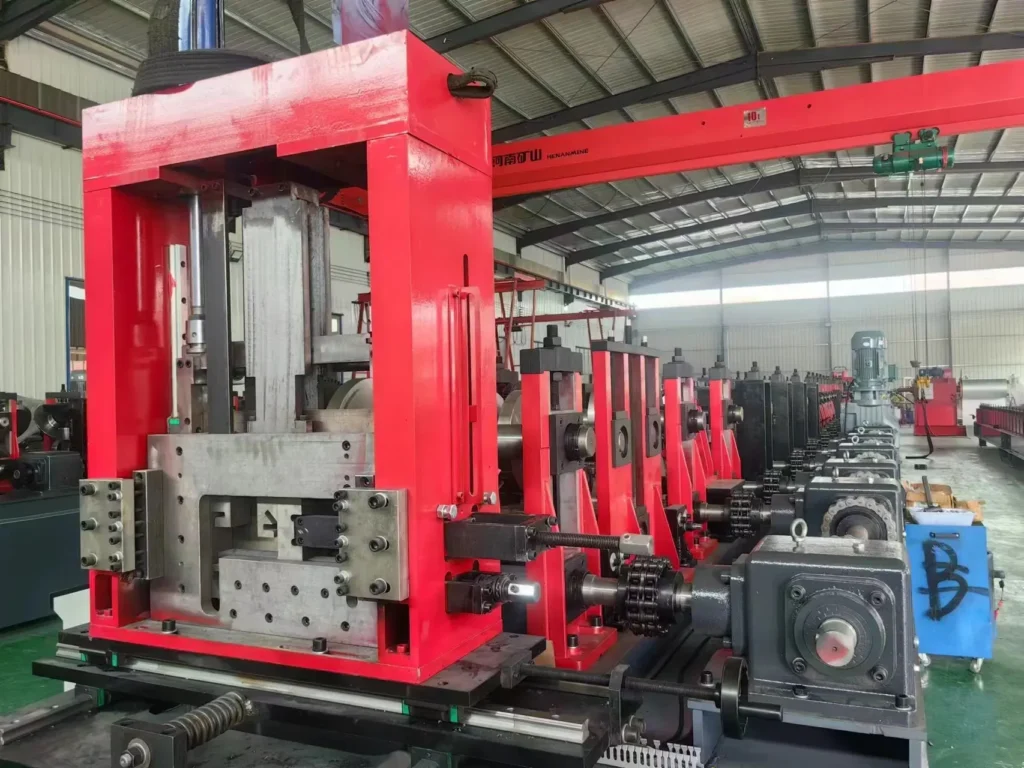
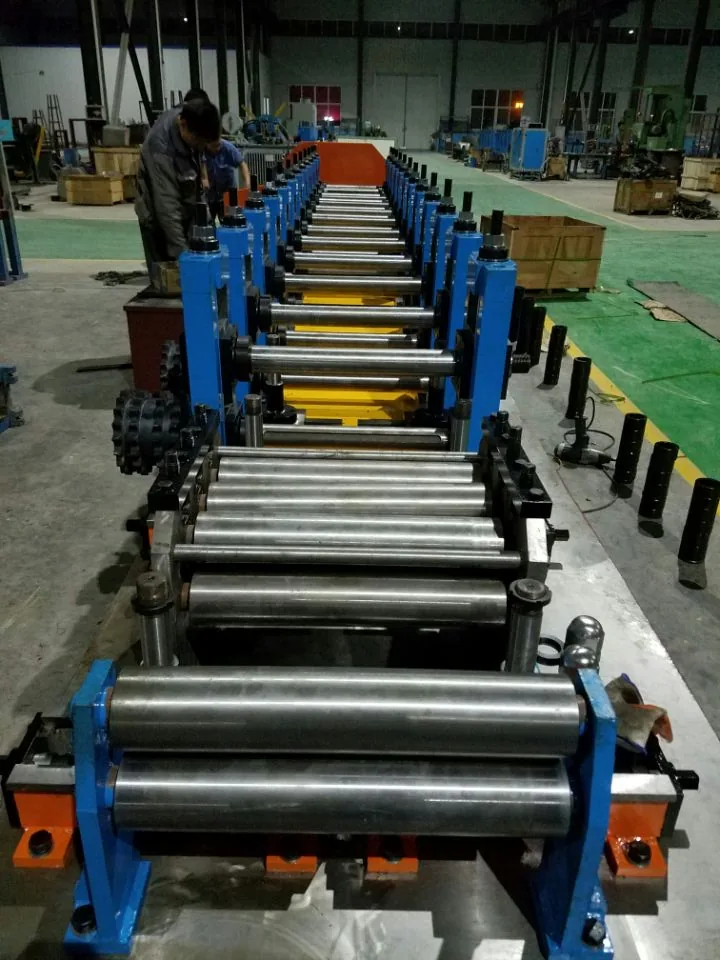 CZ Purlin Roll Forming Machine
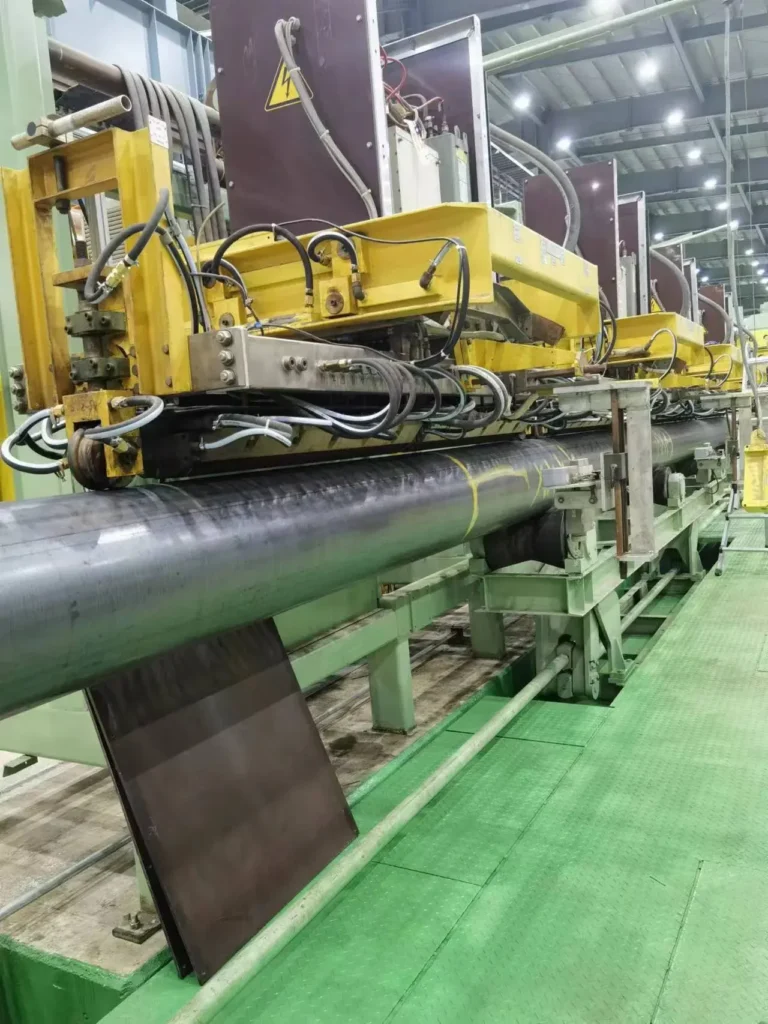 The API Pipe Mill Inspection Chain
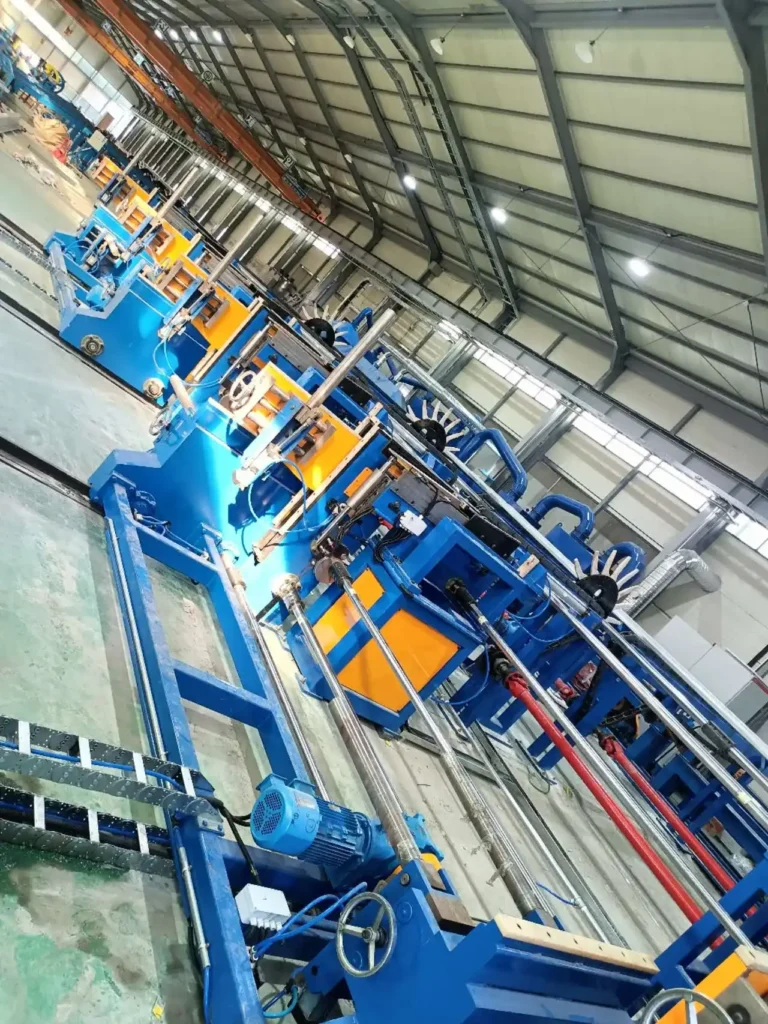 Pipe Coating Line Configuration
 H Beam Welding Line
Send Your Enquiry
Tell us the pipe outside-diameter range, the wall thickness and the output you need. An engineer reads every enquiry — it does not land in a general sales inbox.