
 Scan on WeChat
Home › Roll Forming Machine › Metal Roll Forming
Roll forming is the cold, progressive bending step that both of Tengtian’s product families share.
In This Line
Quick Contact
Hebei TengtianYuanle@tentubemill.com
+86-311-83025332
WhatsApp +852 5425 3155
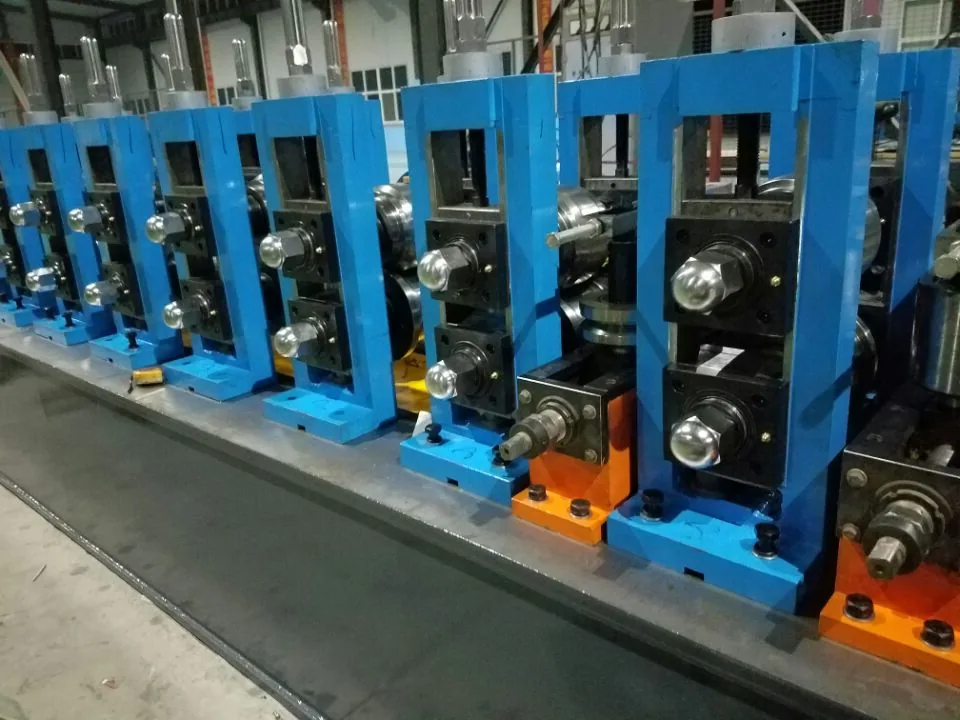
On the purlin line it bends strip into an open C, Z or Ω section and nothing is welded. On the tube mill it bends strip into a closed round or square tube that is then welded.
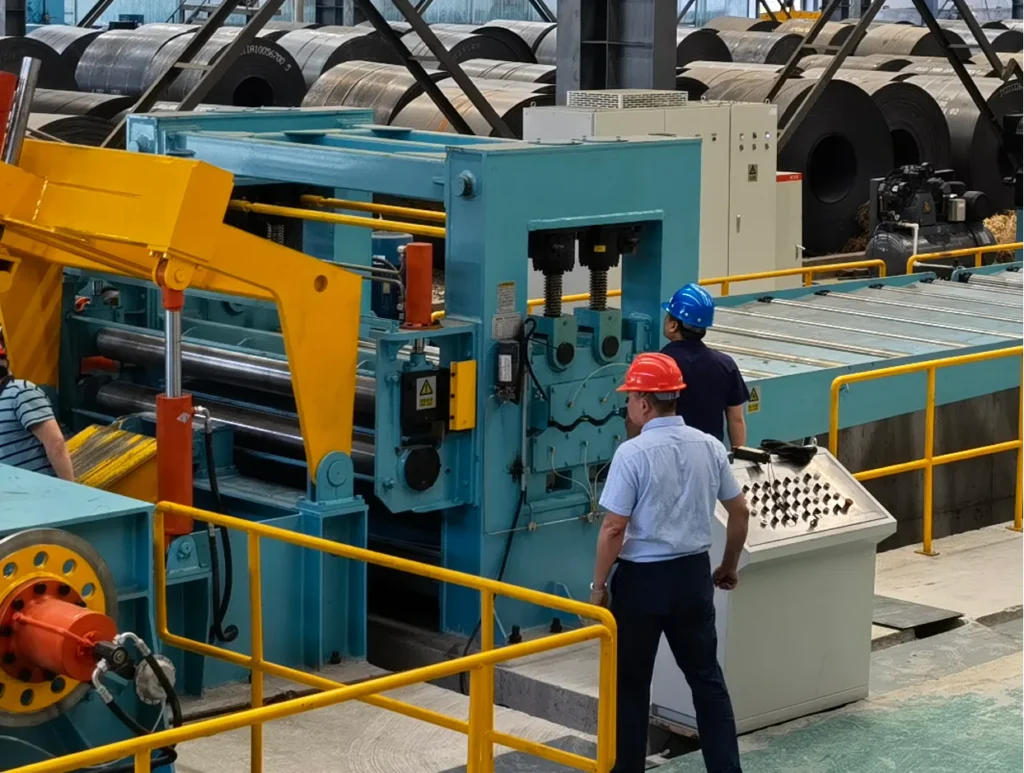
How Cold Roll Forming Actually Works
- Roll forming is cold work: strip is bent progressively at room temperature, with no phase change — plastic deformation only.
- The purlin line is set at 18 passes, with hydraulic punching and cut-off, running up to 20 m/min on 2–4 mm strip.
- The same machine is making C, Z and Ω sections by stepless adjustment, with no roll change between sizes.
- Roll material is hardened bearing steel; punch dies and cutters are hardened Cr12.
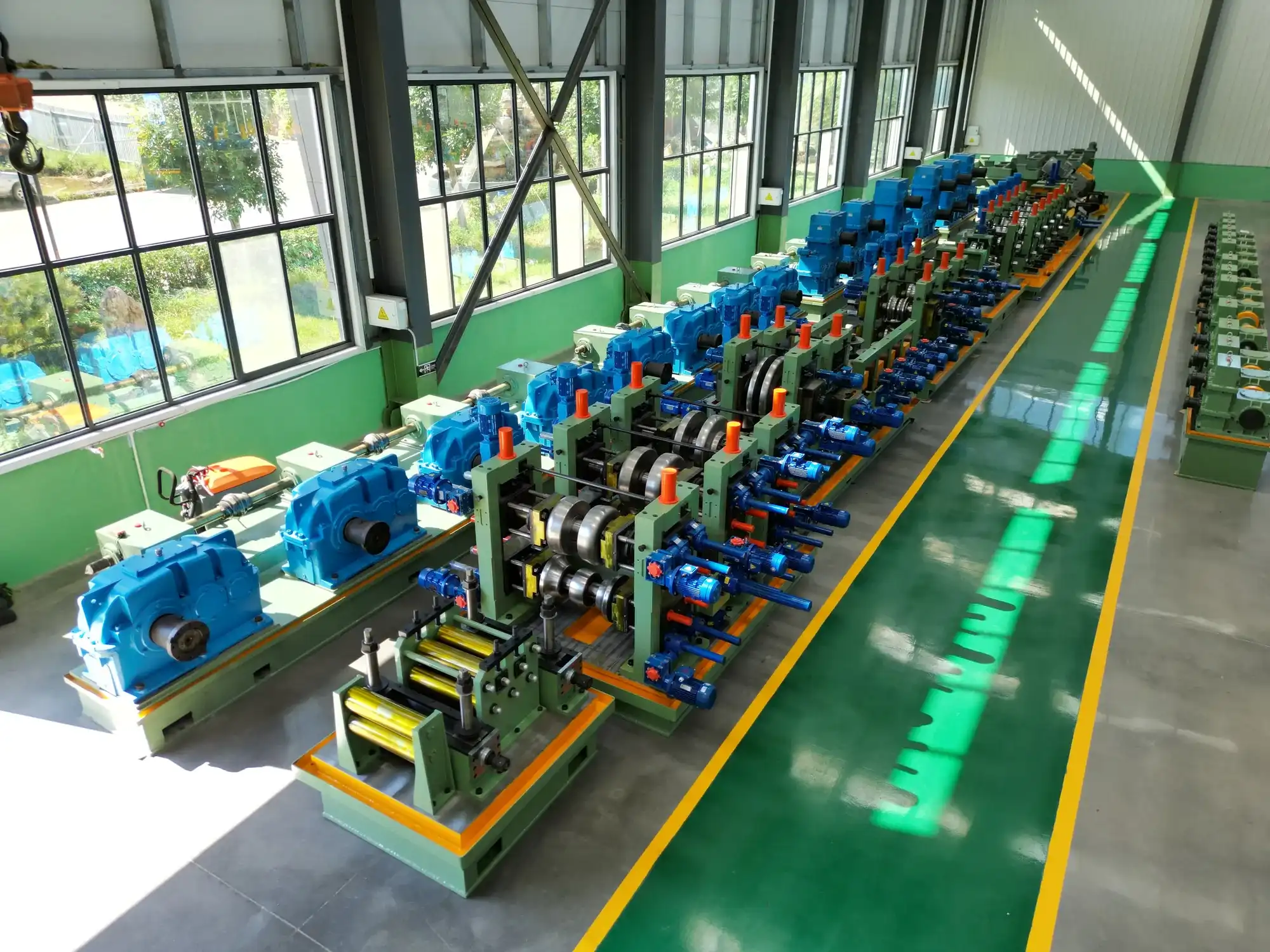
- On the tube mill the same principle produces a closed tube: rolls bend the flat strip pass by pass into a round or square open shell, which is then welded.
What Is Roll Formed Steel Profiles
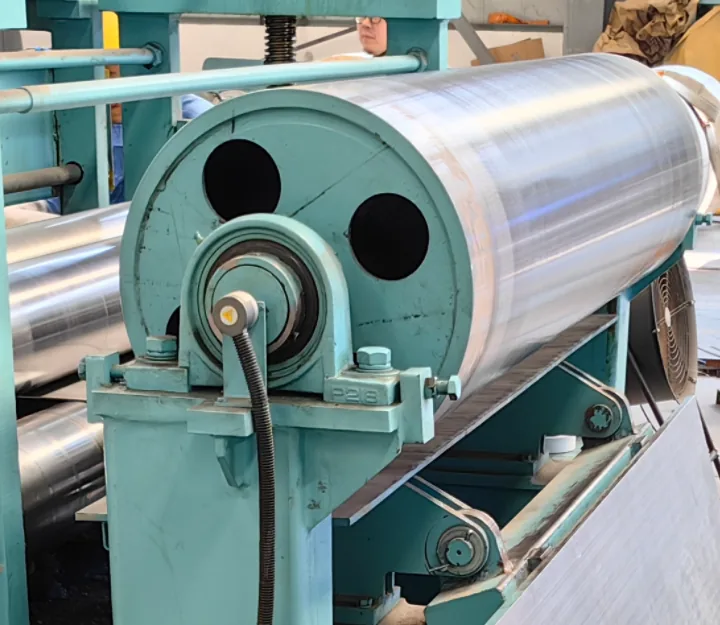
Roll forming is a cold process: strip is bent step by step at room temperature through a series of driven roll stands, with no phase change and purely plastic deformation. Each stand takes the material a little further than the one before it, so the section arrives at its final shape gradually rather than in one press stroke.
What comes out depends on whether the section is left open or closed. The purlin machine is a cold-forming line with no welding at all: it rolls strip into C, Z and Ω purlin sections and finishes them with hydraulic punching and cut-off. This is cold forming, and that is what separates it from the tube mill lines.
The tube mill uses the same bending principle but closes the section. Its forming rolls turn continuously against the strip and bend the flat band, pass by pass, into a round or square open shell. That shell is then welded along its seam, which the purlin line never does.
Both routes sit inside the same four business categories into which the company’s range is organised: welded pipe equipment lines, slitting and cut-to-length lines, cold-forming equipment, and H-beam lines, with the automatic spray line supplied as an accessory to them.
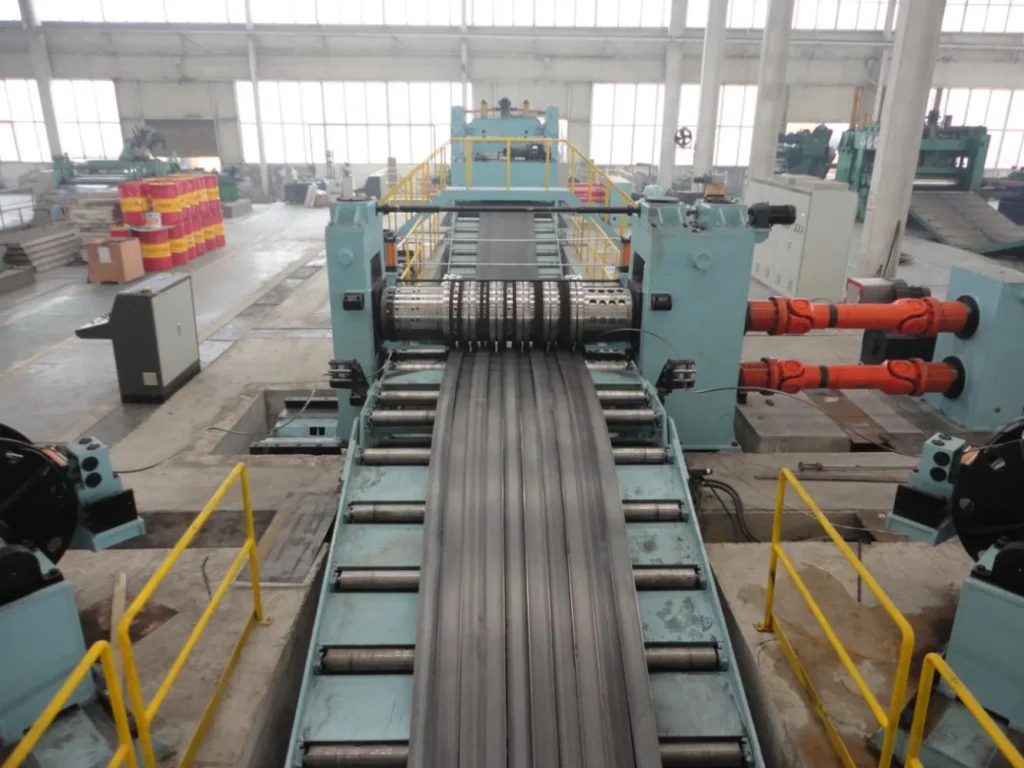
Roll forming operation in sheet metal
The operation on the purlin line is end to end. The operator enters purlin length, hole pitch and quantity; the line then roll-forms the section, punches the holes hydraulically and cuts the piece to length automatically. The variables that decide whether that comes out right are the parameter settings and the alignment of the stepless adjustment.
The failure modes are just as clear. If the settings or the adjustment are off, the results can include displaced holes, twisted sections and wrong lengths, leading to poor assembly on site.
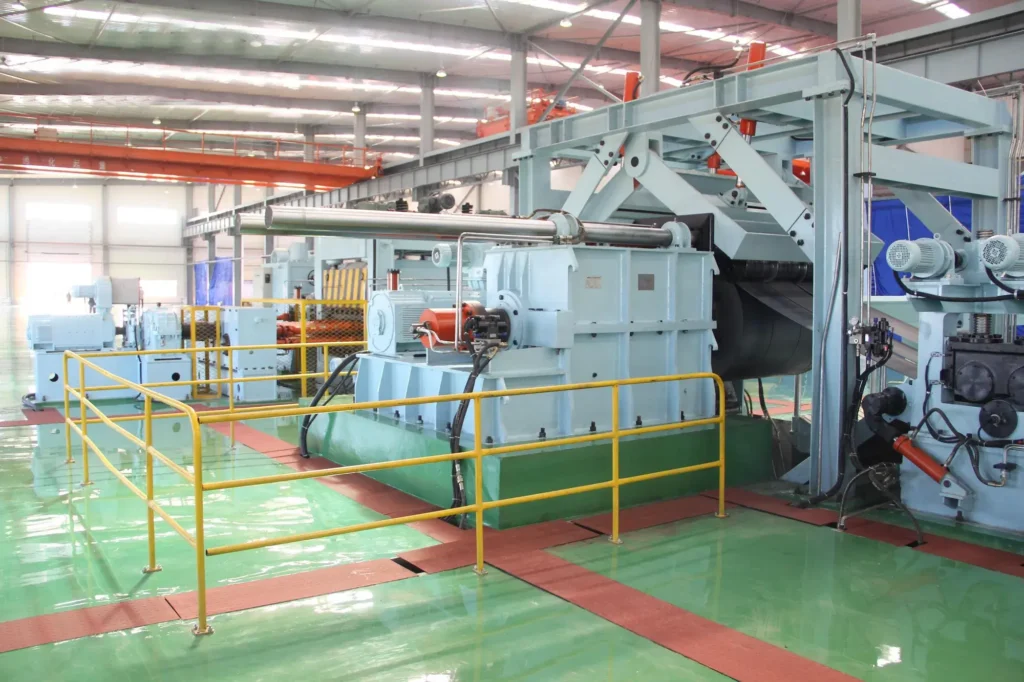
Roll Formed Steel Profiles Explained
The forming rolls are hardened bearing steel; the punch dies and cutters are hardened Cr12. The purlin line’s numbers are specific. It is an 18-pass roll former with hydraulic punching and cut-off. Strip thickness is set at 2 to 4 mm, and forming speed is set at up to 20 m/min. It is described as a semi-automatic C/Z interchangeable line: one set of equipment produces multiple C and Z sizes through stepless adjustment, and changing size does not require a roll change.
Tooling is specified by material rather than by dimension, and material matters: if roll, die or cutter hardness is insufficient, the results are poor section edges, displaced holes and early blunting of the cutting edge.
Who the line is for is just as specific. The purlin machine serves steel-structure and PV-bracket plants: the operators are section-shop staff, and the beneficiaries are the steel-structure projects and PV power stations downstream.
Responsibility is split rather than assigned wholly to the machine. The equipment side covers hydraulic punching positioning and roll profile accuracy; the buyer’s side covers the parameter settings. Material thickness, line speed and output are confirmed against your profile section, steel grade and finished length at quotation.
Send us those three and we will state the figures.
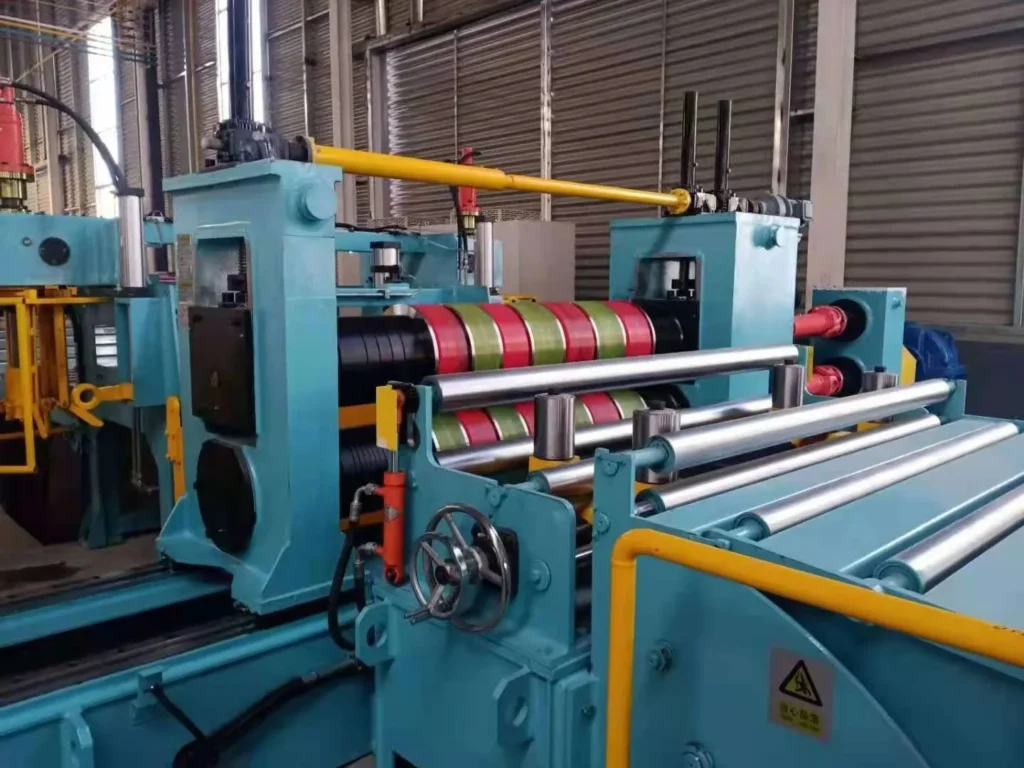
Roll forming sheet metal
On the tube mill side, forming is the decisive stage rather than a preliminary one. The forming and sizing rolls are a core component and the first determinant of product quality: they directly set shape accuracy, roundness or squareness, edge appearance and dimensional consistency.
There are two forming routes on that side: conventional roll forming, and direct forming square. The second is a distinct selling point because it allows size changes without changing rolls.
The failure chain on that side is step by step, and it starts at forming rather than at welding. If the pass schedule or the roll gap is set wrong, the symptom is an uneven open seam and a distorted shell, and the consequence is off-centre welding plus out-of-tolerance roundness or squareness.
Roll material sits behind the same chain: if roll material or heat treatment falls short, the results are early wear, drifting diameter, crooked edge lines and frequent roll dressing at every size change.
Consumables follow the same pattern as on the purlin line. Rolls, dies and cutters are wear parts, Cr12 dies and cutters are available for supply, and one set is shipping with the line.
The three things those buyers are watching are whether a size change needs a roll change, the punching position accuracy, and the forming speed.
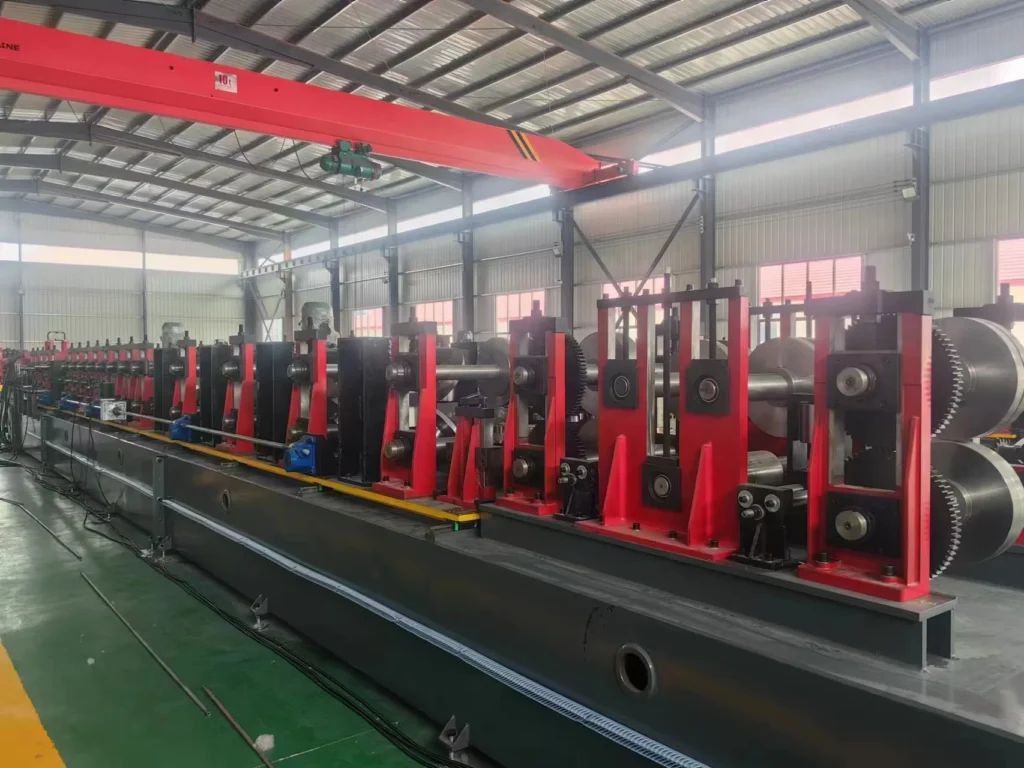
Cold Forming or Tube Mill — Which Route Fits the Part
The choice is short. If the finished part is an open section that is bolted or screwed into a structure, the route is the cold-forming line and there is no weld to inspect. If the finished part is a closed tube that has to hold pressure or carry load as a section, the route is the tube mill and the weld becomes the thing that decides quality.
How to Decide: Target Diameter, Application and Volume
The purlin machine is set at 2 to 4 mm strip. Section type comes first. The purlin line serves steel-structure and PV-bracket makers producing C, Z and Ω purlins, and the tube mill lines serve pipe makers producing round, square and rectangular tube. Those are different finished products, so the choice is fixed before any capacity question.
Material envelope comes second. The HFW tube mill range is set at Φ10–630 mm outside diameter and 0.5–16 mm wall across twelve HG size classes.
Changeover behaviour comes third, and it works differently on each route. On the purlin line, size changes are stepless and need no roll change. On a conventional tube mill, a size change means changing rolls; on the direct-forming square line only servo adjustment is needed and rolls are not changed.
There is one buying trigger that speaks directly to this choice. Among the reasons customers are switching suppliers, one is: the existing equipment changes size too slowly and wears rolls too fast, and what those buyers are wanting is a line that changes size without changing rolls.
Volume and yield come last, and only one of the two routes has a figure. For the welded-pipe lines, line design supports a material yield of not less than 93%, but actual yield also depends on the buyer’s own operation. No equivalent yield figure applies to the purlin line.
Among the buyers these lines serve, regional pipe and section makers are the most sensitive to changeover speed, yield and energy use.
Frequently Asked Questions
What separates the two once the line is running? One welds and one does not. The purlin line is cold forming with no welding: it rolls strip into an open C, Z or Ω section and finishes it by hydraulic punching and cut-off. The tube mill rolls strip into a closed shell and then welds the seam, and that weld is the core quality stage.
Which one fits my target size and application? The purlin machine applies to steel-structure purlins and PV brackets, working 2 to 4 mm strip into C, Z and Ω sections. The HFW tube mills are across twelve size classes covering Φ10–630 mm outside diameter and 0.5–16 mm wall, for round, square and rectangular tube.
If the part is an open section our answer is the first; if it is a closed tube our answer is the second, and then the size class follows from the target diameter.
Which one costs more to run over a year? Low roll wear, high yield and quick changeover keep long-term running cost down, and the welded pipe lines have a yield of not less than 93%. There are no figures for cost per tonne, energy per tonne, roll life in hours or metres, or consumable spend for either route.
What standards do I need to meet for each? The applicable standards are finished-pipe standards, not standards for the roll-forming operation itself. The standards are GB/T 9711, GB/T 5037, API 5L, GOST R 58966-2020 and the enterprise standard Q/GYLTT01-2023, and none of them covers the purlin cold-forming operation.
For the machinery itself, there is no single mandatory certification; what governs is the destination market’s machinery-safety rules plus the standard the finished product must meet.
Which one ships and gets commissioned faster? Delivery is quoted as one range for the whole line, not per route: 50 to 90 days, with plant-level customised scheduling from the company’s own manufacturing base. There is no separate lead time for the purlin line versus a tube mill, and commissioning time is confirmed per project.
Can one supplier give me both? Yes, at range level. Tengtian’s range covers welded pipe lines from HG32 to HG630 (Φ10–630 mm) plus direct-forming square, API, H-beam, slitting and cold-forming lines and the spray line, offered as a one-stop range. The purlin cold-forming machine sits inside the cold-forming category of that same range.
Everything else — tooling wear, changeover method, inspection — follows from that one difference.
From the Workshop
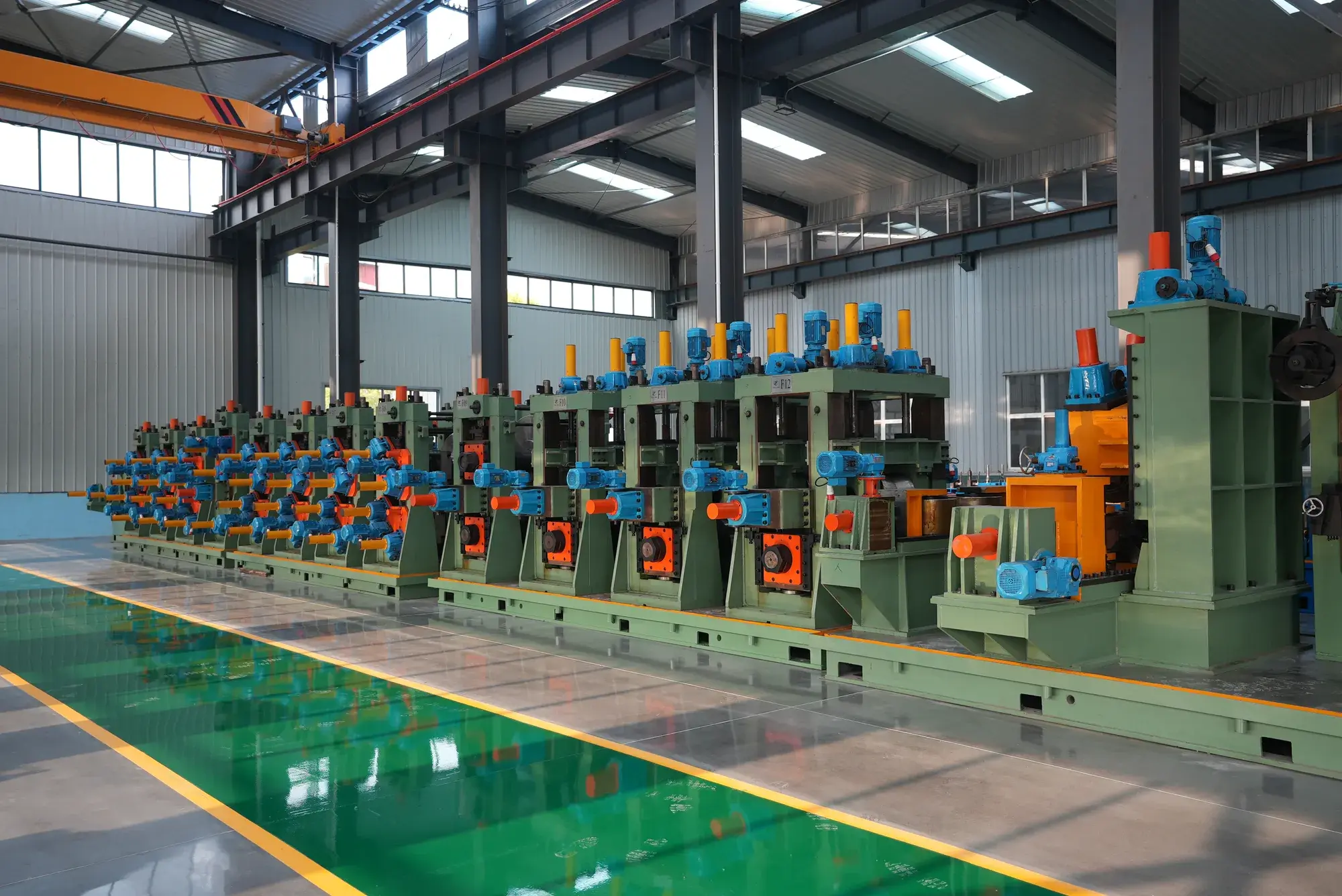
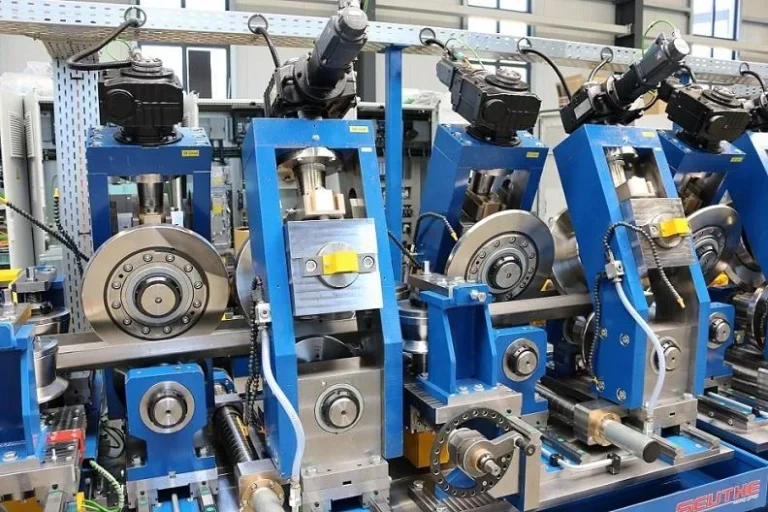
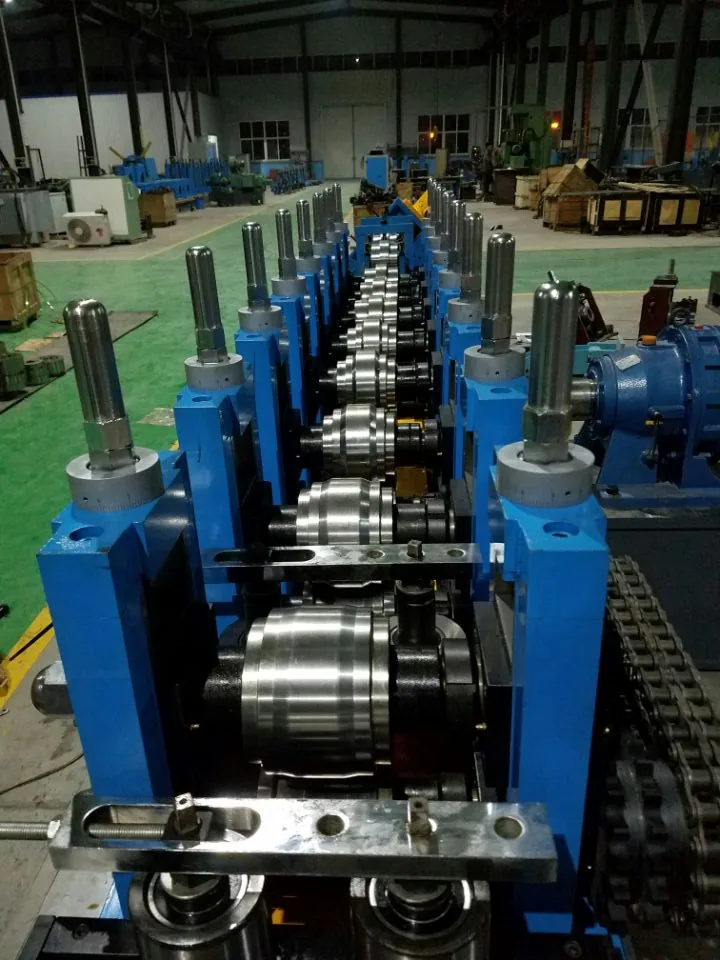 Roll Forming Line for Sale
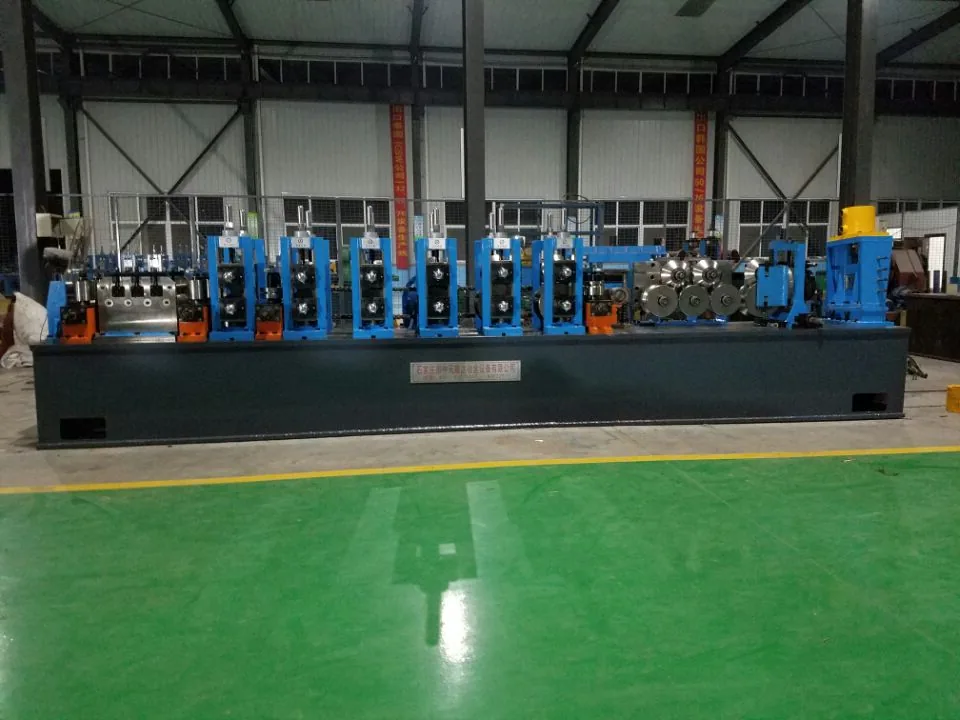 Roll Forming Tooling & Die Design
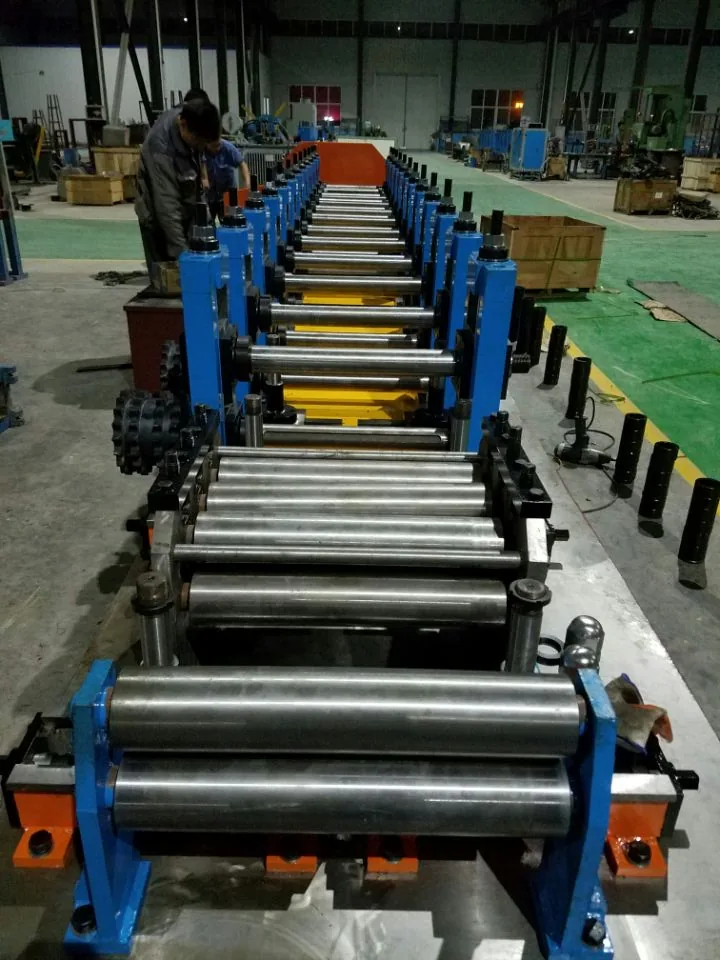 Cold Roll Forming Machine for C, Z and Omega Purlins
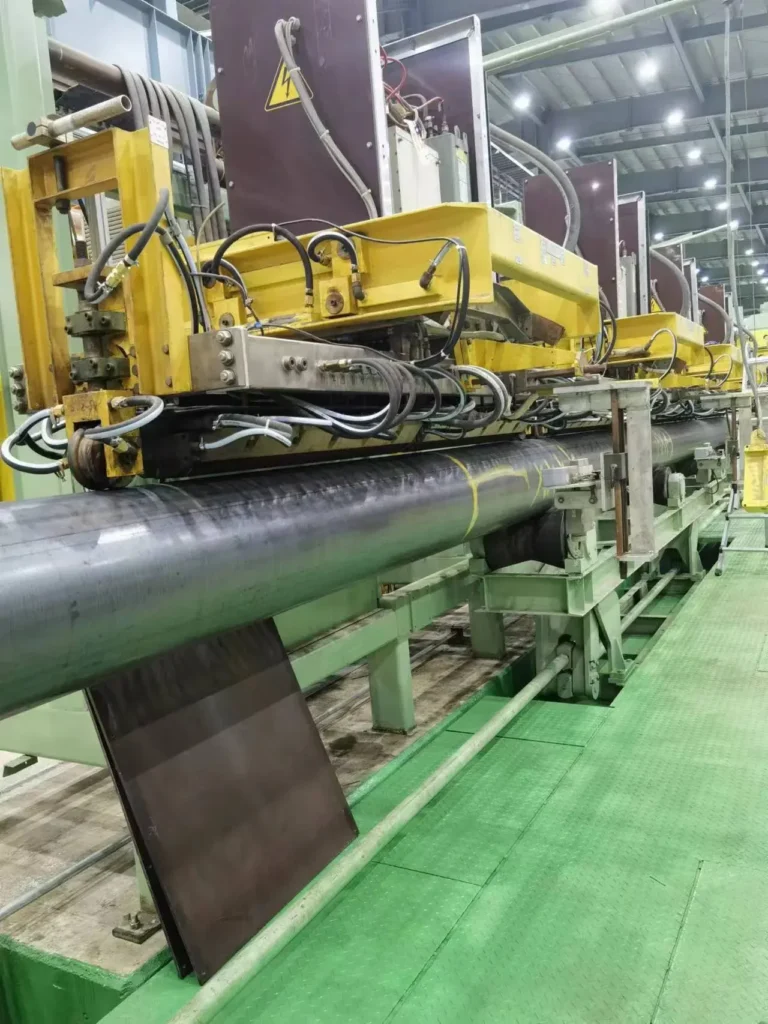 The API Pipe Mill Inspection Chain
Send Your Enquiry
Tell us the pipe outside-diameter range, the wall thickness and the output you need. An engineer reads every enquiry — it does not land in a general sales inbox.