 Scan on WeChat
Home › Roll Forming Machine › Roll Forming Tooling & Die Design
Roll forming tooling is the set of forming rolls, dies and cutters that shapes strip into a profile.
In This Line
Quick Contact
Hebei TengtianYuanle@tentubemill.com
+86-311-83025332
WhatsApp +852 5425 3155
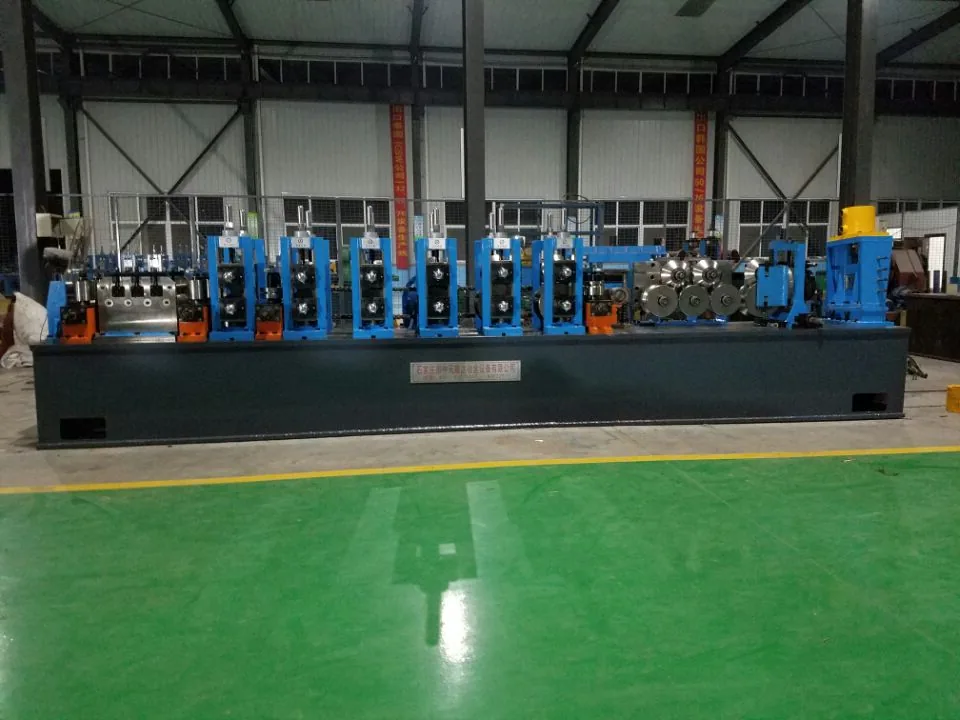
Tengtian specifies the tooling material and heat treatment, sets the pass count on the purlin line, and machines forming and sizing rolls in house on our own CNC equipment.
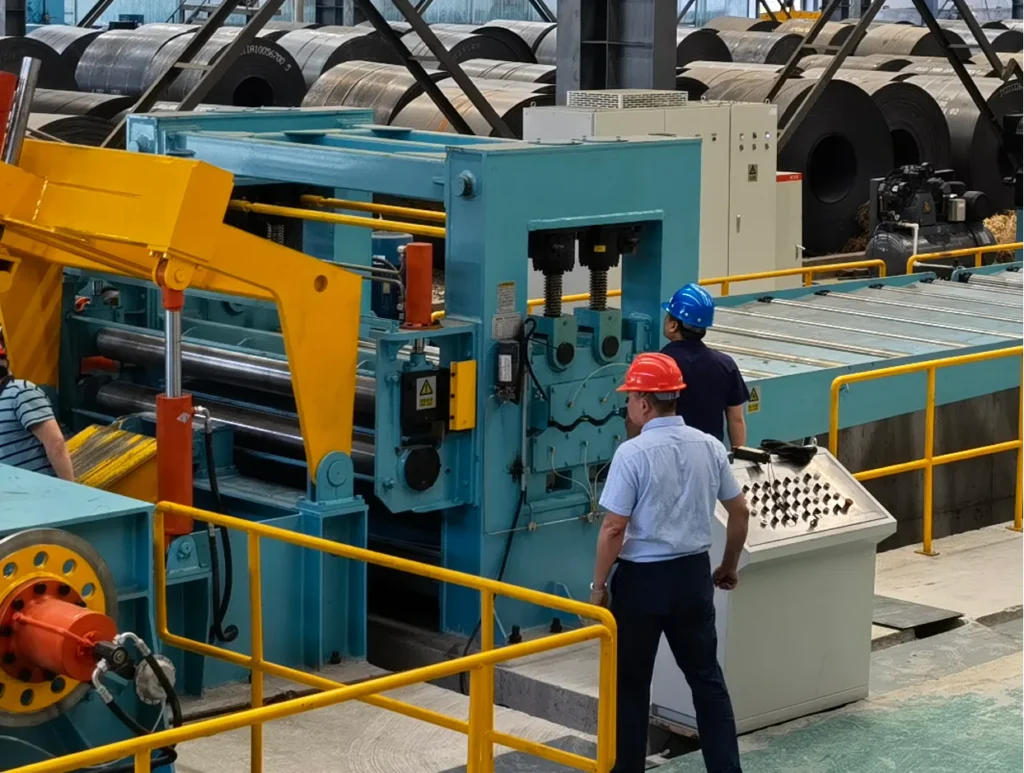
What the Tooling Is Made Of, and Who Makes It
- Forming rolls are made of bearing steel and hardened after machining.
- Dies and cutters use Cr12 hardened steel.
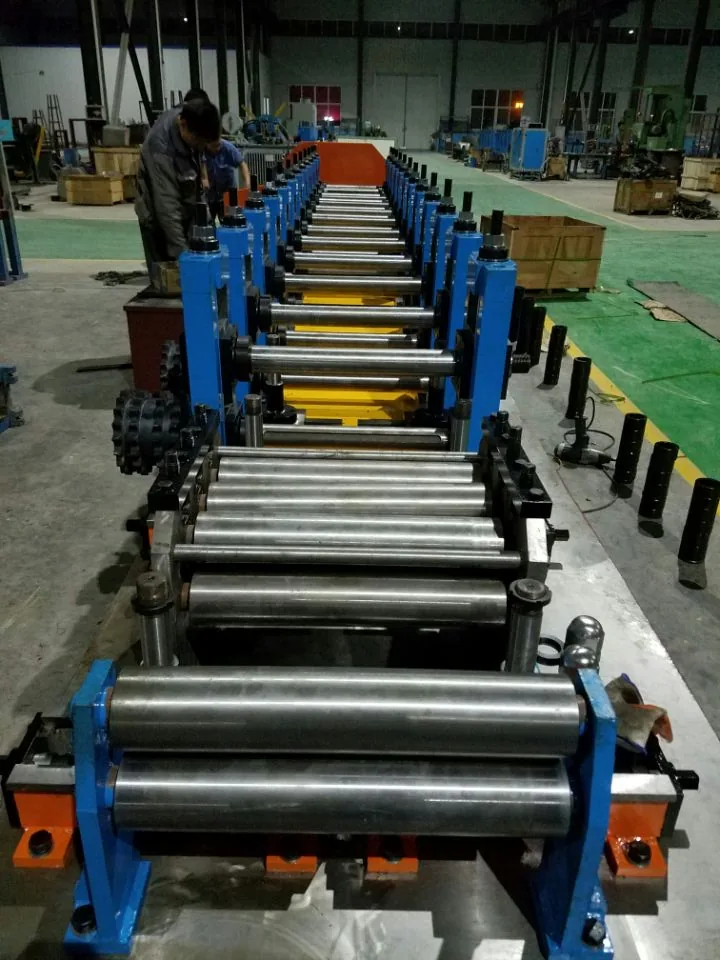
- The purlin line is an 18-pass roll former with hydraulic punching and cutting, running up to 20 m/min.
- Forming and sizing rolls are machined in house on our own CNC equipment.
- On the direct-forming square line a combined mould changes size by servo adjustment, with no roll change.
What Is Roll Forming Tooling & Die Design
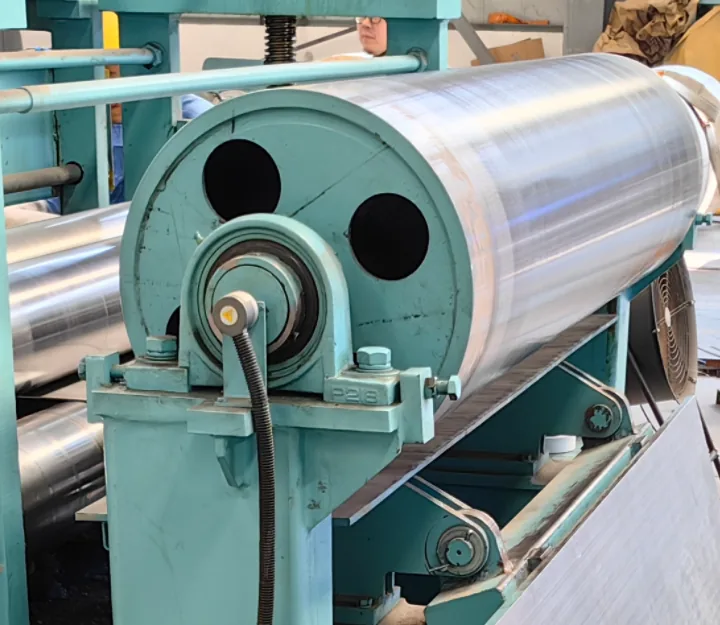
On the purlin line the roll body is bearing steel, hardened after machining, and the punch and cutter tooling is Cr12, also hardened. Roll forming tooling is the consumable-and-precision layer of a cold forming line: the forming rolls that bend the strip progressively, the sizing rolls that hold the finished section, and the dies and cutters that punch and cut it.
Tooling design comes down to three decisions: the material and heat treatment of each tooling class, the way a size change is handled, and the pass-by-pass roll schedule, which is specific to each section: which stand carries which roll form, and what each stand contributes to the developing section.
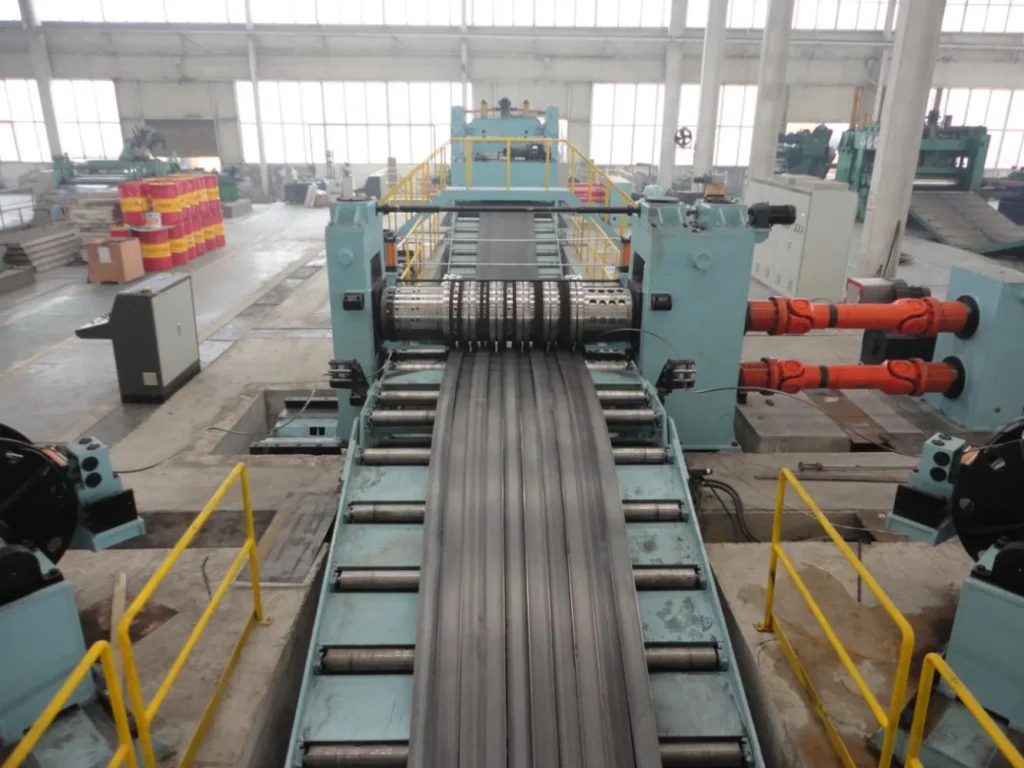
Roll forming machine roller design
Roller design decides whether a line holds shape. When roll material or heat treatment is below specification the result is early wear, drift in pipe diameter, an uneven corner line, and frequent roll dressing at every size change.
Material thickness, line speed and output are confirmed against your profile section, steel grade and finished length at quotation. Send us those three and we will state the figures.
That is why the material line matters more than it looks. The failure mode for that pair is equally plain: if roll, die or cutter hardness is insufficient, the profile shows a poor corner line, hole position drifts, and the cutting edge dulls early.
In a tube mill the rolls take flat strip and work it progressively into the required round or square shape before the weld box; on a purlin line the same principle produces an open C, Z or omega section instead of a closed tube.
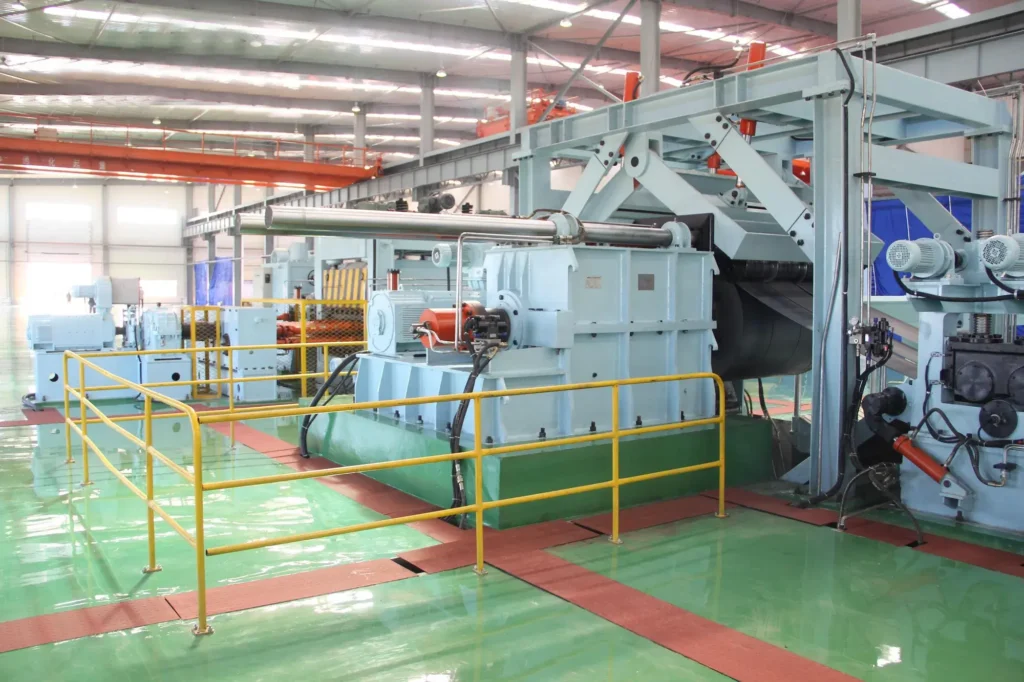
Roll Forming Tooling & Die Design — Method and Measured Values
On the purlin line the configuration is eighteen forming passes with hydraulic punching and cutting, working material of 2 to 4 mm thickness at speeds up to 20 metres per minute; the same machine covers multiple C and Z sizes by stepless adjustment without changing rolls. The measured values that exist are geometric and material, not tribological.
On the square tube side the design takes a different route. A single combined mould set produces different square sizes across a 30 by 30 to 500 by 500 mm range at 1.5 to 13 mm wall thickness by band, and a size change is a servo adjustment rather than a roll change.
Two things follow that a buyer should read carefully. The ninety per cent figure is a roll saving on the direct-forming square line — it is a comparison against changing rolls at every size change, and it is not a statement about roll life in hours or metres on any other line.
And the point-contact mechanism applies to the direct-forming combined roll, not as a general property of every roll on every family.
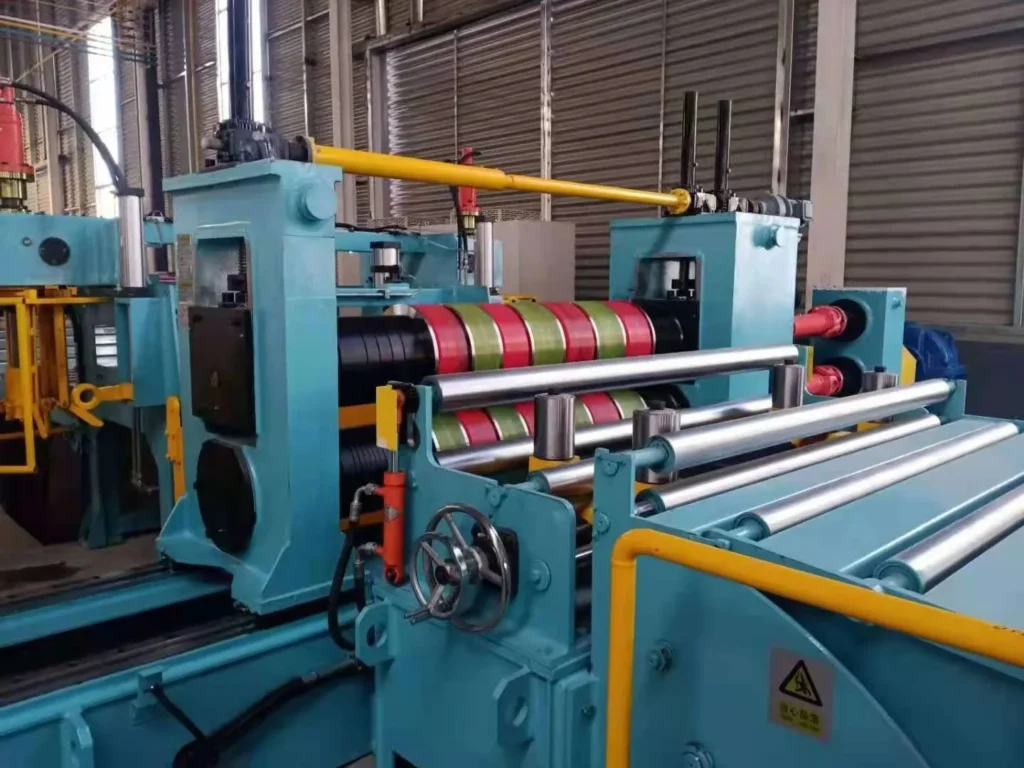
Roll forming tooling design
Where tooling is machined is a supply-continuity point, not a performance claim. Forming and sizing rolls are machined in house on Tengtian’s own CNC equipment, which is built together with the direct-forming combined-roll point-contact design as the basis for reduced roll wear and lower roll-change cost.
The benefit is a roll saving of more than ninety per cent together with longer roll life, and the mechanism given for it is point contact in the combined-roll design, which lowers roll wear.
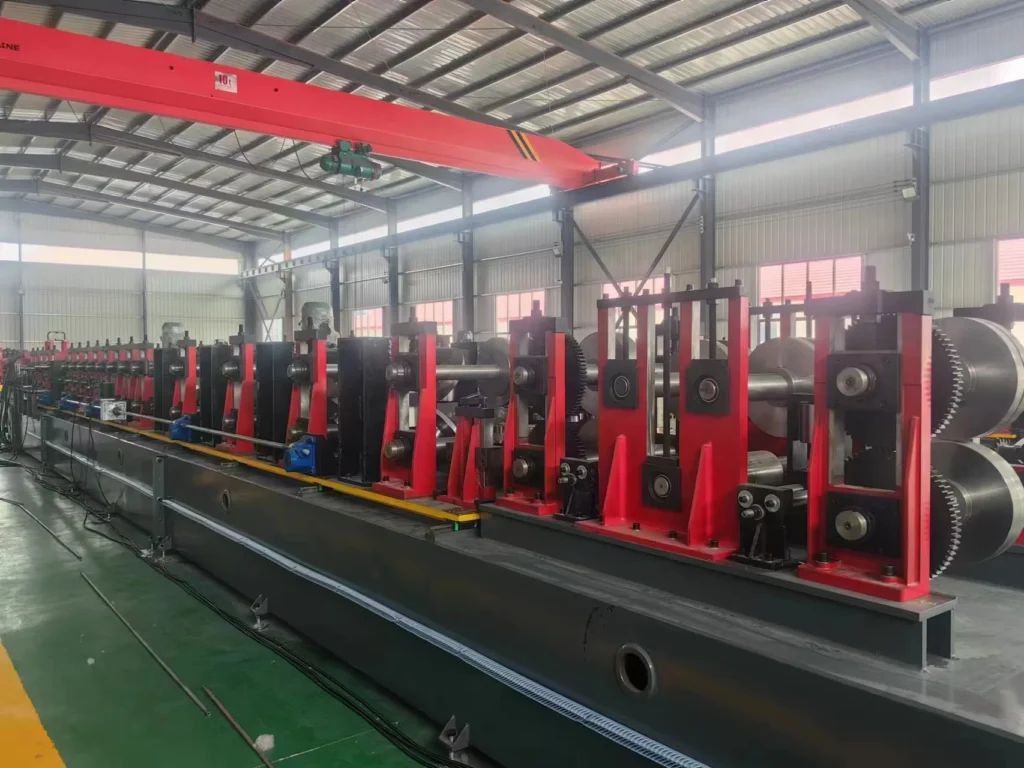
Standards and Patents Behind Our Tooling
The enterprise standard Q/GYLTT01-2023, covering HGF150 high-frequency welded pipe equipment, was issued on 31 August 2023 and took effect on 15 September 2023, and is published on the national enterprise-standard information platform as a twelve-page document. The standards that apply to Tengtian’s own equipment are enterprise-level rather than product-level for this subject.
Step-by-Step Procedure
On the tube mill the forming stage sits between uncoiling and the weld box: rolls progressively form the strip into the required round or square shape, and this stage is decisive for pipe shape and weld-seam alignment.
The cause-and-effect chain for it is that incorrect adjustment of forming passes or roll gap produces an uneven open seam and shape deviation, which in turn causes weld-seam misalignment and out-of-tolerance roundness or squareness.
On the purlin line the sequence is cold roll forming with hydraulic punching and cutting: the strip is roll formed to the C, Z or omega section while holes are punched hydraulically to the entered length and pitch parameters, and the section is cut after forming.
Worked Example — Welder Power From HG32 to HG630
The HG32 band is set at 150 kW and the HG630 band at 1500 kW, the two ends of a welder power range of 150 to 1500 kW matched to pipe diameter.
At family level, the line design supports a material yield of not less than 93 per cent; actual yield also depends on the buyer’s operation.
What the tooling layer decides, and what it does not
It helps a buyer to separate three things that get discussed together. The first is what the tooling is made of and how it is treated. The second is how the line handles a size change, which differs sharply between families. The third is the pass-by-pass roll schedule for the specific section.
Size change is handled in two clearly different ways. A conventional tube mill changes rolls when the target diameter changes: the operating step is to set the line to the target pipe diameter, and on a conventional line that means a roll change, with roll gap, servo parameters and alignment all reset afterwards.
The direct-forming square route removes the roll change entirely. One combined mould covers the size range and the change is made by servo adjustment, which is what the roll-saving figure of more than ninety per cent refers to.
On the purlin line the mechanism is different again but the effect on the operator is similar: the same machine produces multiple C and Z sizes through stepless adjustment, and no roll change is required for a size change within its range.
Where roll material sits among the quality factors
Roll material and heat treatment appear in the list of quality-influencing factors in their own right, classified as a raw-material and process factor. The consequences of getting them wrong are shape deviation, early roll wear and an uneven corner line, and the control points are the heat treatment of the roll material and machining on our own CNC equipment.
The forming principle behind that works as follows: forming rolls rotate continuously and press the strip, bending a flat band progressively pass by pass into a round or square open tube blank. The parameters named for that principle are pass count, roll gap and roll form, and what they determine is shape accuracy and seam alignment.
Consumable tooling and the supply question
Cutting tooling is a consumable class in its own right. Saw blades and cutting tools are consumed in proportion to cutting volume and are replaced periodically; replacements remain available through in-house machining or procurement, and a batch normally ships with the line.
The induction coil and impeder are wear parts on the welding side, again with continuing supply stated.
What to ask the factory for
If tooling economics drive the decision, three questions get to the answer faster than a datasheet would. Ask for the pass schedule for the specific section to be produced, stand by stand. Ask for roll life expressed in metres or tonnes of output for the specific material and thickness, not as a percentage saving against another line.
And ask which items in the tooling set are treated as consumables and how they are supplied over the life of the line.
The consequence of getting that setup wrong is shape drift after the change and scrap pipe during commissioning of the new size, and the mitigations are change-over training and quick die change.
Resource Downloads
From the Workshop
 Roll Forming Line for Sale
 Metal Roll Forming
 Cold Roll Forming Machine for C, Z and Omega Purlins
 The API Pipe Mill Inspection Chain
Send Your Enquiry
Tell us the pipe outside-diameter range, the wall thickness and the output you need. An engineer reads every enquiry — it does not land in a general sales inbox.