
 Scan on WeChat
Home › Direct Forming Square Tube Mill › Two Routes to Square Section, Side by Side
Both routes end at a square tube.
In This Line
Quick Contact
Hebei TengtianYuanle@tentubemill.com
+86-311-83025332
WhatsApp +852 5425 3155
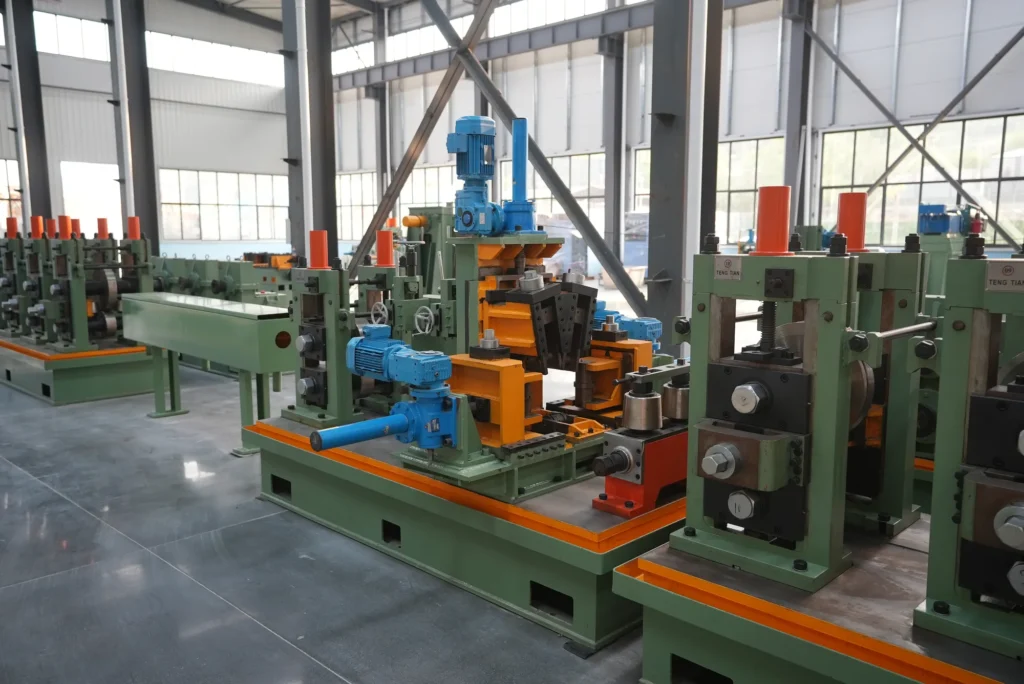
Round-to-square forms a round shell first and then sizes it square; direct forming shapes the square directly with one combined mould. The second needs fewer passes and no roll change, and the difference comes down to one phrase: combined mould plus servo adjustment.
Where Direct Forming Beats Round-to-Square
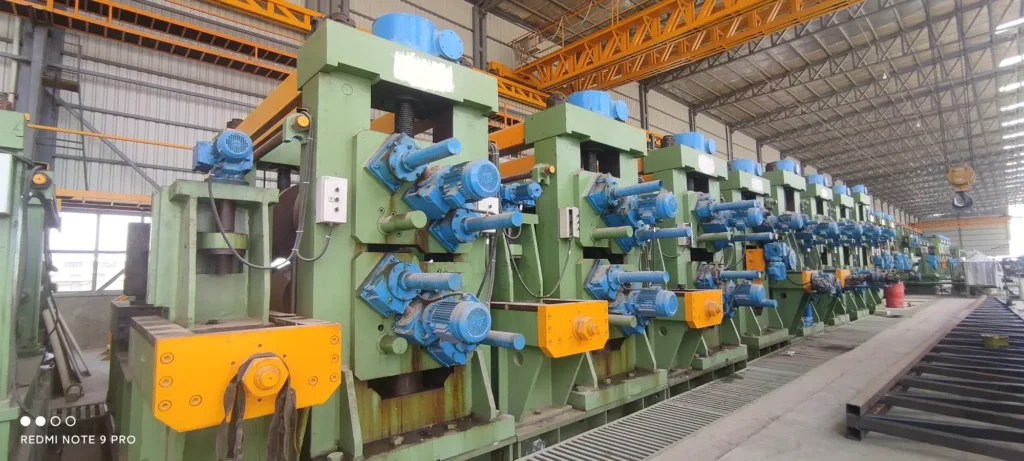
- The difference, verbatim in substance: against ordinary round-to-square, direct forming needs fewer forming passes and fewer roll changes and changes size faster — the core being combined mould plus servo adjustment.
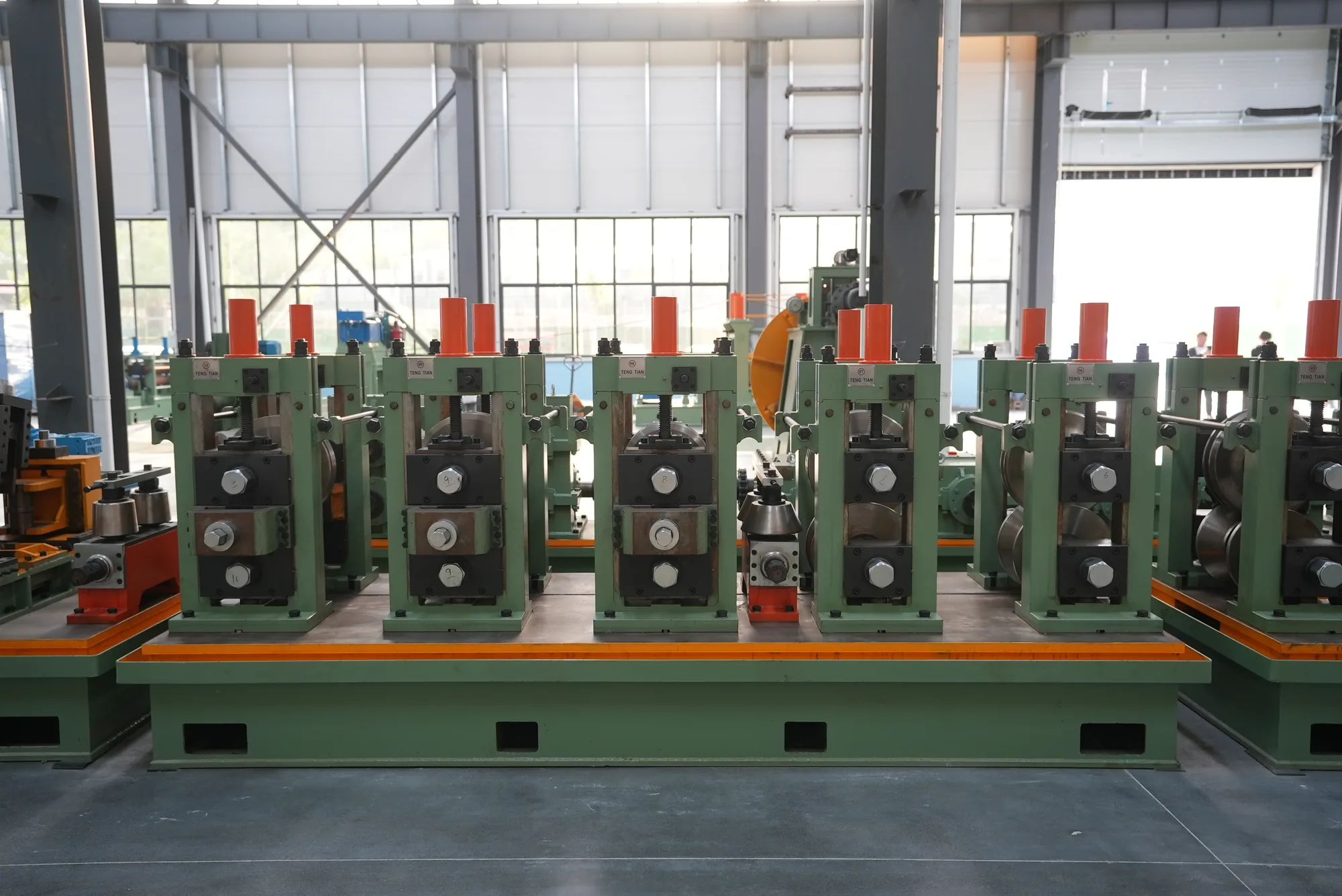
- Direct-forming envelope: square tube 30×30 to 500×500 mm, wall 1.5–13 mm by class.
- Changeover behaviour: one combined mould covers different sizes; a size change needs only servo adjustment, with no roll change.
- Roll-cost claim, as a ratio: roll saving of over 90%, with point contact reducing roll wear. One exception is worth stating: making 100 × 100 mm tube needs the upper roll on the final open stand changed.
- That ratio comes without published base figures (roll cost, roll life in hours or metres, changeover time); these are available on request.
What Is Direct Forming vs Round-to-Square
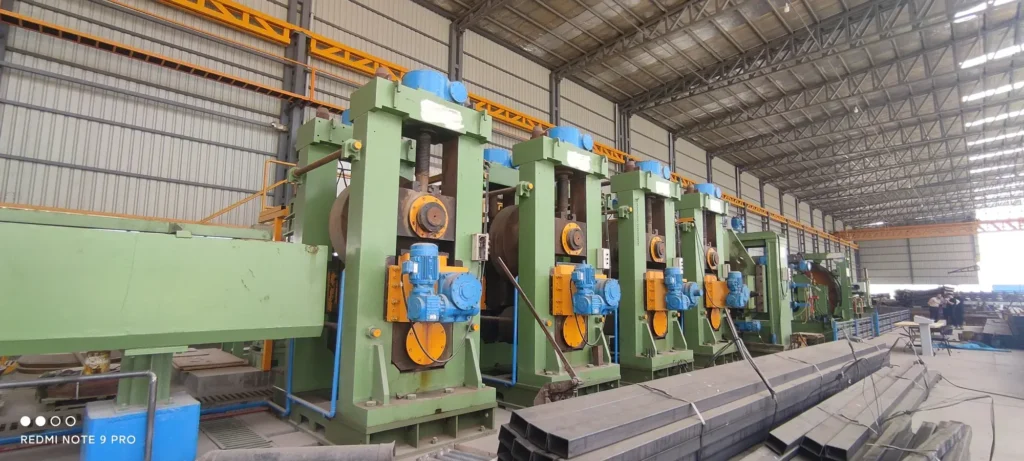
The envelope for the direct-forming line is square tube from 30 × 30 mm to 500 × 500 mm, with wall thickness of 1.5 to 13 mm depending on class. Both routes make the same product and differ in how they get there. The conventional route forms the strip into a round shell, welds it, and then sizes that round tube into a square or rectangular section. The direct-forming route shapes the square section from the start, using one combined mould instead of a size-specific roll set.
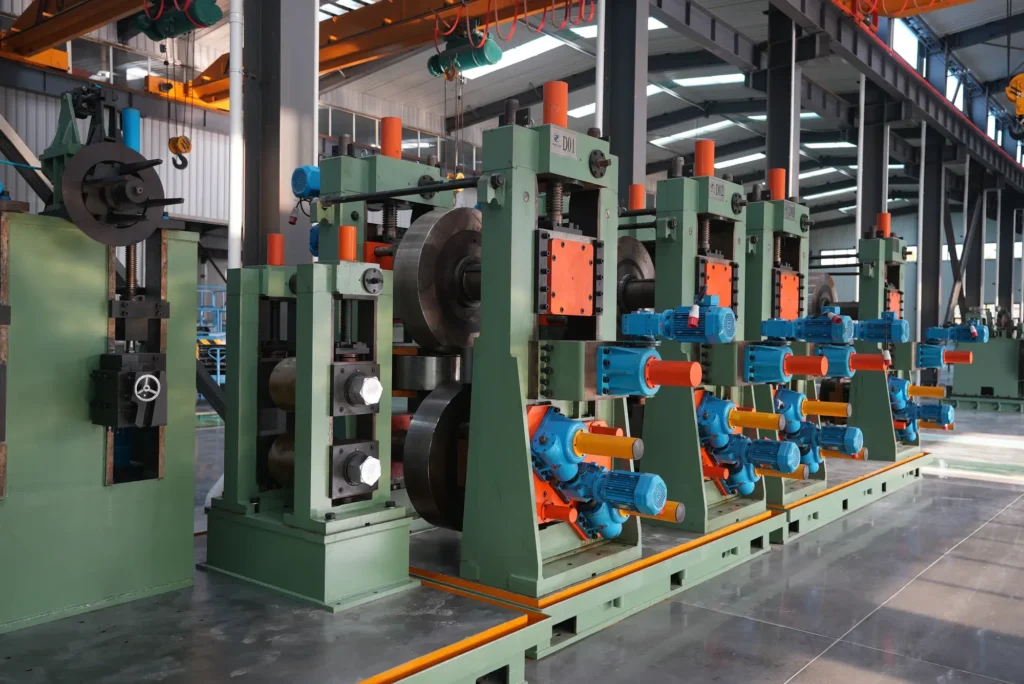
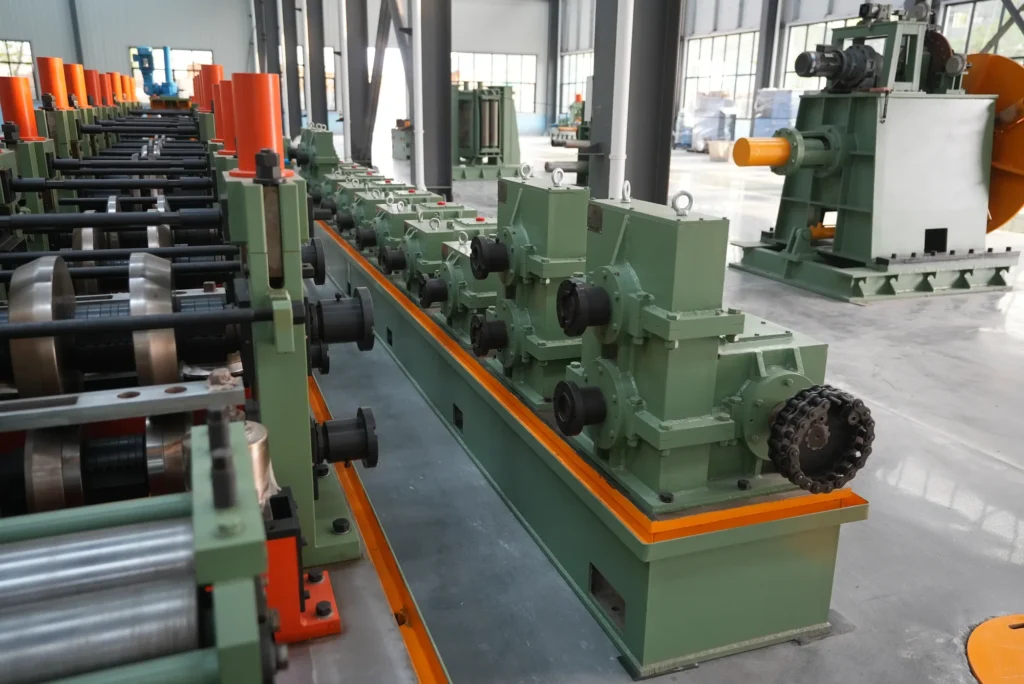
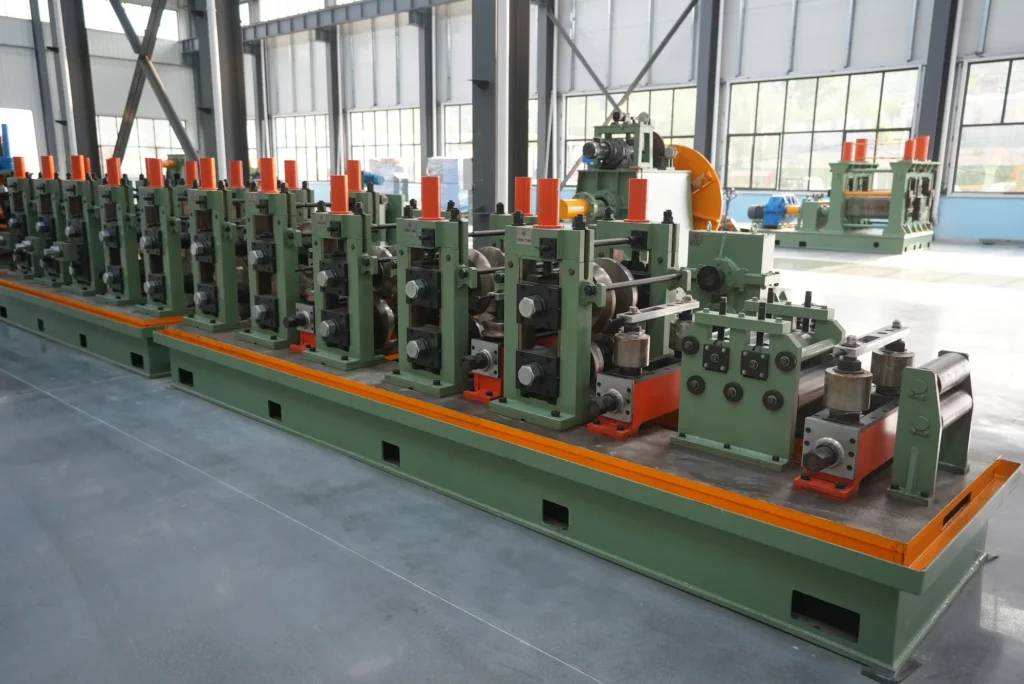
One set of combined moulds is covering different sizes within that, with size changes requiring servo adjustment only and no roll change.
That route sits inside the wider high-frequency welded family rather than beside it. Forming technology is one of the ways the HFW range is classified — conventional roll forming and direct forming square — and the second is a distinct selling point precisely because it allows size changes without changing rolls.
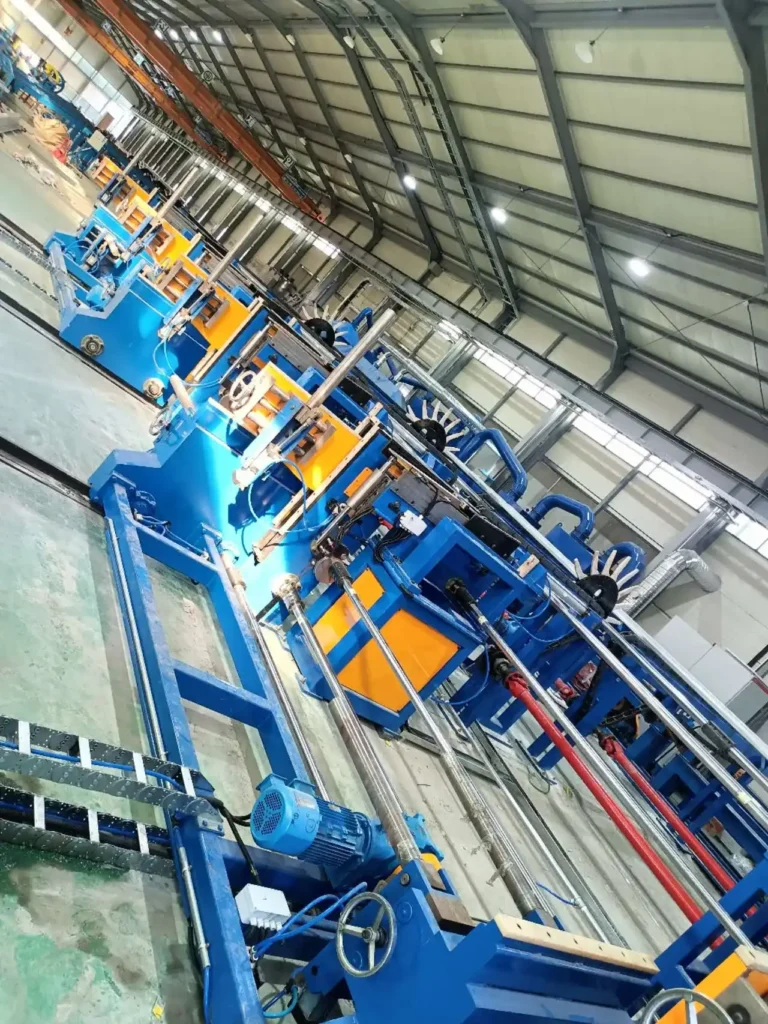
Tube mill for round and square pipe
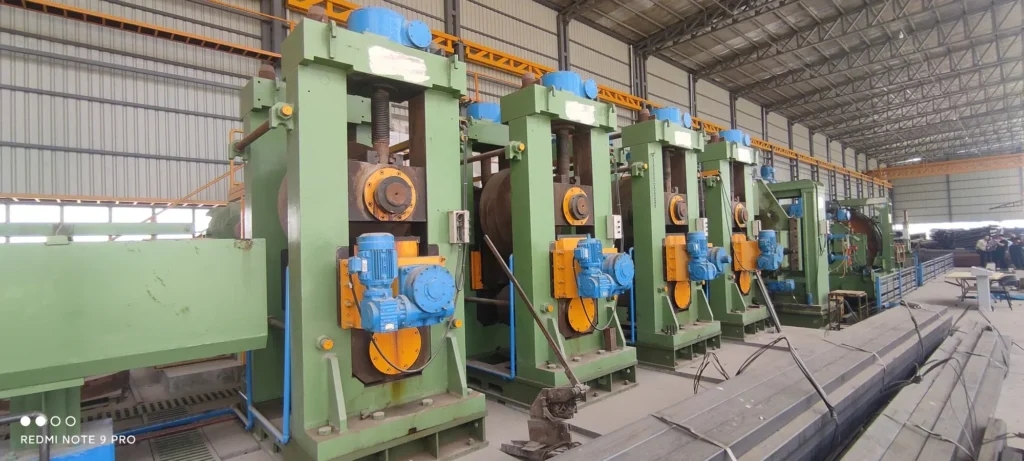
A line that makes both is the normal case rather than the exception. Most HG size classes can produce round, square and rectangular tube on the same line, and the finished section is one of the ways the range is classified, alongside diameter.
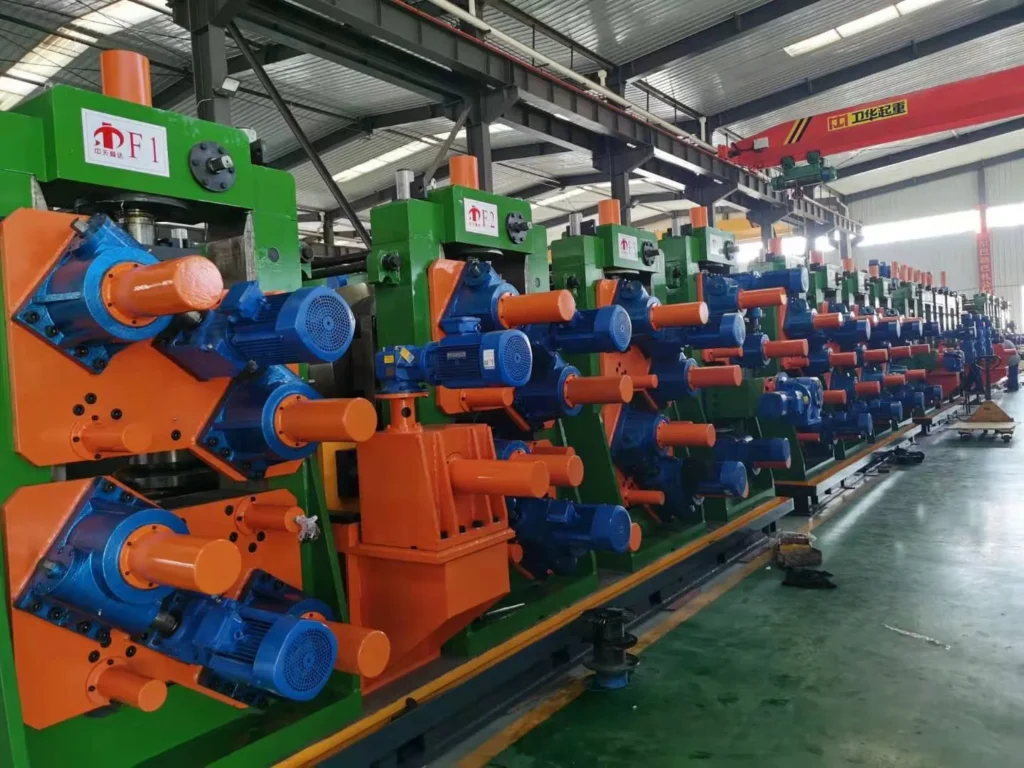
What differs between running round and running square on such a line is the forming section. Forming and sizing rolls are a core component because they set shape accuracy, roundness or squareness, edge appearance and dimensional consistency — and in the direct-forming alternative, a combined roll arrangement reduces wear through point contact.
There is also a fully automatic version — the automatic tube mill, which takes the standard welded pipe line up a level in automation. It is a product line in its own right and shares technology with direct forming and roll forming.
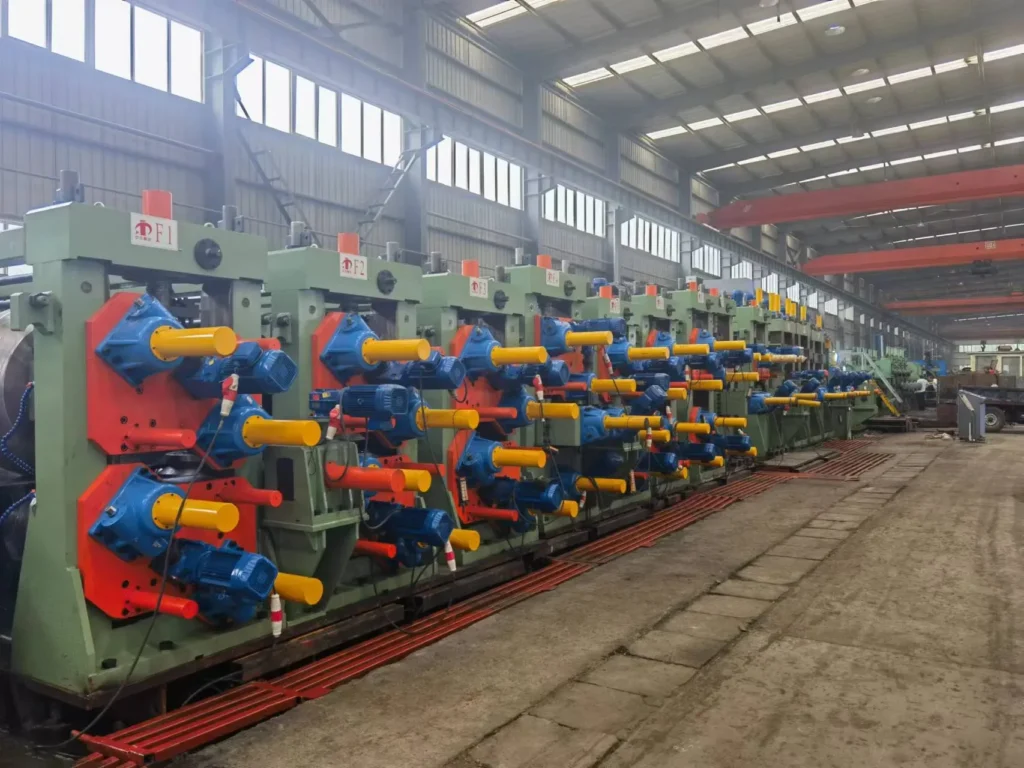
The comparison is short and worth taking literally. Against ordinary round-to-square — forming round first, then sizing square — direct forming needs fewer forming passes and fewer roll changes and changes size faster, with the core difference being the combined mould plus servo adjustment.
Direct Forming vs Round-to-Square Explained
The stated benefits are a roll saving of over 90% and reduced roll wear from point contact.
Real applications put numbers on “many sizes”. Square tube plants need to switch frequently across the 30 × 30 to 500 × 500 mm range, with the pain being high roll-change cost and long downtime — what those buyers want is “adjust only, do not change rolls”. The three things they are watching are changeover time, roll saving rate and roll life.
The same mechanism appears from the operator’s side. Setting the size means setting to the target tube dimension, where a conventional line changes rolls and the direct-forming line adjusts servos without changing rolls; the failure modes are shape drift after a size change and commissioning scrap, and this step needs a trained changeover crew.
It also comes up as a buyer objection: is changing size a lot of trouble, and will roll changes mean long downtime? The answer has three points: the combined mould means no roll change, roll saving is over 90%, and servo adjustment makes the size change quick.
Square and rectangular tube mill
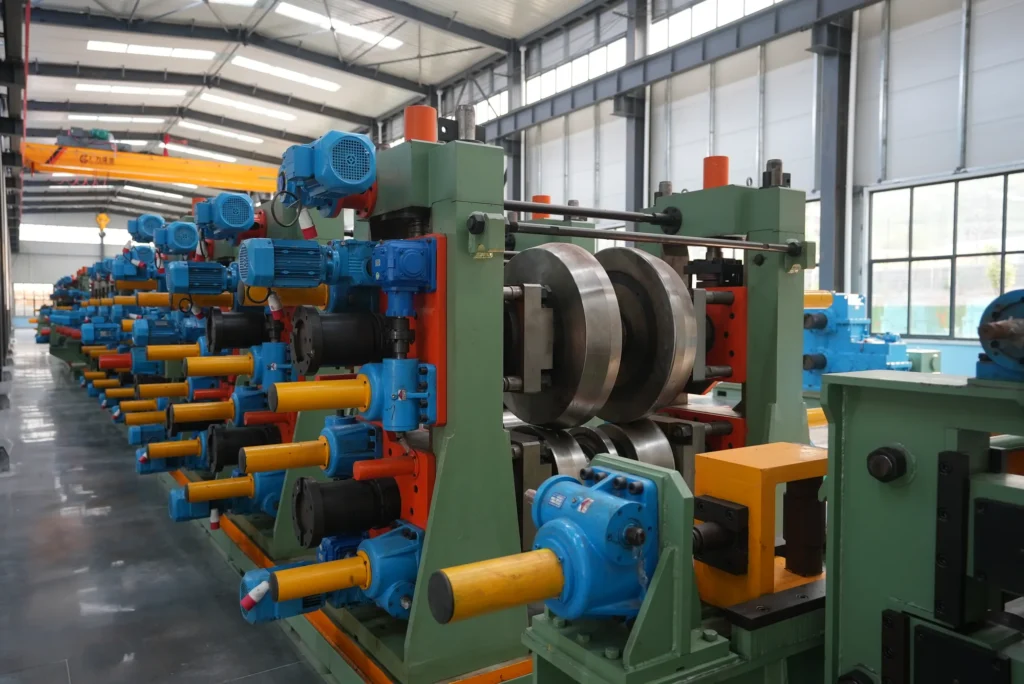
Rectangular section sits alongside square rather than as a separate capability: round, square and rectangular are the three finished sections, and most HG classes can make all three.
The distinction that matters is what the finished square or rectangular section is used for. Structural and scaffolding tube is its own application group — load-bearing construction, scaffolding and general machinery sections — with flexible size switching, stable square and rectangular forming, and good straightness and edge appearance being what those buyers watch.
The reason the direct-forming route exists is a cost and downtime problem, not a quality one. Its target buyer is a pipe plant running many square sizes and changing between them often, and the pain it addresses is clear: conventional welded pipe lines take time to change rolls when the size changes, and roll cost is high.
Direct Forming vs Round-to-Square — Where the Difference Shows
The direct-forming advantage shows up as a ratio and as a change in how the line is run, rather than as a single measured figure. The clearest of them is the size change: on the direct-forming line it is made by servo adjustment instead of a roll change.
How to Decide: Target Diameter, Application and Volume
The direct-forming line is set at 30 × 30 to 500 × 500 mm square, wall 1.5 to 13 mm by class. Size range is the first check and it is the one hard boundary. A section outside that is outside what this route is built to cover, and the conventional HFW classes — Φ10–630 mm, 0.5–16 mm wall, producing round, square and rectangular — are the alternative.
Switching triggers point the same way. Slow size changes and high roll wear on existing equipment are one reason buyers change supplier, and what they then want is a direct-forming line that changes size without changing rolls.
Entering a new product category — square tube, API, H-beam — is another purchase trigger, because that needs a dedicated line.
Running cost is the fourth check and the answer is largely qualitative: low roll wear, high yield and quick changeover keep long-term running cost down. The one figure given is a yield of not less than 93%.
The fifth check is the buyer profile, and it points to the same conclusion. The target buyer is the regional pipe and section maker — mid-sized plants, building or expanding capacity, sensitive to price and lead time — and what those buyers are watching is value for money, delivery, fast size changes, yield and energy cost.
Two of those five are exactly what the direct-forming route is addressing.
Delivery is the sixth and it is set at line level rather than by route: 50 to 90 days, with plant-level customised scheduling from the company’s own base.
Size-change frequency is the second check and it is the real deciding variable. The case for direct forming is a plant that switches often; the case against a conventional line in that situation is roll-change downtime and roll cost. A plant running one or two sizes for long runs does not meet that condition.
Frequently Asked Questions
What is the practical difference between direct forming and round-to-square? How the square gets made. Round-to-square forms a round shell first and then sizes it into a square section; direct forming shapes the square from the start with one combined mould.
Which route suits my section size and application? The direct-forming line applies to square tube from 30 × 30 to 500 × 500 mm at 1.5 to 13 mm wall by class. If the section is round, or square outside that envelope, the conventional HFW classes apply — Φ10–630 mm at 0.5 to 16 mm wall, in round, square or rectangular.
Application then narrows it: structural and scaffolding tube is the group for square section.
How do the running costs of the two routes compare? Direct forming gives a roll saving of over 90%, with point contact reducing roll wear, and low roll wear, high yield and quick changeover keep long-term running cost down. That ratio comes without published base figures (roll price, roll life, changeover hours, cost per tonne); these are available on request, and the 90% is not converted into any of them.
Which standards apply to each of the two routes? object. The standard numbers — GB/T 9711, GB/T 5037, API 5L, GOST R 58966-2020 and Q/GYLTT01-2023 — take pipe, line pipe or beam as their object.
For the machinery itself, no single mandatory certification applies; what governs is the destination market’s machinery-safety rules plus the standard the finished product must meet.
Which route ships and commissions sooner? Delivery is given as one range for the whole line, not per forming route: 50 to 90 days, with plant-level customised scheduling. What differs after delivery is the size change — servo adjustment versus roll change — but neither comes with a duration figure, so no time comparison is made.
Can one supplier build either route? Yes. Conventional roll forming and direct forming square are two forming technologies within the same HFW product family, and the wider range covers welded pipe HG32–HG630 (Φ10–630 mm) plus direct-forming square, API, H-beam, slitting, cold-forming and coating lines as a one-stop range.
The result is fewer forming passes, fewer roll changes and a faster size change, with the core difference being the combined mould plus servo adjustment.
From the Workshop
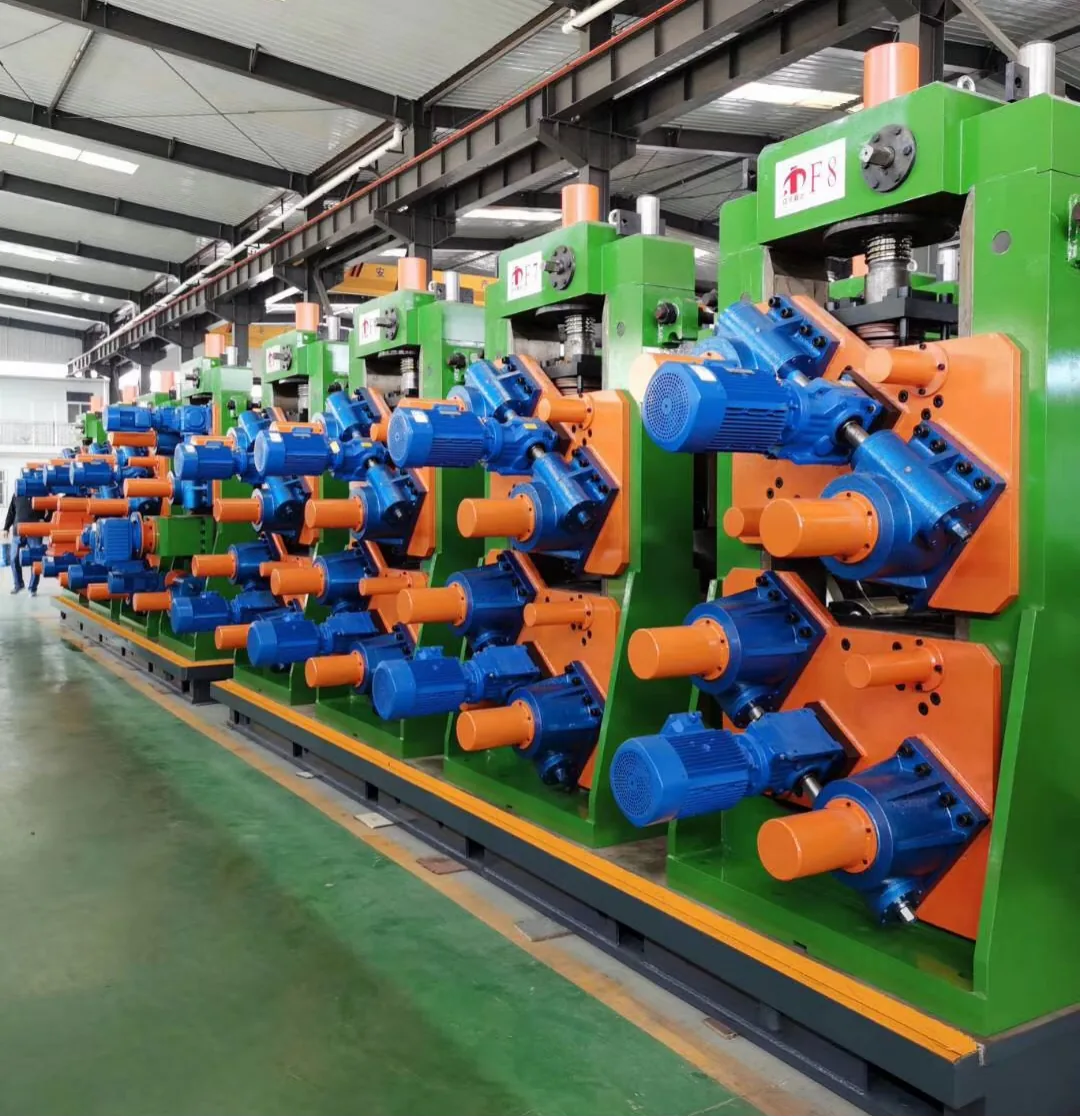
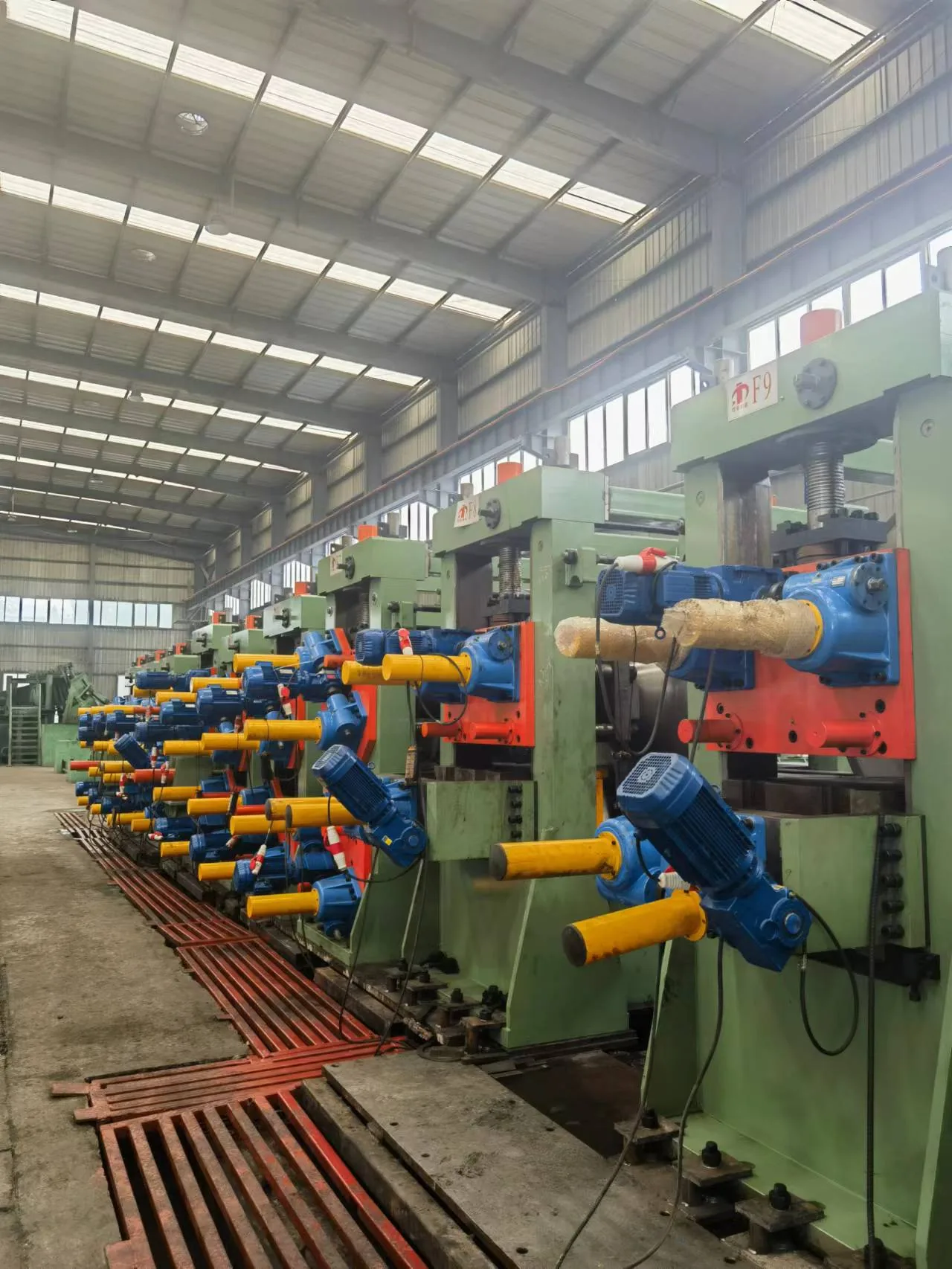
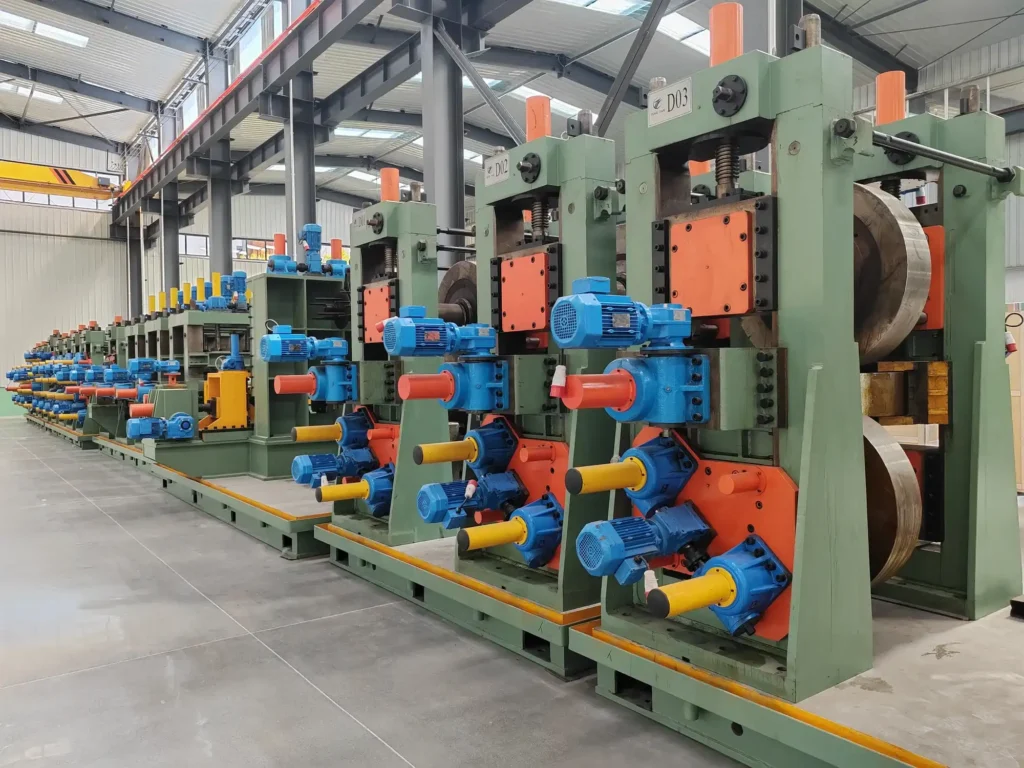
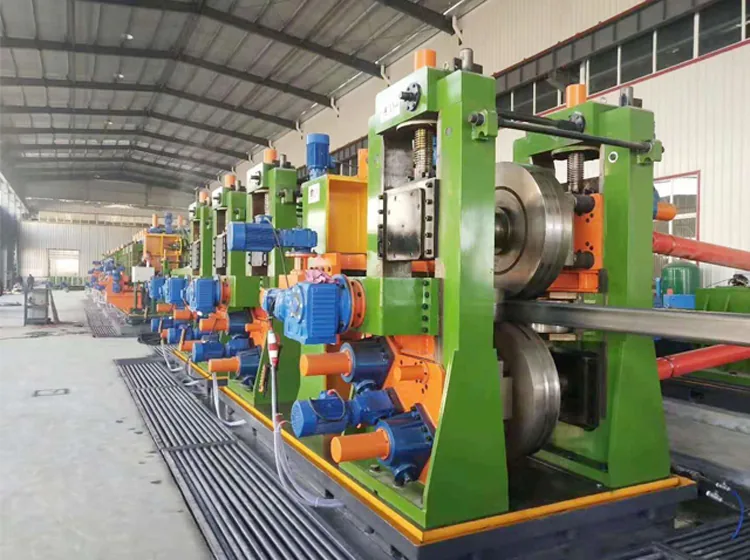
 Direct Forming Size Range
 Roll Saving in Direct Forming
 The API Pipe Mill Inspection Chain
 Pipe Coating Line Configuration
Send Your Enquiry
Tell us the pipe outside-diameter range, the wall thickness and the output you need. An engineer reads every enquiry — it does not land in a general sales inbox.